







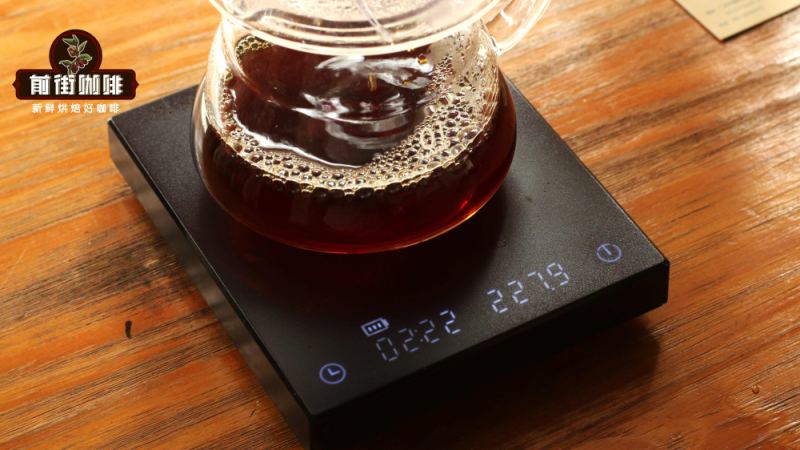
What is a normal pour-over coffee extraction time?
For a 15-gram dose, extraction time is a passive reading rather than a setting. It shows which way the cup is heading: too long and the coffee turns strong and bitter, too short and it tastes weak and thin. Because the time is fixed by dose, pouring style and grind size, it works as a check on whether the other parameters are reasonable.
Increasing the dose lengthens the brew. Brewing 20 grams at once instead of 15 pushes the total to roughly 2 minutes 10 seconds to 2 minutes 50 seconds, since the water volume rises in the same ratio and the thicker coffee bed slows the flow. The coffee grinding process matters too, as finer particles restrict water passage and stretch the time further.
When using a digital scale with a timer for pour-over coffee, what practical significance does it actually have? The length of extraction time directly reflects the direction of the coffee's flavor—too long, and it becomes strong and bitter; too short, and it turns weak and thin. However, extraction time is not a variable that can be controlled independently; it is constrained by factors such as coffee dose, pouring method, and grind size, making it a classic passive parameter. This article will systematically outline the normal extraction range for a 15-gram dose, analyze how increasing the dose and changing the number of pouring stages affect time, and explain how to use extraction time to judge whether brewing parameters are reasonable. It also includes the recommended brewing time for Front Street Yirgacheffe coffee beans for readers to refer to.
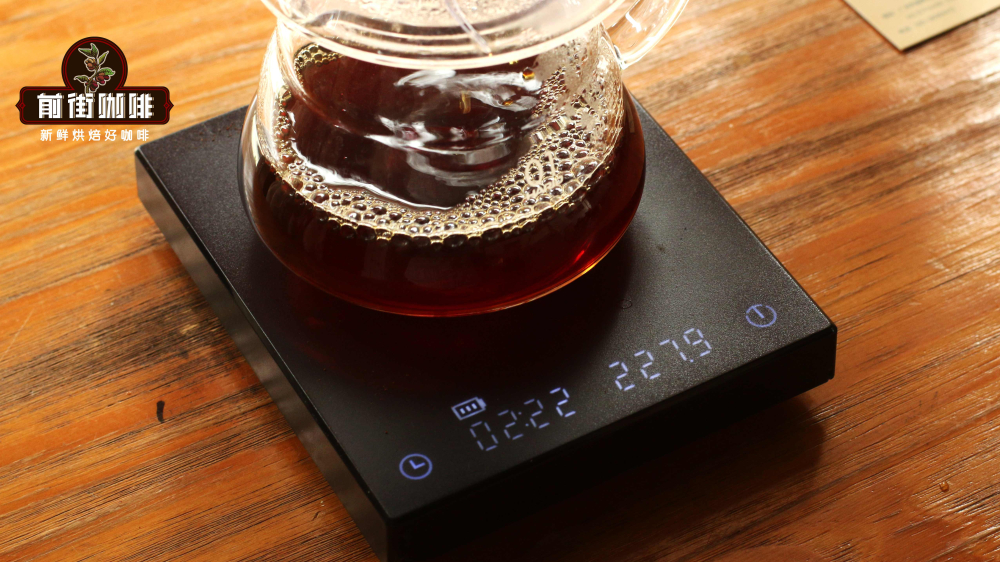
When brewing coffee, have you ever thought about this question: why do we time the brewing process? What purpose does recording this brewing duration actually serve when making coffee?
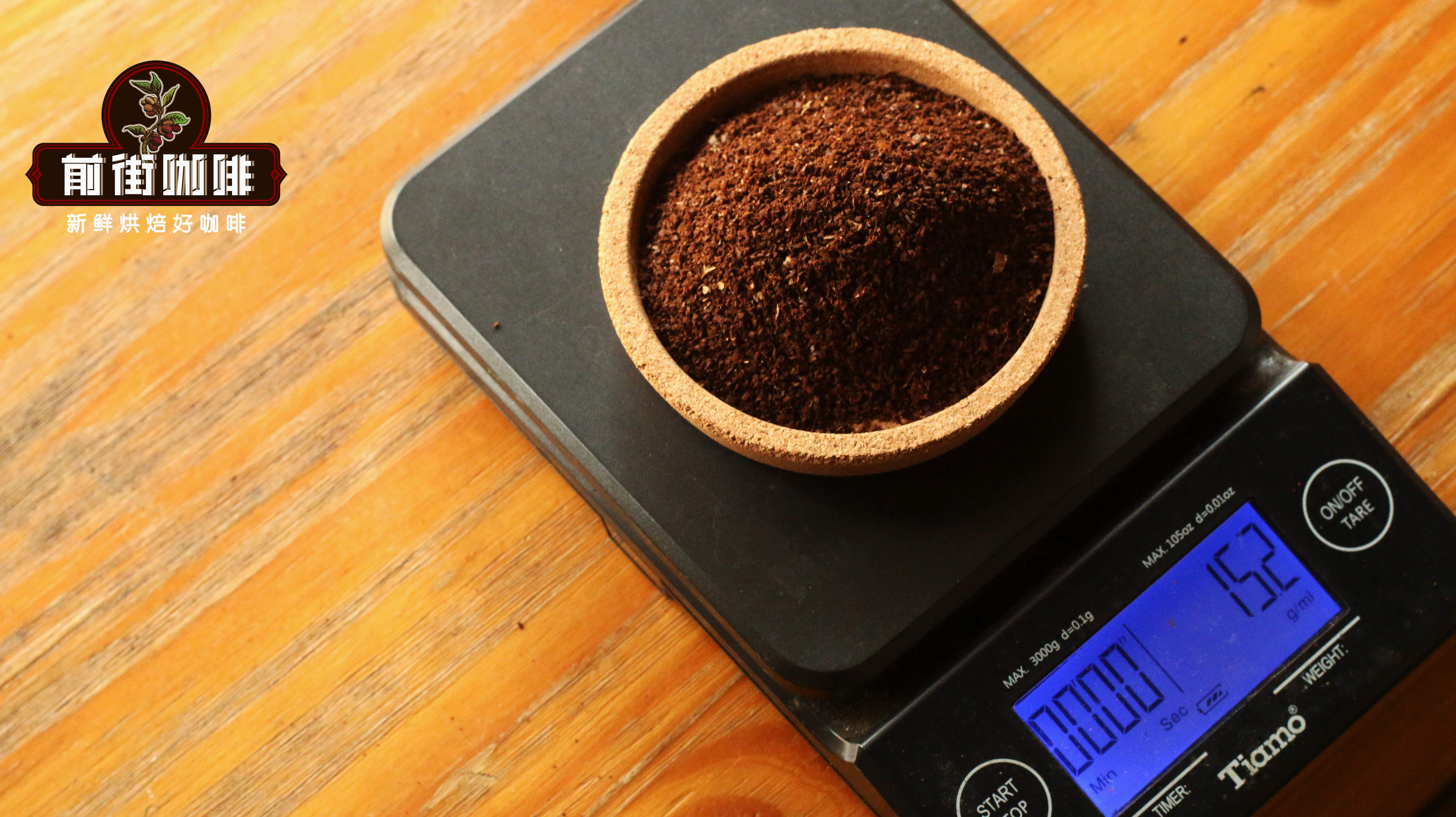
Typically, a digital scale with a timer is used during pour-over. Understanding the need to weigh and record the amount of water poured is easy—after all, friends who have seen many of Front Street's knowledge shares know that the coffee-to-water ratio is extremely critical to flavor, and it's easy to over-pour if you're not careful. With the real-time numbers on the digital scale, you can accurately tell when you've reached the target water amount and should stop pouring, making it a very practical aid.
However, what use is knowing the extraction time? The reason is: the longer the extraction (brewing) time, the stronger and more bitter the coffee; too short an extraction time, and the coffee tastes weak and bland. So by knowing this extraction duration, you can roughly infer the flavor direction of the cup.
It should be noted that the above discussion is based on a 15-gram dose. If you increase the dose for brewing, the final extraction time will be correspondingly longer. This is because with more coffee, the total water amount increases at the same ratio, and the thicker coffee bed means water takes longer to pass through. For example, brewing 20 grams of coffee at once will take roughly between 2 minutes 10 seconds and 2 minutes 50 seconds.
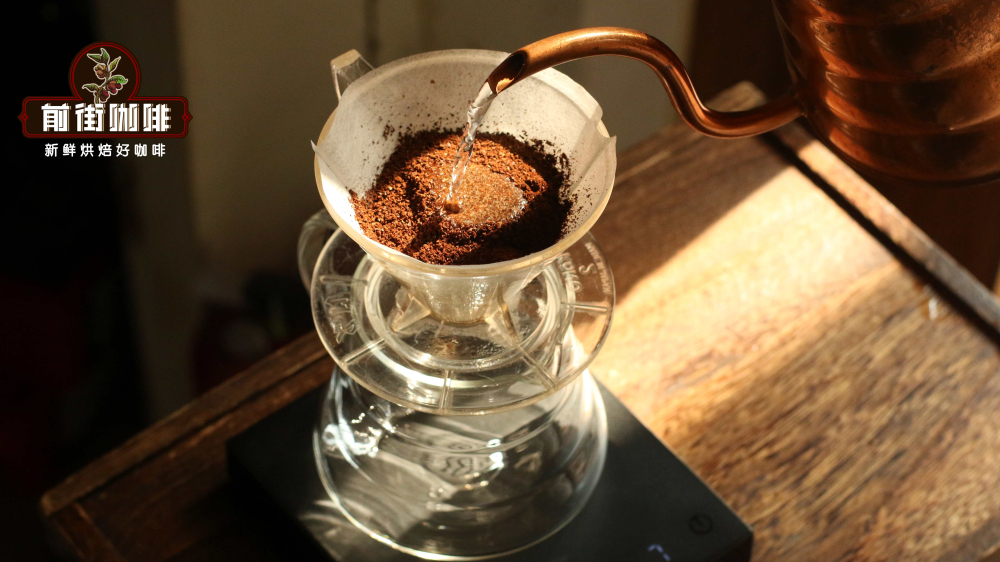
Besides dose, the brewing method also affects extraction time. A friend once asked Front Street: "Why is the brewing time you recommend 2 minutes, but when I follow the extraction parameters you shared, it takes at least 2 minutes 30 seconds for all the coffee to finish dripping?"
This shows that the more stages of pouring, the longer the extraction time will be. Within a reasonable time range, the coffee will present a fuller body and richer layers. Conversely, fewer pours will shorten the total extraction time. For example, with a single-pour method, the extraction time is about 1 minute 40 seconds to 2 minutes 10 seconds.
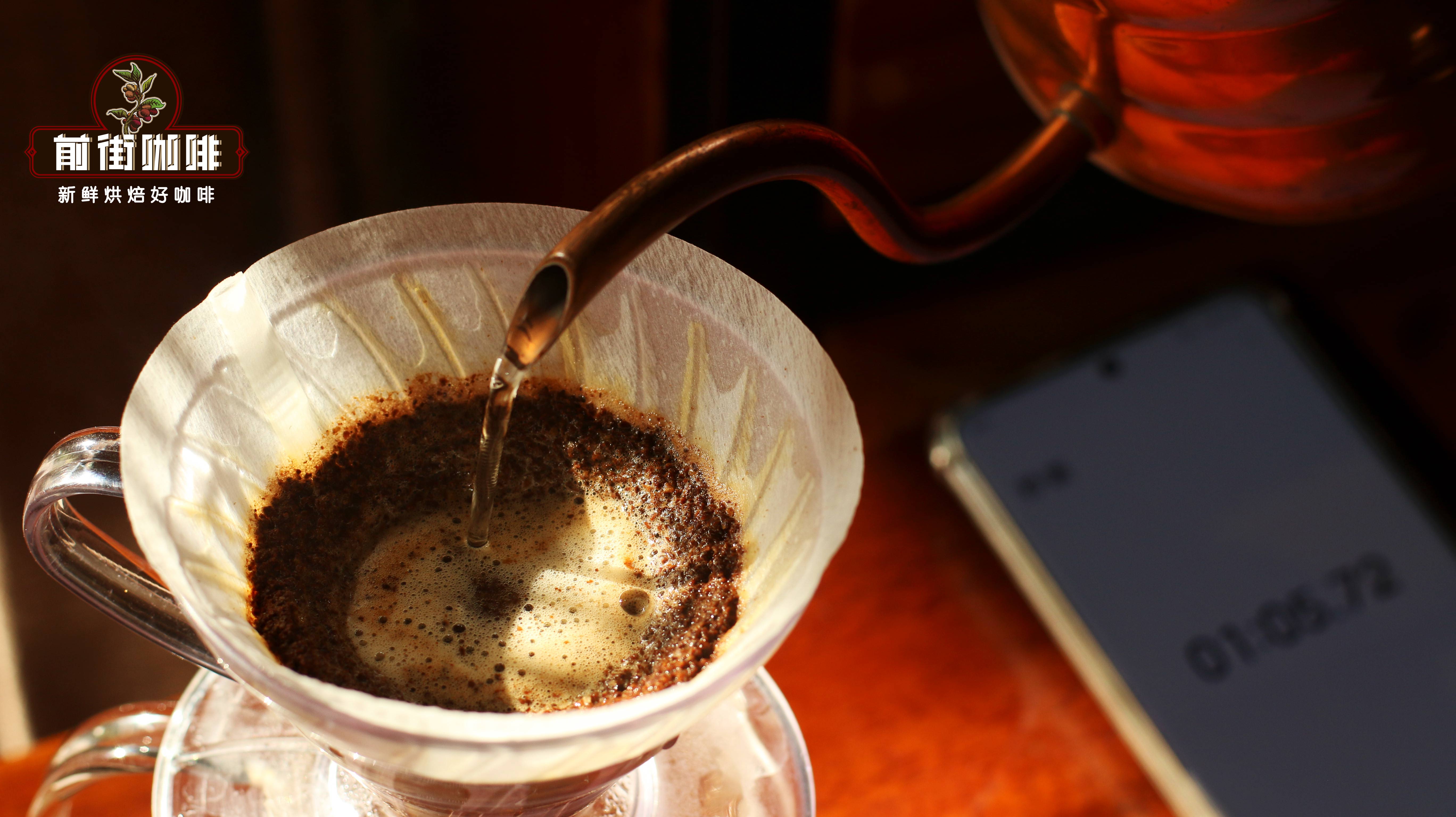
In pour-over coffee, extraction time is a "passive parameter"—we can't directly command it to finish in two minutes, but can only influence it indirectly through other parameters, such as adjusting the pouring technique as mentioned earlier.
Therefore, understanding the brewing duration also helps determine whether the parameters used are appropriate. For example, if during brewing you notice the water drains too quickly, causing a shorter extraction time and a thin, bland cup, you can extend the extraction time by grinding finer, reducing the pouring flow rate, or increasing the number of pouring stages.
In addition, extraction time can serve as a reference indicator for checking brewing tutorials. For example, Front Street's recommended brewing parameters for Yirgacheffe coffee beans are as follows:
Extraction time: 2 minutes
The above content is compiled by CoffeeHunters, a coffee news website.


