







How does the coffee V60 brewing cup change your pour-over settings?
Switching filter cups usually means adjusting the recipe. Flat-bottom cake and conical V60 style drippers drain at different speeds, so the same grind, water temperature and pour schedule will not extract the same way. Extraction time should be set to reach the taste you want, not to hit a fixed number.
Fast-draining designs such as the V60, Ice Eye, Origami, Chuanliu and B75 tend toward brighter, more vivid flavor, while slower immersion-style cups like fan-shaped, Kono, Infinite and flat-bottom models with limited hole area give a more balanced, full-bodied result. Flow rate ranking runs from B75 at the fast end down to single-hole Melitta fan-shaped cups.
Many coffee enthusiasts often wonder after switching filter cups: can the original pour-over parameters still be used, and how long should the extraction time be controlled to be appropriate? Starting from the differences in filter cup shape and flow rate, combined with Front Street Coffee's actual test data, this article compares the extraction performance and flavor differences between the V60 and flat-bottom cake filter cup under the same parameters, explaining that the real purpose of parameter adjustment is not to pursue fixed values, but to serve the ideal taste. The article also provides a ranking of the flow rates of common filter cups, helping readers understand the connection between filter cup characteristics and extraction time, so they can more flexibly develop brewing plans.
After some confirmation, it turned out that this friend was using a flat-bottom cake filter cup, which is different from the V60 that Front Street uses daily. Then this friend continued to ask, "So if the filter cup is different, do I need to change to a new set of parameters and brewing method, and what brewing time is correct?"
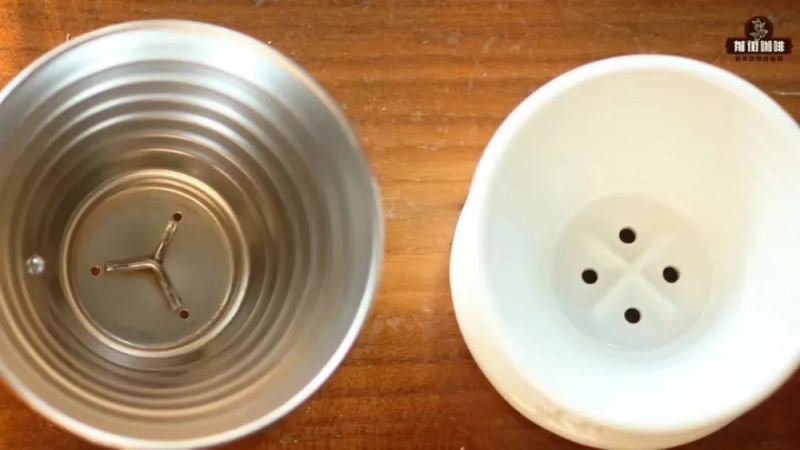
So what kind of performance will different filter cups give coffee? If classified by the shape characteristics of the filter cup, they are mainly divided into trapezoidal (fan-shaped), conical, and flat-bottom (cake). For building brewing parameters, the main thing to look at is the flow rate. Some filter cups are characterized by a fast flow rate, creating a rich flavor expression. Representative filter cups include the V60 and its derivative models, Ice Eye, Origami, Chuanliu, Starry, and B75 filter cups.
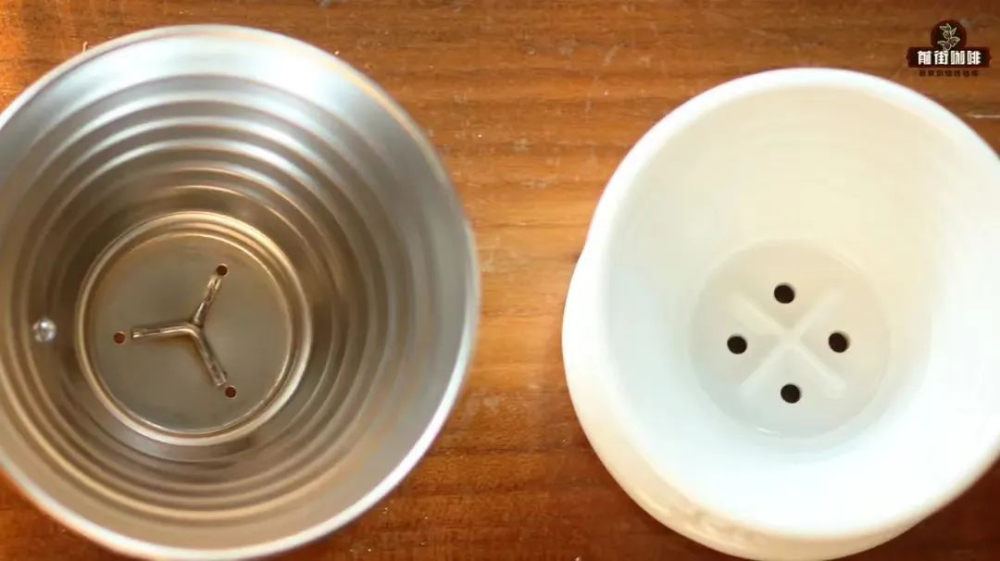
Some filter cups are characterized by a slow flow rate, using an immersion method to achieve even extraction of the coffee grounds, expressing a balanced and full-bodied flavor. Representative filter cups include fan-shaped filter cups, the Kono filter cup, the Infinite filter cup, and flat-bottom filter cups (the flow rate mainly depends on the total area of the flow holes).
Below is a ranking of the flow rates of some common filter cups tested by Front Street for everyone's reference: B75>Chuanliu≥Starry>Ice Eye>V60≥Origami>Flat-bottom cake (3 holes)>Kono>Kalita fan-shaped (3 holes)>Infinite filter cup>Melitta fan-shaped (single hole)
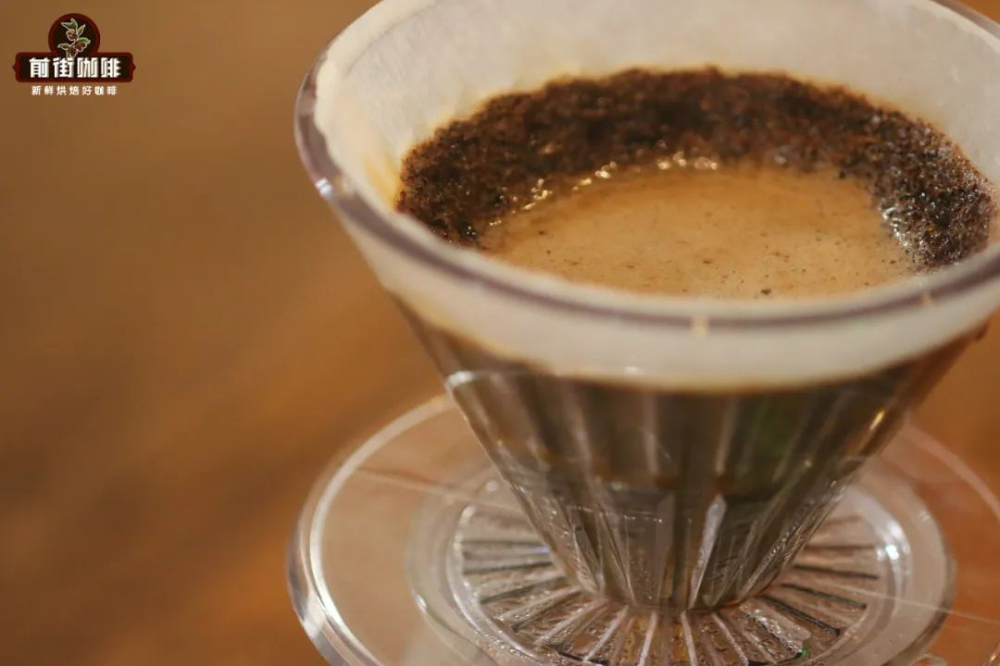
Back to the original question: if I am using a flat-bottom cake filter cup and adopt the brewing parameters used for the V60 filter cup, is that appropriate, and do I need to change the parameters or brewing method? With the same parameters, using different filter cups will produce coffee with different flavor expressions. Taking the comparison between the V60 and the cake filter cup, Front Street used Huakui coffee for brewing, with the same parameters: 15 grams of grounds, 91°C water temperature, a grind size with 80% passing a No. 20 sieve, a 1:15 coffee-to-water ratio, and a three-stage pouring method.
The extraction time for the V60 filter cup was 2 minutes 05 seconds, and the extraction time for the cake filter cup (3 holes) was 2 minutes 30 seconds. In terms of flavor, what was brewed with the V60 showed rich fruity aroma, prominent berry juice character, lively acidity, and a black tea finish.
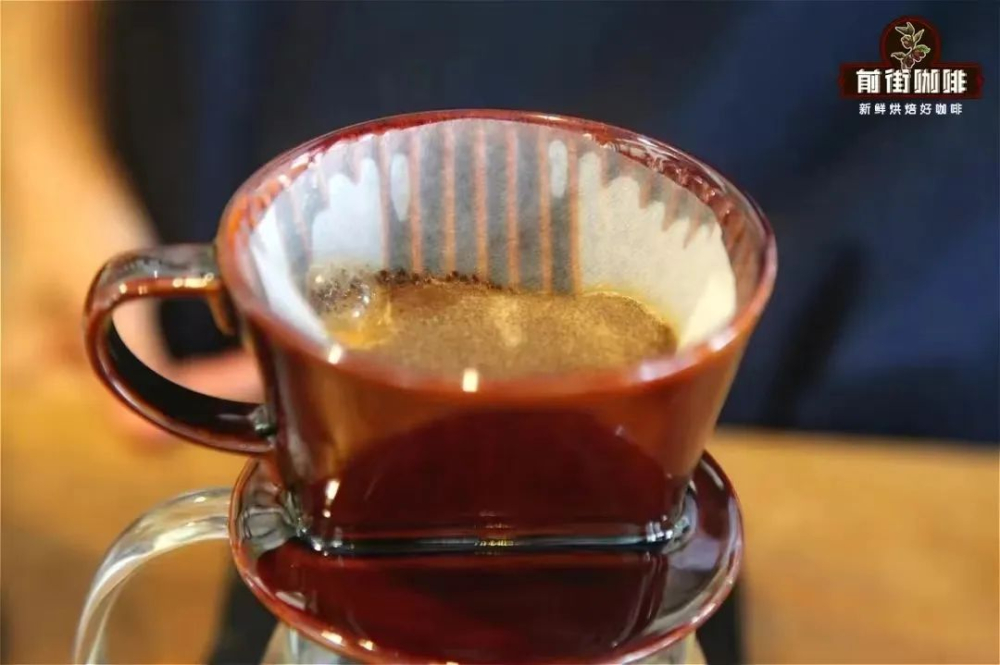
What was brewed with the cake filter cup showed full berry sweetness and acidity, obvious sweetness, creamy smoothness, and a finish of fruity fermentation aroma. Therefore, this brewing parameter can apply to the V60 filter cup and can also apply to the cake filter cup. If you judge how the coffee is brewed based on the specific extraction time, the filter cup is a major limiting factor. When Front Street says "the extraction time is best controlled at around 2 minutes, and at most should not exceed 2 minutes 30 seconds," this is based on 15g, three-stage pouring, and the V60 filter cup. If switched to a filter cup with a slower flow rate, then the extraction time will also be correspondingly extended. So by adjusting the parameters and controlling the extraction time to 2 minutes, what would the flavor expression be like? By coarsening the grind size and using pouring technique as assistance, Front Street controlled the extraction time of the cake filter cup to 2 minutes. In terms of flavor expression, there was obvious berry acidity, and the overall taste was lighter and balanced. Therefore, we do not adjust parameters for the sake of parameters. The reason we adjust parameters is that we are dissatisfied with the current coffee's flavor and mouthfeel, and we adjust the parameters to achieve a good-tasting result. If the coffee brewed at 2 minutes 30 seconds tastes good, then naturally there is no reason for us to adjust the parameters or technique.
The above content is compiled by CoffeeHunters, a coffee news website.


