







Is 2 minutes the reference for pour-over coffee extraction?
Two minutes is a common reference point for pour-over, not a fixed rule. Coffee extraction time is simply the contact time between grounds and water, and with other variables held steady, a longer contact dissolves more soluble material and a shorter one dissolves less. Too little leaves the cup bland and thin; too much brings bitterness, muddiness, and astringency.
Water temperature, grind size, water amount, and flow rate all shape the result, so time alone does not decide taste. In coffee brewing, matching those parameters to the bean works better than chasing the clock: for light-roasted lots such as Huakui and Guodingding, adjusting temperature, grind, dripper, or staged pouring can compensate when a brew drains faster or slower than expected.
The brewing duration of pour-over coffee has always been a focus of attention for enthusiasts: what should you do if it hasn't finished draining after 2 minutes? How long is considered normal? Starting from Front Street's brewing practice, this article analyzes the impact of time on extraction, explains why 2 minutes is often regarded as a reference standard, and also points out that time is not the only variable. Using light-roasted Huakui and Guodingding as examples, it shows how to match different bean conditions by adjusting water temperature, grind size, dripper, or staged extraction, helping readers understand the importance of parameter coordination and stop obsessing over a single time indicator.
When brewing coffee, we also keep an eye on the clock, with the same goal: to consistently brew a delicious cup of coffee. Because for coffee, time is also an important parameter affecting taste. So friends often ask Front Street: "Is there an optimal brewing time for pour-over coffee?"
To know the answer to this question, we first need to understand what time's impact on coffee is. Front Street often shares that coffee extraction time refers to the contact time between grounds and water. When other parameters remain unchanged, the length of extraction time determines the amount of soluble substances dissolved from the coffee. The longer the extraction time, the more substances are dissolved; the shorter the extraction time, the fewer substances are dissolved. But if we want to brew a delicious cup of coffee, then what is dissolved from the coffee can neither be too little nor too much.
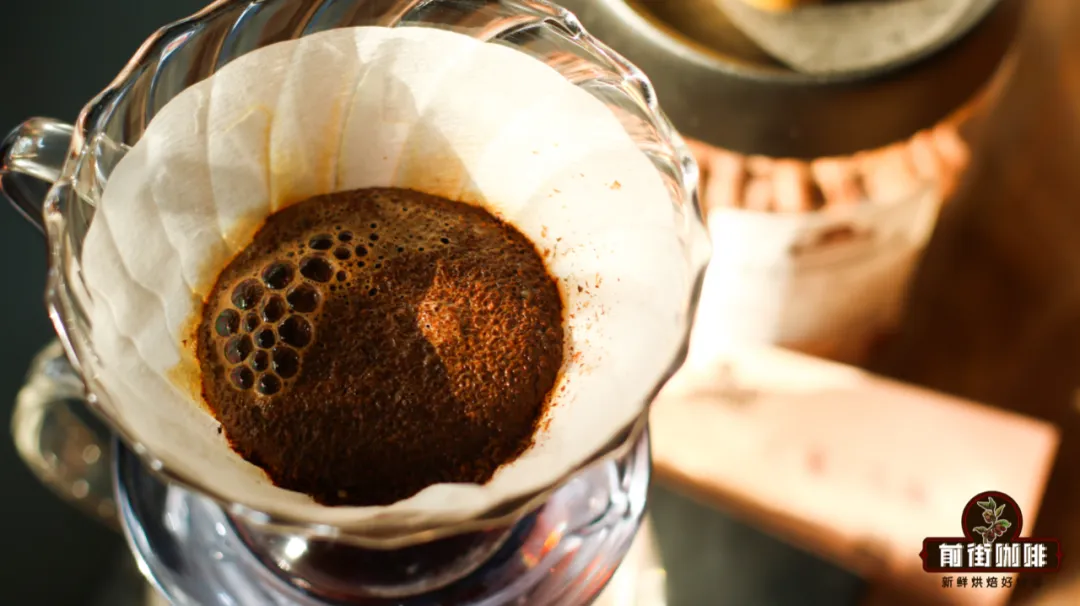
Because when fewer flavor substances are dissolved, the coffee tends to be bland in taste and thin in body, which is under-extraction; and when too many substances are dissolved, the coffee tends to show negative signs of over-extraction such as bitterness, muddiness, and astringency. So if we want to brew a cup of coffee with both a pleasing taste and mouthfeel, we need to control the extraction. But as Front Street shared in the article "Is It Really Necessary to Time Coffee Brewing?", besides time, other parameters such as water temperature, grind size, water amount, and flow rate also affect extraction, so time is not the only factor determining coffee taste. As long as the other parameters are adjusted properly, then no matter how long or short your brewing time is, you can actually brew a delicious cup of coffee.
In other words, as long as your brewing time matches the other parameters well, then that time is the "optimal time" for brewing delicious coffee. Then I believe friends will easily notice that the time appearing most often in Front Street articles is "2 minutes." This is because the other parameters Front Street uses happen to form, together with 2 minutes, an extraction formula that brews most coffees well, so it is the time that most often appears in Front Street articles. We can also understand it as the "optimal extraction time" in this formula.
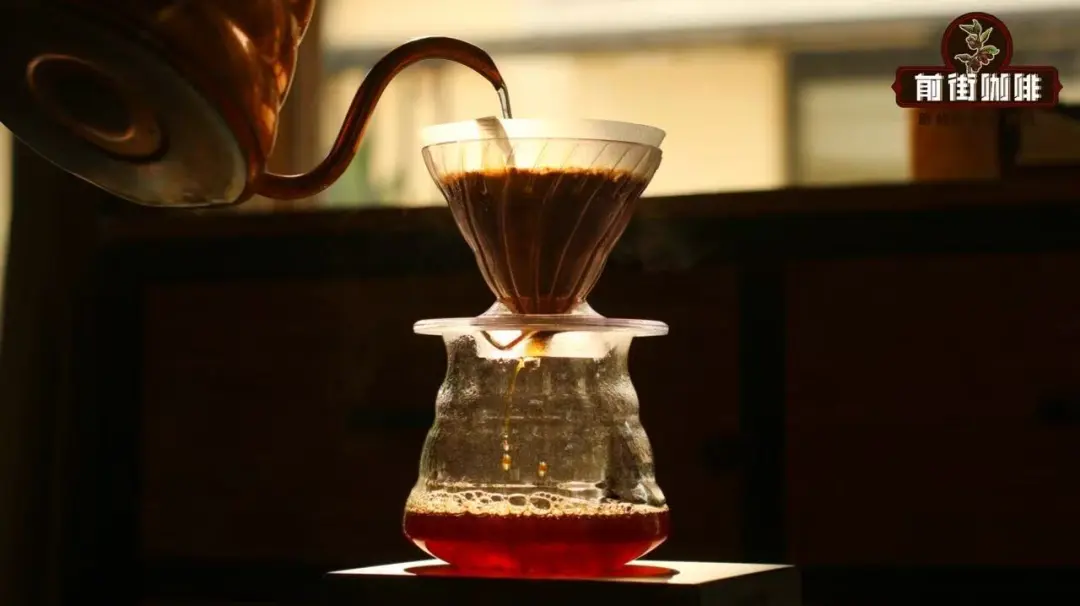
Taking Front Street as an example, when Front Street brews the light-roasted coffee bean Front Street Ethiopia Huakui from its bean list, it uses a water temperature of 92°C, a grind size with 80% passing through a No. 20 sieve, a coffee-to-water ratio of 1:15, and a three-pour brewing method. Under such a formula, paired with a 2-minute extraction time, it can brew a pot of coffee with quite good strength and taste, while the flavor performance is also very prominent, with berry, citrus, floral notes, and an oolong tea finish.
But if the time is less than 2 minutes, at 1 minute 30 seconds, then the brewed coffee's strength will not be as high, and the taste will not be as balanced or as full. The coffee tastes thin and light, and the flavor is not very rich; and if the time is far more than 2 minutes, for example 2 minutes 40 seconds, then the brewed coffee may carry obvious bitterness and muddy flavors. So overall, "2 minutes" is the optimal time when using this set of parameters to brew Front Street Ethiopia Huakui (there can be some deviation, but try not to make it too large, such as more than 20 seconds).
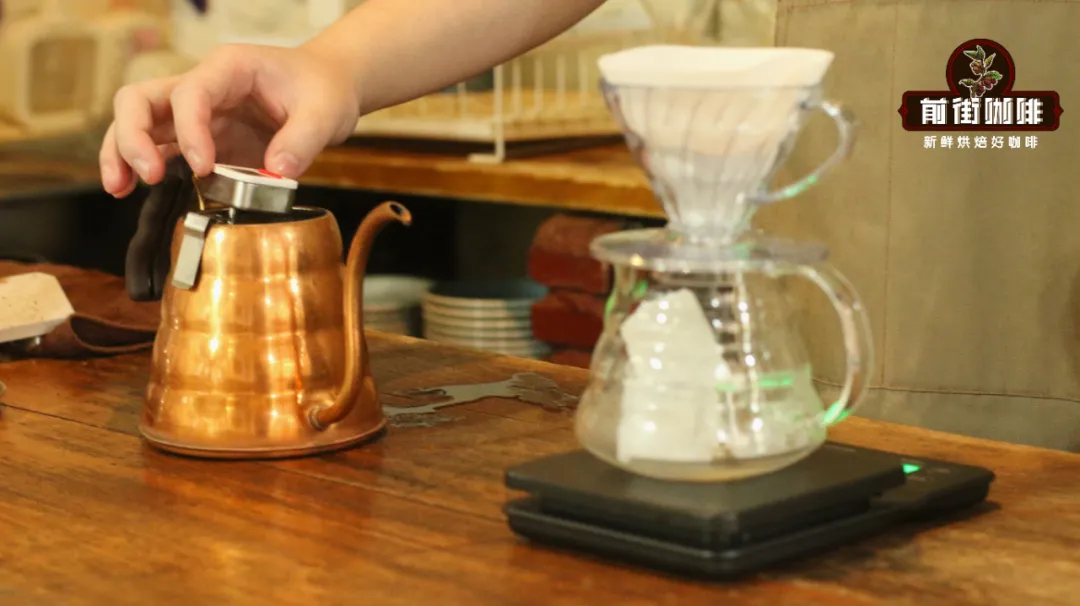
So if everyone, like Front Street, uses a traditional pouring method such as the three-pour method when brewing light-roasted coffee, and the parameters are consistent with Front Street's, then 2 minutes will be a relatively good choice. But Front Street does not recommend that everyone obsess over this set of parameters, because the condition of coffee beans varies, and the same parameters cannot brew all coffees well. Just as when brewing dark-roasted coffee beans we need to lower the water temperature to prevent over-extraction, for some coffees these parameters cannot fully dissolve the flavor substances we want, such as some higher-density coffee beans. At that time, we need to adjust the parameters according to the coffee's taste.
For example, when Front Street brews Front Street Yirgacheffe Guodingding from its bean list, although the Guodingding brewed with this set of parameters is tasty, its overall expressiveness is still a bit weaker (meaning it could taste even better). The reason is that its roast is lighter and its density is higher, so the flavor substances are not as easy to dissolve out as those of Huakui, making the brewed coffee somewhat less impressive. If we want to brew a Guodingding with a fuller taste and richer flavor, we need to improve extraction efficiency to dissolve more flavor substances. At this time, there are many options we can choose, such as raising the water temperature, making the grind finer, increasing agitation, or extending the extraction time. The specific choice depends on your own ideas.
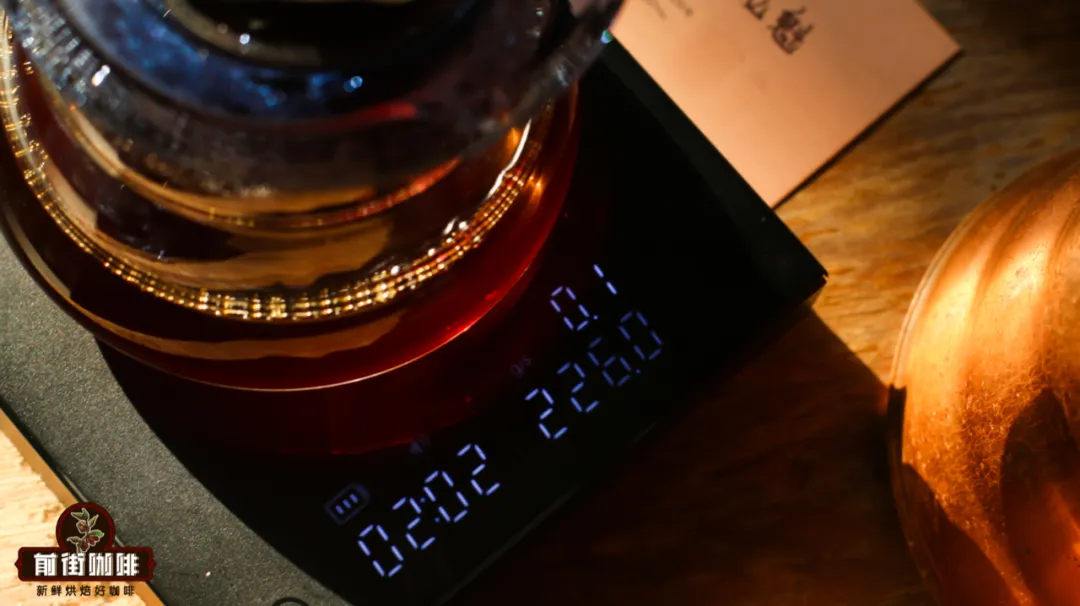
For example, when you fix the time at 2 minutes, what you need to regulate are the other parameters, such as water temperature and grind size. And if you do not plan to fix the time, then you can choose to change the dripper or use staged extraction to extend the extraction time and increase the extraction yield. Either way, it can improve extraction efficiency during brewing, increase the dissolved flavor substances, and make the coffee perform better. In other words, there are many solutions, and we do not need to obsess over a single parameter, whether time or any other parameter. When the brewed coffee's taste does not meet your expectations, we need to adjust promptly according to the taste, and only then can we better brew a delicious pot of coffee. - END -
The above content is compiled by CoffeeHunters, a coffee news website.


