







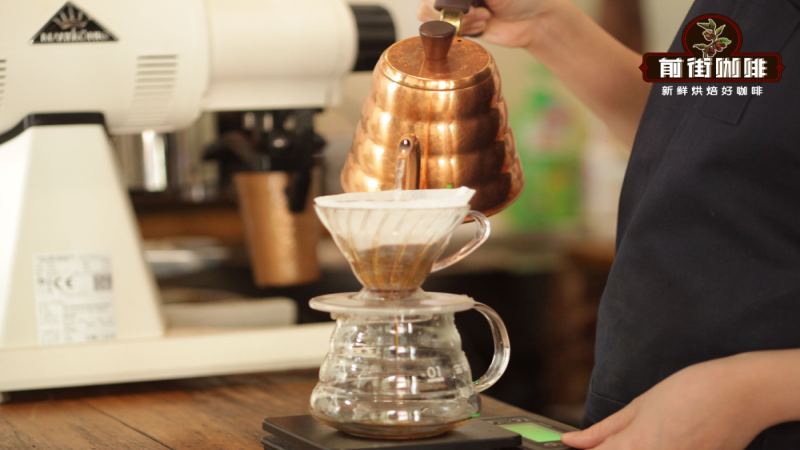
How Long Should Pour-Over Coffee Extraction Take?
Pour-over coffee extraction with an 01 dripper and 15 grams of grounds runs about 1 minute 50 seconds to 2 minutes 30 seconds. That window keeps the extraction yield near the 18% mark, where soluble flavor compounds dissolve in balance. Brew clearly under 2 minutes and the cup tends to taste weak and watery; brew far past 2 minutes and burnt bitterness and a puckering mouthfeel appear.
Time matters because hot water keeps dissolving material from the grounds. Around 2 minutes, extraction yield reaches roughly 18%, inside the 18% to 22% range the Golden Cup standard treats as ideal. After 5 minutes, over 80% of soluble substances are gone, equal to more than 24% of the bean weight. Grind size, dripper type, and pouring technique all change the flow rate, so adjust those to hold the timing steady.
How long should pour-over coffee be brewed to taste good? This is a question many enthusiasts agonize over repeatedly. Based on the 01 dripper and 15 grams of coffee grounds, this article gives the optimal extraction range of 1 minute 50 seconds to 2 minutes 30 seconds, and starting from the principles of coffee extraction, explains how time length affects the dissolution of flavor compounds, as well as what taste performances under-extraction and over-extraction each bring. At the same time, it sorts out the specific effects of three key variables—grind size, dripper type, and pouring technique—on the flow rate, helping you control time more consistently in daily brewing and make a balanced cup of good coffee.
What brewing time is more suitable for pour-over?
If you just want to quickly confirm whether there is a problem with your brewing rhythm, Front Street will directly give the conclusion here: based on the 01 dripper and 15 grams of coffee grounds, keeping the total time within the range of 1 minute 50 seconds to 2 minutes 30 seconds is a relatively ideal extraction time.
What we usually call brewing coffee is, in more professional terms, coffee extraction—using hot water as a medium to dissolve the flavor substances in coffee grounds. This process cannot happen without time. Generally speaking, the longer the extraction, the more substances are dissolved, but not all the components that can be extracted from coffee grounds are positive. Therefore, extraction time must be controlled.
Generally, in drip coffee, at around 2 minutes, the coffee grounds quickly release soluble substances, and the extraction yield can reach 18% (the Golden Cup standard considers 18% to 22% to be a relatively ideal range); after 5 minutes, more than 80% of the soluble substances will have been dissolved, equivalent to more than 24% of the coffee bean weight.
In other words: if we brew in the conventional way and the extraction time is clearly shorter than 2 minutes, the coffee is very likely to taste weak, have a thin body, and feel noticeably watery; if the extraction time is far longer than 2 minutes, it is prone to over-extraction, resulting in burnt bitterness and a puckering mouthfeel.
Therefore, locking the extraction time between 1 minute 50 seconds and 2 minutes 30 seconds will give a more ideal flavor performance. If you want to master coffee flavor skillfully, you need to at least understand several factors that affect time.
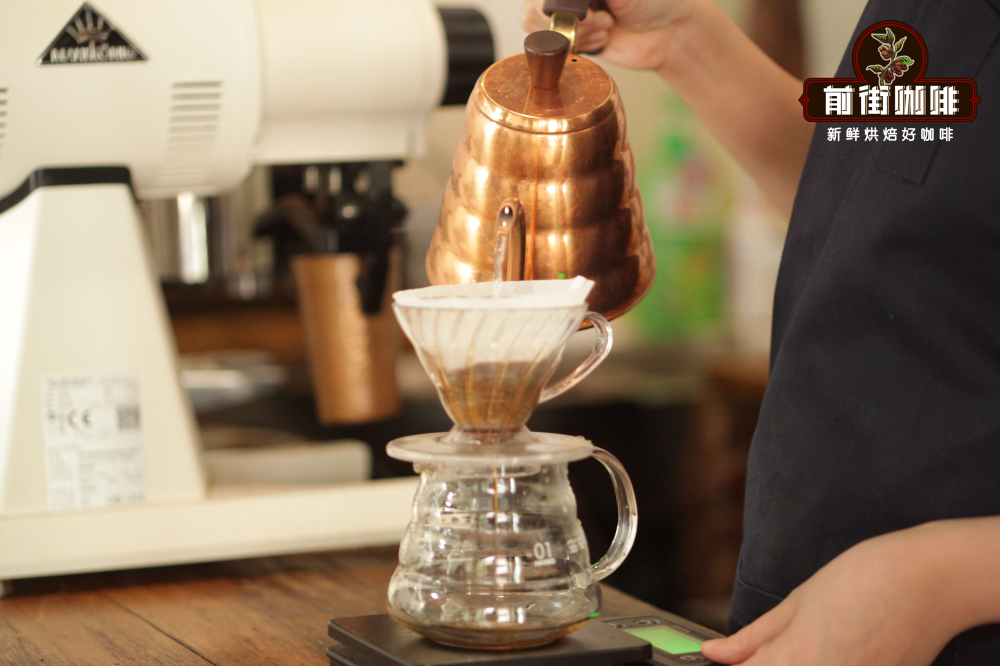
What factors affect coffee extraction time?
1. Coffee grind size. The coarseness of the grounds directly relates to the flow rate: coarse grounds flow faster, and the extraction time shortens accordingly; fine grounds flow more slowly, and the extraction time is extended. If you want to keep the time at around 2 minutes, Front Street recommends controlling the grind size at a 75% to 80% passing rate on a No. 20 sieve.
2. Dripper. Drippers with more drainage grooves, such as V60, Ice Eye, and Chuanliu, have a slightly faster flow rate; while Kono and wedge-shaped drippers flow relatively more slowly, with a difference of about 20 seconds between the two.
3. Pouring technique also affects extraction time, for example, pouring with a strong stream takes less time than pouring with a small stream.
Professional coffee knowledge exchange. For more coffee bean information, please follow Coffee Workshop (WeChat official account cafe_style). For more specialty coffee beans, please add the private WeChat Front Street Coffee (FrontStreet Coffee), WeChat ID: qjcoffeex
The above content is compiled by CoffeeHunters, a coffee news website.


