







Search Results for: hats

What Is Caffè Marocchino? A Look at the Italian Niche Chocolate Drink's Recipe and Flavor Profile
In the big family of fancy espresso drinks, there is a very niche yet highly storied beverage—Caffè Marocchino, often transliterated into Chinese as "玛罗奇诺咖啡," literally meaning "Moroccan coffee." Its combination of ingredients is actually quite familiar: espresso, milk foam, and chocolate sauce or cocoa powder. It sounds similar to a mocha, but the flavor and mouthfeel are completely different. This coffee was born in Italy, and the origin of its name is unexpectedly linked to the brown leather strips of the luxury hat brand Borsalino. This article will take you through the historical origins of Caffè Marocchino, its differences from mocha, and share Front Street Coffee's commonly used preparation method and tasting impressions, so you can easily recreate this layered Italian niche classic at home. [more…]
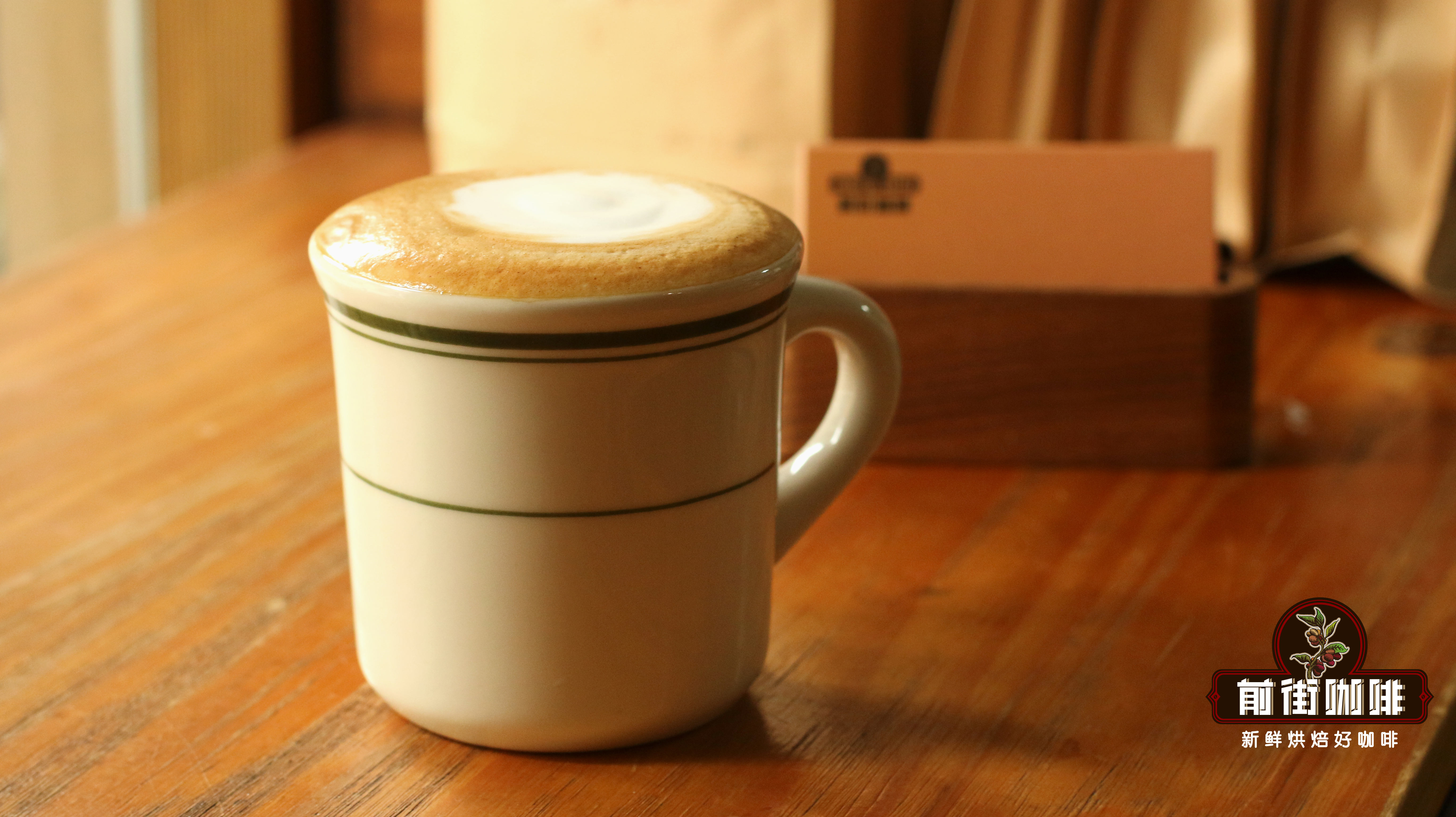
How Thick Should the Milk Foam Be for a Standard Cappuccino? Uncovering the Milk Foam Differences Between Cappuccino and Latte and Key Production Points
Many people cannot distinguish a cappuccino from a latte, especially nowadays when latte art is so popular that the two seem to look more and more alike. In fact, from the thickness of the milk foam to the logic of preparation, there is a clear dividing line between them. A cappuccino emphasizes preserving a ring of brown "coffee golden ring," and the milk foam needs to be whipped to about 1.5 cm thick to support a "hat" shape rising above the rim of the cup, which is why it is not suitable for latte art. A latte's milk foam, by contrast, is only about 1 cm thick and highly fluid, making it easy to blend and draw with. Starting from Front Street Coffee's production experience, this article sorts out the historical origins of the cappuccino, the standard for milk foam thickness, and the core differences from a latte, and gives complete operating steps from choosing a cup, extraction, and steaming milk to pouring, helping you make a qualified cup of cappuccino. [more…]
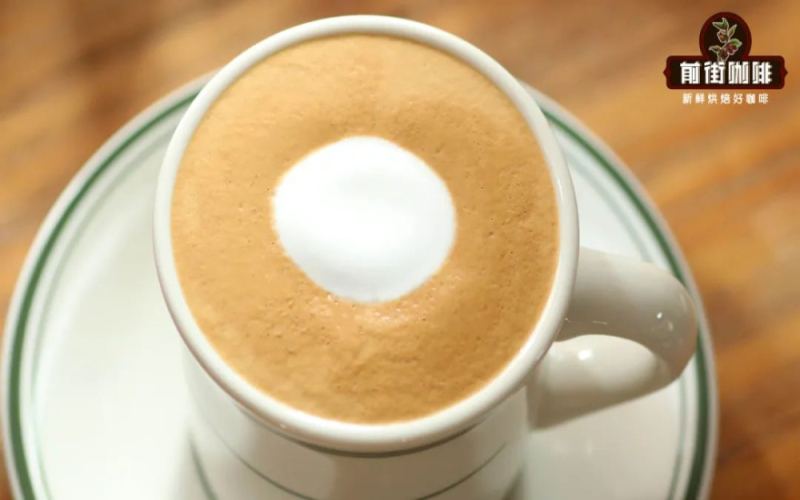
The Truth About Cappuccino Ratios: 1:1:1 Is Not the Standard—Milk Foam Thickness and the Golden Ring Are What Really Matter
Is the espresso, milk, and milk foam ratio in a cappuccino really 1:1:1? This widely circulated formula is actually not the WBC standard. Front Street Coffee once replicated and verified it, and found that the high proportion of coffee led to a strong, bitter taste and poor integration. Starting from the WBC competition rules, this article sorts out the origin of the cappuccino and the "coffee golden circle" tradition, explains why it is not suitable for latte art, and breaks down in detail the process of making a qualified cappuccino—from choosing a 180ml tulip cup and the extraction parameters for Front Street Coffee Sunflower Warm Sun coffee beans, to steaming refrigerated fresh milk into a 1.5cm thick milk foam and the pouring technique that protects the crema, helping you make an authentic cappuccino with milk foam rising above the cup rim without collapsing. [more…]
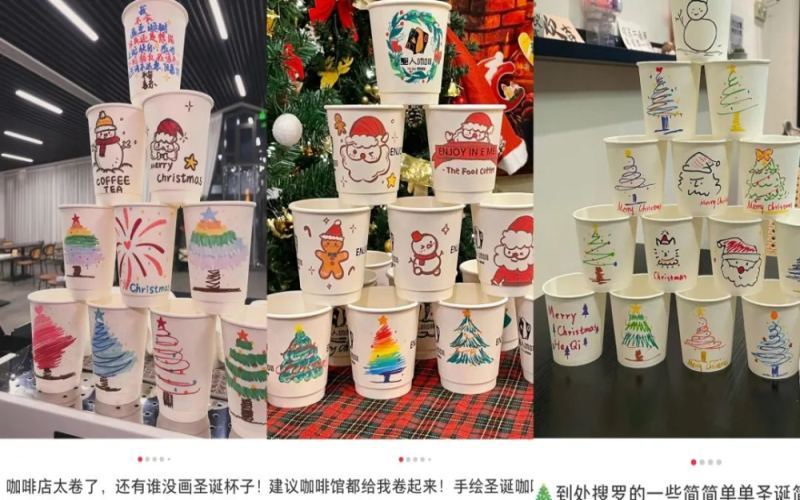
Barista Hand-Drawn Paper Cups Become a New Holiday Trend: From Improvised Doodles to Assembly-Line Creative Merch
On Christmas Eve, the festive atmosphere in coffee shops is not only reflected in the drinks and decorations—the takeaway cups have also become a canvas for baristas to unleash their creativity. From the initial casual sketches of Christmas trees and Santa hats to the later non-stop fancy doodles, hand-drawn Christmas cups have gradually spread throughout the independent coffee scene. Some draw on cups while making coffee, while others have turned doodling into an assembly-line operation to meet customer expectations. This low-cost, heartfelt holiday merchandise not only gives customers a unique keepsake but also allows baristas to find the joy of handmade craft amid their busy schedules. This article will take you through how this hand-drawn trend evolved from a fleeting whim into a Christmas season staple. [more…]
Why Isn't Cappuccino Served Iced? A Complete Interpretation from Its Naming Origins to the Golden Circle Tradition
Cappuccino is a classic of Italian coffee, but it has a characteristic that leaves many baristas rather helpless—it is only made hot. Why is there no iced cappuccino? Behind this lie both the historical origins of its naming and the finer points of its crafting. From the etymology of the Italian word "Cappuccino," to the inspiration drawn from the shape of the hoods worn by missionaries of the Catholic Franciscan order, to the "coffee golden ring" and the dense milk foam rising above the rim of the cup, every detail of cappuccino carries tradition. Front Street will guide you through the core characteristics of cappuccino, and why an iced cappuccino struggles to recreate the joy of that hot cup. [more…]

Should Cappuccino Have Latte Art? A Complete Analysis from Historical Origins to Preparation Details
Cappuccino is one of the most common milk coffees on café menus, yet its definition has always been evolving. From the "Kapuziner" of 18th-century Vienna to today's modern version topped with latte art, what changes has this classic drink undergone? Does an authentic cappuccino really need latte art? This article traces the origins of cappuccino, sorts out its evolution from coarse milk foam to dense microfoam, analyzes the origins of the traditional 1:1:1 ratio and the "golden ring," and explores how latte art has made cappuccino's milk foam thinner and thinner. At the same time, we will also consider: once a cup of coffee departs from these core features—a small cup size, filled to 11 parts, and thick milk foam—can it still be called a cappuccino? [more…]
The Standard Cappuccino Recipe and the Evolution of Milk Foam: From the 1:1:1 Ratio to the Golden Ring, Teaching You How to Taste It Correctly
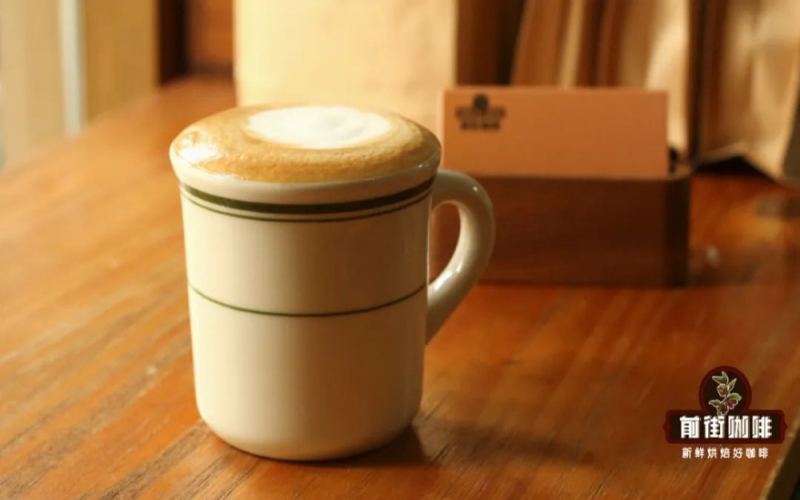
As a classic milk coffee, the cappuccino's definition and form have undergone centuries of evolution. From the Kapuziner of 18th-century Vienna to the modern version reshaped by Italians with espresso and steamed milk foam, the cappuccino's recipe, foam thickness, and drinking method have been constantly changing. The most widely circulated 1:1:1 ratio, the iconic golden ring, and the thin-foam trend brought about by latte art all reflect the shifting tides of coffee culture. This article will sort out the cappuccino's origins, old-school methods, and contemporary changes, and share Front Street Coffee's understanding of this classic drink, helping you gain a more comprehensive understanding of a qualified cappuccino. [more…]
Why Can't a Siphon Make a Cappuccino? A Detailed Guide to the Equipment Threshold and Standard Methods for Italian Milk Coffee
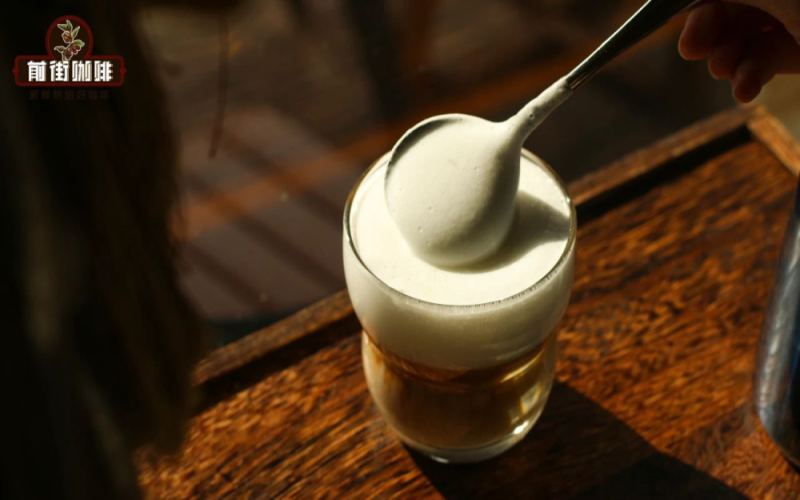
Cappuccino is famous for its rich and full-bodied taste, and behind this lies the espresso extracted by an Italian coffee machine and the delicate, dense milk foam. Although the siphon pot looks cool, it can only produce black coffee. It can neither achieve the concentration of espresso nor froth milk, so it has no place among fancy coffees such as cappuccino and latte. This article will discuss the origin of the name cappuccino, the choice of equipment, and the standard preparation process one by one, focusing on breaking down key steps such as espresso extraction, milk frothing, and milk foam pouring, and sharing Front Street Coffee's parameters and experience in actual production, helping coffee lovers recreate a cup of cappuccino with complete structure and distinct layers at home. [more…]

Xiangpiaopiao's Chengdu offline store uses a "tea-making boy band" to attract customers, and its brewing method and hygiene details spark consumer controversy.
The physical milk tea shop opened by Xiangpiaopiao on Chunxi Road in Chengdu has recently become a hot topic. The brand used a "tea-making boy band" as a selling point, recruiting male staff over 180 cm tall with good looks and charisma, and through social media voting selected 27 candidates, ultimately choosing 12 to work in the store. On opening day, long lines formed at the shop; the boy band members were responsible for packing orders and interacting with customers for photos, providing emotional value. However, some consumers pointed out that the drinks in the store are still mainly made by brewing tea bags and juice with hot water, which differs from mainstream freshly made tea beverages; the drink output efficiency is low, with wait times of up to half an hour, and photographers and other non-operational personnel were moving around the bar area taking photos without wearing masks or hats, raising questions about food hygiene. Xiangpiaopiao had previously used a similar strategy of highly attractive staff at a pop-up store by West Lake in Hangzhou, and this operation is seen as a continuation and upgrade of that marketing approach. [more…]
A Complete Guide to Colombian Coffee Regions' Climate and Green Bean Grades, with a Front Street Huila Everyday Brew Recipe
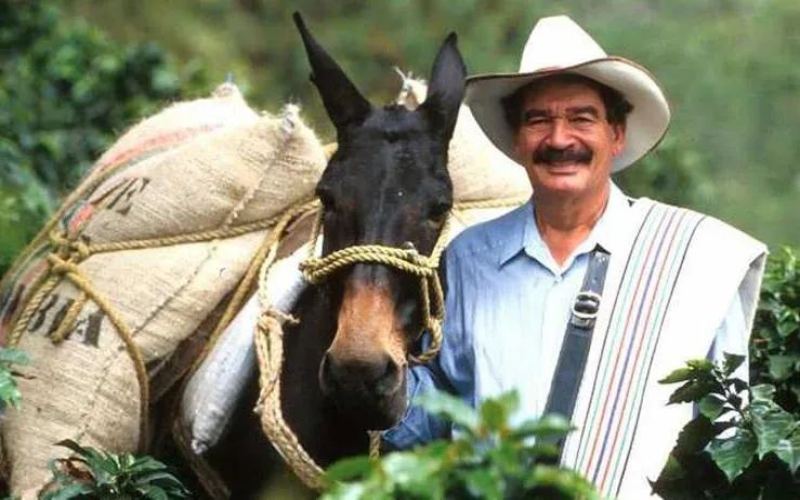
When people mention Colombian coffee, many picture that mustachioed farmer Juan Valdez in his straw hat. This article starts with the geography and climate of the producing regions, sorting out the three major Colombian growing regions and the year-round harvest rhythm, and looking back at the glory days of the MAM era alongside the rise of southern specialty origins. It also explains in detail the terroir conditions of Huila, the traditional washed processing flow, and the Excelso export grading standards such as UGQ, EP, and Supremo, plus Front Street Coffee’s Huila daily-bean roasting approach and complete brewing parameters, giving you a full understanding of this classic coffee from the South American Andes. [more…]
How to Choose Colombian Coffee Beans? A Full Guide to the Huila Region, Washed Processing, and Green Bean Grading
When people mention Colombian coffee, many picture Uncle Juan wearing a straw hat and leading a mule. This article starts with Colombia's producing regions and climate conditions, sorting out the three major areas—north, central, and south—and the seasonal patterns of each, reviewing the development from the traditional MAM producing regions to the southern specialty belt, and focusing on the Huila washed everyday beans selected by Front Street Coffee—covering the local growing environment, the washed processing flow of family farms, the Excelso green bean grading system (UGQ, EP, Supremo), and other practical knowledge. Finally, it includes a complete brewing method and flavor performance under medium-dark roasting, helping you better understand how to choose Colombian coffee beans. [more…]
What Does Colombian Juan Díaz Coffee Taste Like? Front Street Analyzes the Classic Brand and Huila Everyday Beans
When it comes to Colombian coffee, many people picture Uncle Juan wearing a straw hat and leading a mule—an iconic image that has long been the calling card of Colombian coffee to the world. Colombia's coffee-growing regions stretch across the Andes, divided from south to north into three major zones, and the diversity of climate and altitude means coffee cherries ripen almost year-round. In the last century, the "MAM" trio was the most famous, but with the rise of the specialty coffee wave, southern regions such as Huila, Cauca, and Nariño have repeatedly won Cup of Excellence awards thanks to their high altitudes and refined processing methods. After multiple cupping sessions, Front Street Coffee chose a washed bean from the Huila region as the flagship representative of Colombia, offering it in small packaging so enthusiasts can easily experience the classic flavor. This article will introduce the origins of the Uncle Juan logo, the logic behind Colombia's regional classification, and Front Street Coffee's brewing recommendations and flavor profile for its Huila everyday-drinking bean. [more…]
From Juan Valdez to Coffee Chains: The History, Challenges, and Transformation of Colombia's Coffee Industry
Colombian coffee is renowned worldwide for its mild, low-caffeine Arabica varieties, and the image of Juan Valdez—wearing a wide-brimmed straw hat and leading a donkey—is deeply ingrained in people's minds. From the founding of the National Federation of Coffee Growers in 1927, to the creation of the classic brand ambassador by an advertising agency in 1959, to the opening of Juan Valdez cafés in the 21st century to compete directly with Starbucks, the Colombian coffee industry has walked a path of transformation from passive reliance on the futures market to actively building its own brand. This article traces the origins and development of the Juan Valdez brand, analyzes the impact of international coffee price fluctuations on coffee farmers, and ventures deep into the mountains of Huila Department to document the real lives and aspirations of organic growers. It also examines the potential and challenges of Colombian coffee in emerging markets such as China. [more…]
Can You Make an Iced Cappuccino? A Homemade Guide to Summer Iced Milk Foam Coffee and Its Flavor Explained
As soon as the Major Heat solar term arrives, the sun's enthusiasm grows even stronger. At times like this, if you can hold a cup of iced coffee in your hands, most of the summer heat melts away. What Front Street Coffee wants to talk about this time is exactly whether cappuccino can be made as an iced drink. The answer is yes, and the process is not complicated—you can do it at home with simple equipment. Below, we will first sort out the origin of the cappuccino name and its traditional ratio, then explain step by step how to use a French press to froth cold milk foam, extract espresso, and complete the assembly. Finally, we will share the dense mouthfeel and the liqueur-chocolate-like flavor layers of this iced cappuccino on the palate, so coffee lovers can easily recreate it even in midsummer. [more…]
How to Make an Iced Cappuccino? From the Origin of the Name to Choosing Espresso Beans, a Clear Explanation of the Ins and Outs of Iced Milk Coffee
After the start of Major Heat, the temperature rises day by day, and at times like this, having a glass of iced coffee in hand instantly dispels much of the summer heat. This time, Front Street Coffee wants to talk about an iced cappuccino you can make at home: first tracing the evolution of the name cappuccino from Italian to the coffee cup, then breaking down the complete process for making an iced cappuccino, including the espresso extraction parameters, the method for frothing cold milk foam, and the order in which milk, coffee, and milk foam are combined. Next, it will explain the flavor direction of this iced drink after it enters the mouth, and recommend the Sunflower Warm Sun blend beans used by Front Street Coffee for testing, giving coffee lovers who want to try making it themselves a basis to follow. [more…]
Cappuccino Milk Foam Thickness Standards and Texturing Analysis: From Classic Recipe to Modern Evolution
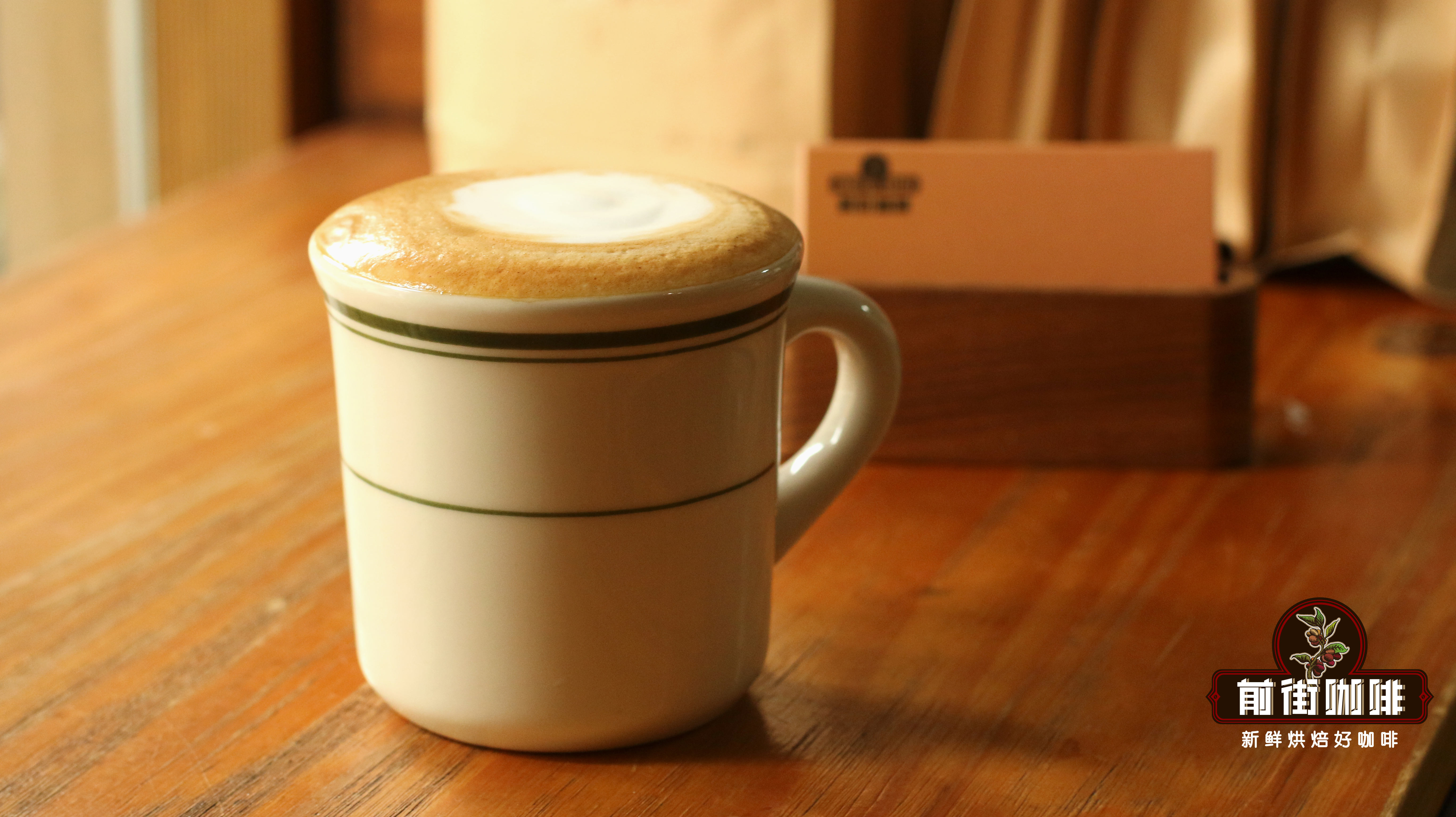
As a representative of Italian milk coffee, the thickness and degree of frothing of cappuccino's milk foam have always been a core concern for coffee enthusiasts. Starting from the classic 1:1:1 recipe, this article traces the evolution of cappuccino across different historical periods, analyzes the reasons behind the change in milk foam thickness from 2.5cm to 1-2cm, and explores the influence of latte art culture on the form of takeaway cappuccino. At the same time, drawing on the practical experience of Front Street Coffee, it explains how a small cup size, filling to 11 parts, a rich coffee flavor, and dense milk foam together constitute the essential characteristics of cappuccino, helping readers understand the positioning and identification methods of this classic beverage in the modern coffee environment. [more…]
Types of Espresso Drinks | What's the difference between Americano, Latte, and Cappuccino, and which one tastes better?
For more specialty coffee knowledge, please follow: Front Street Coffee (Frontsteet Coffee). A friend complained to Front Street that when they go to a coffee shop, they can't understand the coffee menu—they recognize all the words, but when put together they have no idea what it means. Front Street took a look and realized the friend was referring to [more…]

Tracing the Origins of Espresso Drink Names: An Analysis of the Origins of Espresso, Americano, Latte, Cappuccino, and Mocha
Behind every classic espresso drink lies an interesting piece of history. Why is Espresso called "fast"? Was Americano really invented by American soldiers? Is latte originally just milk in Italian? Does cappuccino really get its name from a monk's robe? And mocha—does it refer to a port, a coffee bean, or that chocolate-flavored drink? In this article, Front Street Coffee walks you through the naming logic and historical origins of these common espresso drinks, from the espresso machines of the early twentieth century, to the U.S. military cafés of World War II, to the arrival of caramel macchiato in the 1990s, explaining the stories behind the names all at once. [more…]
What's the difference between a macchiato, a latte, and a cappuccino? From milk ratios to how to make a caramel macchiato, explained in one go
Although they are all espresso with milk, macchiato, latte, and cappuccino present distinctly different flavors and mouthfeels. Many people can tell espresso and cappuccino apart, yet cannot clearly explain what a macchiato actually is. Starting from the original Italian meaning of "Macchiato," this article sorts out the differences between espresso macchiato, caramel macchiato, and authentic cappuccino, and explains in detail the steps for making caramel macchiato, the ingredient ratios, and the key points of steaming milk foam, while also introducing the application of the Front Street Coffee espresso bean series in it, helping coffee lovers make a cup of milk coffee with clear layers at home. [more…]

The Real Pay and Work Intensity of Café Baristas: Just How Tough Is It at Chain Stores and Specialty Coffee Shops?
Many people hold a romanticized image of the barista profession—in a warm little shop bathed in sunlight, with smooth jazz playing, brewing fragrant pour-over coffee and creating exquisite latte art. However, the real life of a barista is far less cozy. Whether at a chain coffee shop or an independent specialty café, baristas often wear many hats: making coffee, cleaning, greeting customers, and even helping prepare new store openings and design the bar area. Wages are generally low, while the work intensity is considerable. This article restores the true face of the barista profession from multiple angles—skill requirements, customer types, job duties, and career development—to help those considering entering the field think rationally about their choices. [more…]