







For more specialty coffee knowledge, please follow: Front Street Coffee (Frontsteet Coffee)
Some friends complained to Front Street that when they go to a coffee shop, they can't understand the coffee menu. They recognize all the words, but when put together, they have no idea what they mean. Front Street took a look and realized that they were referring to the Americano, Latte, and Cappuccino that often appear on coffee shop menus. Taking this opportunity, Front Street will explain what these coffees actually are!
Americano
Americano is, well, Americano—the coffee that Americans are accustomed to drinking. Understanding it from this angle makes it easy to know what it is. In the past, Americans generally preferred drip-style light coffee. For example, when we watch American TV shows, we see a drip coffee machine in the office pantry, with a heating and warming function. You put coffee grounds in, press the start button, and it automatically brews, dripping out coffee liquid. When someone needs some, they pull out the carafe and pour it into a cup, then continue brewing, so the coffee gets lighter and lighter. But Americans at the time didn't care at all—what they needed more was a cup of caffeinated water.
Some also used a Chemex coffee maker to brew coffee, which also falls into the drip coffee category, with the common trait of being light. In contrast, Europeans, led by Italians, generally drank strong coffee. In the later stages of World War II, after the U.S. military landed in Italy, they couldn't get used to espresso during their stationing, so they added water to dilute it. Later, Italian immigrants brought espresso to America, and to cater to American tastes, they made it light and in large cups, which became Americano.
So, the Americano we see on coffee shop menus is made by adding water to espresso, with a coffee-to-water ratio generally between 1:5 and 1:8.

Latte
Latte is actually a general term for milk coffee. The word "Latte" comes from Italian, and "Latte" means milk. If you order a latte in an Italian coffee shop, the waiter will bring you a cup of milk. If you want latte coffee, you should say "Coffee Latte."
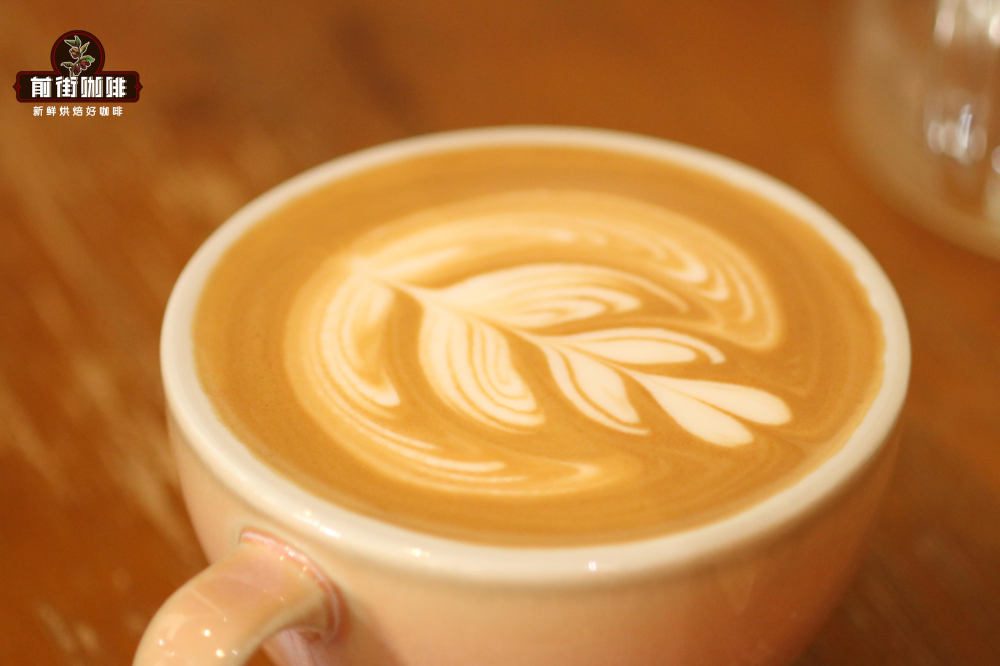
Originally, latte didn't have milk foam—it was just a simple mixture of milk and espresso. With the steam wand on espresso machines for heating milk, baristas inevitably created some milk foam when heating the milk. Later, the emergence of latte art turned latte into a composition of thin milk foam, milk, and espresso.
Cappuccino
Cappuccino existed even before the modern espresso machine appeared, with the earliest written record in the 1930s. The name "Cappuccino" comes from the fact that the coffee's surface has a ring of white milk foam in the middle surrounded by a ring of brownish-yellow crema, resembling a top-down view of a Franciscan friar wearing a religious robe, and that robe is called "Capuchin."

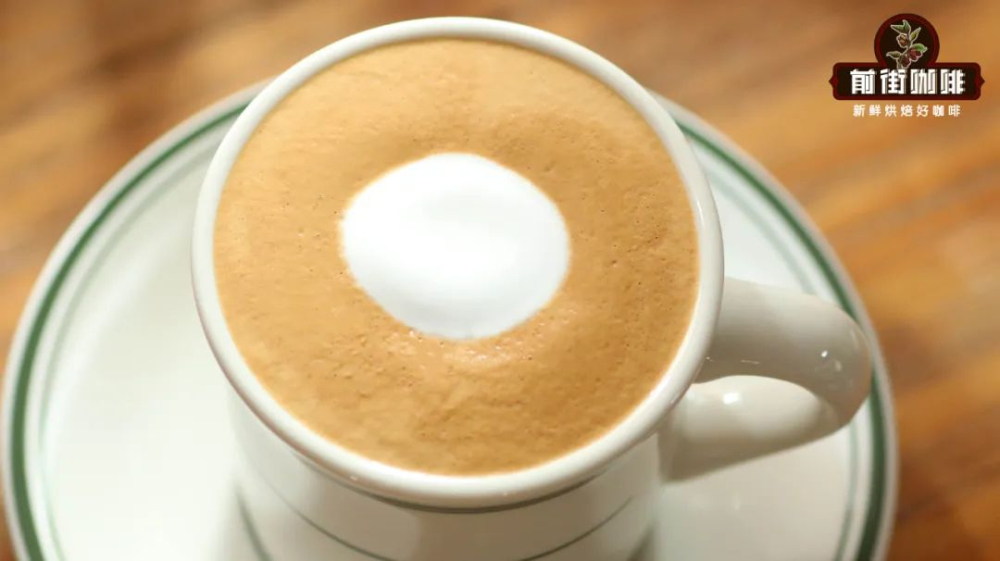
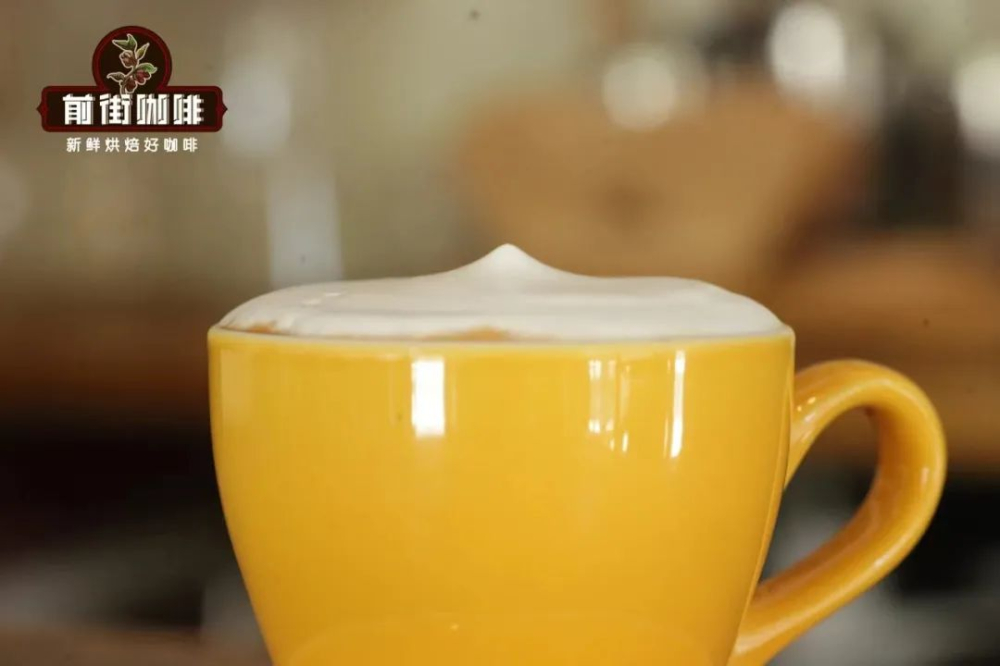

Front Street will briefly describe the differences between Americano, Latte, and Cappuccino.
In terms of structure, Americano = espresso + water
Latte = espresso + milk + thin milk foam
Cappuccino = espresso + milk + thick milk foam
In terms of type, Americano is a black coffee, while Latte and Cappuccino are milk coffees.
For taste and flavor, it depends on the coffee beans used. Here, Front Street's classic espresso blend is used for comparison. Americano goes from rich with a slight bitterness to gradually becoming lighter. Latte shows a chocolate milkshake-like sweet taste and coffee body, like a cup of coffee-flavored milk. Cappuccino presents a dense mouthfeel, like taking a bite of coffee-flavored marshmallow, and with the milk as a backdrop, it highlights the coffee aroma even more when drinking.

So what are the specific methods for making these coffees?
Whether making a latte, an Americano, or a cappuccino, it can't escape one thing: espresso. Every shop uses different espresso beans and extraction methods, so the flavor performance will vary. Taking Front Street's store output as an example:
The espresso beans used at Front Street's store are Front Street's sunflower warm sun blend coffee beans, developed with flavor as the priority, made from a blend of Yirgacheffe Red Cherry and Honduras Sherry Barrel coffee beans. It has the aroma of sherry, with flavors of chocolate, vanilla cream, and sherry. Whether as espresso itself, or made into Americano or milk coffee, the taste performs excellently. Suitable for those who pursue coffee flavor.

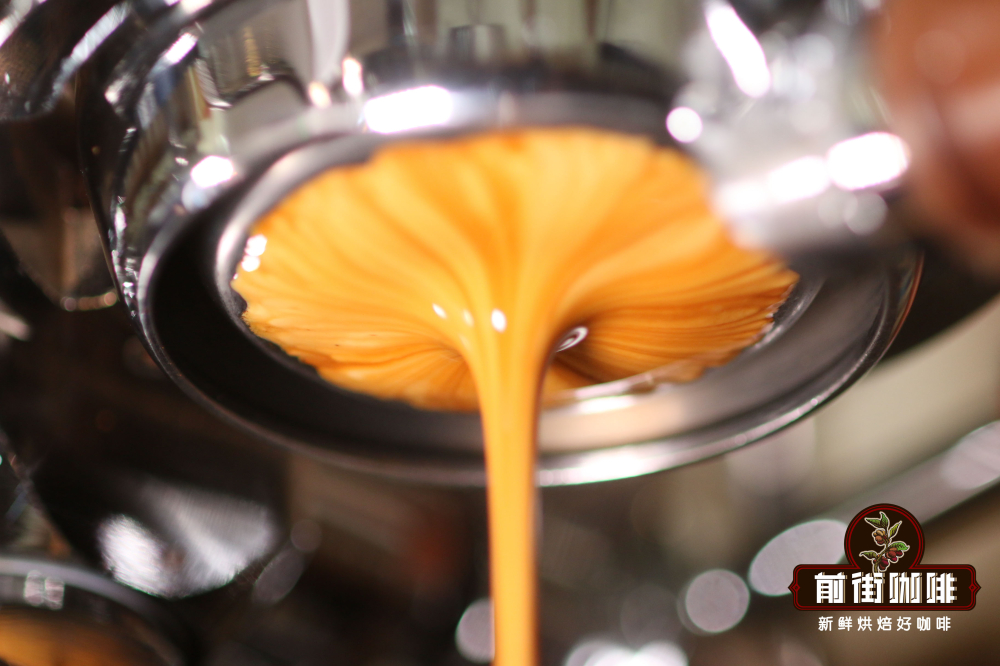
Front Street's espresso extraction plan is 20 grams of coffee grounds extracting 40 grams of espresso liquid, with a grounds-to-liquid ratio of 1:2, and a time of 30 seconds.
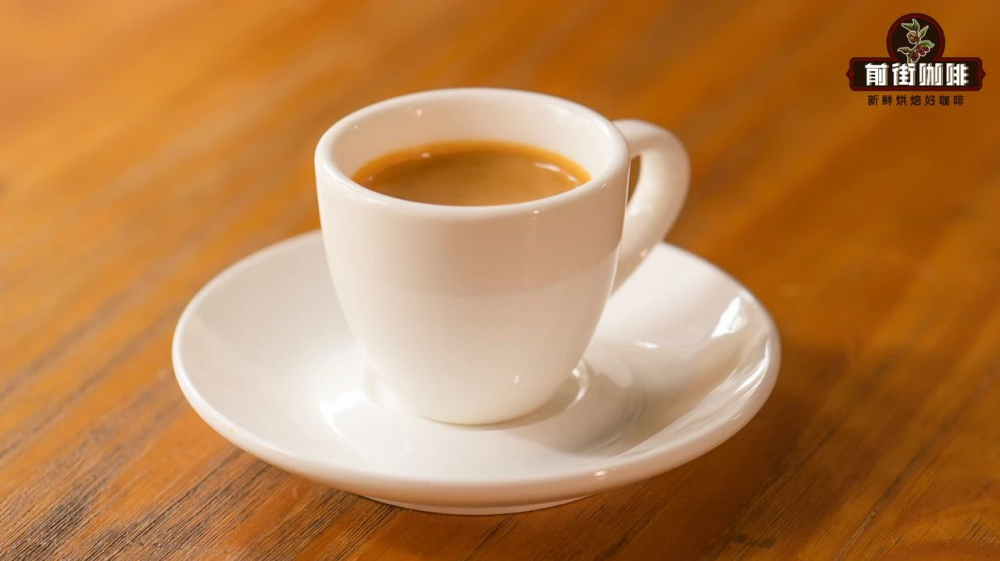
Front Street's Americano method is 40 grams of coffee liquid plus 180 milliliters of water, making a 220-milliliter cup of Americano.

Front Street's Latte method is 40 grams of coffee liquid plus 210 milliliters of hot milk (thin milk foam), combined with latte art to make a 250-milliliter cup of Latte.
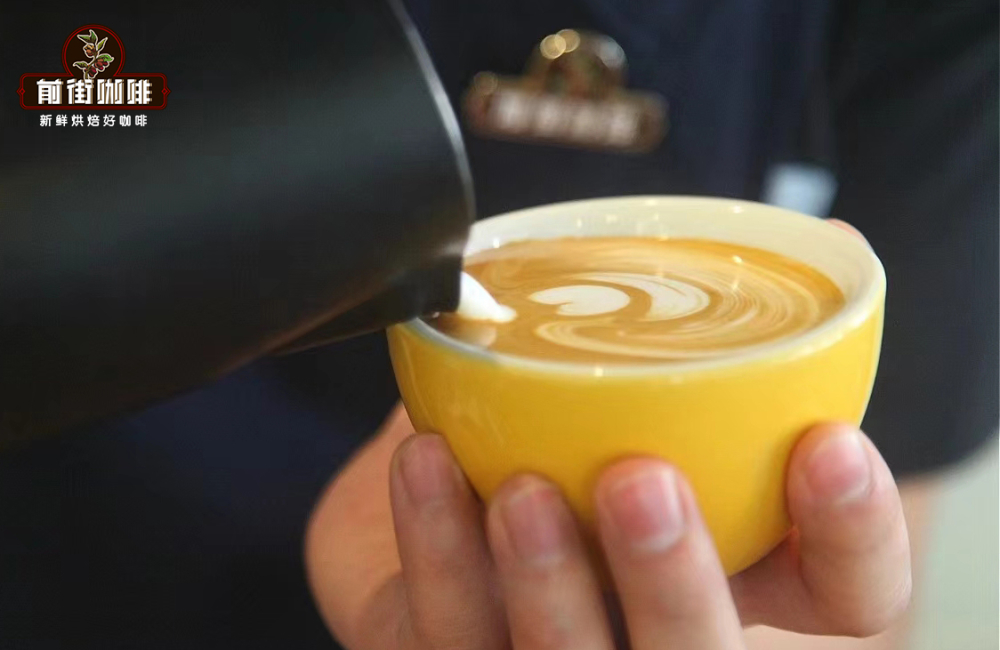
Front Street's Cappuccino method is 40 grams of coffee liquid plus 150 milliliters of hot milk (thick milk foam), making a cup of Cappuccino filled to 11/10.

The above content is compiled by CoffeeHunters, a coffee news website.

