







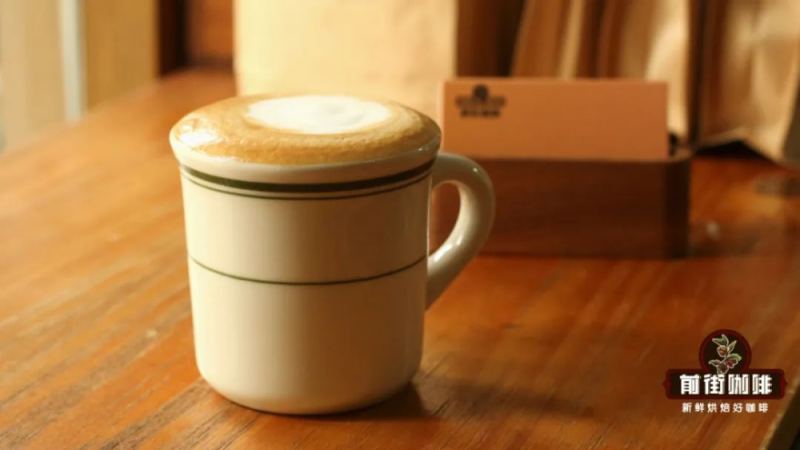
Why is it called cappuccino and how did the recipe change?
The name cappuccino comes from Kapuziner, German for monk, a coffee drink said to have started in 18th-century Vienna coffee houses. A Polish man named Kulczycki filtered out the grounds with a cloth bag and added honey, spices, and cream, giving the drink a reddish-brown color that resembled the robes of the Capuchin friars, so the Viennese used that name.
When the drink reached Italy, pressurized espresso machines let baristas swap cream for steamed milk foam and shape a peaked hat on top. The widely circulated 1:1:1 ratio of espresso, steamed milk, and foam reflects one point in that evolution, while the modern thin-foam trend driven by latte art shows the cappuccino is still shifting.
As a classic milk coffee, the cappuccino's definition and form have undergone centuries of evolution. From the Kapuziner of 18th-century Vienna to the modern version reshaped by Italians using espresso and steamed milk foam, the cappuccino's recipe, foam thickness, and drinking method have constantly changed. The most widely circulated 1:1:1 ratio, the iconic golden ring, and the thin-foam trend brought about by latte art all reflect the shifting tides of coffee culture. This article will trace the origins of the cappuccino, its old-school preparation, and contemporary changes, and share Front Street Coffee's understanding of this classic beverage, helping you gain a more comprehensive appreciation of a proper cappuccino.
Cappuccino is an indispensable milk coffee on the menus of countless cafés. Along with the evolution and shifting trends of global coffee culture, the concept of the cappuccino has always been in flux, and the appearance of this classic beverage has changed markedly as a result.
How did the cappuccino originally come about?
In fact, it is now difficult to verify who actually created the cappuccino. But a review of the literature shows that the word "Cappuccino" derives from "Kapuziner," which in German means "monk" and also refers to an old-style coffee beverage.
It is said that this drink originated in the coffee houses of 18th-century Vienna. At that time, coffee was consumed grounds and all, and to improve the taste, a Polish man named Kulczycki filtered out the grounds using a cloth bag, then poured the coffee into a glass and added honey, spices, and cream. This not only made the coffee easier to drink but also gave it a distinctive reddish-brown color that visually resembled the robes worn by the friars of the Order of Capuchin Friars Minor, so the Viennese called it "Kapuziner."
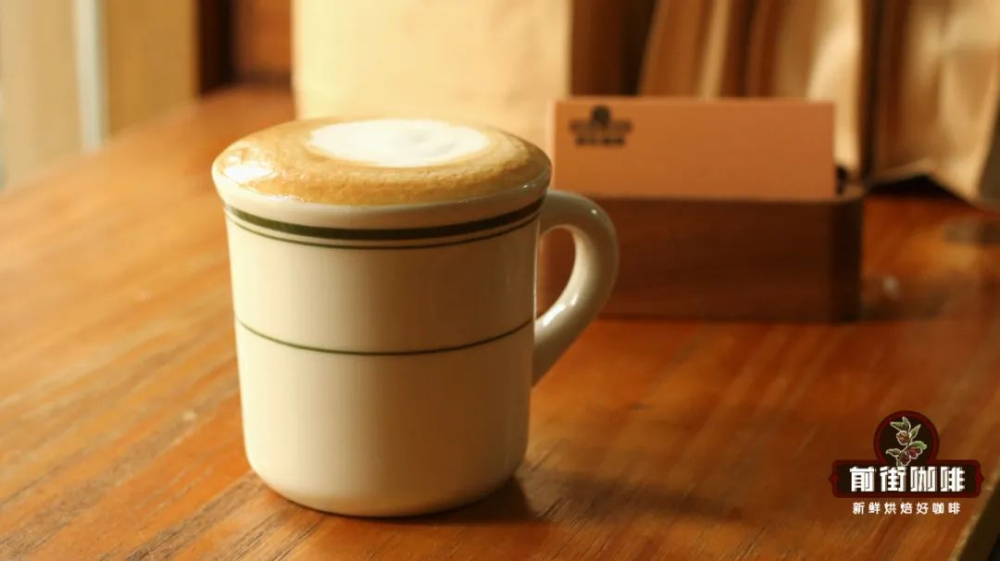
When it spread to Italy, and with advances in pressurized espresso machine technology, Italians began using espresso as the base, replacing cream with milk whipped into fine foam, then using a spoon to shape the foam on the surface of the coffee into a peaked-hat form. Over time, it acquired its own Italian name—what we now know as Cappuccino. Another theory holds that it actually comes from the word for the religious habit, "Capuchin." As for its "predecessor," Kapuziner, people are more accustomed to calling it Viennese Coffee.
What did the old-school cappuccino look like?
Regarding the preparation of cappuccino, the most widely circulated saying is that the ratio of coffee, milk, and milk foam is 1:1:1. Taking a 6-ounce (about 177ml) coffee cup as an example, that means a double Espresso (60ml), one-third hot milk (60ml), and the remaining third as foam. The foam produced this way is about 2.5cm thick; the first two sips are almost entirely foam, while the coffee at the bottom tastes very strong.
In the era before steam wands existed, the only way to get milk foam was to whip it by hand, and the foam produced was rather coarse. At that time, making a cappuccino involved first spooning the whipped thick foam into the cup until the cup was filled to 11 parts full; the layer of foam lifted off the spoon would even form a small white peaked hat. At this point the milk foam had the form of meringue and was very stable, but it had not fully blended with the coffee.
The cappuccino's "golden ring"
With the arrival of more powerful espresso machines, the method of using steam to whip milk foam also emerged. The steam wand could not only produce fine, rich milk foam, greatly improving efficiency in production, but also eliminate the step of scraping foam with a spoon. This is why later cappuccinos no longer had a "small peaked hat," replaced instead by a smooth, domed round "hump."
From that time on, a small cup size, domed milk foam, intense coffee flavor, and the thick, dense mouthfeel brought by thick foam became the characteristics people associated with cappuccino. But precisely because this thick layer of foam reduced the fluidity of the steamed milk, making it difficult to create gorgeous latte art patterns like a latte, some baristas adopted a central-pour method, gently dropping the milk foam into the Espresso, thereby forming the iconic "golden ring."
Latte art has made cappuccino's milk foam thinner
Today, with the popularity of latte art, baristas are eager to draw beautiful patterns on every cup of milk coffee, and cappuccino is no exception. In order to present even simple decorative patterns, baristas consciously reduce the amount of air incorporated when steaming milk foam, making the foam thinner to improve fluidity.
In addition, considering that an overfilled cup is prone to spilling, some coffee shops offering takeaway will also deliberately diminish the domed, brimming effect of the milk foam, thus losing the form that rises to 11 parts full.
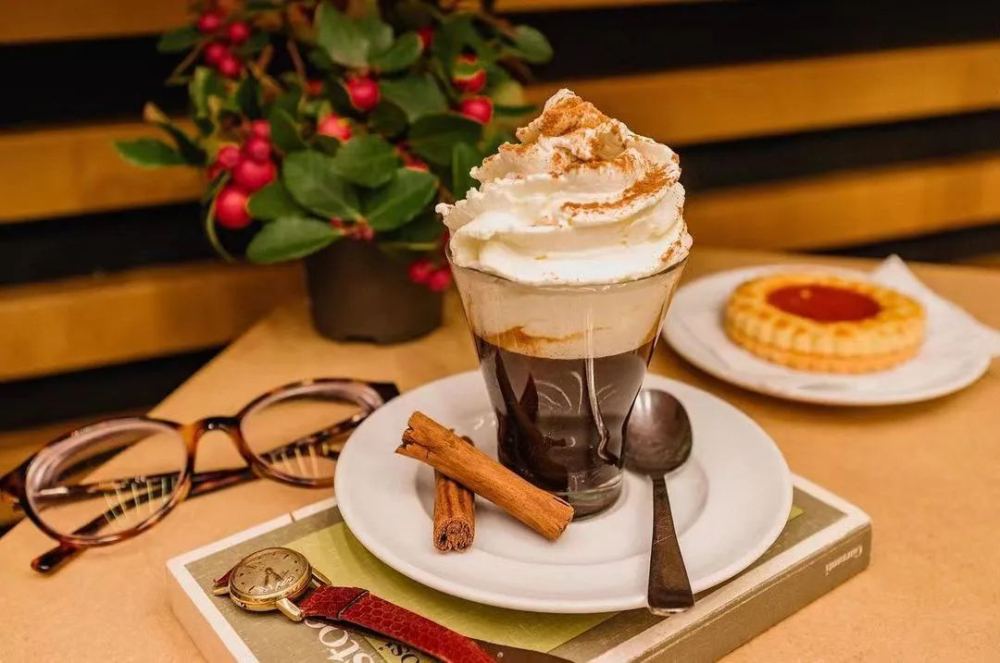
Of course, Front Street Coffee believes that the so-called classic cappuccino does not mean unconditionally replicating the old recipes. In fact, with changes in coffee bean quality, roast level, extraction equipment, public taste, and other factors, the cappuccino has always changed along with the trends. But if these changes depart from the characteristics of "small cup size, filled to 11 parts full, intense coffee flavor, and the full, dense mouthfeel brought by thick milk foam," then it may no longer be a cup of "cappuccino."
- END -
The above content is compiled by CoffeeHunters, a coffee news website.


