







What Is the Cappuccino Name Origin and Why Does Gear Matter?
Cappuccino needs two things a siphon cannot deliver: concentrated espresso extracted under pressure and dense frothed milk. The cappuccino name origin traces to the Italian word cappuccio, meaning hood, linked to the Capuchin order whose brown robes and hoods resembled the drink's color. The siphon only brews black coffee at lower concentration.
Making one at home requires an Italian-style coffee machine that reaches espresso pressure plus a steam wand or frothing tool for chilled fresh milk. Learn how to make coffee from coffee machine equipment by pulling a short, concentrated shot first, then texturing milk and pouring it to keep distinct layers. Darker roasts, such as Golden Mandheling, balance milk sweetness well.
Cappuccino is known for its rich and mellow taste, which is inseparable from the espresso extracted by an Italian coffee machine and the delicate, dense milk foam. Although the siphon pot looks cool, it can only produce black coffee, neither reaching the concentration of espresso nor having the ability to froth milk, so it has no connection with fancy coffees like cappuccino and latte. This article will unfold one by one around the origin of the name cappuccino, the choice of equipment, and the standard production process, focusing on breaking down key steps such as espresso extraction, milk frothing, and milk foam pouring, and sharing Front Street Coffee's parameters and experience in actual production, to help coffee lovers recreate a cup of cappuccino with complete structure and distinct layers at home.
For more specialty coffee knowledge, please follow the WeChat public account: Front Street Coffee (FrontStreet Coffee)
Cappuccino belongs to the category of fancy coffee, with a rich taste at the entrance, combining the sweet aroma of milk while retaining the robustness of coffee. This flavor comes from two elements: espresso extracted under high pressure by an Italian coffee machine, and fluffy, delicate milk foam made from frothed chilled fresh milk. After the two are fully mixed, the iconic rich and mellow experience of cappuccino is formed.
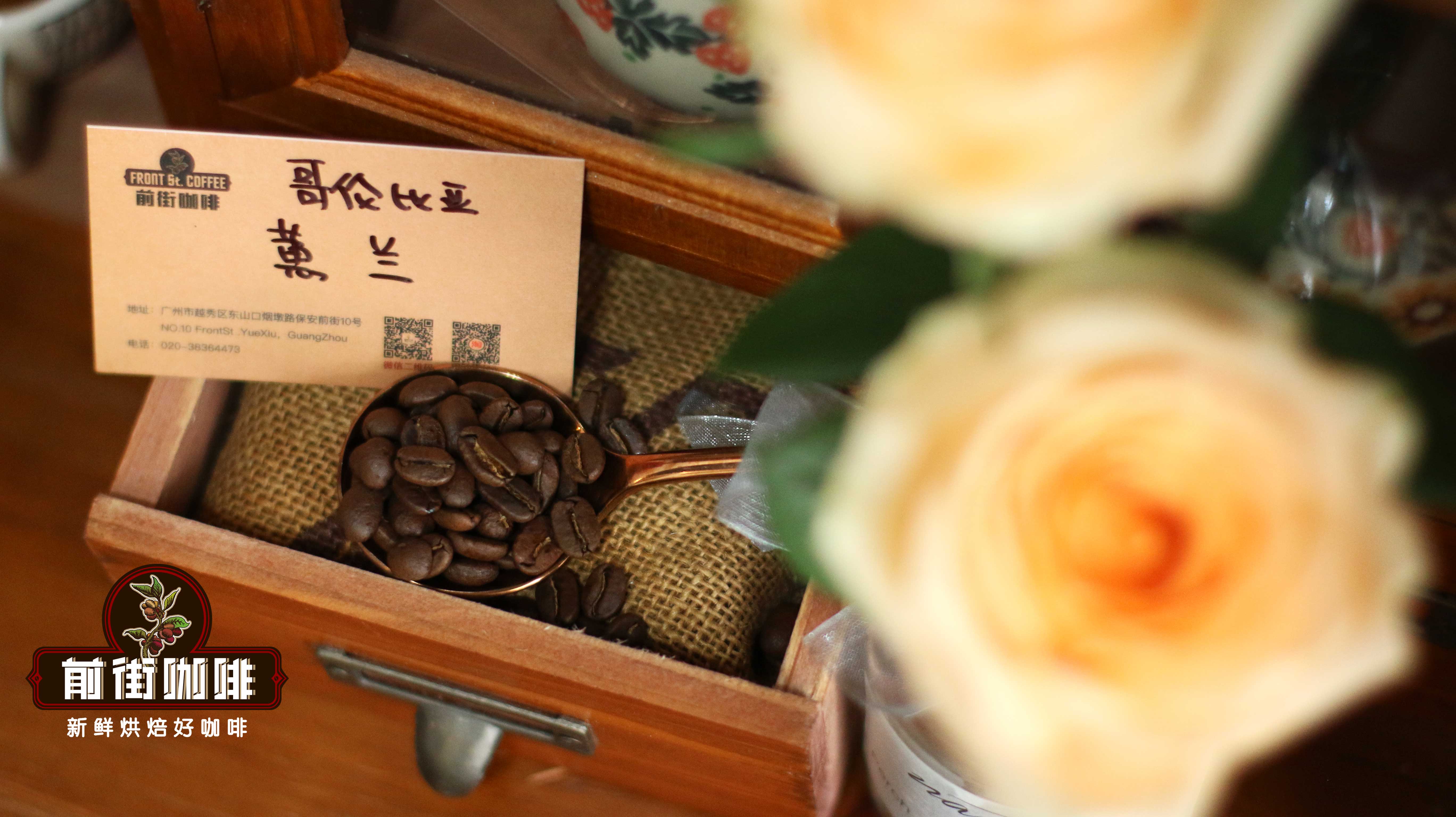
Although the siphon pot looks quite eye-catching, limited by the principle of the equipment, it can only make black coffee, and its concentration and richness cannot reach the level of an Italian coffee machine, let alone the function of frothing milk. So fancy coffees like cappuccino and latte cannot be made with a siphon pot. If you really want to use a siphon pot to make a latte-like direction, Front Street suggests choosing beans with a darker roast level, such as Front Street Golden Mandheling, Front Street Huilan, and Front Street Queen's Estate, first extracting a higher-concentration black coffee, then adding an appropriate amount of milk according to personal taste, using the milk aroma to balance the bitterness.
Cappuccino is the Chinese transliteration of "Cappuccino." This word comes from the Italian "Cappuccio," which originally means hood. As a coffee name, it is related to the local Capuchin order.
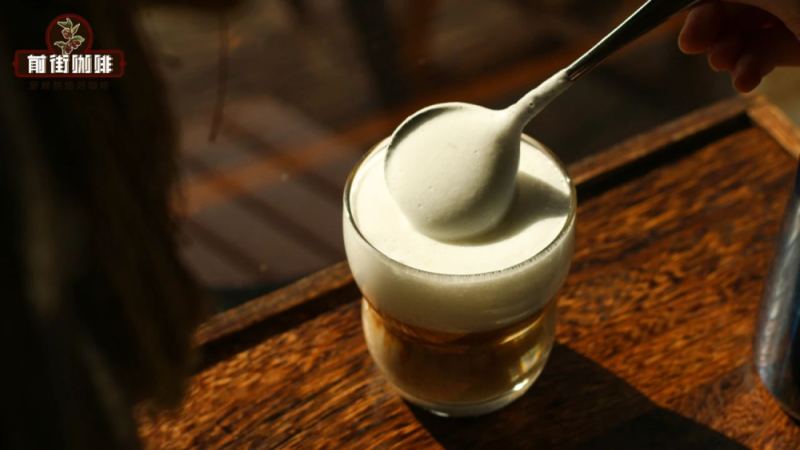
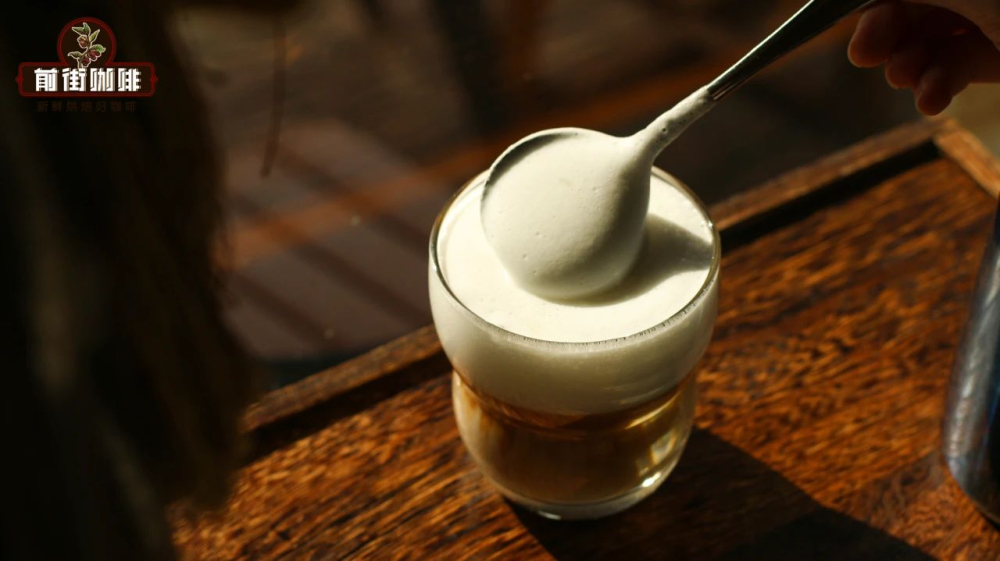
When the order went to Italy to preach, its members wore dark brown robes and hoods folded into the shape of small pointed hats. Italians drew inspiration from this, frothing milk into a dense and stable foam and pouring it into espresso. Then a ring of brown close to the color of the robes appeared in the cup, and then a spoon was used to shape the surface milk foam into the form of a pointed hat. Because Capuchin and Cappucci are pronounced similarly, Italians, while keeping the pronunciation rhythm unchanged, inserted n into Cappuccio, and finally used Cappuccino to name this milk coffee.
How is a standard cappuccino made?
When making cappuccino, Front Street uses a 180ml tulip coffee cup. Compared with a round-bottomed cup, the tall cup shape that is narrow at the bottom and wide at the top better highlights the outline of cappuccino's "hat."
/ Espresso Extraction
Front Street Coffee (FrontStreet Coffee) uses a sunflower warm sun coffee bean blend made from sherry barrels and sun-dried Yirgacheffe to produce espresso. To make a single espresso for cappuccino, the extraction plan is 20g of coffee powder extracting 35g of coffee liquid divided into two portions, with an extraction time of 27 seconds. (You can also directly make a single espresso. Front Street's extraction parameters are 12g of coffee powder extracting 30g of coffee liquid, with an extraction time of 23 seconds.)
/ Use Chilled Fresh Milk
Fresh milk can more completely retain the protein and milk fat in milk. Protein is the key to forming milk foam, while milk fat can further stabilize the milk foam, slow down the rupture rate, and at the same time add a rich mouthfeel to the coffee.
/ Frothing the Milk
Choose a small milk pitcher and pour in 150ml of chilled fresh milk. Before the steam wand enters the milk pitcher, release steam first to expel the condensed steam water in the steam holes. Place the steam wand 1cm below the milk surface and turn on the steam switch. After turning it on, the contact between steam and the milk surface will make a squeaking sound. This step is called aeration, and it is the step that forms milk foam.
The longer the aeration time, the thicker the milk foam! The milk foam thickness for making cappuccino is 1.5cm, so when frothing milk, stop aeration after hearing 6-7 squeaks, and adjust the milk pitcher to a 45-degree angle to create a vortex that rolls away large bubbles (at this time it no longer makes a squeaking sound). Heat the milk to about 55 degrees Celsius to complete milk frothing.
/ Swirl the milk pitcher before pouring to avoid separation of milk foam and milk
After milk frothing stops, foam and milk will begin to separate. We need to find a pivot point on the table, and by rotating the wrist and shaking the milk pitcher clockwise at a constant speed, keep the milk and foam blended before pouring.
/ Pour the milk foam into the espresso
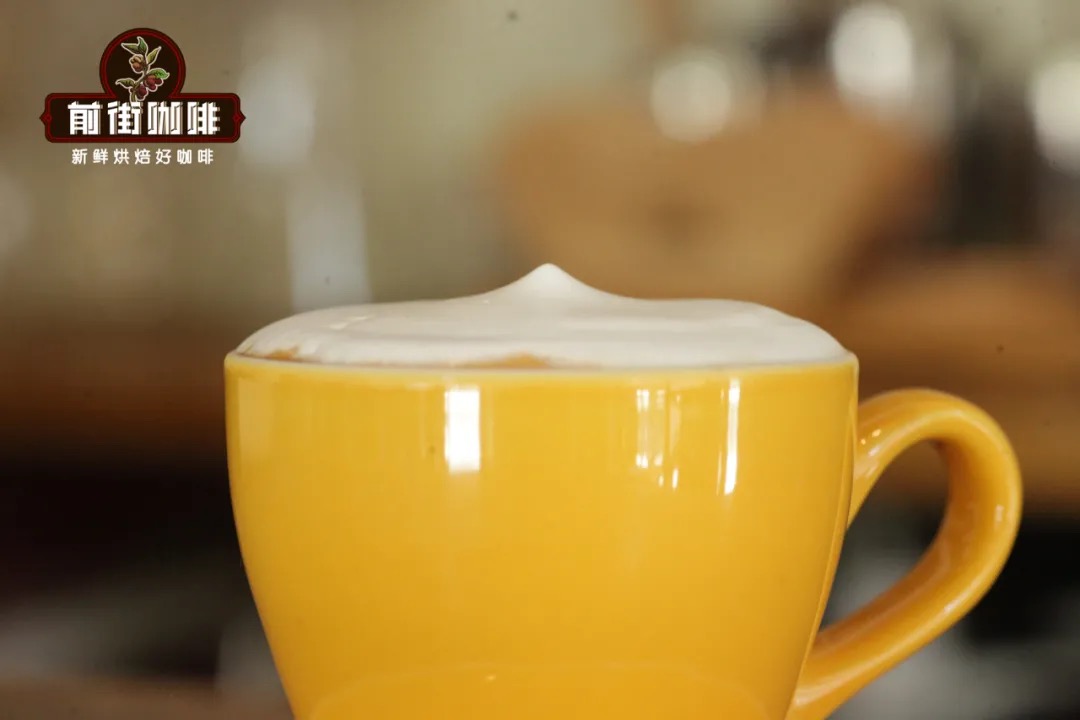
Front Street also mentioned above that when pouring milk, you cannot break up the crema of the espresso. If milk is poured directly, the crema will definitely be broken up. So what we need to pour first is the milk foam, forming a protective layer between the milk and the crema before pouring the milk. But milk is heavier than milk foam, so what is poured first will definitely be milk. How can we make the milk foam pour first?
(Highlight) Aim the spout of the milk pitcher at the center of the espresso surface, then tilt the milk pitcher slightly to nearly pouring state but do not pour it in yet. Pause!!! Let the milk foam gather at the spout of the milk pitcher, then slowly pour into the center. In this step of pouring the milk foam, there is no need to circle for integration, nor to shake the wrist. Just maintain a stable posture and pour the milk foam into the center.
The above content is compiled by CoffeeHunters, a coffee news website.


