







Search Results for: water absorption rate of coffee grounds
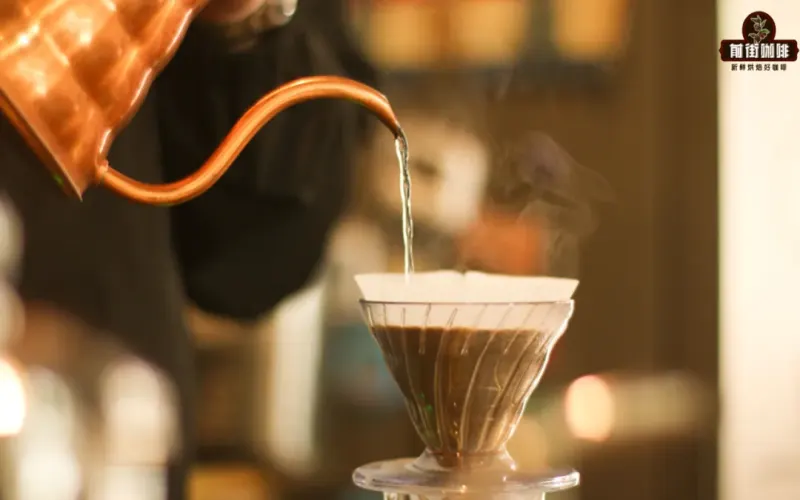
What Exactly Do Coffee-to-Water Ratio and Coffee-to-Liquid Ratio Mean? A Clear Explanation of Two Key Parameters and Their Conversion Logic
In the brewing process of specialty coffee, the coffee-to-water ratio and the coffee-to-beverage ratio are two core concepts that cannot be avoided. Many people assume they are simply different names for the same thing, but in reality their calculation methods and applicable scenarios differ significantly. This article will start from the basic definitions of these ratios, first explaining the meaning and advantages of the coffee-to-water ratio, then delving into why the coffee-to-beverage ratio cannot be directly equated with the coffee-to-water ratio, and, combined with the water absorption rate of coffee grounds, provide a practical conversion method. Once you understand these two parameters, you will have clearer direction when adjusting your brewing recipe, and it will be easier to consistently reproduce your ideal flavor performance. [more…]
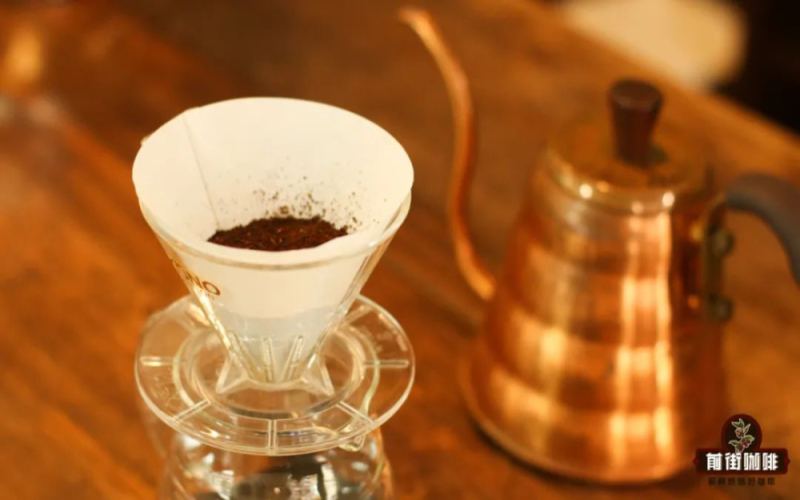
Should you pre-wet the filter paper before pour-over coffee? A comprehensive analysis of water absorption rate, fit to the dripper, and extraction effect
Before making pour-over coffee, is it really necessary to rinse the paper filter with hot water? This question has long been debated in the coffee community. Some insist that wetting the filter removes papery taste, helps the filter adhere better to the dripper, and preheats the dripper along the way; others believe that modern filter manufacturing has advanced so much that these reasons may no longer hold. This article, from Front Street Coffee's perspective, examines one by one whether the three traditional advantages of wetting the filter still stand, and takes a deeper look at how the water-absorbing properties of a dry filter affect coffee strength, as well as the pre-extraction issues that may arise when coffee grounds come into contact with water early. The final conclusion may surprise you—the difference between a wet and dry filter is actually negligible. [more…]
What is the difference between coffee-to-water ratio and coffee-to-liquid ratio in pour-over coffee? The calculation method and conversion logic explained clearly at once
Many friends who are just getting into pour-over coffee often confuse the coffee-to-water ratio with the coffee-to-beverage ratio, and as a result, the coffee they brew always tastes different from what they expected. In fact, although these two concepts differ by only one word, their meanings are completely different, and they cannot even be converted directly on an equal basis. Today, Front Street will explain these two measurement methods, first explaining what each of them represents, then clarifying how the coffee grounds' water absorption affects the final liquid weight, and offering a way to convert between the coffee-to-water ratio and the coffee-to-beverage ratio. Once you understand these, you will have a clearer direction when adjusting pour-over parameters, and it will be easier to consistently reproduce a delicious cup of coffee. [more…]
A Complete Guide to the Coffee Bloom in Pour-Over Brewing: How Time, Water Volume, and Technique Affect Extraction Evenness
Blooming is a key step in pour-over coffee brewing that cannot be overlooked, as it directly affects whether the subsequent hot water can evenly pass through the coffee bed. This article provides a detailed analysis of the difference between blooming and pre-infusion, explains the dual purpose of blooming—releasing carbon dioxide and forming an even filter layer—and offers specific recommendations for the amount of blooming water, typically 1 to 2 times the weight of the coffee grounds, along with the reason for keeping the water temperature between 85 and 92 degrees Celsius. At the same time, the article also explains the blooming pouring technique from three dimensions—small amount, even, and gentle—and points out the differences in water absorption among beans of different roast levels. Front Street Coffee reminds us that only sufficient and proper blooming can lay the foundation for subsequent even extraction, making the flavor of a cup of pour-over coffee more pleasant. [more…]
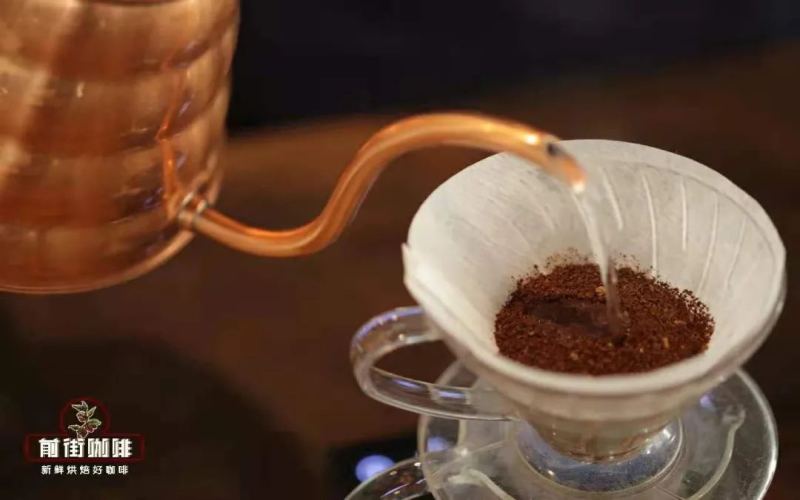
Coffee-to-Water Ratio | How to Calculate the Pour-Over Coffee-to-Water Ratio, Cold Brew Pour-Over Coffee-to-Water Ratio
Without adding sugar or milk, how to hand-brew a delicious and distinctive cup of coffee is a difficult challenge for many enthusiasts just starting out in coffee. Pour too much water and the coffee will be weak; pour too little and it will be very strong and harsh on the throat. Therefore, you must pay attention to the coffee-to-water ratio. So exactly how much water should be used to brew a cup of coffee? The coffee-to-water ratio is probably what every [more…]

Analysis of the Causes of Slow Drawdown in the Final Phase of Pour-Over Brewing and Practical Solutions
The total brew time of a pour-over is shaped by multiple factors at once—grind size, how the particles take on water, the pouring technique, and the design of the dripper—making it very hard to control precisely. Many people new to pour-over habitually use time as the standard for judging whether the flow rate is normal. Once the flow at the tail end of the brew refuses to come down, the extraction time gets dragged out and the coffee easily picks up bitter, off-flavors. This article focuses on the common frustration of standing water at the tail end of a pour-over, analyzing the causes one by one—from the quality of the coffee grind, the roast level of the beans, the pouring technique, and puck management—and offers the corresponding solutions summarized by Front Street to help you find the real reason behind the slow drainage and adjust accordingly. [more…]
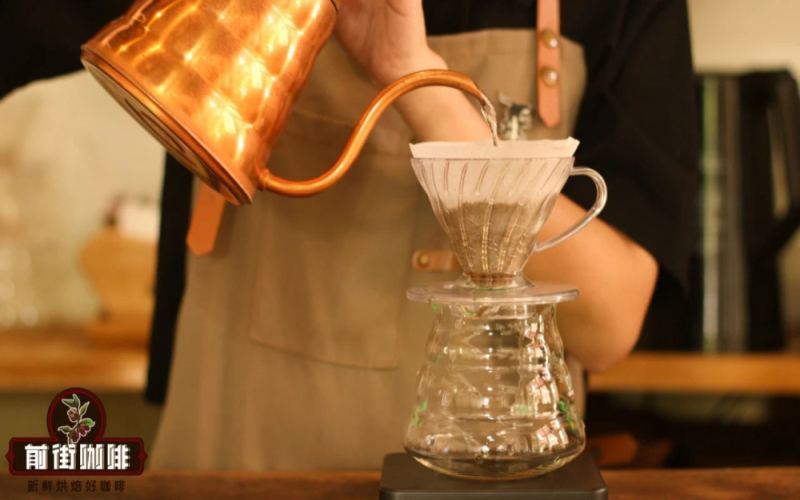
Why Is the Pourover Coffee Grounds-to-Water Ratio Commonly 1:15? A Professional Interpretation from Golden Cup Extraction to Practical Parameters
The coffee-to-water ratio for pour-over is a core question every enthusiast will face. Where exactly does the 1:15 ratio come from? Does it truly conform to the SCA Golden Cup extraction standard? Starting from Front Street's daily brewing practice, this article first clarifies two basic concepts—the coffee-to-water ratio and the water absorption rate of coffee grounds—then, combined with the Golden Cup extraction chart, analyzes the difference between the ideal range and actual output, explaining why 1:15 has become a stable and conservative choice. At the same time, the article also discusses whether tail-end truncation is necessary, and how ordinary enthusiasts should view this operation. [more…]
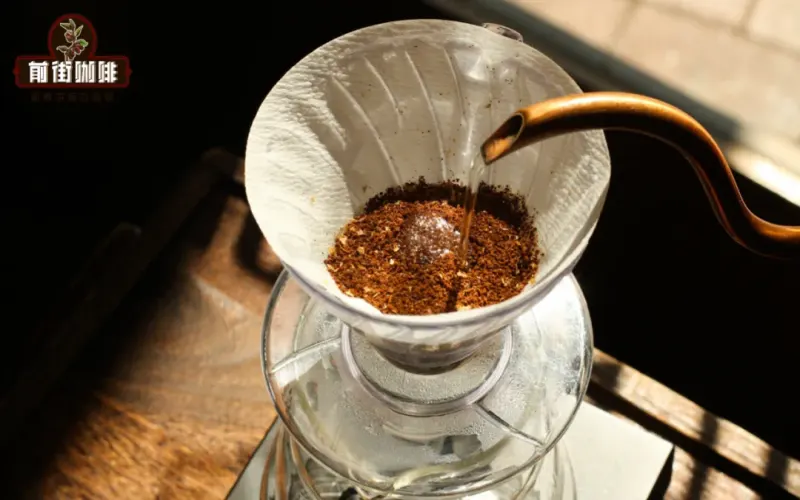
Why Is the Bloom Water for Pour-Over Twice the Coffee Dose? What Flavors Are Lost If You Discard the Bloom Liquid?
The blooming stage of pour-over coffee may seem simple, yet it involves multiple considerations: water volume setting, saturation and absorption by the coffee grounds, and extraction concentration. Why is the blooming water exactly twice the weight of the coffee grounds? Should the dark liquid seeping out from the coffee grounds be kept or discarded? Starting from the water-absorbing characteristics of coffee grounds and drawing on measured data from Front Street Coffee's use of Panama Green Label Geisha, this article compares the changes in coffee concentration and flavor after adding versus removing the blooming liquid, and provides an in-depth analysis of the blooming liquid's actual impact on the quality of the entire cup, helping enthusiasts understand this often overlooked yet crucial brewing detail. [more…]
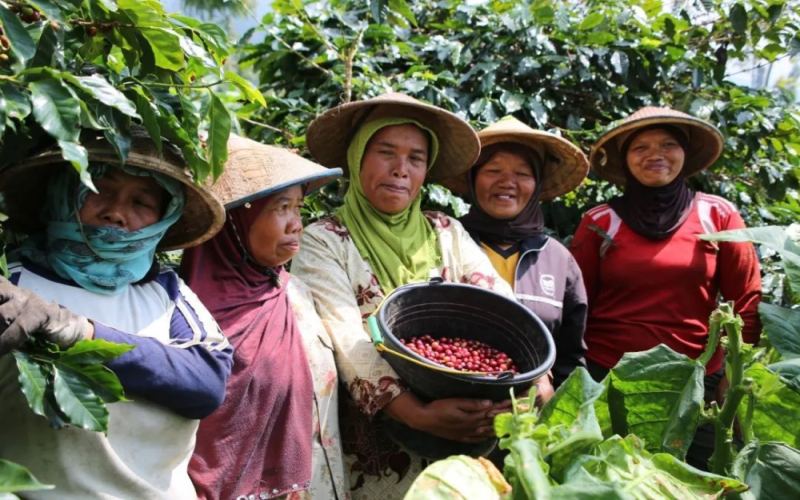
Why does Indonesian Mandheling uniquely use the wet-hulling method? A full analysis of the processing technique and brewing parameters
Indonesia's coffee-growing regions have climate conditions entirely different from those of Africa and Central and South America: year-round humidity of 70–90%, annual rainfall that often exceeds 2,000 mm, and frequent typhoons. In such a humid environment, long-cycle natural process or high-water-consumption washed process are both difficult to carry out. Indonesian coffee farmers therefore developed the distinctive wet-hulling method, which removes the parchment early and speeds up drying, shaping Mandheling's signature full body and herbal, earthy, dark chocolate flavors. This article breaks down each step of the wet-hulling method in detail and includes Front Street Coffee's complete pour-over recipe for medium-dark roasted Mandheling, including dripper selection, grind size, water temperature, and a three-pour technique, helping enthusiasts brew a round, concentrated Southeast Asian flavor at home. [more…]
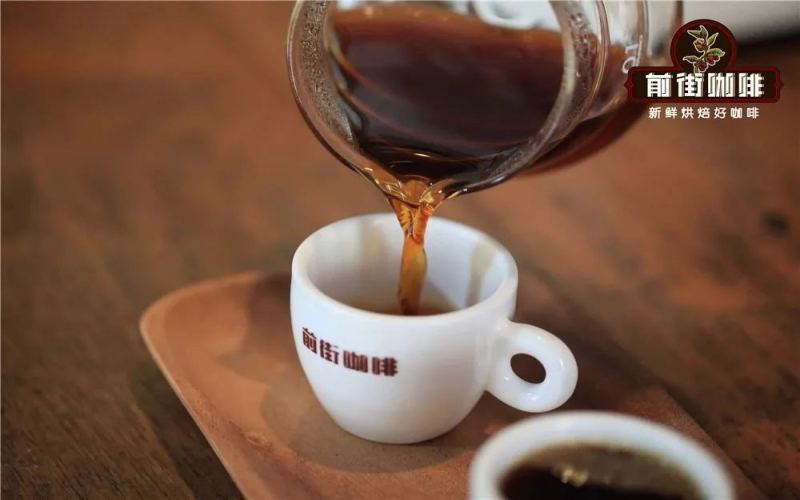
The Complete Guide to Pour-Over Light Roast Coffee: Solve the Slow Flow and Water Pooling Problem, Easily Brew Sweet Flavors
Light roast coffee beans are beloved for their bright floral and fruity aromas, but many enthusiasts often run into slow flow rates and easy pooling when brewing pour-over at home, ultimately extracting nothing but a monotonous sour taste. This actually has a lot to do with the physical structure of light roast beans: with a light roast level, the bean body is dense, the carbon dioxide content is low, and both water absorption and degassing capacity are weak, causing fines to easily settle and clog the dripper. This article will take a deep dive into the difficulties of pour-over brewing with light roast beans, and drawing on Front Street Coffee's brewing experience, share how to effectively enhance the sweetness and complexity of coffee by adjusting water temperature, pouring technique, and staged extraction, so you can consistently brew a well-balanced cup with both acidity and sweetness at home. [more…]
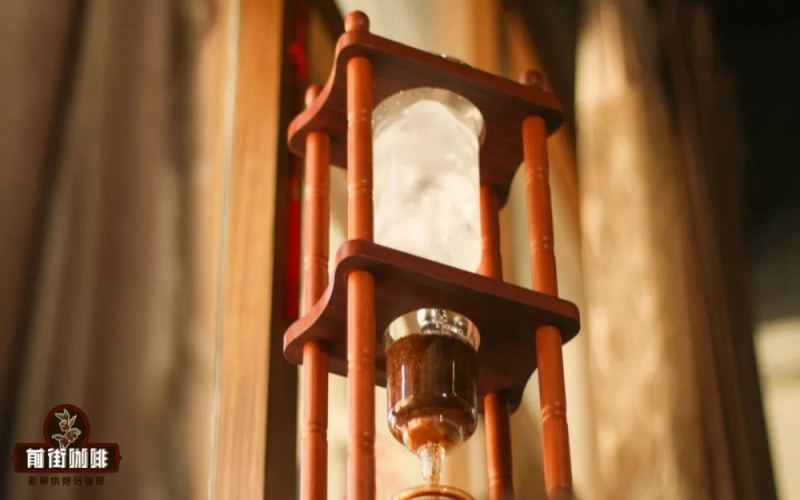
Cold Brew Coffee Making Guide: A Detailed Explanation of 6 Key Steps and Parameters from Bean Selection to Drip Filtration
Cold brew coffee is deeply favored by enthusiasts for its rich, wine-like body and refreshing fruity aroma, but recreating the ideal flavor at home requires precise control over bean selection, grinding, ratio, extraction, and aging. This article systematically outlines the 6 core steps for making cold brew coffee, including suitable roast levels and single-origin bean recommendations, coffee grounds coarseness standards, the golden coffee-to-water ratio, techniques to avoid channeling, optimal drip rate settings, and refrigeration fermentation methods for enhancing flavor. The article specifically includes suggestions for several single-origin beans from Front Street Coffee, such as Bird of Paradise, Queen's Estate Brazil, and Honduras Sherry, to help you create a cup of cold brew coffee that combines bright fruity acidity with fermented depth through slow drip filtration and low-temperature aging. [more…]
Analysis of the Reasons for Fast Pour-Over Flow Rate with Anaerobic Process Coffee Beans and Grind Adjustment Solutions
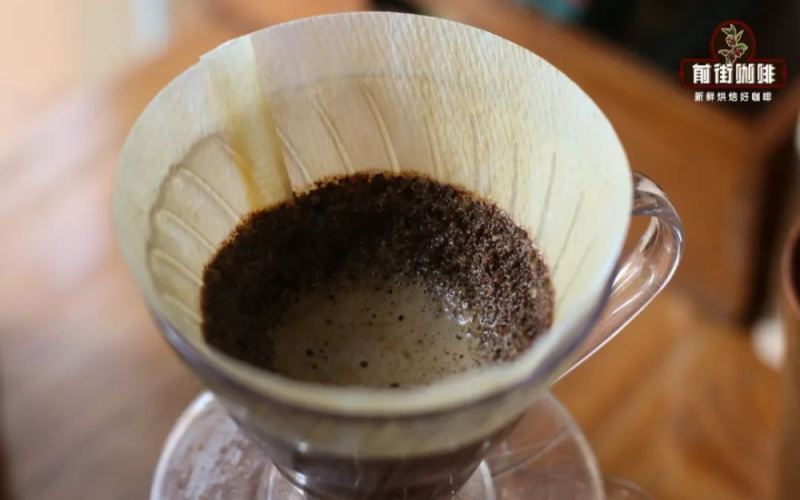
In the daily practice of pour-over coffee, many enthusiasts encounter a puzzling phenomenon: when brewing anaerobically processed coffee beans, the drawdown speed is noticeably faster than with regular washed or natural beans, and the extraction time can even be less than a minute and a half. What exactly causes this abnormal flow rate? Is it due to the inherent characteristics of the beans themselves, or is there a problem in the grinding stage? Starting from Front Street Coffee's actual measurement data, this article will take an in-depth look at how the loose texture and vigorous water absorption and degassing of anaerobic beans affect flow rate, and with the help of a comparison of the No. 20 sieve pass-through rate, reveal the deviation between the grinder setting and the actual coarseness of the particles. At the same time, the article will also provide targeted suggestions for adjusting the grind finer and a plan for adjusting the pouring technique, to help you steadily extract a rich, full-bodied cup of coffee even when dealing with anaerobic beans. [more…]
Advanced Pour-Over Coffee Guide: Water Distribution and Technique Details, with Three Front Street Single-Origin Beans for Practice
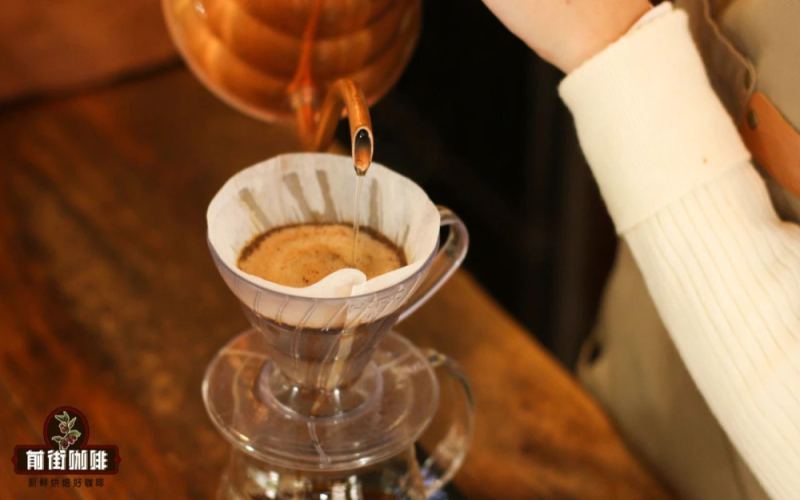
Front Street Coffee has previously discussed many factors that influence coffee flavor, starting from five objective conditions: coffee dose, coffee-to-water ratio, water temperature, grind size, and brewing device. This time, however, we turn our attention to an easily overlooked subjective variable—your hand, that is, the pouring method during brewing. This article will break down two major areas: water volume distribution and pouring technique. First, it compares the extraction differences between a single-pour and a three-pour method, then analyzes item by item how blooming, circling speed, pouring height, flow rate, and circling range affect the direction of the flavor. At the end, Front Street Coffee has also selected three single-origin beans with high regional distinctiveness for reference in daily brewing practice. [more…]
Pour-Over Coffee Blooming and Extraction Stages: A Comprehensive Analysis of Whether the Outer Coffee Grounds Need to Be Wetted with Water
In the practice of pour-over coffee, one detail that is often discussed is: should the coffee grounds around the edge be moistened with water? This article starts from the two stages of blooming and the main extraction, and, combined with comparative experiments on light, medium, and dark roast levels, analyzes the impact of the pouring range on flavor. The experiment shows that whether to wet the outer layer of grounds during blooming depends on whether all the coffee grounds can evenly absorb water and release gas in the shortest time. Not pouring around the outer ring tends to cause inconsistent extraction rates, and light and medium roast beans are prone to a grassy, unripe taste; while pouring directly onto the outer ring may block gas release in the center. The article also shares practical techniques such as swirling and stirring to help coffee enthusiasts extract every particle of coffee grounds more evenly. [more…]
KONO Dripper Brewing Guide: Extraction Characteristics Analysis and Medium-Dark Roast Coffee Bean Pairing Suggestions
The KONO dripper, with its distinctive rib design and slow flow rate, produces a flavor profile in coffee extraction that is completely different from the Hario V60. This article starts with the dripper's structure to explain why it is better suited to medium-dark roasted or full-bodied coffee beans, and uses the classic Front Street Golden Mandheling as an example to break down a complete brewing recipe covering dose, grind size, water temperature, and three-pour technique. Whether you want to understand the extraction logic of the KONO dripper or are looking for coffee beans to match it, this article will provide clear and practical guidance. [more…]
Pour-over Dripper Usage Tutorial | Which Coffee Beans Are Suitable for Brewing with the Kono Dripper? Introduction to the Kono Dripper's Extraction Principles and Coffee Flavors
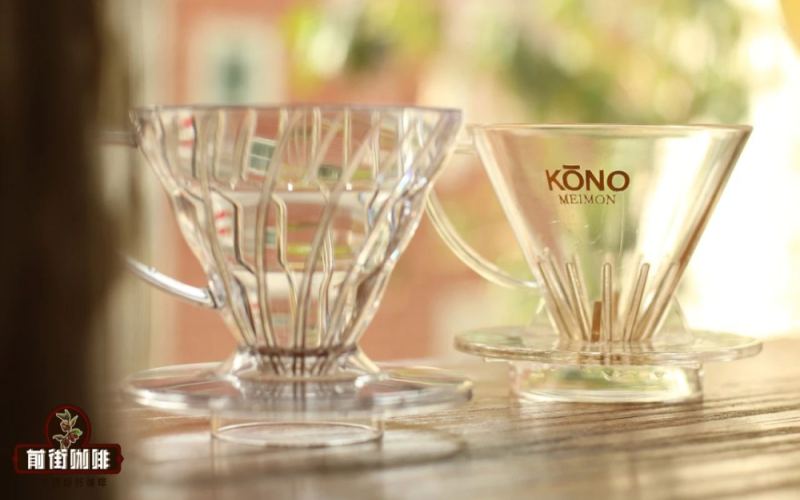
The KONO dripper, like the Hario V60, is cone-shaped. The biggest difference lies in the height of the ribs. KONO has 12 ribs that are lower than those of the Hario V60, which helps with airflow during brewing and increases the efficiency of the bloom. When the KONO dripper is used together with its server, it's like [more…]
An In-Depth Analysis of the KONO Meimon Dripper: Structural Design, Suitable Bean Types, and Practical Brewing Parameters
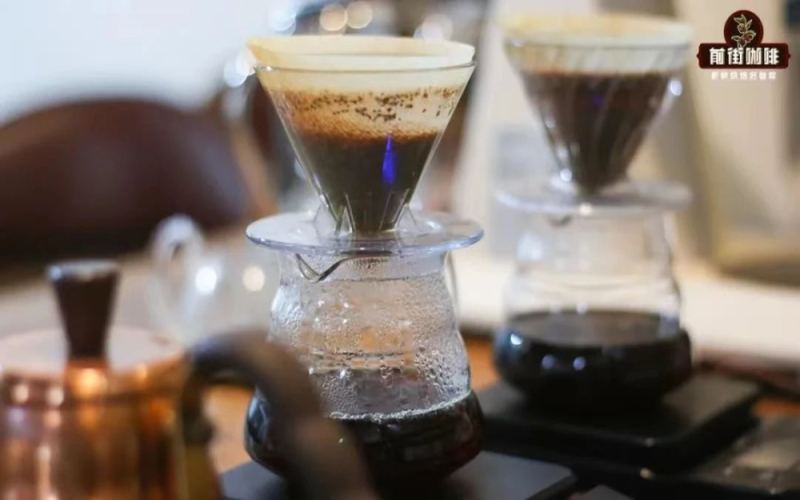
Pour-over coffee enthusiasts often face the dilemma of choosing a dripper, as different shapes and structures directly affect extraction and flavor outcomes. As a classic representative of conical drippers, the KONO dripper stands out in brewing medium-to-dark roasted coffee beans thanks to its unique design philosophy. This article will provide a detailed explanation of the KONO dripper's origins, structural features, and extraction principles, and, drawing on Front Street Coffee's hands-on experience, share the specific parameters and techniques for brewing Front Street Indonesia Golden Mandheling with the KONO dripper. From grind size adjustment and water temperature control to the three-pour technique, we break down step by step how to bring out this dripper's strengths in body and sweetness. Whether you are a beginner just getting into pour-over or a coffee enthusiast hoping to refine your skills, you will find practical references and inspiration here. [more…]
What is the difference between coffee-to-water ratio and coffee-to-liquid ratio in pour-over coffee? How to correctly calculate ratios under the Golden Cup extraction standard
When brewing coffee, the concepts of coffee-to-water ratio and coffee-to-liquid ratio may seem similar, but their meanings are actually quite different. Many beginners often confuse the two, which leads to deviations in the flavor of the final cup. Today, Front Street will break down the definitions, applicable scenarios, and conversion methods of these two ratios in detail, to help everyone control the extraction process more precisely. Understanding the essential difference between the coffee-to-water ratio and the coffee-to-liquid ratio is a key step toward mastering the Golden Cup extraction standard and consistently reproducing good flavor. [more…]
How to Determine Grind Size for Pour-Over Coffee? A Complete Guide from Sugar Comparisons to Sieve Testing
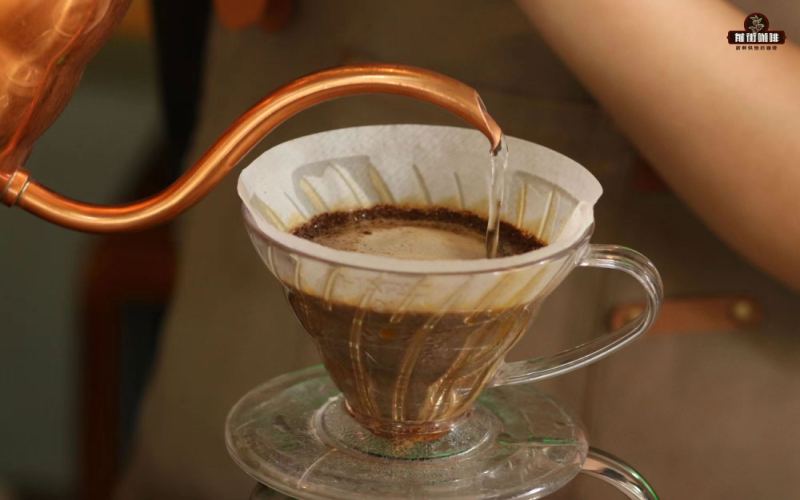
The flavor expression of pour-over coffee depends to a large extent on whether the grind size is appropriate. The grind size directly affects the speed at which water passes through the coffee bed and the amount of coffee compounds released; too coarse and the flavor is weak, too fine and the flavor is strong or even bitter. This article begins with the mechanism by which grinding affects flavor, introduces a method using granulated sugar particles as an intuitive reference, and further provides the operational details for precisely checking grind size with the Chinese standard No. 20 0.85mm sieve, along with Front Street's specific setting recommendations for medium-light and medium-dark roasted beans. In addition, it also outlines extraction time as a reference standard for judgment, as well as key factors affecting the taste of pour-over coffee such as coffee bean selection, making it suitable reading for coffee enthusiasts who want to systematically master grinding techniques. [more…]
The Origins of Medium-Dark Roasted Mandheling Coffee and Pour-Over Techniques: A Complete Analysis from Wet-Hulling to Golden Mandheling
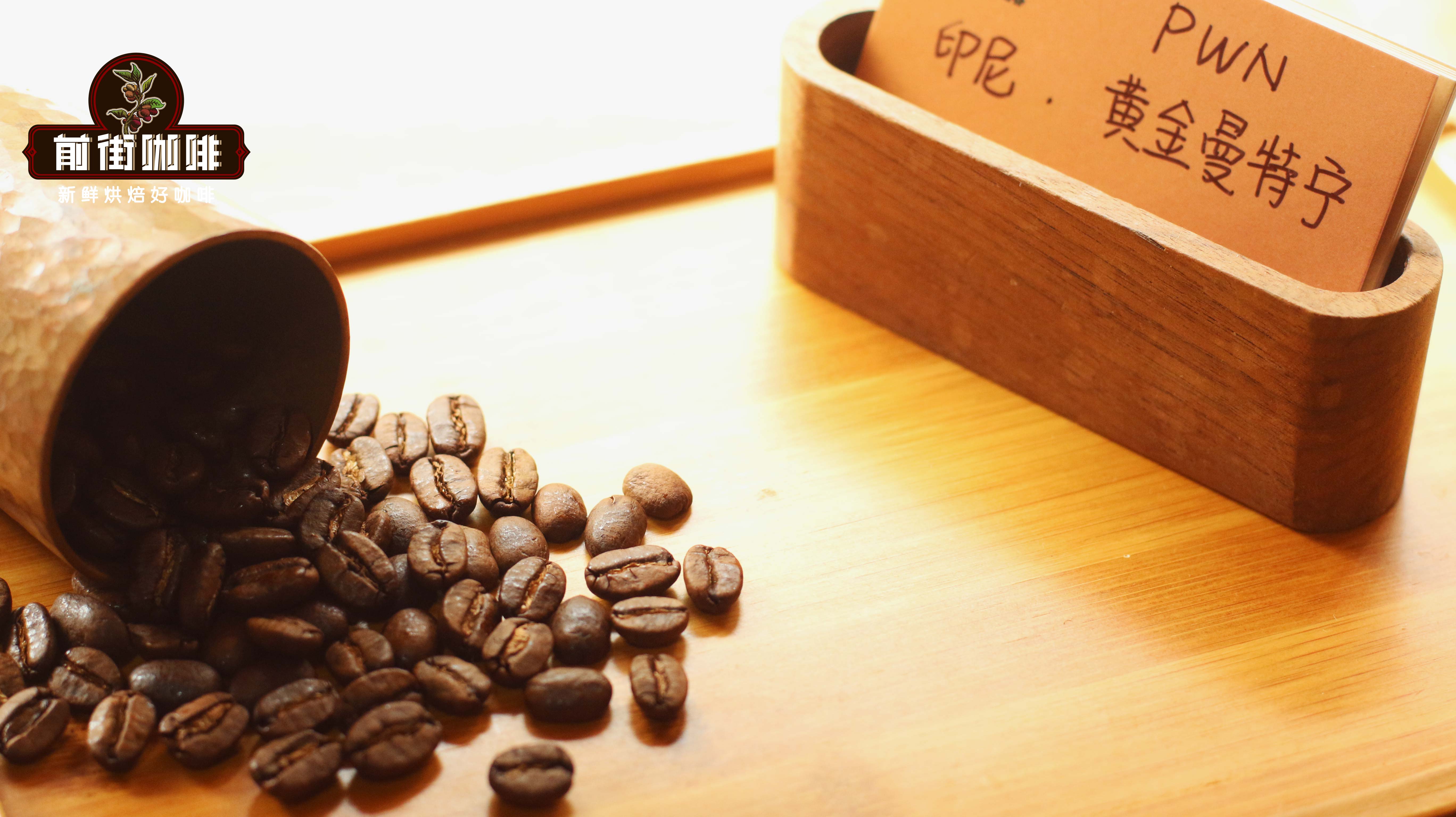
Mandheling coffee has long been deeply associated with rich, full-bodied flavors of dark chocolate, nuts, and caramel, and most Mandheling on the market is roasted to a medium-dark level. Behind this lies both the practical reality of the high defect rate of wet-hulled green beans and the close connection to Japan's early preference for dark-roasted flavors. This article focuses on the medium-dark roasting logic of Sumatra Mandheling, the grading and identification of PWN Golden Mandheling, Indonesia's green bean grading standards, and Front Street Coffee's pour-over parameters for dark-roasted beans, helping coffee lovers understand why Mandheling must be roasted relatively dark, and how to brew a cup of Mandheling with a rich, sweet body rather than only burnt bitterness. [more…]