







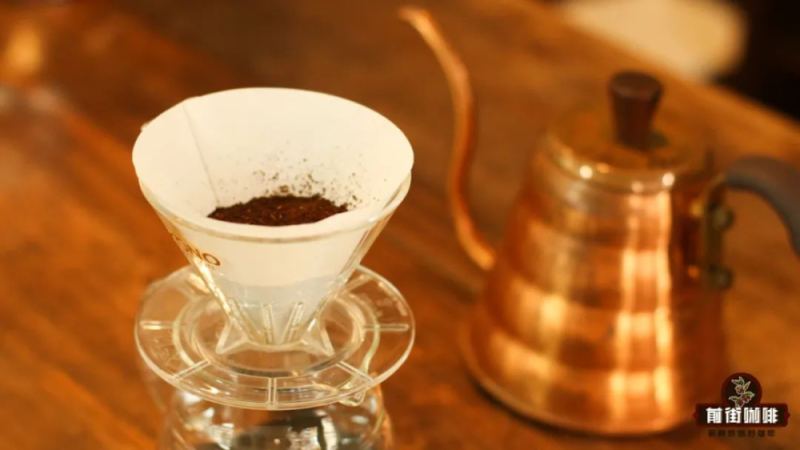
Does Wetting the Filter Paper Change Coffee Extraction?
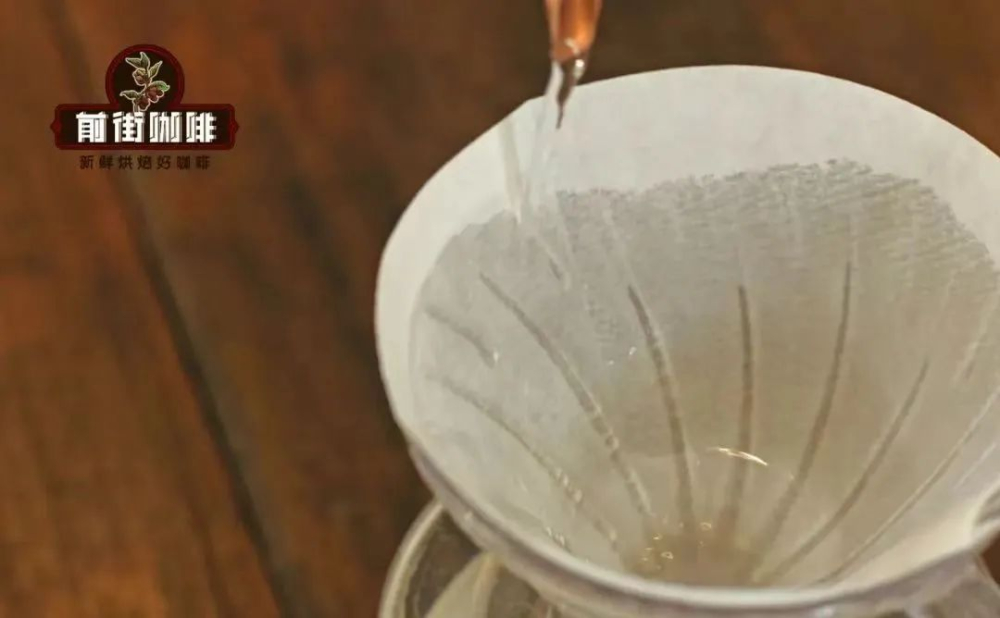
Rinsing the paper filter before pour-over coffee makes little measurable difference to the cup. The three traditional arguments for wetting it, namely removing papery taste, helping the filter stick to the dripper, and preheating the dripper, no longer hold up strongly with modern filters. The water a dry filter absorbs and early contact between grounds and water matter more.
A dry filter soaks up some of the brewing water before it reaches the coffee bed, which can shift the strength of the final cup slightly. Rinsing also pre-wets the paper so that first contact is more even. Front Street Coffee's analysis concludes that the gap between a wet and dry filter is small in ordinary brewing practice.
Before pour-over coffee, is it really necessary to rinse the paper filter with hot water? This question has been hotly debated in coffee circles for a long time. Some insist that wetting the filter removes papery taste, helps the filter adhere better to the dripper, and preheats the dripper along the way; others believe modern filter manufacturing has long since improved, and these reasons may no longer hold up. This article, from Front Street's perspective, examines one by one whether the three traditional advantages of wetting the filter still stand, and takes a deeper look at how the water-absorbing properties of a dry filter affect coffee strength, as well as the pre-extraction problem that may arise when coffee grounds come into contact with water early. The final conclusion may surprise you—the difference between a wet and dry filter is actually minimal.
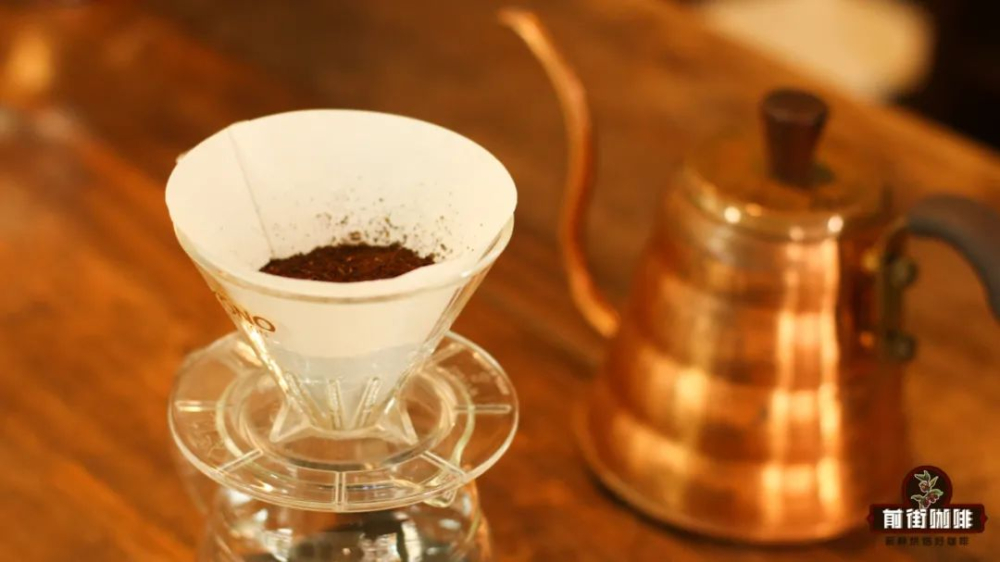
With this question in mind, let's see how Front Street understands it. But before we dive in, we need to clarify one thing: in most people's understanding, what benefits does wetting the filter actually bring?
1. Eliminating papery odor
When many coffee instructors emphasize the necessity of wetting the filter, the first reason they mention is removing the pulp-like smell of the filter itself. If this smell isn't rinsed away with hot water, the papery taste will flow into the server along with the coffee during brewing, interfering with the coffee's flavor expression.
2. Making the filter adhere to the dripper
Using water to make the filter stick to the inner wall of the dripper is the second benefit of wetting the filter. The fit between the filter and the dripper is crucial, especially for drippers like the V60 with lots of spiral ribs. Once the filter doesn't cling tightly to the wall, the ribs become useless and can't do their job at all. So many people wet the filter to achieve this fit.
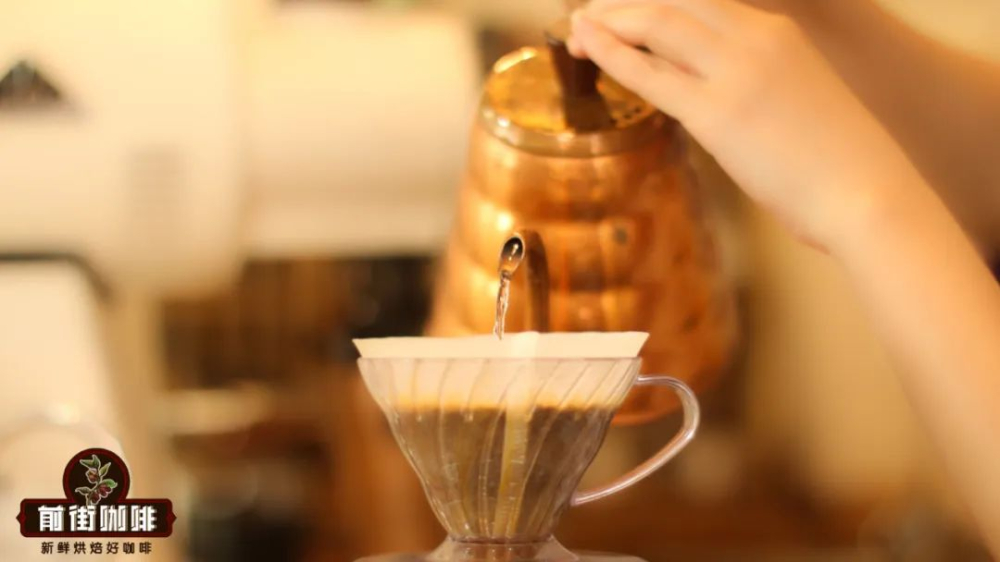
3. Preheating the dripper
Rinsing the filter with hot water not only helps it adhere but also preheats the dripper. There's a temperature difference between a room-temperature dripper and hot water; when hot water is poured in, some of the heat is absorbed by the dripper, causing the water temperature to drop somewhat and affecting extraction efficiency. Therefore, hot water is used to wet the filter while also letting the dripper absorb heat, achieving a heat-retention effect.
Looking at it this way, wetting the filter does seem quite important.
However, in fact, none of these reasons are enough to support the conclusion that "today's filters must be wet." Here's why:
1. About the papery smell of the filter
Early filters did indeed have a noticeable pulp-like odor due to immature manufacturing processes. But by 2024, the vast majority of brands have long since developed filter products without any papery smell. Through bio-enzyme bleaching technology, the finished filters have neither a pulp-like odor nor toxic residue, so there's naturally no need to rinse them with hot water to remove off-flavors.
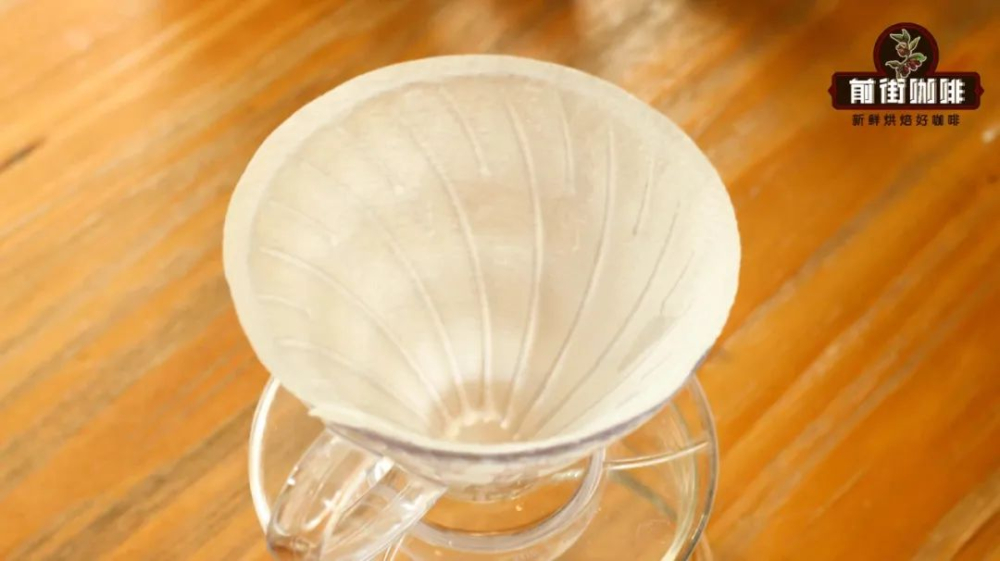
2. About whether the filter adheres
Making the filter sit snugly depends largely on technique. If your technique is poor, it's hard to get the filter to cling to the wall even with water; conversely, if your technique is on point, the filter can achieve a good fit from the weight of the coffee grounds pressing down on it, even without rinsing.
3. About preheating the dripper
The reason preheating comes up is that early drippers were mainly made of ceramic, which has heat-retention properties. But today, most people use resin drippers.
Resin is low-cost, high-precision, and suitable for mass production. It's heat-resistant but doesn't absorb heat. Not absorbing heat means it has no heat-retention effect. So for many people using resin drippers, preheating the dripper is actually unnecessary.
From this we can see that the above three points do demonstrate the importance of wetting the filter, but only for problems arising from specific situations or particular equipment. When neither your technique nor your equipment has any of these three issues, wetting the filter brings no advantage at all. Therefore Front Street believes that the following two points are actually more worth considering when it comes to whether or not to wet the filter.
The filter's water absorption:
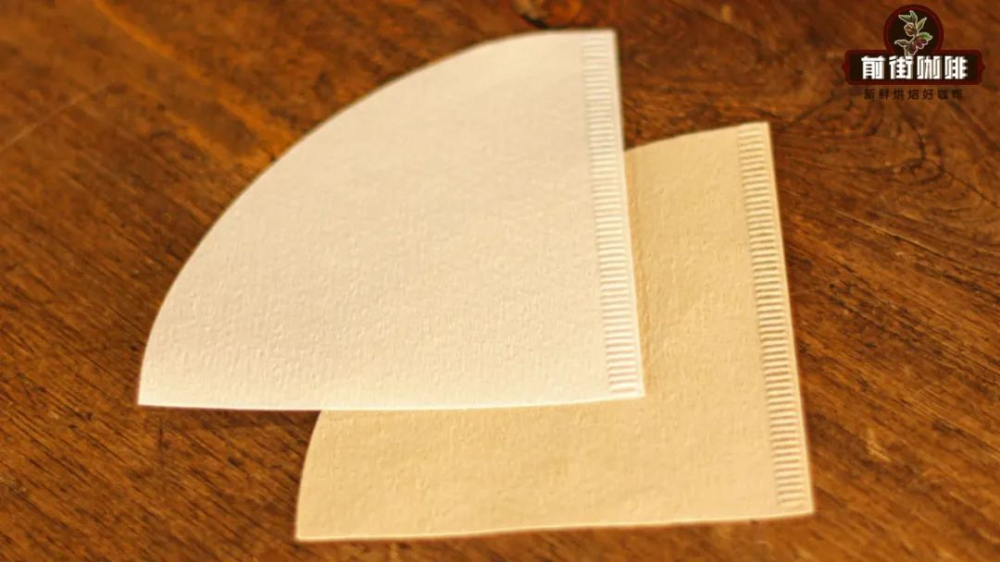
A dry filter, like coffee grounds, has water-absorbing properties. A single filter can absorb about 8 milliliters of water. If you wet it beforehand, then during the actual brew the filter won't absorb much coffee liquid, and after brewing the upper part of the filter remains transparent white. But if you brew directly without wetting the filter, the filter will absorb the extracted coffee liquid, and its appearance will gradually turn from pure white to the yellow of coffee.
As a result, coffee brewed without wetting the filter may be slightly weaker than coffee brewed with a wet filter, because some of the coffee liquid is absorbed by the filter.
Coffee grounds being extracted prematurely:
Many people add coffee grounds immediately after wetting the filter. Coffee extraction is essentially using water to draw out the aromatic substances in coffee. If the coffee grounds come into contact with water before extraction has officially begun, doesn't that mean this portion of grounds that touched water early has already been pre-extracted?
No need to worry. Although these two points do have some effect on the coffee, based on Front Street's experience with many brewing comparisons, unless you taste and compare very, very carefully, you simply can't taste any difference. There is an effect, but it's extremely slight.
So, as we said, if your equipment and technique aren't majorly problematic, then whether the filter is wet or dry is nothing to agonize over—just decide based on your mood and preference. After all, a cup of coffee doesn't need to be too complicated.
- END -
Front Street Coffee (FrontStreet Coffee)
No. 10, Baoqian Street, Yandun Road, Dongshankou, Yuexiu District, Guangzhou, Guangdong Province
The above content is compiled by CoffeeHunters, a coffee news website.


