








Why does coffee extraction need two different ratios?
The coffee-to-water ratio and the coffee-to-liquid ratio are not the same thing. The coffee-to-water ratio compares coffee grounds with the water poured in for extraction; 1:15 means 1 gram of grounds to 15 milliliters of water. The coffee-to-liquid ratio compares grounds with the final liquid in the cup; 1:12 means 1 gram of grounds yields 12 milliliters of coffee.
Most coffee extraction situations suit the coffee-to-water ratio because it is simpler to calculate, allows tighter control of the water amount, and reduces deviations caused by how much water the grounds absorb. Converting between the two requires accounting for that absorption, which is where the two numbers diverge in practice and where the coffee basis of a recipe gets confusing.
In the brewing process of specialty coffee, the coffee-to-water ratio and the coffee-to-liquid ratio are two core concepts that cannot be avoided. Many people assume they are merely different ways of saying the same thing, but in reality, their calculation methods and applicable scenarios differ significantly. This article will start from the basic definition of ratio, first explain the meaning and advantages of the coffee-to-water ratio, then delve into why the coffee-to-liquid ratio cannot be directly equated with the coffee-to-water ratio, and provide a practical conversion method based on the water absorption rate of coffee grounds. Once you understand these two parameters, you will have clearer direction when adjusting your brewing plan and find it easier to reproduce your ideal flavor expression.
Let's start with the concept of "ratio." Ratio (Proportion) itself is a mathematical term used to describe the comparative relationship between two quantities. Once this basic meaning is clear, the coffee-to-water ratio and coffee-to-liquid ratio in the coffee world become easy to understand.
The so-called coffee-to-water ratio refers to the ratio between the coffee grounds participating in extraction and the extraction water poured in. Taking the common 1:15 as an example, it means that every 1 gram of coffee grounds corresponds to 15 milliliters of water used to complete the extraction.
The coffee-to-water ratio has a fairly wide range of applications. Apart from a few coffee-making methods that cannot precisely measure the amount of water poured, most coffee extraction scenarios are better suited to using the coffee-to-water ratio for measurement. There are three reasons: first, the calculation process is simpler; second, it allows more accurate control of the water amount, thereby extracting the target flavor compounds; third, it can reduce deviations caused by differences in coffee bean water absorption.
Next, let's look at the coffee-to-liquid ratio. It describes the ratio between the extracted coffee grounds and the final coffee liquid obtained. For example, 1:12 means that 1 gram of coffee grounds needs to extract 12 milliliters of coffee liquid. At first glance, this seems similar to the coffee-to-water ratio, but the actual meaning is quite different—the units corresponding to these two ratios cannot be directly interchanged as equal amounts.
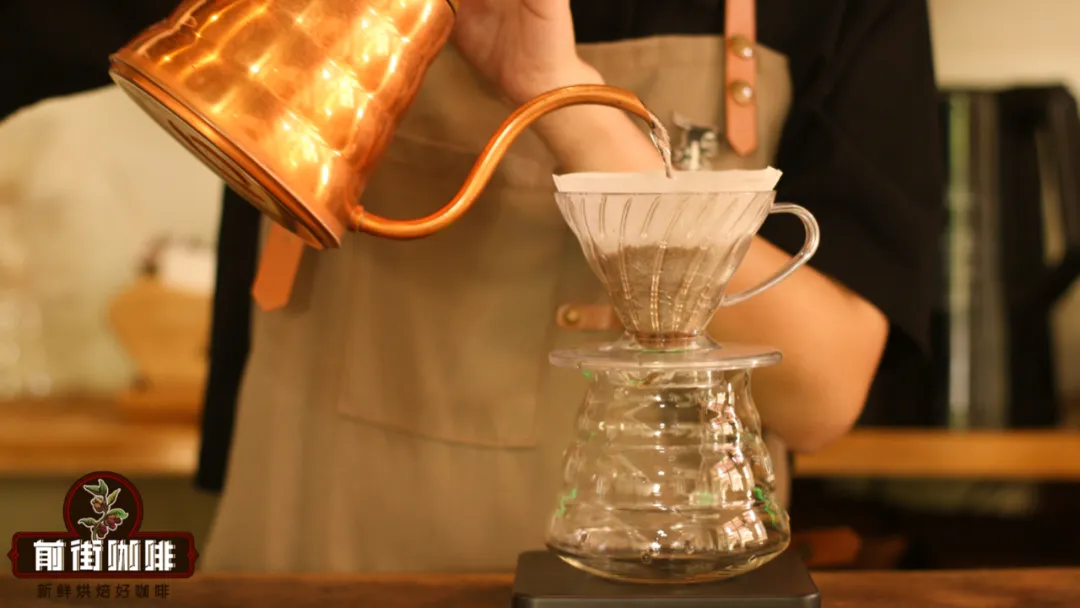
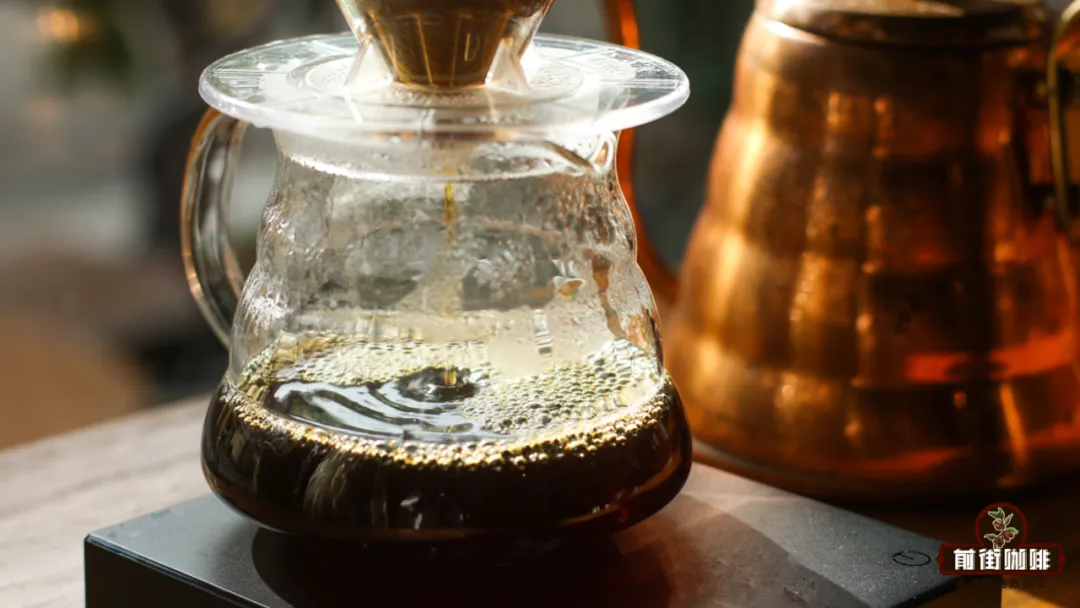
Let's give a specific example: suppose we use 225 milliliters of hot water to brew coffee. The coffee liquid finally collected in the lower pot will not be exactly 225 milliliters. The reason is that the coffee grounds will retain some of the water, so the total amount of liquid dripping into the lower pot must be less than the amount of hot water poured in. Typically, coffee grounds can absorb about twice their own weight in water. Using this rule, we can roughly estimate the weight of the coffee liquid, and this is precisely the basis for conversion between the coffee-to-water ratio and the coffee-to-liquid ratio.
For example, if you use 225 milliliters of hot water to extract 15 grams of coffee grounds, then these 15 grams of grounds will absorb about twice their own weight in water, which is around 30 milliliters. Subtracting 30 from 225 gives the approximate weight of the coffee liquid, about 195 milliliters. The reason we emphasize "approximately" and "around" here is that the water absorption rate of coffee beans is not exactly equal to twice their own weight—it can only be said to be fairly close to this value.
The above content is compiled by CoffeeHunters, a coffee news website.


