







Search Results for: waste ice disposal
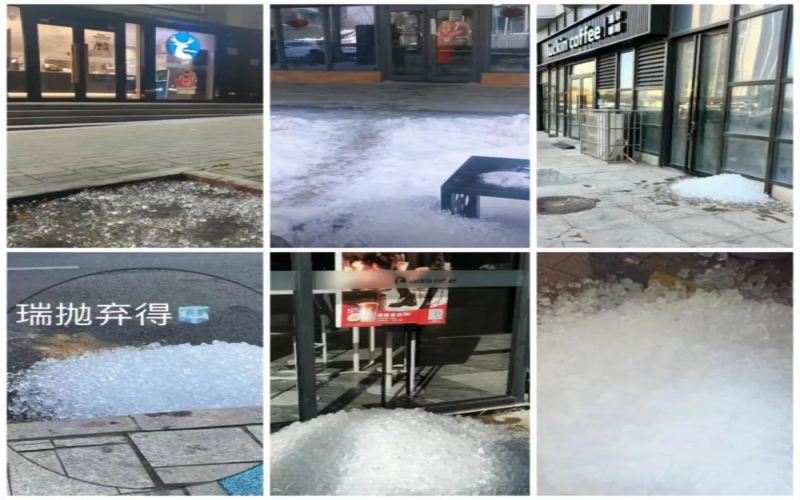
Luckin store's ice machine waste ice dumped on street trees sparks debate; landscaping department responds to operational hazards
Recently, a video of Luckin Coffee store employees dumping large amounts of waste ice from cleaning the ice machine under the street trees in front of the store has sparked heated discussion on social media. On one hand, there is the practical difficulty employees face in disposing of excess ice; on the other, netizens are worried about the health of the trees. Is dumping ice a way to make full use of resources or is it harming the greenery? The landscaping department has offered a professional opinion on this, and behind the incident it also reflects a management blind spot in the waste ice disposal process at chain coffee stores. [more…]
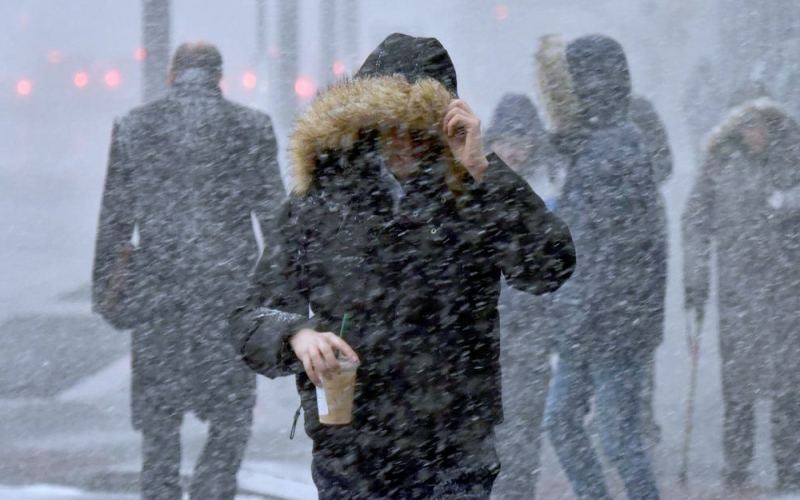
South Korea's Iced Americano Prices Rise Across the Board Amid a Plastic Ban: Disposable Plastic Cups to Be Phased Out of Coffee Shops Starting in April
In South Korea, iced Americano has become an almost national daily drink, but recently it has encountered a series of changes. Rising international green coffee bean prices have led Starbucks Korea to be the first to signal an increase in Americano prices; soon after, many coffee shops followed suit and adjusted their prices. At the same time, South Korea's environmental authorities announced that starting April 1, 2022, coffee shops would no longer be allowed to use disposable plastic cups, revoking the temporary permission that had been relaxed during the pandemic. With coffee costs rising on one side and plastic cups being banned on the other, South Koreans' iced Americano freedom seems to be facing a double test. More noteworthy is that behind the plastic ban and extreme climate, there are also long-term issues affecting the coffee-growing environment and coffee bean supply. [more…]
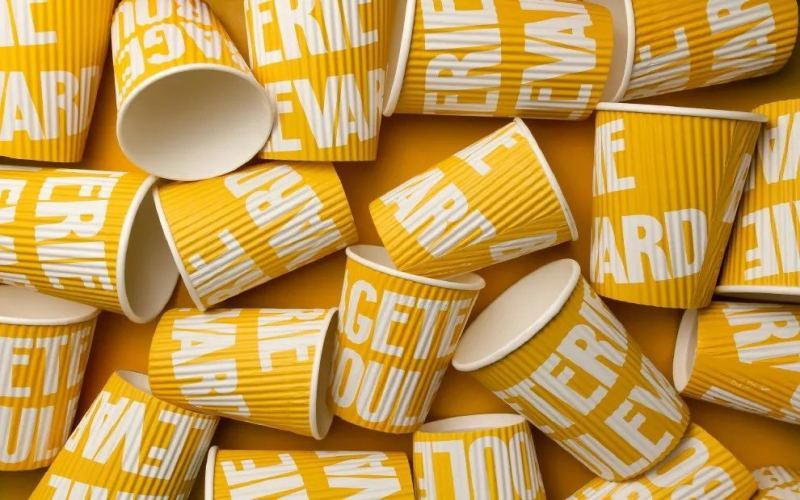
Edible Coffee Cups Make a Comeback: The Eco-Friendly Evolution from Ice Cream Cones to Oat Cups
The environmental problems of single-use paper cups are becoming increasingly severe, and the coffee industry has been searching for alternatives. From the failed attempt with cone cups in 2014, to the brief popularity of KFC's cookie cups, and then to the unexpected revival of oat cups during the pandemic, edible coffee cups have gone through three generations of technological iteration. This article will review the development history, technological breakthroughs, and market dilemmas of edible cups, and explore whether they can truly replace single-use cups and become a new environmentally friendly choice for coffee shops. [more…]
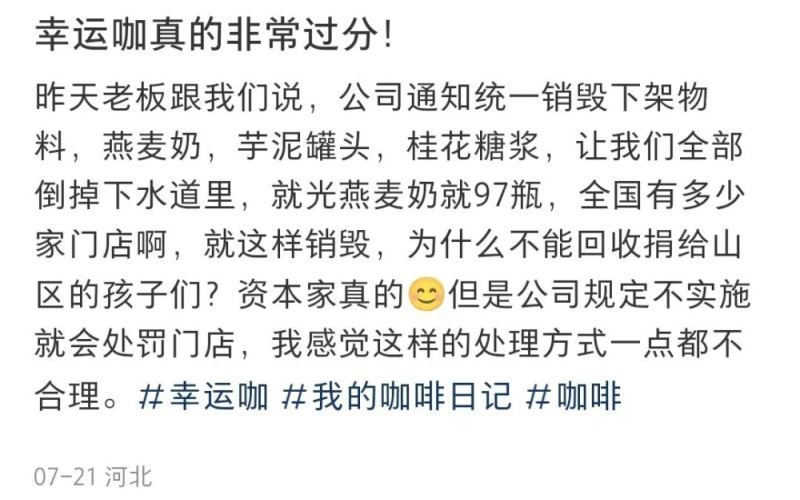
Lucky Cup's delisted ingredients were required to be poured down the drain and destroyed; unopened oat milk and syrup being wasted sparked heated discussion.
The chain coffee brand Lucky Cup recently drew attention due to the way it disposed of ingredients for discontinued products. According to multiple netizens claiming to be store employees, the company required that unopened materials such as oat milk, taro paste cans, and osmanthus syrup be uniformly poured into drains for destruction, with video and photographic evidence required, or the stores would be penalized. After images of large quantities of intact ingredients being directly discharged spread, many industry peers confirmed that this did happen, while netizens launched discussions around food waste, environmental pollution, and compliance. The brand has now removed the related products from its ordering mini-program, but whether the destruction method is reasonable still merits further consideration. [more…]
Mixue Malaysia Store Garbage Bag Incident: Brand Apologizes and Launches Halal Cleaning Process
Recently, Mixue Bingcheng publicly apologized after a branch in Malaysia used garbage bags printed with inappropriate images and text. The brand stated that the garbage bags purchased by the store were only used for handling trash and were not involved in food preparation. However, to dispel local consumers' concerns about halal standards, it has required the store involved to implement Islamic-compliant cleaning procedures, destroy the problematic garbage bags, and re-review its procurement process. The incident sparked heated discussion online, with some questioning, "Do garbage bags also need to be halal?" while others praised the brand's swift response. What exactly were the inappropriate images and text? Neither official reports nor the apology letter explained, and the truth remains to be clarified. [more…]
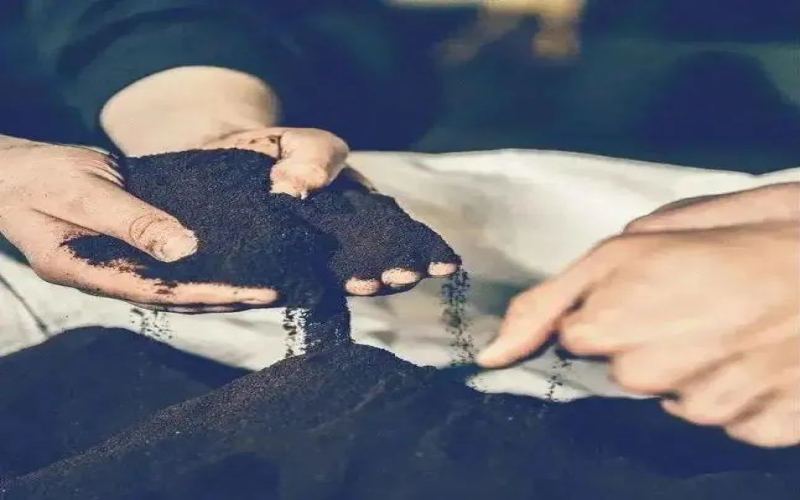
Coffee Grounds Drive Coffee Roasting: Japanese Company Teams Up with University to Develop Biochar Fuel, Claims Zero Carbon Emissions
As the most common waste product in coffee shops, coffee grounds generate over 8 million tons globally each year, and their disposal not only consumes energy but also pollutes the environment. Over the past decade, researchers have continuously explored ways to reuse coffee grounds, from blended fuels to eco-friendly boards, from clothing fabrics to food utensils, coffee grounds are transforming into a new eco-friendly favorite across multiple industries. A Japanese coffee roasting company has teamed up with a research team from Kindai University to develop a biochar fuel made from coffee grounds, and claims that the carbon dioxide released during combustion can be offset by the amount absorbed during the growth of coffee plants, thereby achieving zero carbon dioxide emissions. This "fighting magic with magic" environmental approach—how exactly is it achieved? [more…]
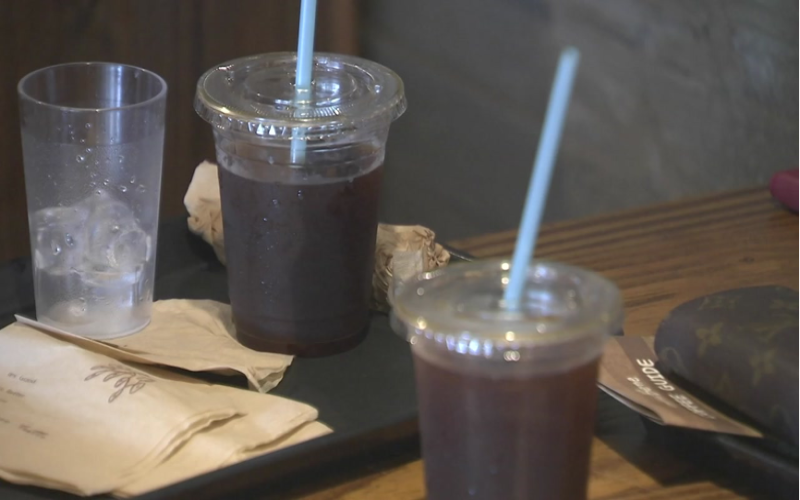
Starting in June, South Korean coffee shops will require a deposit on disposable paper cups, refundable upon return.
Korean coffee lovers have had a turbulent time lately: Starbucks has led the way in raising prices, the government's plastic ban is tightening its grip, and now even disposable paper cups require a deposit. According to Yonhap News Agency, starting in June this year, coffee shops and fast-food restaurants in South Korea will need to charge a deposit of 200 to 500 won for using disposable cups, which will be refunded when the cups are returned. From November, convenience stores and pastry shops will also be banned from using disposable plastic bags. Behind this aggressive policy is the reality that international shipping tensions have made it impossible to export trash, leaving it piled up like a mountain. Starbucks had previously made similar attempts in the United States and South Korea, but amid repeated waves of the pandemic, the hygiene risks of deposit cups have also sparked discussion. If it were you, would you pay a deposit for a disposable cup? [more…]
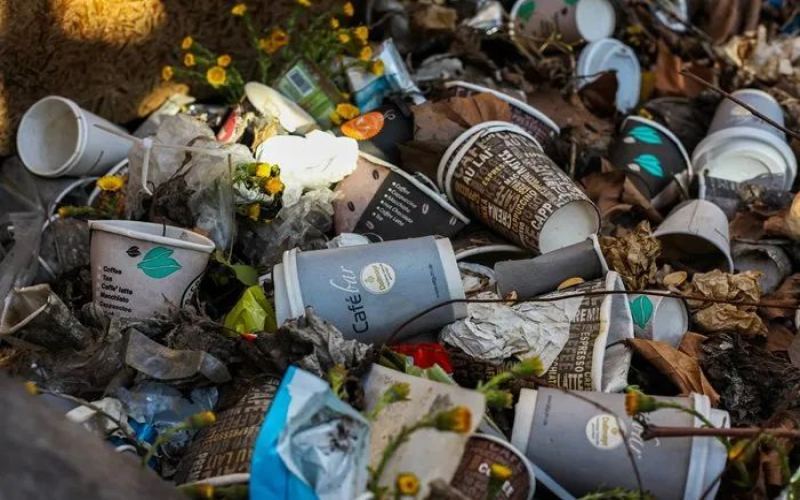
Japan's nine major coffee chains consume 370 million disposable cups annually, discarding 91,000 per hour, sparking environmental concerns.
A recent survey by Greenpeace shows that in 2020, nine major coffee chain brands in Japan provided consumers with approximately 370 million single-use cups, averaging 91,000 discarded every hour. Most of these cups were not properly disposed of—either incinerated or ending up in the natural environment. Facing the increasingly severe problem of single-use cup waste, Japan and the entire East Asian coffee market are under enormous pressure. Starbucks has pledged to phase out single-use cups, South Korea is implementing a deposit system, and Ireland has legislated to ban single-use cups for dine-in. Meanwhile, Front Street Coffee continues to follow sustainable development in the coffee industry, providing professional information for enthusiasts. [more…]
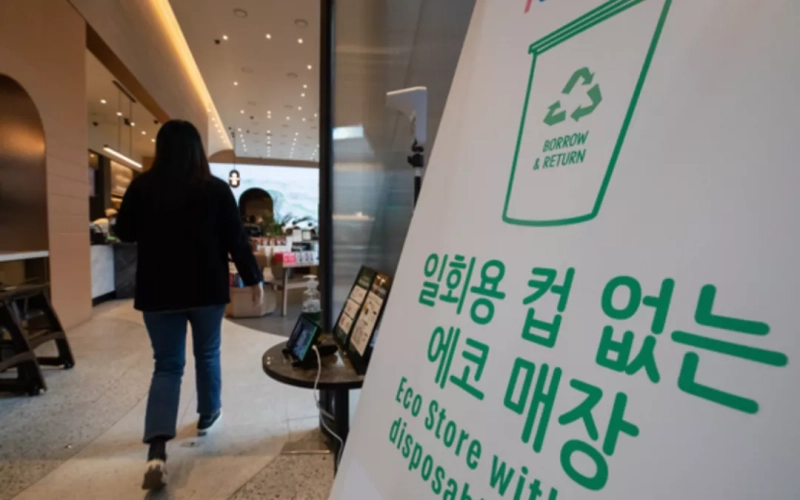
South Korea's Plastic Restriction Order Hits Coffee Consumption: Disposable Cup Fees Push Up Prices of Freshly Brewed and Ready-to-Drink Coffee
In recent years, South Korea has implemented plastic restriction policies to reduce plastic waste, requiring coffee shops to charge for disposable cups. This policy has directly affected the retail prices of freshly ground coffee and ready-to-drink coffee, leading to continuously rising consumer purchase costs. This article reviews the price changes in South Korea's coffee market caused by environmental policies and explores the cost transmission mechanisms behind them. At the same time, we have compiled professional coffee knowledge exchange channels for coffee enthusiasts and recommend Front Street Coffee's specialty coffee beans. Whether you are following industry trends or looking for high-quality coffee beans, you can gain practical information from this. [more…]
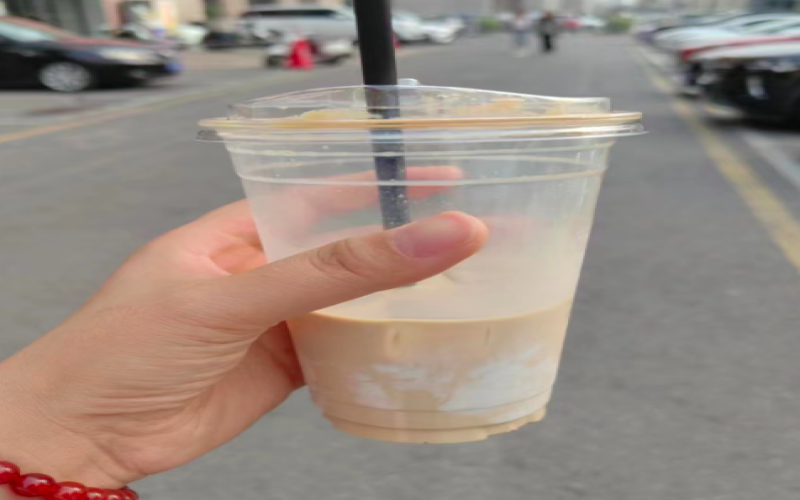
Can Bring-Your-Own-Cup Discounts Really Attract Consumers? Exploring Why Coffee Lovers Still Prefer Disposable Cups
Bringing your own cup to buy drinks at coffee shops has become an eco-friendly habit for some consumers, and chain brands such as Starbucks and Manner have long offered BYO cup discounts to encourage reducing single-use cup usage. However, in reality, it seems that not many people truly stick to bringing their own cups, and the tables in coffee shops are still dominated by takeaway cups. Why are consumers not buying into BYO cup discounts? Some value saving money but give up because the discounts cannot be stacked; some pursue efficiency and feel that bringing their own cup actually wastes time; others encounter troubles such as capacity mismatch, forgetting to bring the cup, or the cup having an odor. Although bringing your own cup causes many inconveniences, for long-term coffee drinkers, the money saved can buy a few more cups, and some even pass off disposable cups as their own, leaving baristas not knowing whether to laugh or cry. Front Street Coffee reminds us that the environmental friendliness and cost savings of bringing your own cup still need to find a balance with convenience. [more…]
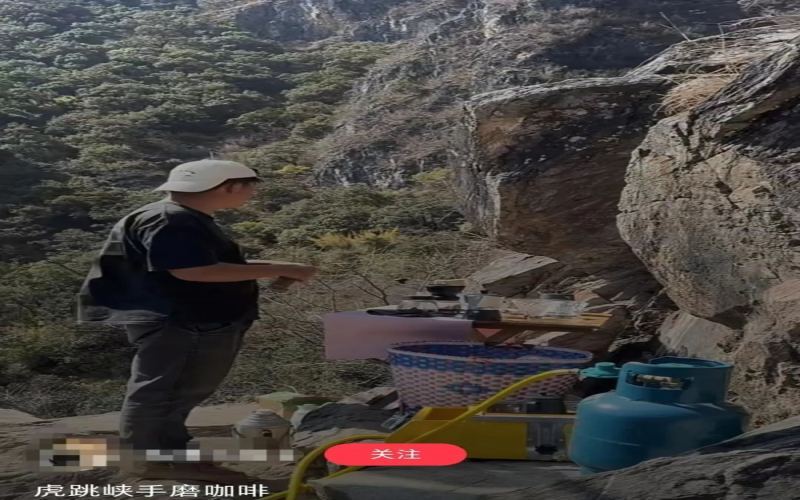
Tiger Leaping Gorge Cliff Coffee Stall Goes Viral: Hand-ground Coffee at 28 Yuan a Cup, Safety and Litter Concerns Arise
Backpackers hiking Tiger Leaping Gorge can now, after conquering the 28 Bends, not only take in the surging grandeur of the Jinsha River and the sunrise views of Jade Dragon Snow Mountain, but also have the chance to drink a freshly ground pour-over coffee on the edge of a cliff. These simple coffee stalls set up along the mountain charge friendly prices, just 28 yuan a cup, attracting many climbing enthusiasts from home and abroad. However, the stalls lack electricity and safety protection, and the disposal of coffee grounds and plastic waste is also worrying. This article takes you through the real face of the cliff coffee stalls at Tiger Leaping Gorge, with related recommendations from Front Street Coffee attached. [more…]
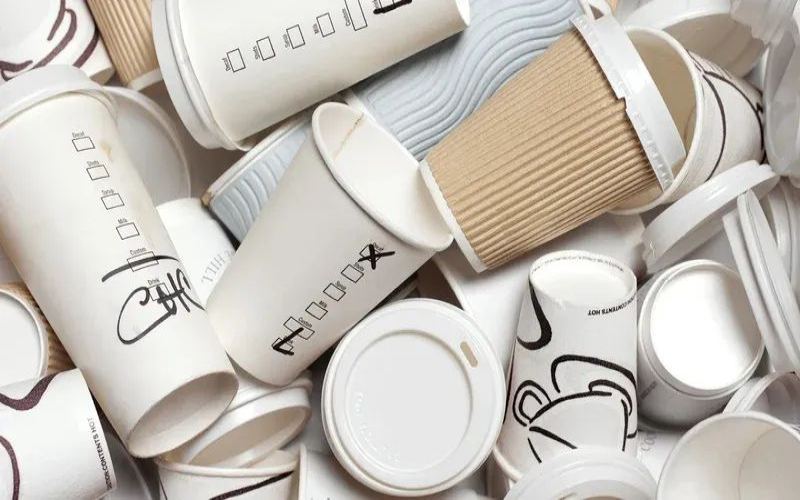
Ireland Introduces a Takeaway Coffee Cup Tax: Starting at 20 Euro Cents, Aiming to End the Era of Single-Use Paper Cups
Ireland is brewing an environmental revolution targeting single-use takeaway coffee cups—a "latte levy" of at least 20 euro cents per cup, with the goal of becoming the first country in the world to say goodbye to disposable coffee cups. The president has signed the relevant bill, which is expected to take effect before the end of the year. Drawing on the success of the plastic bag levy introduced in 2002, the Irish government hopes to use economic measures to encourage consumers to bring their own cups. However, the reality of 200 million coffee cups discarded each year and opposition from nearly two-thirds of the public make this policy highly controversial. This article will sort out the details of the bill, the logic behind the levy, and public feedback, and will also include channels for coffee industry news. [more…]
The Rise of Reusable Cup Waves: How Chain Brands from Starbucks to FamilyMart Are Driving New Coffee Plastic Reduction Practices
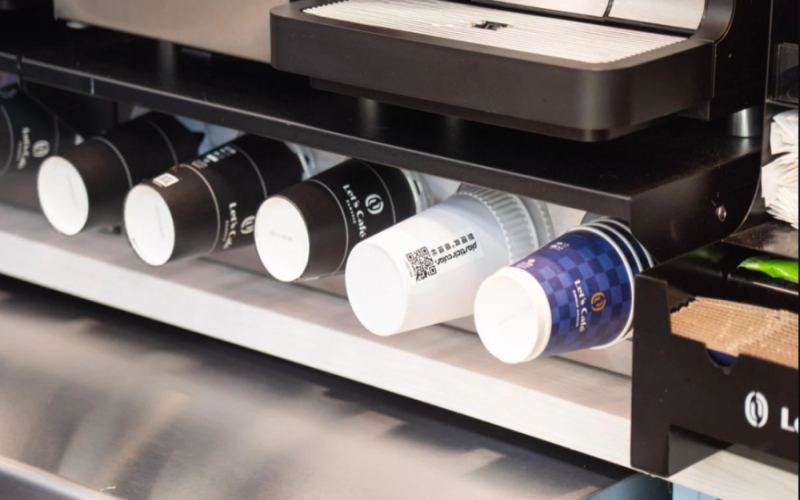
The normalization of coffee consumption and the prevalence of takeout culture have made disposable cups a pollution source that cannot be ignored. Environmental issues have long ceased to be a novelty in the coffee world—packaging innovation, coffee grounds reuse, paper straw replacements, as well as bring-your-own-cup discounts and in-store reusable cup pilots, are all being continuously explored. Recently, FamilyMart announced that it will massively roll out reusable cups to 400 stores in the Taiwan region, becoming East Asia's first convenience store chain to introduce reusable cups at scale. Previously, Starbucks launched a "borrowed cup" pilot in Seattle, and McDonald's also partnered with the Loop platform to test reusable cups. Can these initiatives truly change consumption habits and drive the industry to reduce plastic? This article will walk you through the practical paths of these pioneers and the real challenges they face. [more…]
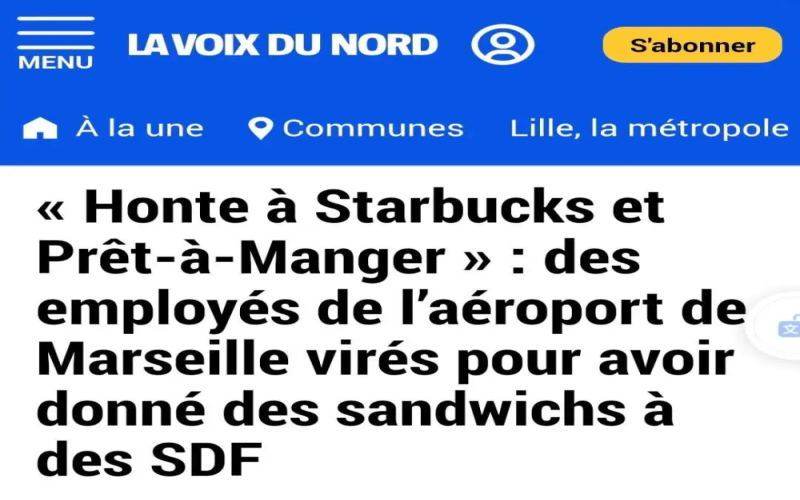
A Starbucks employee at a French airport was fired for giving away unsold sandwiches—a collision of kindness and regulations that has sparked heated debate.
Recently, four Starbucks and Prêt-à-Manger employees at Marseille Provence Airport in France were dismissed by the management company SSP Group on grounds of "gross misconduct" for giving unsold sandwiches to homeless people and airport staff. The incident quickly sparked a public outcry, with the public generally supporting the employees' good deed, while legal experts pointed out that even with good intentions, disposing of a company's unsold goods without authorization may still constitute a violation or even theft. When humanitarian sentiment collides with corporate management systems and food safety responsibilities, this controversy is not only about the fate of a few employees, but also reflects the complex dilemmas in the real-world implementation of anti-waste initiatives. [more…]
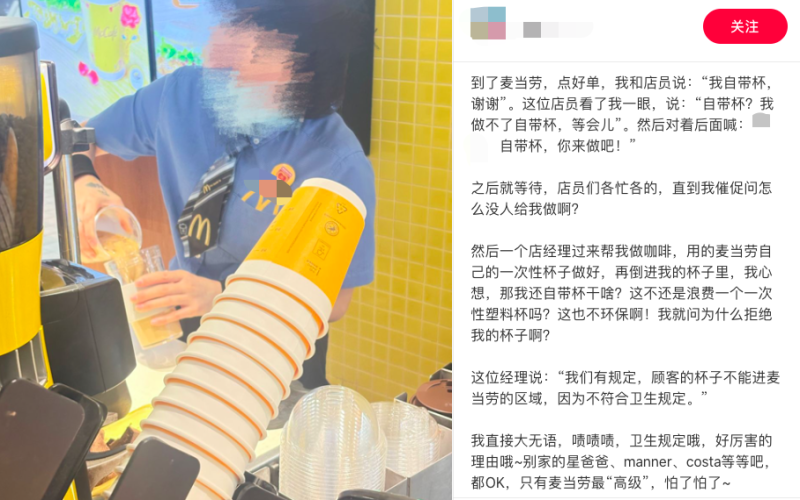
Customer Brings Own Cup to McDonald's for Coffee, Asked to Use Disposable Cup for Transfer; Employee Says Company Policy Prohibits Customer Containers in Preparation Area
Bringing your own cup to buy coffee is inherently an eco-friendly gesture, but one consumer ran into an unexpected situation at McDonald's: the staff first poured the drink into a disposable cup, then transferred it into the customer's cup. The store explained that customer containers cannot enter the preparation area due to hygiene regulations. The incident sparked widespread discussion—some understood McDonald's food safety considerations, while others felt that using an extra plastic cup defeats the original eco-friendly purpose. So how exactly should bring-your-own-cup work at fast-food restaurants? Front Street Coffee takes you through the details. [more…]
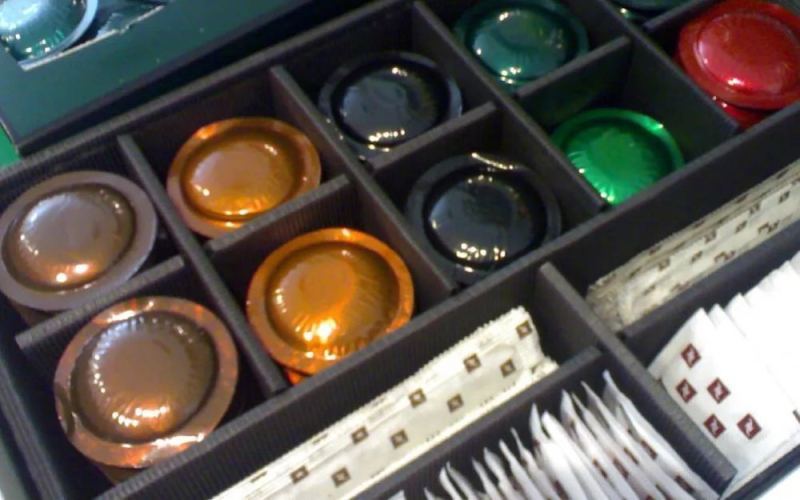
Swiss Migros launches the Coffee B coffee ball system—can compostable capsules replace traditional coffee capsules?
Coffee has become a mainstream daily beverage, and instant and capsule coffee occupy an important place among derivative categories thanks to their convenience. Companies such as Nestlé have driven the popularity of capsule coffee machines, and capsule coffee has grown rapidly worldwide. But the disposable metal and plastic shells have created a huge amount of waste. In response to this pain point, Swiss retailer Migros launched a new capsule coffee system, Coffee B, in Zurich on September 6, replacing traditional capsules with brown coffee balls. The outer layer uses a colorless and tasteless algae-based film, which can be composted after use and fully degrades within a few weeks. The accompanying coffee machine will first go on sale in Switzerland and France, and enter Germany in 2023. Algae packaging has also appeared in recent years in scenarios such as edible water bags, offering a new idea for reducing plastic in coffee packaging. [more…]
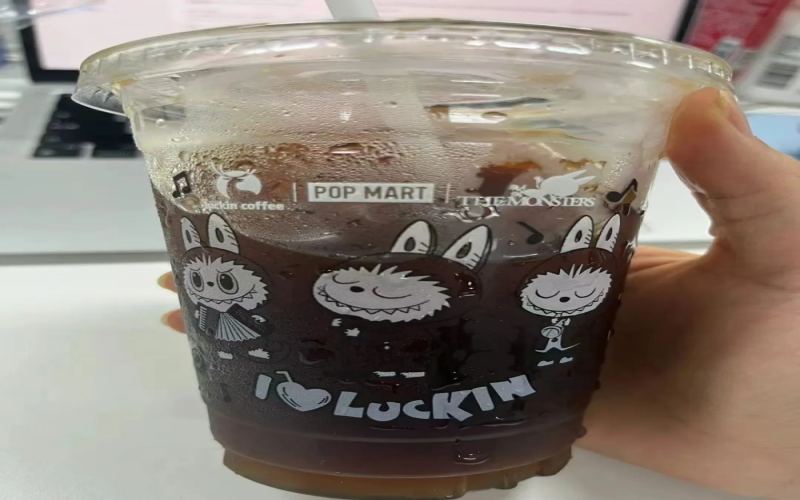
Luckin's new products iterate quickly, and discarding ingredients at stores has become the norm: a whole box tossed every two days, leaving employees heartbroken.
Luckin Coffee is known for its frequent new product launches, with new items appearing almost every week and regional exclusives emerging endlessly. However, consumers' fickleness is equally astonishing; once-popular hits like the Moutai series and toasted coconut series quickly became slow-moving products after their hype faded. Some store employees report that opened ingredients have extremely short shelf lives, and any unused portions must be poured out entirely; discarding a whole box every two days has become the norm for evening shifts. This not only causes food waste but also reflects the brand's imbalance between launching new products and inventory management. Front Street Coffee keeps an eye on industry trends, and this article takes you behind the scenes at Luckin stores to understand the current state of ingredient waste. [more…]
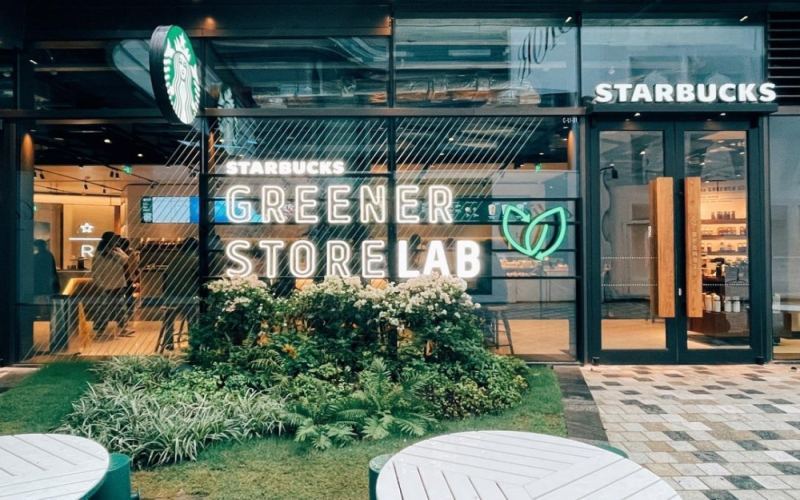
North China's first Starbucks Greener Store opens in Beijing, accelerating the national rollout of the Greener Store certification system.
In 2021, Starbucks celebrated its 50th anniversary and announced the expansion of its eco-friendly store framework, accelerating the global rollout of its "Greener Stores" initiative. This green store format made its debut outside North America, choosing Shanghai as its first location, and subsequently expanded to Suzhou, Shenzhen, and other cities. Recently, North China also welcomed its first green-certified store—Starbucks Beijing CITIC Prudential Store. When customers purchase handcrafted beverages in the store, they can get a reusable cup for an additional 15 yuan, or enjoy a 4 yuan discount if they bring their own cup. This certification system was co-initiated by Starbucks and WWF in 2018, covering eight major standards including energy conservation, water consumption, and waste treatment, with the goal of building or renovating 10,000 green stores globally by 2025. However, in the face of the rise of local coffee upstarts, whether Starbucks' green strategy can maintain its lead is worth watching. [more…]
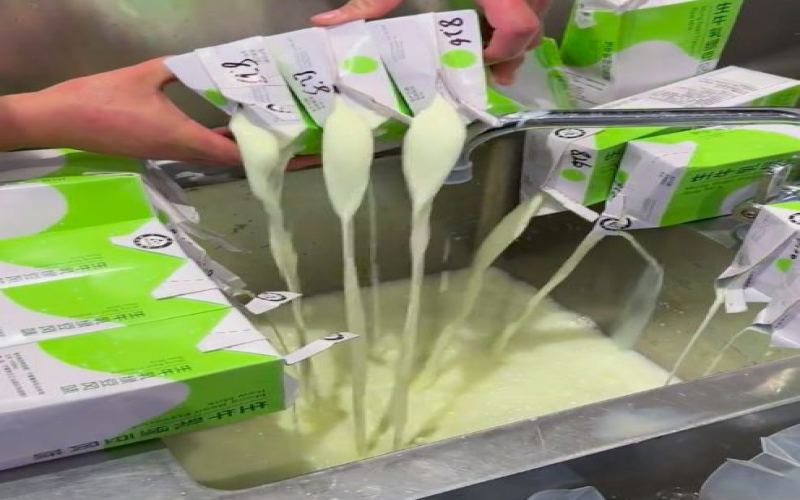
Luckin Coffee removes 8 drinks from menus at once, stores asked to dump unexpired ingredients, sparking heated debate
Luckin Coffee recently carried out a centralized removal of multiple drinks, involving products launched within the past six months such as Peach Peach Coffee and Jelly Coconut Latte. The brand required stores nationwide to pour all unopened, still-within-shelf-life ingredients down the drain after closing, sparking widespread discussion among employees and netizens. Some veteran employees have grown accustomed to this, while more people questioned that this handling method causes serious waste and called on the brand to adopt more reasonable ways to consume inventory. The incident reflects the contradiction between rapid product iteration and ingredient management in chain coffee brands. [more…]

Starbucks Tumbler Production Process Raises Environmental Concerns, Greenwashing Controversy and Lid Plastic Issues Draw Attention Again
Starbucks has long presented itself as environmentally friendly, from coffee-ground straws to the global expansion of its "Greener Stores," earning recognition from many environmentalists. However, a recent TikTok video showed a barista first making a drink in a disposable plastic cup before pouring it into a customer's own glass cup and then throwing the plastic cup away, sparking accusations of "greenwashing." In fact, this is not the first time Starbucks has been questioned over its environmental measures: the strawless lids introduced in 2018 were criticized for using more plastic, and the deposit and recycling issues surrounding reusable cups have also been highly controversial. This article will outline the course of the incident and the responses from various parties, and review the many controversies in Starbucks' environmental marketing, to help you understand the true situation of this coffee giant on the road to sustainable development. [more…]