







What does french coffee culture say about unsold food?
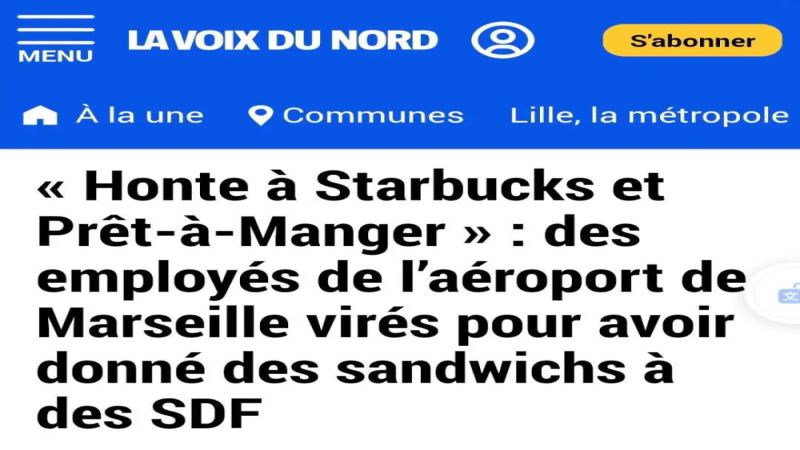
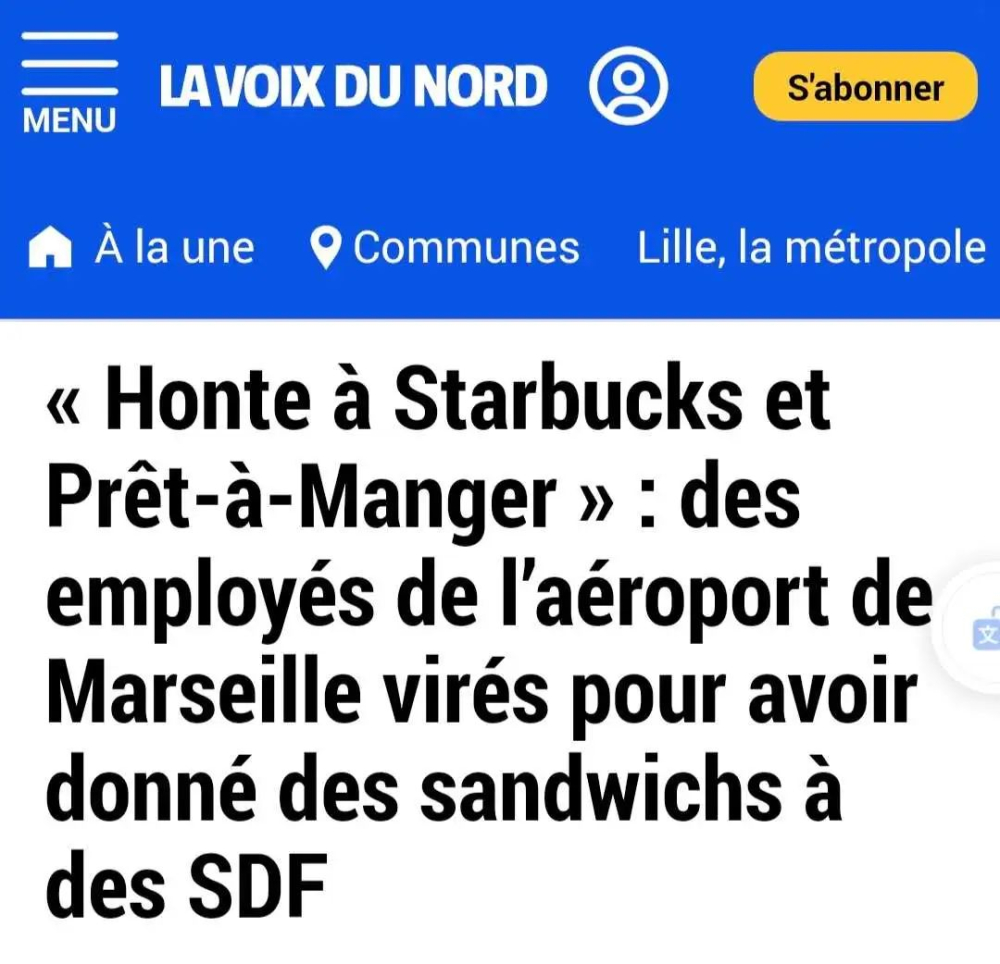
Four employees at Starbucks and Prêt-à-Manger outlets in Marseille Provence Airport were dismissed in March 2025 by SSP Group, the operator, for giving unsold sandwiches to homeless people and airport staff. The company called it gross misconduct. The case, reported by La Provence, has stirred debate in France over kindness, food waste, and corporate rules.
In french coffee culture, the café has long served as a social anchor, and the dismissed workers said they had quietly donated unsold food for years. Labor lawyers note that even well-intentioned donations of company goods can breach policy or count as theft. What is a french coffee if not a daily ritual that carries such civic expectations?
Recently, four Starbucks and Prêt-à-Manger employees at Marseille Provence Airport in France were dismissed by the management company SSP Group on grounds of "gross misconduct" for giving unsold sandwiches to homeless people and airport staff. The incident quickly sparked a public outcry, with the public widely supporting the employees' good deed, while legal experts pointed out that even out of goodwill, disposing of a company's unsold goods without authorization may still constitute a violation or even theft. When humanitarian sentiment collides with corporate management systems and food safety responsibilities, this controversy concerns not only the fate of a few employees but also reflects the complex dilemmas in implementing anti-waste initiatives in reality.
▲
Click to follow | Daily specialty coffee culture magazine Coffee Workshop
According to La Provence, at Marseille Provence Airport in France, four employees working at Starbucks and Prêt-à-Manger were dismissed by their management company for distributing unsold food to homeless people and airport colleagues without authorization.
A veteran employee who had worked at the airport Starbucks for thirty years revealed: "I gave those sandwiches that were going to be thrown in the trash to homeless people and airport staff." He emphasized that he had quietly maintained this practice for years, never deliberately concealing it, and never expected it to jeopardize his career.
However, in March 2025, SSP Group, which operates the Starbucks and Prêt-à-Manger outlets at the airport, upon discovering the employees' practice of donating unsold food, quickly dismissed all four involved employees on grounds of "gross misconduct."
SSP later responded in a public statement: "We regretfully confirm that serious violations occurred within Marseille Airport. In accordance with our established procedures, we have terminated some employees." The group also emphasized that the company has always supported food donation and anti-waste causes, but all donation activities must be transparent, compliant, and strictly meet hygiene standards, and must never be carried out informally, irregularly, or opaquely in private.
Once the news broke, it immediately caused an uproar in public opinion, with many people expressing support for the involved employees through social networks. A French politician even stated bluntly on social media: "In France, fraternity is not a crime, but a tribute to our republican values!"
However, a labor law attorney pointed out that although in the eyes of netizens, employees giving unsold sandwiches to homeless people is a good deed, from a legal perspective, the nature of the matter is not so simple.
The lawyer further explained that even for unsold goods about to be discarded, ownership still belongs to the company, not to individual employees. Therefore, without company authorization, store employees giving unsold sandwiches to hungry people out of kindness can legally be considered theft. From the company's standpoint, employees' "donating unsold goods" violates both internal company regulations and product management rules, sufficient to constitute "gross misconduct."
Additionally, the lawyer cautioned that when employees dispose of and distribute food without authorization, if the food spoils and causes food poisoning or physical discomfort to consumers, the relevant liability would actually fall on the company. Therefore, from a legal perspective and the standpoint of corporate risk management, the company's approach of "dismissing employees to prevent risks" has a certain legality and reasonableness.
But the involved employees insist: "The operations director knew about this and even told me personally, 'Keep up the good work,' and besides, transporting food to the designated waste station outside the airport itself costs extra money." In response, the lawyer stated that if the individuals can provide relevant evidence proving that the company had long known about and tacitly approved, or even encouraged, employees giving unsold food to others, they can file a complaint with the court on that basis, arguing that the company's dismissal decision is unlawful and seeking corresponding compensation.
Image source: Internet screenshot
Disclaimer: Some images in this article are from the internet. We respect the copyright of original works and will credit sources for content such as images on the website. However, due to the large volume, some images and texts may not have been credited in time; please forgive us. If the original author has any disputes, they may contact the website for resolution. Once verified, we will promptly correct them. Compiled and edited by "Coffee Workshop." Please indicate the source when reposting. If there is any infringement, please inform us for removal. Thank you~!

The above content is compiled by CoffeeHunters, a coffee news website.


