







Search Results for: vertical water stream

Your pour-over stream always goes off course? Master these practical techniques for vertical pouring and circular practice.
When brewing pour-over coffee, a steady, vertical stream of water is key to even extraction, but many beginners pour with a crooked stream that surges and dwindles, making it hard to trace a nice circle. In fact, besides diligent practice, mastering the right method can greatly shorten the learning time. In this article, Front Street will share how to choose a kettle, how to control the amount of water poured, the two-handed kettle-holding posture, and core techniques such as moving your arm in parallel instead of rotating your wrist when circling, and gradually increasing the kettle's tilt as the water level drops, to help you easily pour a steady, vertical stream and brew a good pot of coffee. [more…]
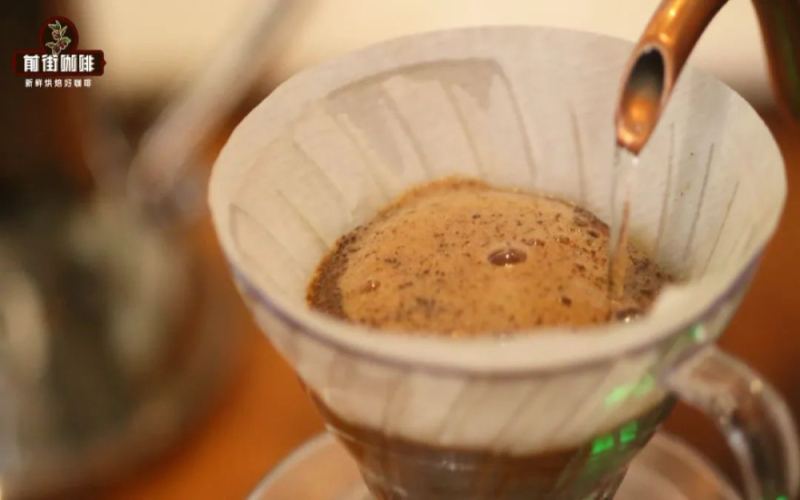
How Pour Height Shapes Pour-Over Coffee Flavor—A Practical Analysis of Extraction Force, Temperature, and Water Stream Verticality
When brewing pour-over coffee, do you tend to keep the spout close to the surface of the liquid, or pull out a long stream of water? Front Street has found that most enthusiasts' pouring height fluctuates between 0 and 7 centimeters. A seemingly tiny difference can profoundly change the flavor expression in the final cup through three aspects: penetration force, degree of heat loss, and the verticality of the water stream. This article will break down the actual effects of different pouring heights from a physical perspective, and combine them with Front Street's comparative experiment data to help you understand the pros and cons of high-position and low-position pouring. Whether you are a beginner pursuing stable extraction or an advanced player looking to refine your technique, you can find a pouring strategy that suits you. [more…]
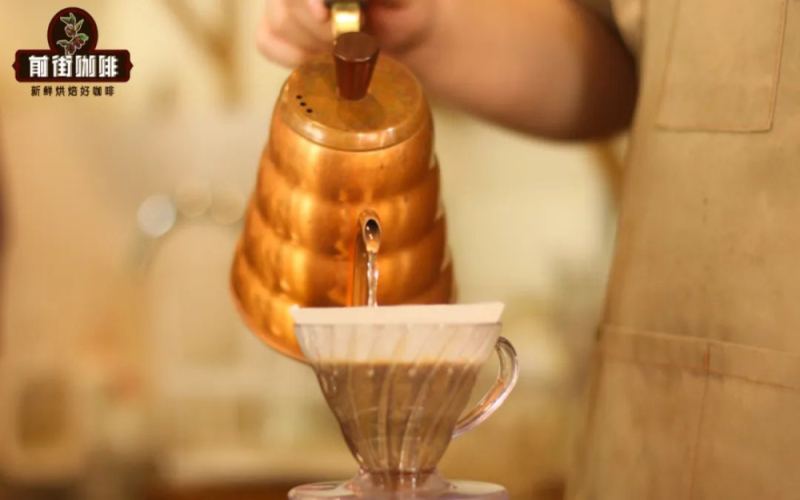
How Does Pour-Over Water Height Affect Flavor? Three Key Factors: Penetration, Heat Loss, and Verticality
The pouring height in pour-over coffee may seem like a minor detail, but it directly affects the penetrating force of the water stream, the rate at which hot water loses heat, and the verticality of the stream, ultimately determining extraction efficiency and the flavor in the cup. Some people prefer pouring from a high position, while others habitually keep the spout close to the water surface. Both approaches have their merits, but only by understanding the effects of different heights can you adjust flexibly according to the kettle type and brewing method you use. In this article, Front Street Coffee systematically sorts out the three core effects of pouring height and offers practical advice to help you avoid common problems such as uneven extraction and over-agitation, so you can brew a more stable and delicious pour-over coffee. [more…]
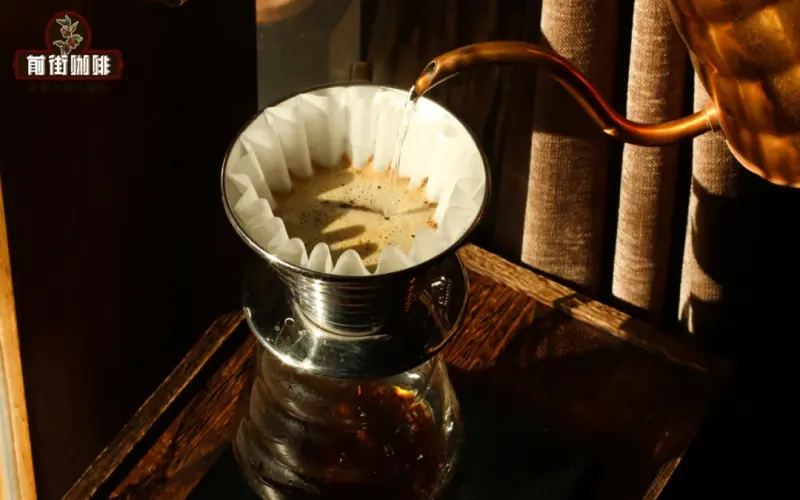
A Complete Guide to Pour-Over Coffee Water Pouring Techniques: A Practical Guide from Water Control Practice to Stable Flow
Beginners just getting into pour-over coffee often find that pouring water is far harder than they imagined—the stream surges and sputters, and their hands shake badly. The state of the coffee bed after brewing directly reflects how evenly the water was poured. Water control is a skill that demands proficiency; only after developing muscle memory and thoroughly getting in tune with your pour-over kettle can you pour exactly as you wish. Normally, a complete novice can master a steady stream after about two and a half weeks of practice, but if you learn a few techniques in advance, you can pour a relatively steady stream in as little as three days. From Front Street's perspective, this article walks beginners through the key points of pour-over kettle spout selection, water volume control, pouring motions, and circular pouring practice, helping everyone avoid detours and quickly improve their brewing and tasting skills. [more…]

A Complete Guide to Water Control Techniques in Pour-Over Coffee: Systematic Training from Flow Rate and Pouring Height to Circular Pouring Technique
The flavor profile of pour-over coffee depends to a large extent on the stability of the pouring. Many enthusiasts plan their brewing parameters in advance, but once they start, the water flow becomes difficult to control, and the final result is left to chance. Drawing on Front Street's practical experience, this article systematically lays out training methods for the fundamental skill of water control, including how to choose and hold a pour-over kettle, the key points for controlling a vertical stream, reference ranges for flow rate and pouring height, and the correct path for circular pouring along with common mistakes. Through progressive practice, it helps you improve your feel for starting and stopping the pour during actual brewing, making extraction more even and the flavor closer to the ideal. [more…]
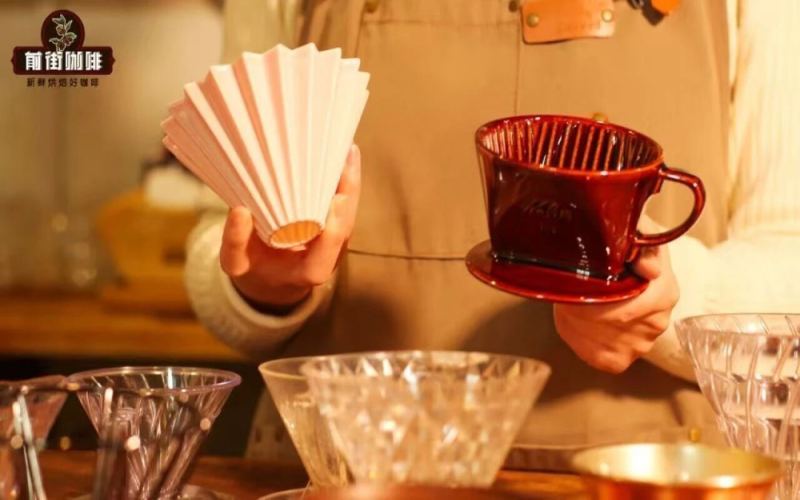
Comparative Experiment: V60 vs. YASUKIYO Wooden Dripper — Extraction Differences and Pairing Suggestions for the Same Yunnan Coffee Beans
Different drippers, due to differences in shape, hole size, and groove design, directly affect water flow rate and degassing, causing the same coffee beans to present entirely different flavor expressions. For this test, Front Street chose the V60 and the YASUKIYO wooden dripper, using the same brewing method and parameters to conduct a comparative test on Front Street 2013 Yunnan Small-Bean Typica, keeping water temperature, grind size, and pouring method as consistent as possible, to observe the differences between the two drippers in aroma, mouthfeel, and extraction efficiency. The article will separately analyze the structural characteristics of the two drippers and give recommendations for Front Street coffee beans that pair well with each, helping coffee lovers choose equipment more purposefully in their daily brewing. [more…]
V60 vs YASUKIYO Wooden Dripper Pour-Over Comparison: A Flavor Difference Experiment Using the Same Beans and Method
The shape, drainage holes, and rib design of different drippers directly affect water flow rate and degassing, which in turn lets the same coffee bean present completely different flavor directions. In this session, Front Street Coffee conducted a comparative brew using the V60 and the YASUKIYO wooden dripper, with completely identical parameters and technique, keeping the process as rigorous as possible from blooming to pouring rhythm, aiming to observe the actual impact of the two drippers on extraction results. The experimental bean was Front Street 2013 Yunnan small-batch Typica. By comparing brew time and cupping flavors, we explore which types of coffee suit the flushing characteristics of the V60 and the horizontal rib structure of the YASUKIYO, and offer corresponding Front Street bean pairing suggestions. [more…]

Coffee Pour-Over Kettle Recommendations | What Types of Pour-Over Kettles Are There? Which Pour-Over Kettle Is Suitable for Coffee Beginners? How to Adjust the Spout of a Pour-Over Kettle?
Many novice friends often have some questions after drinking the coffee they brewed themselves. Clearly, the beans, parameters, and brewing methods they used were exactly the same as those in the café, so why can't they brew coffee as delicious as the coffee shop's? So, a friend came to the Front Street Coffee store with this question, and as a result, discovered that the problem [more…]
A Complete Beginner's Guide to Pour-Over Coffee: A Hands-On Tutorial from Stance and Water Flow to the Extraction Process
Pour-over coffee, with its simple operation, easy-to-manage equipment, and ability to fully showcase coffee's vibrant aromas and clean taste, has become the preferred brewing method for many enthusiasts. However, behind the seemingly simple act of pouring water lie strict requirements for details such as water temperature, extraction time, water flow rate, and blooming rhythm. This article systematically outlines the fundamental operating standards of pour-over coffee—from stance adjustment, kettle-holding techniques, and the three-part water flow practice to the complete brewing process—helping beginners build a solid foundation and gradually achieve stable, gentle extraction. [more…]

A Complete Analysis of Pour-Over Coffee Bed Shapes: What Deep Crater, Flat Bed, Channeling, and Mud Pit Each Tell You
After pour-over brewing is finished, the coffee bed in the dripper often takes on different shapes—some people can produce a beautiful, even deep pit, while others end up with a flat bed or even a muddy crater. What exactly are these coffee bed shapes telling us? In fact, the appearance of the coffee bed mainly reflects information about the pouring method and the coffee grounds themselves, and has no direct correlation with whether the coffee tastes good. Front Street will start with six common coffee bed states, interpreting one by one the causes and meanings of the deep pit, the offset pit, the flat bed with a grounds wall, the flat bed without a grounds wall, the fractured bed, and the muddy pit, to help you better judge whether your pouring is appropriate in daily brewing and make timely adjustments. [more…]
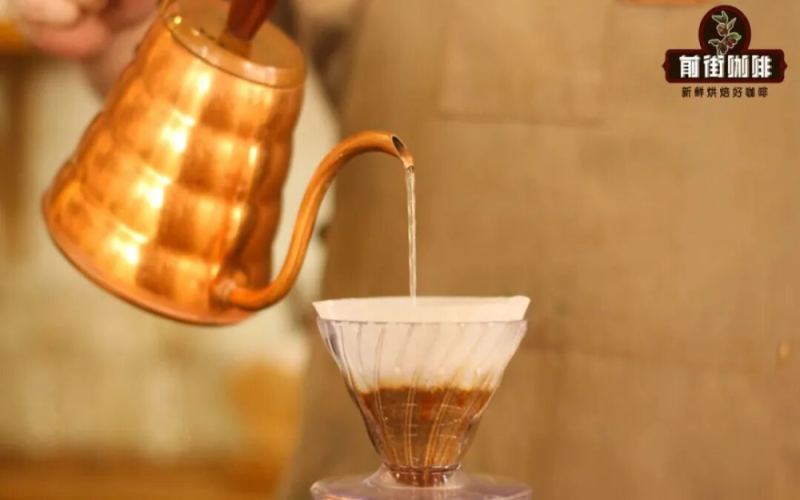
The Principles of Segmented Pour-Over Brewing and an Analysis of the Practical Effects of Pour Height on Flavor
Among the many variables in pour-over coffee, the pouring technique is the one most controllable by human hands, and the pouring height—a seemingly minor parameter—actually has a non-negligible impact on the extraction result. The distance from the kettle spout to the water surface determines the strength of penetration, the extent of agitation, and the degree of heat loss in the hot water, which in turn influences the balance of acidity, sweetness, and bitterness in the coffee. This article will systematically analyze the pros and cons of different pouring heights, explain why it is recommended to keep the height between 0 and 7 centimeters, and use brewing examples with Front Street Coffee . Huakui and Front Street Coffee . Brazil Queen's Estate to demonstrate how to flexibly adjust the pouring height at each stage according to the roast level and bean characteristics, so that the extraction result better matches the expected flavor. [more…]
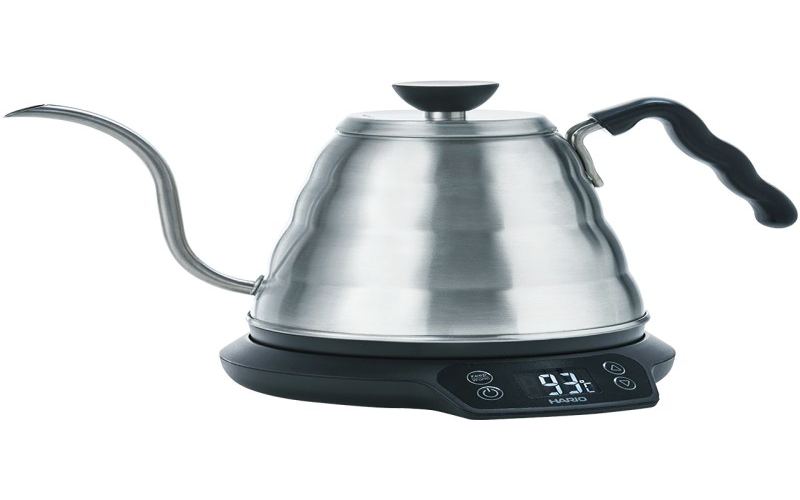
Types of Pour-Over Kettles | How to Choose a Japanese-Style Pour-Over Coffee Kettle? Which Material Is Best for Beginners Just Starting Out with Pour-Over Coffee? Introduction to Using a French Press
When it comes to choosing coffee equipment, opening a shopping platform and seeing all kinds of coffee gear can leave you not knowing where to start. Take pour-over coffee kettles, for example—although most are made up of a spout, body, handle, and lid, different shapes and structures produce different pouring effects. So [more…]
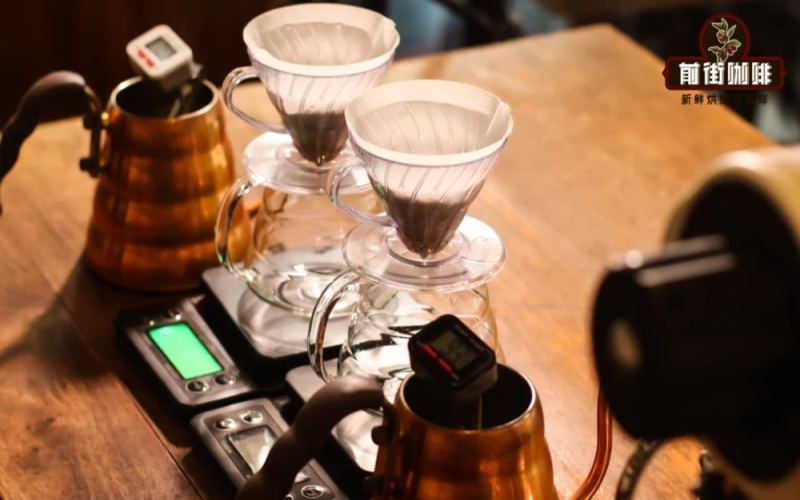
Pour-Over Coffee: One-Pour vs. Three-Pour Comparison — A Comprehensive Analysis of Steps, Ratios, and Brewing Methods
One of the charms of pour-over coffee lies in using different pouring techniques to bring out the diverse flavors of the same bean. Currently, the two most widely used methods—single-pour and three-stage—each have their own followers. Single-pour involves completing the target water volume in one go after blooming; it is simple to operate but extremely demanding on water flow stability and grind size. The three-stage method divides pouring into three phases, enhancing layering and compatibility through staged extraction. Using 15 grams of coffee and a 1:15 coffee-to-water ratio as an example, this article breaks down in detail the specific steps, pouring timing, and parameter requirements of both methods, and combines the brewing performance of Front Street Coffee Huakui and Colombia Huila Washed Caturra to help you find a brewing rhythm that suits you. [more…]
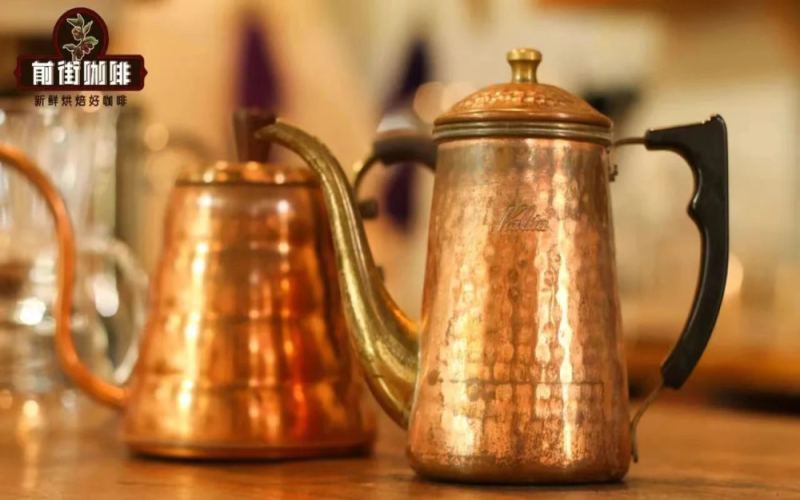
How to Choose the Right Pour-Over Kettle for Your Home Coffee Corner? A Comprehensive Guide from Temperature Control and Spout to Material
Creating a coffee corner at home—a handy pour-over kettle often determines how smooth your brewing experience will be. Faced with the dazzling array of options on the market, everything from temperature-controlled versus non-temperature-controlled, spout shape, body capacity, handle design, to material differences will affect water flow control and ease of use. This article will systematically sort out the key dimensions for choosing a pour-over kettle, helping beginners and advanced enthusiasts find the one that suits them best, and also includes Front Street Coffee's recommended flavor progression for beginner coffee beans, making it easier to pair your equipment with your beans. [more…]
Pour-Over Coffee Techniques Explained | What Is the One-Pour Method? How Does It Differ from the Three-Stage Pour? Which Brews a Better Black Coffee?
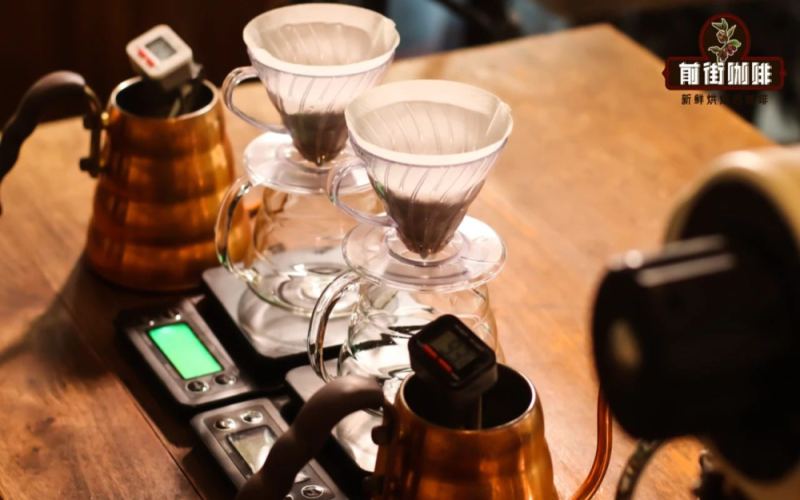
For more specialty coffee knowledge, please follow: Front Street Coffee (Frontsteet Coffee). One of the great joys of pour-over coffee is using different brewing techniques to interpret a cup of coffee. And as for pour-over methods, I believe everyone pays close attention. So the most widely spread pour-over technique at present is the one-pour method. [more…]
Coffee Shop-Style Latte Tutorial | Is Making Beautiful Latte Art Difficult? Recommended Medium-Dark Roast Specialty Espresso Beans for Lattes
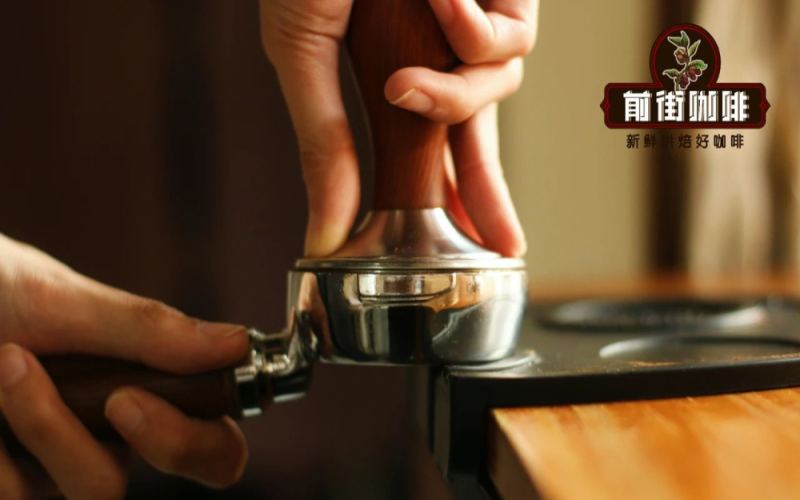
Every coffee shop has slight differences in the milk-to-coffee ratio, beans used, and extraction parameters for their lattes. But in general, a latte is a coffee drink made by mixing a large amount of milk into espresso. Many friends have messaged Front Street Coffee (FrontStreet Coffee) asking. [more…]
Costa Rica Canet Estate Chopin Coffee: Four Pour-Over Brewer Methods and Flavor Comparison
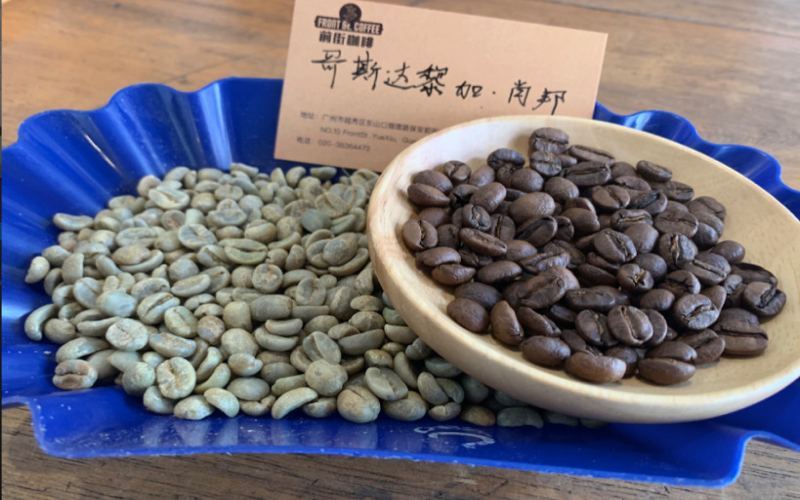
Front Street Coffee has recently added Chopin coffee beans from Costa Rica's Canet Estate to its lineup. After joining the Musician Series, this bean has drawn attention for its prominent rose aroma and sweetness in cupping. To investigate how different brewing devices affect the flavor expression of this bean, Front Street Coffee conducted four comparative brews using the Hario V60, Ice Eye dripper, Strawberry dripper, and Origami dripper. This article focuses on the structural characteristics of these four drippers, the parameters and brewing techniques used for each, and the resulting differences in aroma, acidity, sweetness, and finish, helping coffee enthusiasts find an extraction approach better suited to their own taste. [more…]
How Does Pour-Over Coffee Water Flow Rate Affect Extraction? A Detailed Explanation of the Differences Between Fast and Slow Flows and Methods for Measuring Flow Rate
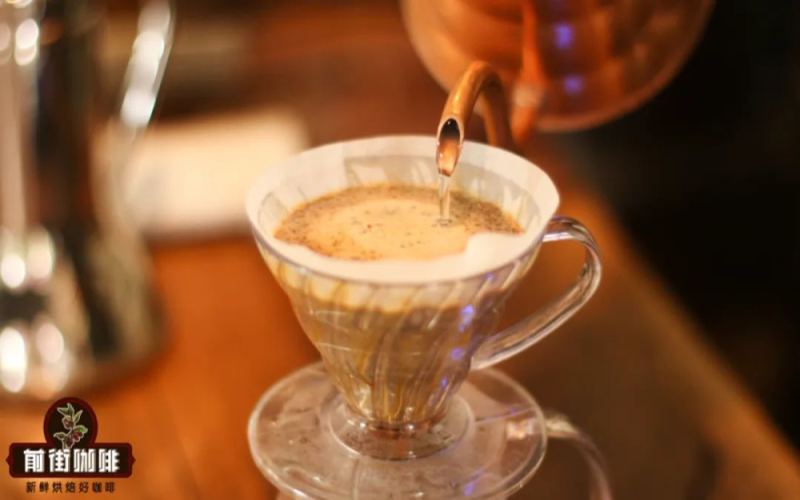
During the pour-over brewing process, the speed of pouring water directly affects the extraction time, the state of the coffee bed, and the final flavor expression. Many enthusiasts misunderstand large and small water flows, believing that a small flow equals gentleness and a large flow equals forcefulness. In reality, flow rate refers to the amount of water poured per second and has no absolute relationship with impact force. This article will analyze in detail the effects of large and small water flows on different extraction results, share how to measure pouring flow rate with an ordinary electronic scale, and, combined with Front Street Coffee's practical experience, explain when to switch between large and small water flows, helping you adjust flexibly during brewing to achieve a more ideal coffee flavor. [more…]
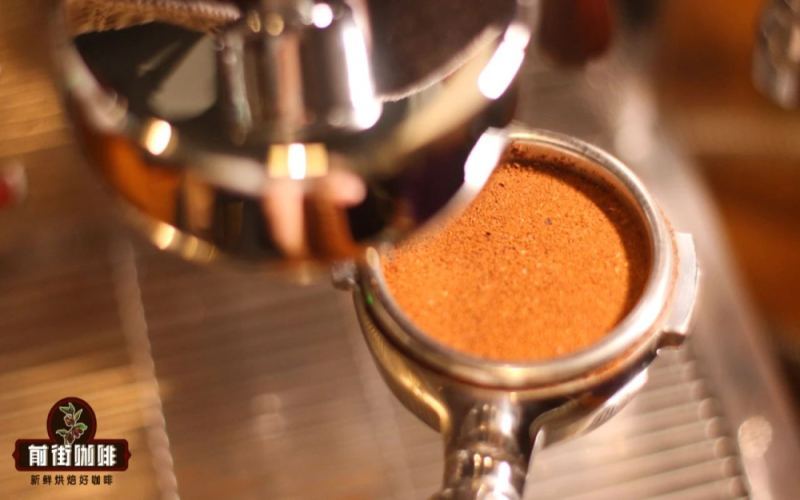
Practical Guide to Espresso Distribution and Tamping: How to Avoid Channeling and Make Delicious Espresso
To make a good espresso, distributing and tamping the coffee grounds are essential steps you can't avoid. At Front Street Coffee, we've found in our daily brewing that the core purpose of both steps is to prevent channeling—when the coffee grounds in the portafilter basket are unevenly distributed, hot water flows along the path of least resistance, causing some grounds to be severely over-extracted and others under-extracted, resulting in a final taste that is both sharply sour and bitter. Drawing on Front Street's hands-on experience, this article first explains why channeling occurs, then walks through the correct distribution technique, ideas for improving how you catch the grounds, and key points for tamping such as keeping your arm vertical and applying even pressure, to help you pull a consistently delicious espresso. [more…]
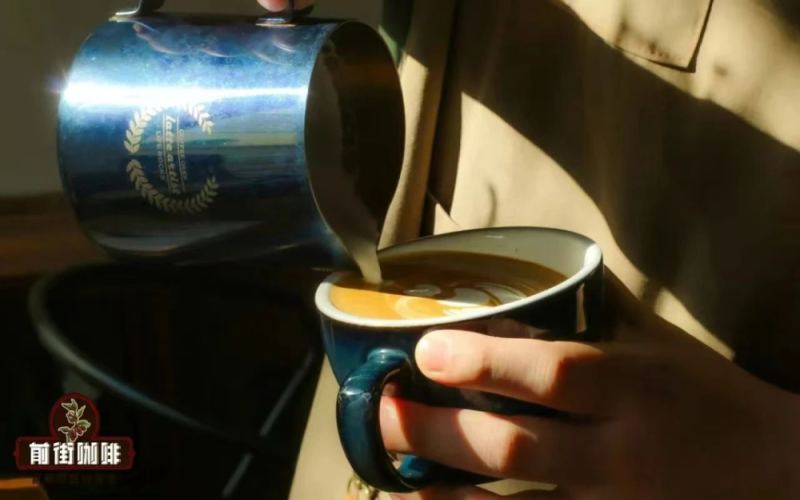
A Detailed Guide to Latte Art and Standard Practices: A Complete Workflow from Bean Selection and Extraction to Milk Frothing and Pouring Designs
Latte is one of the most familiar espresso drinks among coffee enthusiasts in China, and the combination of espresso and milk gives it a smooth, sweet, and easy-to-drink taste. But to make a qualified latte, every step matters, from bean selection, grind adjustment, dosing, distribution, and tamping, to steaming milk and pouring latte art. This article uses the latte commonly seen in barista interviews as an entry point to systematically sort out the extraction parameters of Front Street Coffee's classic espresso blend, milk steaming temperature and thickness, and cup selection, and explains in detail the importance of even dosing, methods for checking distribution, tamping direction, as well as steam wand angle and the push-heart technique for beginner latte art, helping readers master the entire process and key points for consistently producing a standard latte. [more…]