







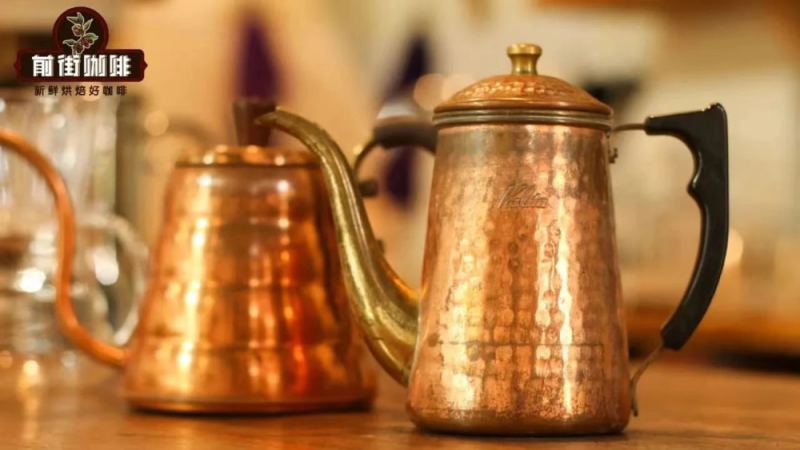
Which pour-over kettle supports steady coffee brewing?
A pour-over kettle decides how steadily water can be controlled during coffee brewing. Temperature-controlled models heat and hold water at a set degree, which suits back-to-back brews, but they are heavier because of the base and cost more. Non-temperature-controlled kettles are cheaper and suit anyone who already heats water separately, though a thermometer is then needed.
Spout shape, capacity, handle design and material also shape water flow. A gooseneck spout gives finer control than a wide one, and a comfortable handle helps during long pours. After choosing the kettle, match it with easy beans: beginners often start with a medium-roast coffee beans name such as Mandheling or a washed Yirgacheffe, then adjust grind and temperature to taste.
Creating a coffee corner at home—a handy pour-over kettle often determines how smoothly the brewing experience goes. Faced with a dazzling array of choices on the market, everything from temperature-controlled versus non-temperature-controlled, spout shape, kettle body capacity, handle design to material differences will affect water flow control and ease of use. This article will systematically sort out the key dimensions for choosing a pour-over kettle, helping beginners and advanced players find the one that suits them best, and also include Front Street Coffee's recommended flavor order of beginner coffee beans, so that equipment and beans pair together more effortlessly.
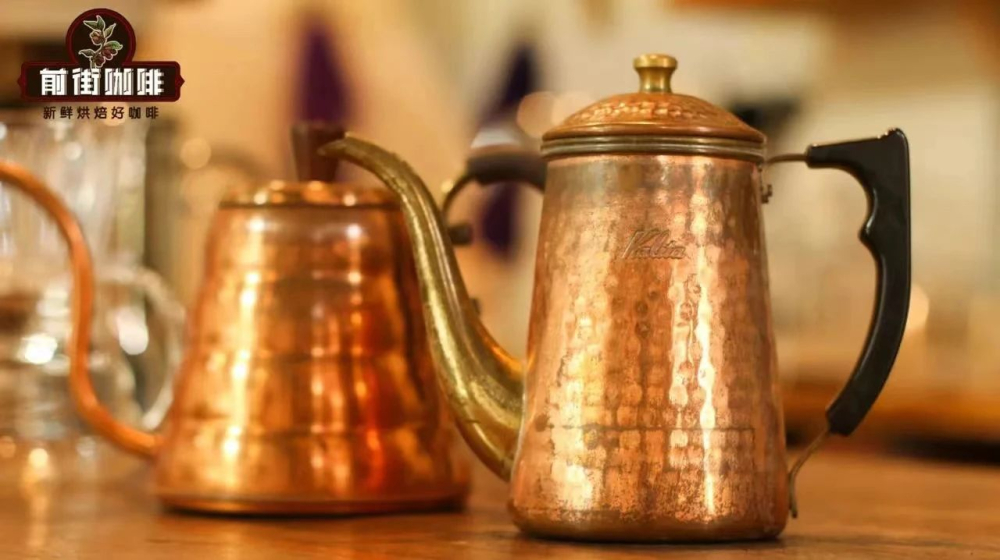
The pour-over kettle plays a pivotal role in coffee brewing, much like a sharp sword in a swordsman's hand. Whether the kettle is chosen correctly directly affects whether the water flow can be stably controlled during pouring.
A handy pour-over kettle can, to a certain extent, reduce the difficulty of water control. Therefore, finding a pour-over kettle that suits your own usage habits is especially crucial, particularly for those just starting out—choosing the right kettle makes it easier to brew the ideal flavor. Today Front Street Coffee will talk with everyone about what aspects should be considered when choosing a pour-over kettle.
Temperature-Controlled vs. Non-Temperature-Controlled
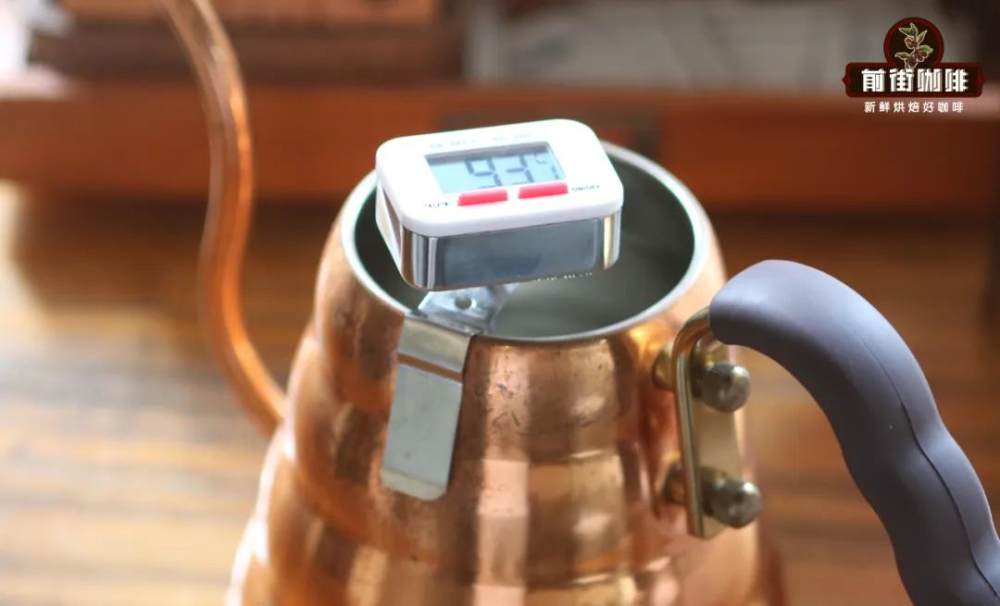
The first thing in choosing a kettle is deciding whether to buy a temperature-controlled model or a non-temperature-controlled model. A non-temperature-controlled pour-over kettle is, plainly speaking, an ordinary kettle without a heating module. Its price is relatively affordable, and many equipment brands treat it as a basic entry-level model. It is suitable for people who already have water-heating equipment at home, though they still need to prepare a separate thermometer for temperature measurement.
The advantages of a temperature-controlled pour-over kettle are quite obvious—convenience: it has its own heating capability, so you can set whatever temperature you want, and it also has a heat-preservation function, so the water temperature will not drop between two brews. Of course, it also has shortcomings: with the added temperature-control components at the base, the kettle body is heavier than a non-temperature-controlled model, with a lower center of gravity, and the price is usually about 300 yuan more expensive.
In summary, if you do not brew very often, or if you have a limited budget and want a more affordable kettle, the non-temperature-controlled version is enough; if you pursue convenience in operation and brew coffee often, then a temperature-controlled kettle is worth considering.
Spout
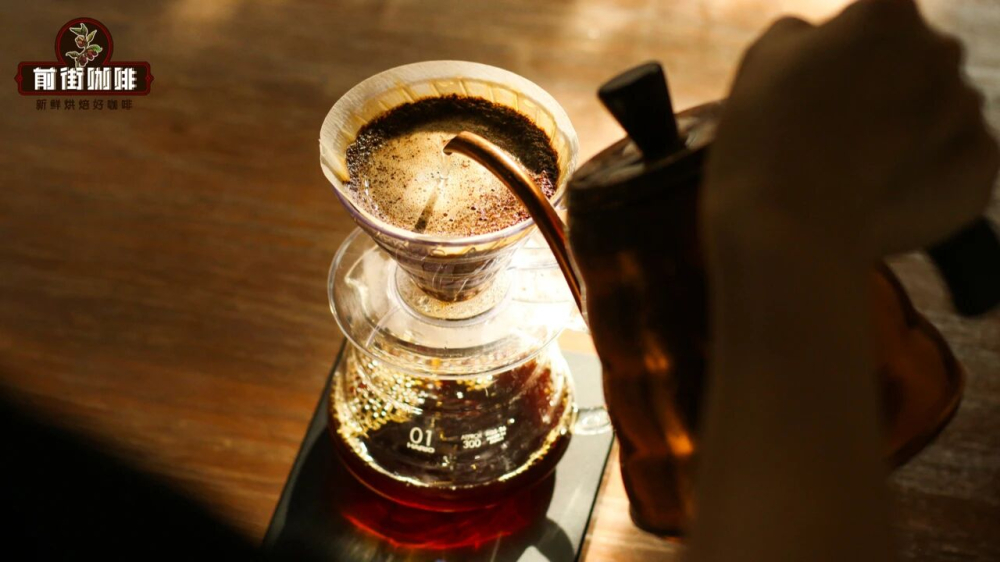
The spout determines the shape of the water stream. Common spouts on the market include narrow gooseneck, wide gooseneck, as well as eagle-beak, crane-beak, flat-mouth, and others. Different spouts directly change the thickness and impact force of the water stream, and also affect the difficulty of use and room for operation.
Friends who are just getting into pour-over coffee are advised to start with a narrow-mouth kettle. Although the water stream poured from a narrow-mouth kettle looks slender, its impact is not weak, it is easy to master, and the water flow is easier to control. The disadvantage is that it cannot produce a large flow, so the room for experimentation is somewhat reduced.
Compared with a narrow-mouth kettle, a wide-mouth kettle is much more difficult to control, and grasping the water flow requires a great deal of practice. But it also offers greater room for experimentation. Once proficient, you can freely adjust the flow rate, master various brewing techniques, and even perform tricky operations like the "drip method." It is more suitable for advanced players who have already moved beyond the beginner stage.
The spout of a crane-beak kettle is a specially designed wide mouth. Seen from the side, it resembles the head of a crane, hence the name. Do not worry that because it is wide-mouthed the water flow will be too strong to control—the designer installed a multi-hole baffle at the pouring position to buffer the impact of the water flow, so you can easily control the water without needing much proficiency. Because of this, it has gained many fans: it retains room for experimentation while keeping the threshold for water control low.
An eagle-beak kettle refers to a spout with a downward-curving flow-guiding structure. The advantage of this design is that the poured water stream more easily forms a vertical column. Now to talk about the flat-mouth kettle: its opening is basically parallel to the horizontal plane, and lacking the spout's flow guidance, the water stream more easily follows a parabolic path, requiring more practice to handle with ease.
Kettle Body
The choice of kettle body can be decided based on the weight you can handle or the number of cups you usually brew. Conventional capacities are mostly between 0.5-1.2L. When choosing, it is recommended to allow about 200ml more than the amount of water you actually need, leaving some margin for error.
The reason is that when there is insufficient water, it is impossible to form a vertical and impactful water stream, the coffee grounds cannot be fully stirred, and ultimately this leads to under-extraction.
Handle
The handle designs of various brands are also their respective signature features. Almost every company mentions phrases like "ergonomic design" in their product promotion.
Indeed, different handles bring different feels. An excellent handle design allows you to grip more comfortably and better control the center of gravity of the kettle body, thereby stabilizing the water flow. Simply put, it saves effort and is easy to control.
Material
The most common pour-over kettle materials on the market include: stainless steel, copper, and enamel porcelain. From a cost-performance perspective, stainless steel is the first choice and is also the most commonly used material on the market, offering good quality at a low price.
If we are talking about performance, then copper kettles come into the picture. Both their heat retention and texture are excellent, but the price is somewhat higher (compared with the non-temperature-controlled version). If appearance is the priority, enamel porcelain can be considered; it is full of artistic flavor throughout, with the drawback being that it breaks easily.
Finally, in addition to having a handy pour-over kettle, freshly roasted high-quality coffee beans are equally indispensable. For beginners, it is recommended to drink in the following order: Front Street Coffee Yirgacheffe's jasmine and citrus flavor → Front Street Coffee Costa Rica's sweet orange and nut flavor → Front Street Coffee Yunnan small-bean's herbal and plum flavor → Front Street Coffee Brazil Cerrado's creamy nut flavor → Front Street Coffee Colombia Huila's dark chocolate and caramel flavor → Front Street Coffee Indonesia Mandheling's spice and herbal flavor.
The above content is compiled by CoffeeHunters, a coffee news website.


