








How Do You Keep a Vertical Stream in Hand Brewing Coffee?
A steady vertical stream is what makes hand brewing coffee extract evenly, yet many beginners pour a crooked stream that swings in strength and never traces a clean circle. The fix is not only repetition. Choosing a comfortable pouring kettle, filling it near the maximum volume you can handle, controlling pour volume, using a two-handed grip, and moving the arm instead of rotating the wrist all shorten the learning curve.
Kettle weight matters more than most hand poured coffee guides admit. A light, nearly empty kettle wobbles at the smallest loss of control, while a fuller one stays stable and needs less tilt to keep the stream vertical. As the water level drops, gradually increase the tilt so the flow stays consistent through the pour and the circle holds its shape.
During pour-over coffee brewing, a stable vertical stream is key to even extraction, but many beginners pour with a crooked stream that fluctuates in strength, making it hard to trace a beautiful circle. In fact, besides diligent practice, mastering the correct method can greatly shorten the learning time. In this article, Front Street will share how to choose a kettle, control the pour volume, use a two-handed grip, and core techniques such as using arm translation instead of wrist rotation when circling, and gradually increasing the kettle's tilt as the water decreases, to help you easily pour a stable vertical stream and brew a good cup of coffee.

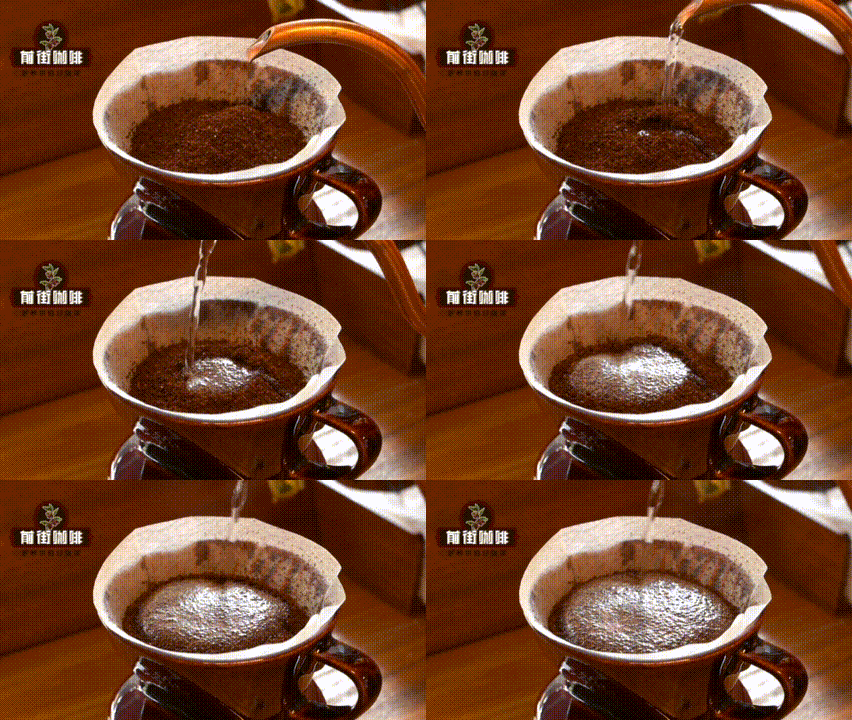
As the saying goes, practice makes perfect. If you want to steadily pour a vertical stream every time, you really do need repeated practice to improve your skill. However, if you understand some key points in advance, the time needed for practice can be greatly shortened. Today, Front Street will show you how beginners can pour a stable and vertical stream and successfully brew a delicious cup of coffee~
How do you pour a stable and vertical stream? If you don’t yet have a pouring kettle and are planning to get one, it’s best to first consider buying a kettle that feels comfortable to use. There are many types of pouring kettles on the market, and each one feels and handles differently, so Front Street suggests buying a kettle you plan to use for the long term, and then starting to practice, to avoid having to adapt again because a different kettle feels and handles differently. As for how to choose a pouring kettle, Front Street previously shared detailed advice in the article “How to Choose a Pour-Over Kettle That Suits You.” Those interested can look it up~

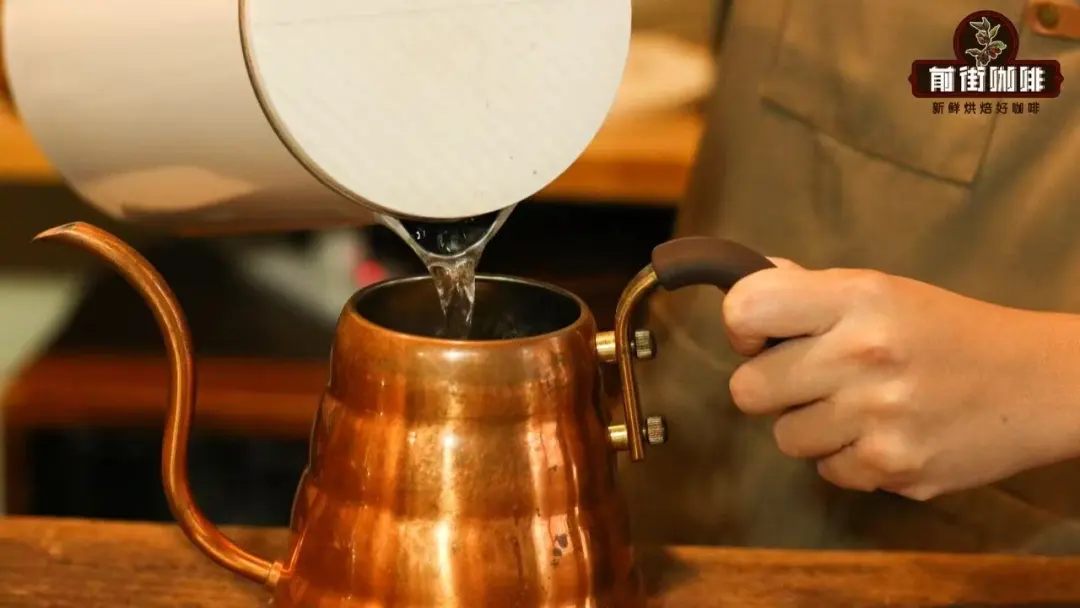
Once the pouring kettle is ready, you can officially begin practicing. Front Street first suggests filling the kettle to the maximum amount of water you can accept. This is because if the kettle body is too light, beginners will actually find it harder to keep the stream steady. If it’s too light, any slight lapse in control while pouring can make the kettle wobble around, making it naturally difficult to keep the stream vertical. When the kettle body has some weight, this situation is noticeably reduced, making it easier to pour a vertical stream. There’s another reason too: when there’s plenty of water, the kettle doesn’t need to be tilted very much to pour a vertical stream. Combined with the stability brought by the weight, beginners can more easily pour and maintain a vertical stream. That’s why Front Street recommends filling the kettle to the maximum amount of water you can handle.
Why emphasize “the maximum amount of water you can accept”? The reason is simple: the pour-over brewing process usually lasts about two minutes, and we spend about three-quarters of that time holding the kettle and pouring. To keep the whole brewing process from being too tiring and to maintain a relatively relaxed state, it’s best to properly control the hot water in the kettle—more helps pour a vertical stream, but not so much that it affects the brewing experience. Of course, using both hands on the kettle is also a good way to stabilize it: hold the handle with one hand and gently brace the lid with the other, which effectively increases stability. And to outsiders, this posture looks quite professional, as if adding a “looks delicious” filter to the coffee~
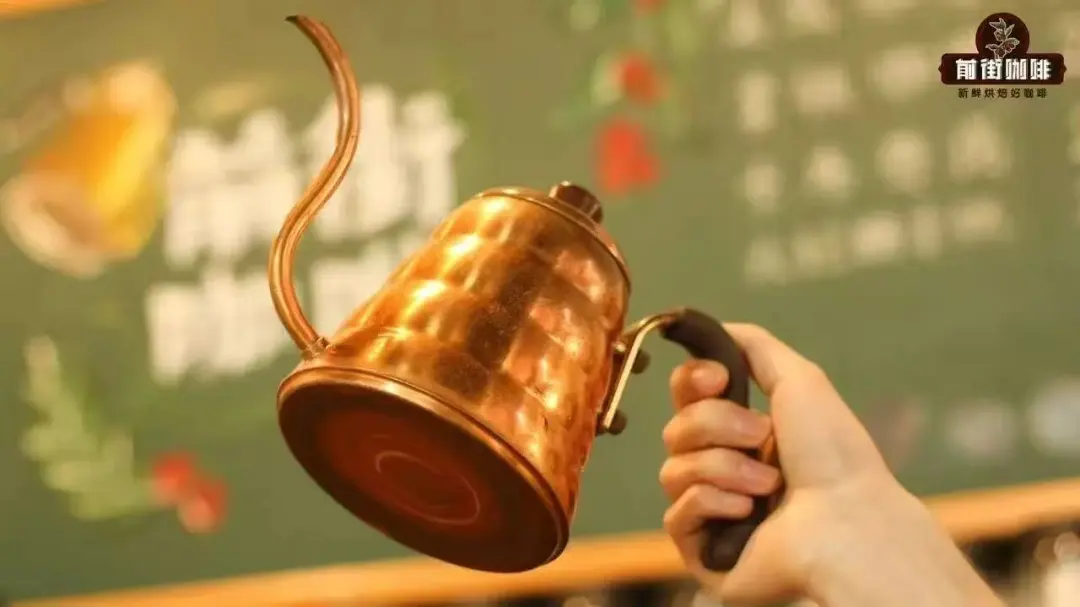
In the actual operation stage, if you want to steadily pour a vertical stream and trace a circle, you only need to do the following two things. First, when pouring in circles, try not to draw the circle by rotating your wrist, but instead complete the circling by translating your arm and body. Many beginners, when pouring in circles, keep their arm and body still and move only the wrist. When circling forward, the wrist unconsciously lifts, and when circling back, it lowers again. The circle traced this way is not only not round enough, but the stream also fluctuates in strength and easily becomes intermittent. The reason is simple: the kettle’s tilt angle keeps changing, and the stream is affected by the kettle’s tilt and the gradual decrease in water volume, so it naturally becomes difficult to keep vertical.
But if we instead use arm and body translation to circle, the kettle can remain at the same horizontal height the whole time. This not only helps pour a more stable vertical stream, but also helps us better pour in a circle (though whether the circle is round doesn’t matter much). Next, as long as you master one more small technique, you can ensure a consistently stable vertical stream~ What technique? It is: gradually increase the kettle’s tilt. During brewing, the water in the kettle slowly decreases as it is poured. When the water volume decreases, if we do not increase the tilt angle, the water pressure will drop, the poured volume will decrease accordingly, the stream will become thinner, and then it cannot remain steadily vertical. But if we gradually increase the kettle’s tilt as the water decreases, then the poured volume can remain consistent throughout, making it naturally easier to steadily pour a vertical stream.
So, as long as you practice pouring according to these two points, Front Street believes everyone will quickly be able to pour a vertical stream with ease~
- END -
The above content is compiled by CoffeeHunters, a coffee news website.


