







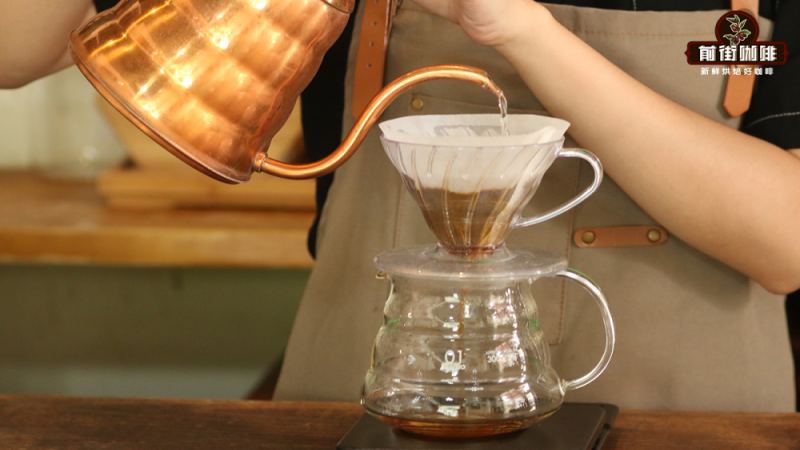
How does pouring technique change how to brew coffee in a coffee maker?
Pour-over brewing works through two mechanisms: wash extraction while water is poured and immersion extraction while pouring stops. Washing extracts more efficiently, so more pours mean more alternation between the two and a longer total time. With other parameters unchanged, a higher number of pours raises the extraction yield.
Circular pouring is an effective way to reduce turbulence and improve the washing effect. Stirring instant granules in one direction makes dissolution easier to control and more even, and the same logic applies to coffee. A faster circular motion creates stronger agitation and extracts more, while a slower one extracts less during the long brew.
The joy of pour-over coffee lies in its many variables, and the pouring technique is precisely the hardest part to control. At Front Street, we rarely emphasize technique in our daily brewing sharing, because technique itself is full of uncertainty. Without understanding the extraction logic behind it, the more you master, the more likely your brews will become inconsistent. This article will focus on the two mechanisms in the pouring process—wash extraction and immersion extraction—analyze how the number of pours affects the extraction yield and total time, and highlight why circular pouring can effectively reduce turbulence and improve washing efficiency. Whether you are a beginner just getting into pour-over or an enthusiast hoping to refine your skills, understanding these underlying principles will help you brew a delicious single-origin coffee with more confidence.
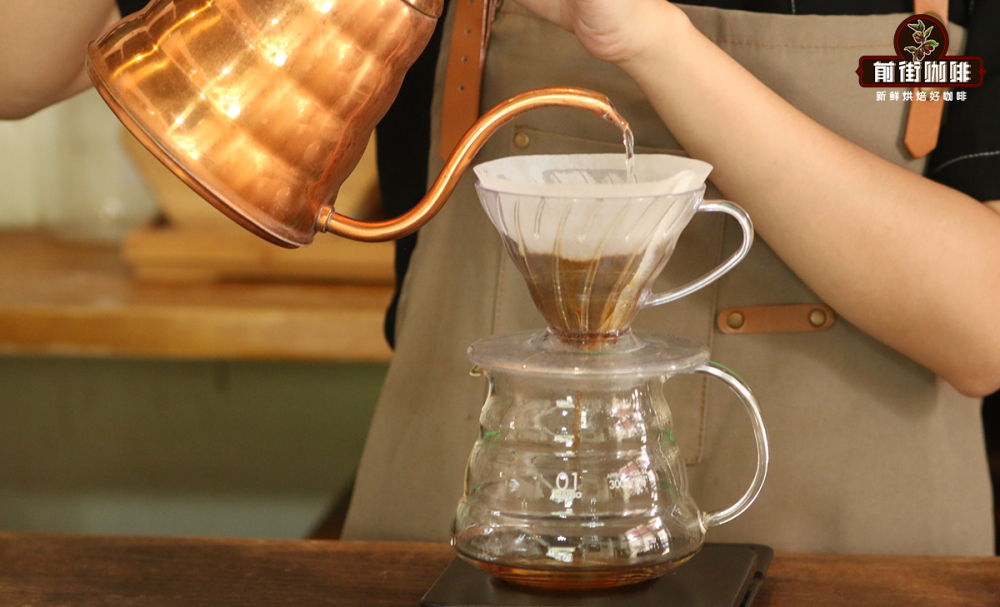
When Front Street shares about brewing coffee, we seldom discuss technique as a parameter (except when specifically addressing pouring techniques), because in our view, technique is the biggest uncertainty. As long as you don't understand the logic behind a technique, the more you know, the more inconsistent your coffee will turn out.
Is technique a skill?

When pouring water, the stream washes over the coffee grounds, mainly performing "wash extraction," while when pouring stops, it performs "immersion extraction." Generally, the extraction efficiency during washing is higher.
The more pours there are, the more the alternation between washing and immersion, and the total extraction time is also extended. This means that, with all other parameters unchanged, the more pours, the higher the extraction yield.
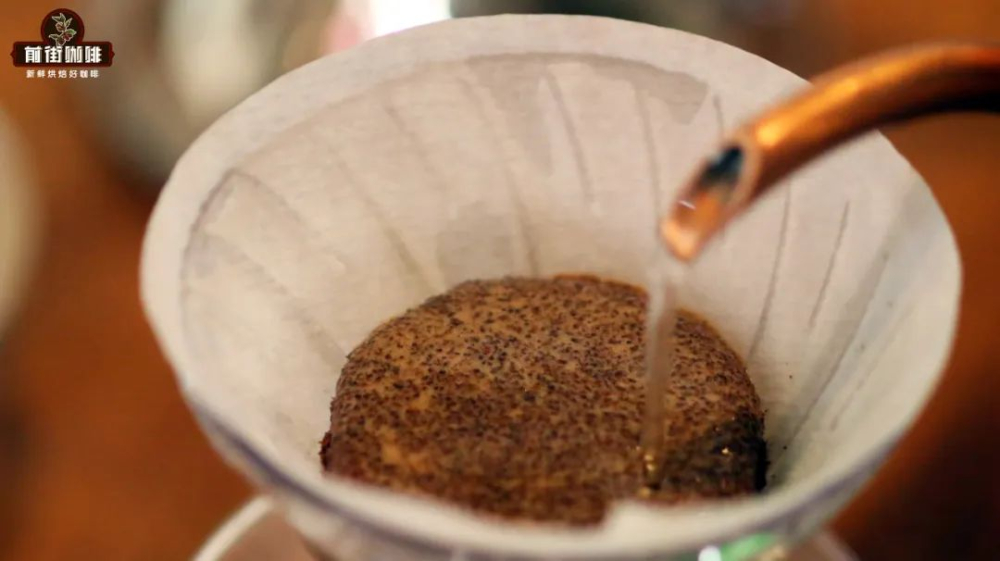
Front Street believes that circular pouring is an effective way to reduce turbulence and enhance the washing effect. Imagine when we dissolve instant granules—doesn't stirring in circles in one direction make it easier to control and achieve even dissolution? By the same logic, the faster the circular motion, the stronger the stirring force, and the more substances are extracted—and vice versa.

The above content is compiled by CoffeeHunters, a coffee news website.


