







Search Results for: direction

Suitable Origins and Bean Varieties for Cold Brew: Two Directions — Fruity and Nutty
When selecting beans for cold brew, the region determines the flavor baseline. By taste profile, cold brew beans can be broadly divided into two categories: fruity and nutty. Set the direction first, then choose the region, and the cold brew you make will better suit your palate. Fruity cold brews suit those who enjoy a crisp, refreshing cup with floral and fruity aromas. Ethiopia is the heartland of the fruity profile—Yirgacheffe cold brew [more…]
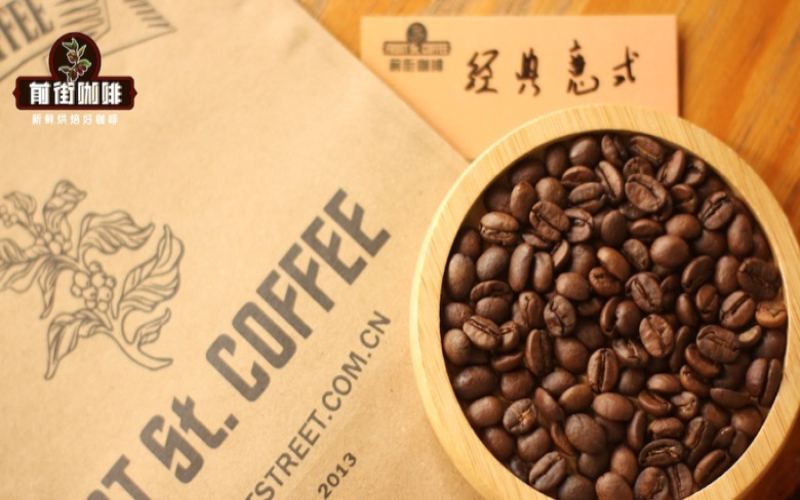
How to Choose Americano Black Coffee Beans: From Flavor Direction to Brewing Method
The flavor of a cup of coffee doesn't just go in two directions, sour or bitter; it also includes aroma, sweetness, body, mouthfeel, and finish. When choosing beans, first decide whether you want floral and fruity notes, nutty and cocoa notes, or a balance between the two, then match that to the corresponding origin, processing method, and roast level. The flavor of pour-over is mainly determined by origin, variety, [more…]
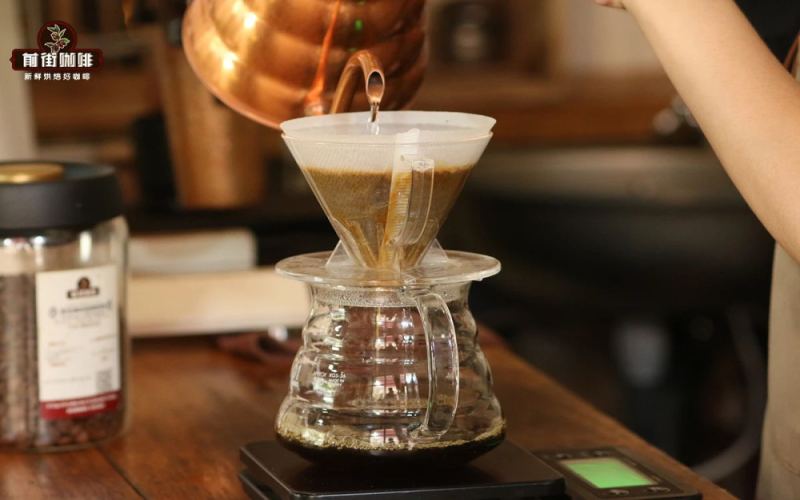
Beginner's Coffee Brewing Demo | What are the ideal pour-over parameters for washed Yirgacheffe coffee beans? Does the direction of circular pouring matter in pour-over coffee?
The issue of pouring water for pour-over coffee has been discussed time and again, but there are also many friends who are just starting out and following Front Street Coffee, saying, "Why can't I brew a good cup?" "Pour-over coffee is so hard!" Pour-over coffee is still a relatively niche circle, and to take care of newcomers, repeating the old familiar topics is unavoidable. As for [more…]
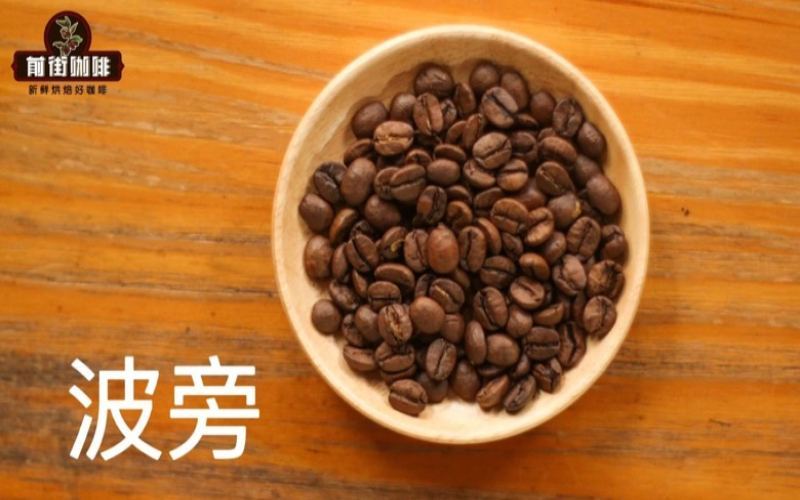
Chocolate-Flavored Coffee Beans: Two Directions from Dark Chocolate to Milk Chocolate
Chocolate-flavored coffee: the sweetness comes from the caramelization reaction during roasting, while the bitterness comes from the roast level; the ratio of the two determines whether it leans toward "dark chocolate" or "milk chocolate." Front Street PWN Indonesia Golden Mandheling is a representative of the dark chocolate direction, with herbal notes that give the bitterness layers; Brazil Queen Estate, on the other hand, leans toward milk [more…]
Coffee Bean Recommendations for Opening a Shop: A Selection Approach from Flavor Direction to Brewing Method
The flavor of a cup of coffee doesn't only go in two directions, sour or bitter; it also includes aroma, sweetness, body, mouthfeel, and finish. When choosing beans, first decide whether you want floral and fruity notes, nutty and cocoa notes, or a balance between the two, then match that to the corresponding origin, processing method, and roast level. The key to espresso extraction lies in the dose and grind size. [more…]
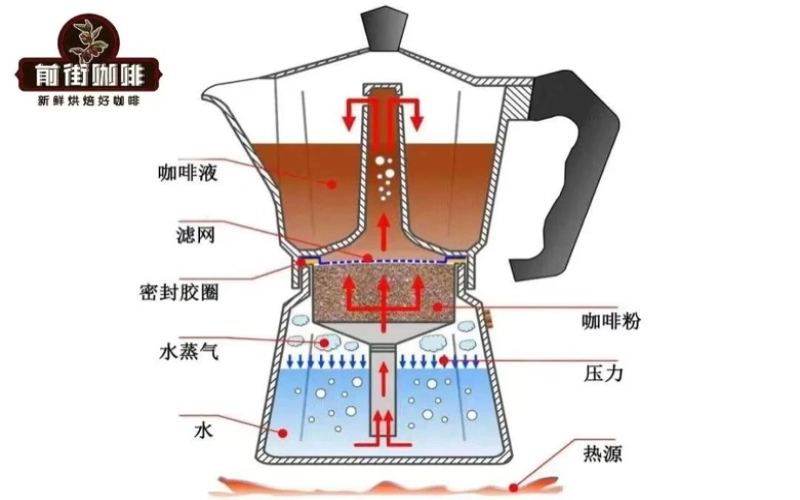
Will a Moka pot explode? How to choose coffee beans: from flavor direction to brewing method selection
The flavor of a cup of coffee isn't just about sour or bitter—it also includes aroma, sweetness, body, mouthfeel, and finish. When choosing beans, first decide whether you want floral and fruity notes, nutty and cocoa notes, or a balance between the two, then match that to the corresponding origin, processing method, and roast level. The moka pot is a steam-pressure extraction device. [more…]
How to Choose Coffee Beans for Iced Coffee: A Selection Approach from Flavor Direction to Brewing Method
The flavor of a cup of coffee isn't just about acidity or bitterness—it also includes aroma, sweetness, body, mouthfeel, and finish. When choosing beans, first decide whether you want floral and fruity notes, nutty and cocoa notes, or a balance between the two, then match that to the corresponding origin, processing method, and roast level. Cold brew or ice drip's low-temperature extraction will slow down [more…]
High-value espresso blend beans: how to decide roast level
The roast level of an espresso blend often tells you more about a coffee's character than the flavor notes on the packaging. Light roasts lean bright, medium roasts show more sweetness, medium-dark roasts balance aroma with body, and dark roasts tend toward cocoa, caramel, and a toasted feel. When your budget is limited, choosing a roast direction based on the drinks you usually make beats blindly chasing [more…]
Tropical Fruit Coffee Beans: Roast Level Determines the Direction of Fruit Aromas
If you want to taste tropical fruit notes, the roast level is a very useful screening clue. Light roasts tend to retain more floral aromas, citrus acidity, and juicy character, coming across as bright and light on the palate; as the roast progresses toward the medium range, sweetness, body, and ripe fruit notes become more prominent. When buying, first look at the roast label, then combine it with whether you prefer a refreshing or a full-bodied taste. [more…]
Understand roast levels—buy blended beans this way
The roast level of an espresso blend directly affects the aroma, sweetness, body, and finish of the shot. For those just starting to make coffee at home, rather than facing a long list of origins and processing methods, it's better to first look at the roast direction on the packaging: whether the beans are on the lighter side, medium, or darker in color. This judgment can help you anticipate the flavor on the palate. [more…]
How to Choose Full-Bodied Coffee Beans: From Flavor Direction to Brewing Method
The flavor of a cup of coffee isn't just about acidity or bitterness—it also includes aroma, sweetness, body, mouthfeel, and finish. When choosing beans, first decide whether you want floral and fruity notes, nutty and cocoa notes, or a balance between the two, then match that to the corresponding origin, processing method, and roast level. Dark roasts push the flavor toward cocoa and nutty [more…]
Coffee bean recommendations for fully automatic coffee machines: from flavor direction to brewing method selection
The flavor of a cup of coffee isn't just about sourness or bitterness—it also includes aroma, sweetness, body, mouthfeel, and aftertaste. When choosing beans, first decide whether you want floral and fruity notes, nutty and cocoa notes, or a balance between the two, then match that to the corresponding origin, processing method, and roast level. For espresso extraction, the key lies in the dose and grind size. [more…]
Roast Depth Sets the Direction: How to Choose Between Espresso Blends and SOE
When comparing espresso blends and SOE side by side, looking at the roast level first gives you a better handle on things. When beans are roasted light, the floral and fruity notes from the origin and variety come through more vividly; as the roast moves toward medium-dark, nutty, cocoa, and caramel notes along with a fuller body gradually take over. Blends often combine the characteristics of different beans, while SOE concentrates [more…]
Low-Caffeine Pour-Over Coffee Bean Recommendations: A Selection Approach from Taste Direction to Brewing Method
The flavor of a cup of coffee isn't just about sourness or bitterness—it also includes aroma, sweetness, body, mouthfeel, and finish. When choosing beans, first decide whether you want floral and fruity notes, nutty and cocoa notes, or a balance between the two, then match that to the corresponding region, processing method, and roast level. The flavor of pour-over is mainly determined by region, variety, [more…]
Choosing Cold Brew and Ice Drip Coffee Beans by Roast Level: Three Flavor Directions Explained at a Glance
Cold brew and ice drip both involve low-temperature, longer extraction, and typically taste gentler than hot coffee on the palate, with aromas becoming more subdued when chilled. When choosing beans, the roast level can serve as a clear guide: light roasts tend to retain fruit and floral notes, medium roasts put sweetness and smoothness at the forefront, while medium-dark roasts suit those who prefer cocoa [more…]
Arabica Espresso Origin Selection: A Comparison Between Ethiopian SOE and Central & South American SOE
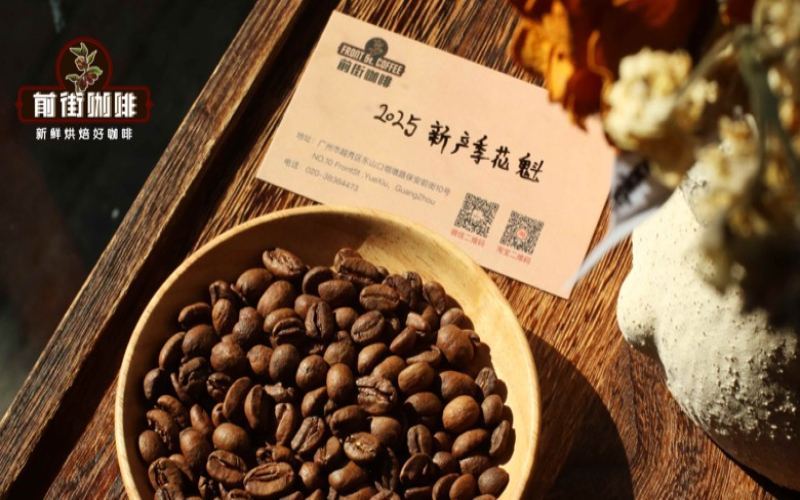
When making espresso SOE with Arabica beans, the choice of origin directly determines the flavor direction of the espresso. Ethiopian SOE and Central-South American SOE are two entirely different paths, each with its own charm, suited to drinkers with different taste preferences. Ethiopian SOE takes the route of intense floral and fruity aromas. Huakui sun-dried beans [more…]
Light, Medium, and Dark Roasts: Espresso Flavor Differences in SOE Beans
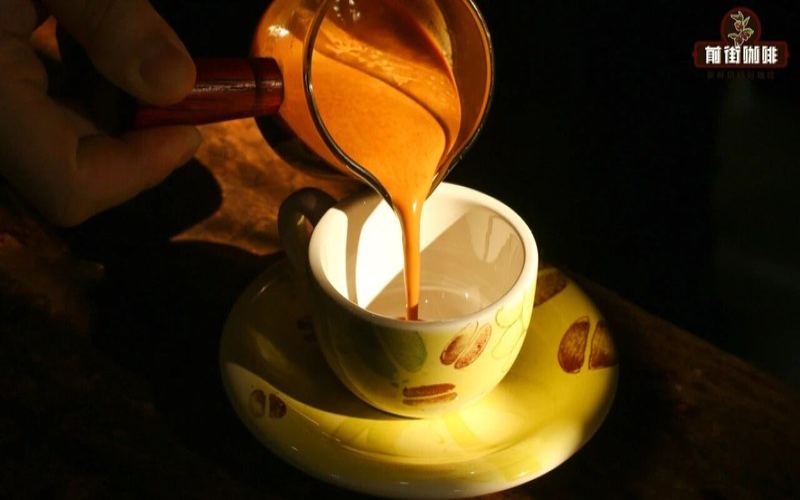
SOE usually refers to espresso made from single-origin or single-batch coffee beans, bringing the characteristics of the region directly into a small cup of coffee. When choosing SOE, the roast level is a very practical starting point: it affects the balance of acidity and sweetness, the direction of the aroma, the sense of intensity, and the aftertaste, and also determines whether the beans are better suited for [more…]

Recommendations for Full-Bodied Coffee Beans: Balancing Budget and Drinking Frequency
When it comes to full-bodied coffee beans, first consider how you plan to drink them every day. When buying beans for daily use, you need to think about how quickly you'll go through them, how much to buy at once, and whether you'll mainly make black coffee or milk-based coffee at home. If you mainly drink black coffee, you can pay more attention to aroma and aftertaste; if you often add milk, then you need to consider whether the intensity and body can hold up, which will directly [more…]
How to Choose Everyday Beans for a Moka Pot: Roast Level Determines the Cup
Coffee brewed in a moka pot is usually more concentrated than filter coffee, with a noticeable weight on the palate. As the roast level of the beans changes, the acidity, sweetness, aroma, and finish in the cup shift accordingly. If you're looking for a daily-drinker staple bean, start by checking the roast direction on the packaging, then decide whether you more often drink your coffee black or [more…]
Coffee Machine Bean Selection Guide: Choosing the Right Cup by Roast Level
Espresso machines pull shots quickly and produce high concentration, and the roast level of the beans directly affects aroma, acidity, and body. If you mainly use a home espresso machine, super-automatic coffee machine, or capsule-based alternative, you can first determine your direction among light, medium, and dark roasts, then choose based on whether you usually drink espresso, Americano, or latte. This way, selecting beans will [more…]