







Search Results for: tropical storm
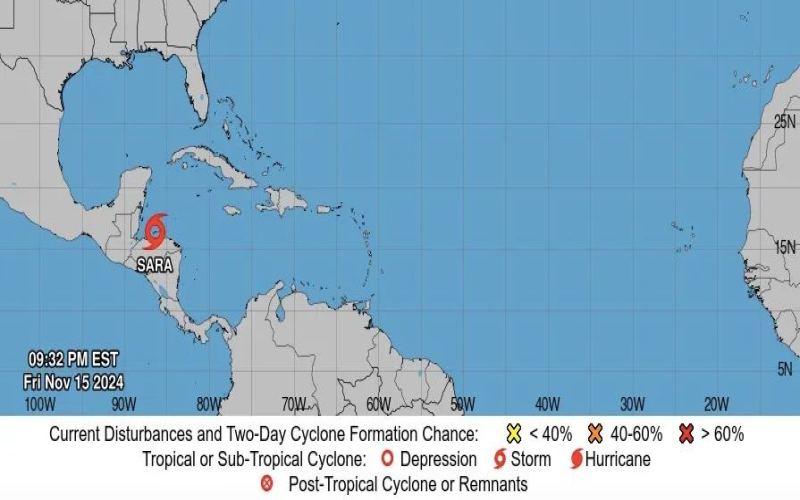
Tropical Storm Sara Devastates Honduras: Coffee Exports Disrupted, Arabica Futures Prices Hit Record High
The 18th named storm of the 2024 Atlantic hurricane season, "Sara," made landfall in northern Honduras, affecting nearly 33,000 people, and the president declared a 30-day national state of emergency. Torrential rain, flooding, and mudslides not only destroyed roads and disrupted port operations, but also struck just before the coffee harvest season, potentially dealing a severe blow to the output and exports of the world's sixth-largest coffee producer. Combined with harsh weather in producing regions such as Brazil and Colombia, Arabica coffee futures prices have soared to historic highs. This article will sort out the specific impact of the storm on Honduras' coffee industry and follow how brands such as Front Street Coffee continue to track information from producing regions. [more…]
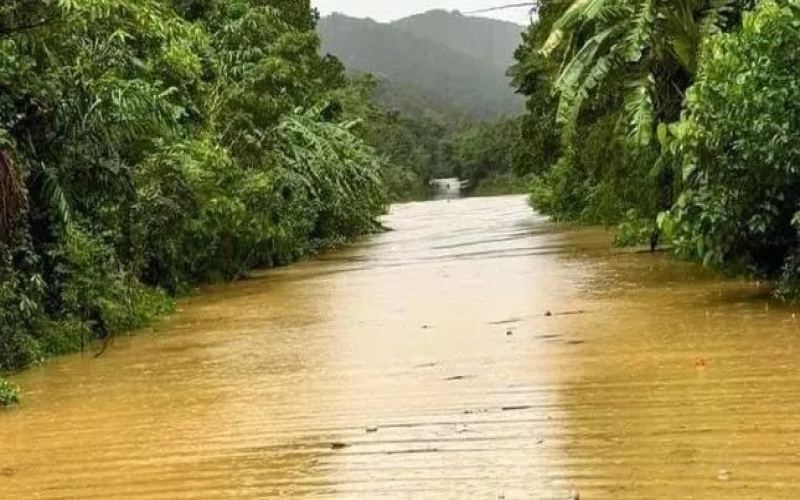
Vietnam Hit by Successive Tropical Storms, Port Congestion Worsens Coffee Export Woes
Central Vietnam was hit by two consecutive tropical storms in September, causing casualties and severe damage to infrastructure. Although the main coffee-growing regions were not directly affected, heavy rainfall has clouded the harvest outlook. More critically, major export hubs such as Haiphong Port and Da Nang were paralyzed by the storms, leaving large numbers of shipping containers backed up and severely disrupting coffee exports. Combined with reduced output caused by drought earlier in the year and steadily climbing domestic spot prices, the supply difficulties facing Vietnam—the world's second-largest coffee producer—are driving up international robusta futures prices. Front Street Coffee continues to monitor developments in the producing regions. [more…]
Tropical Storm Carlotta Hits Mexican Coffee-Growing Regions, Adding Further Uncertainty to Production Prospects
Mexico's major western coffee-producing regions were recently hit by Tropical Storm Carlotta, with heavy rainfall, lightning, and hail posing a serious threat to coffee trees in their flowering stage. The states of Colima, Jalisco, Michoacán, and Nayarit produce about 15% of Mexico's coffee output, and roughly 80% of the country's coffee-growing area had already been affected by high temperatures and drought. Industry insiders expect yield losses could reach 50%. After the storm, neighboring states such as Oaxaca and Chiapas also face risks of flooding and landslides. Meanwhile, Mexico is striving to boost its coffee industry, with a production target of 3.89 million bags for the 2024/25 season, but a succession of extreme weather events has cast a shadow over this vision. [more…]
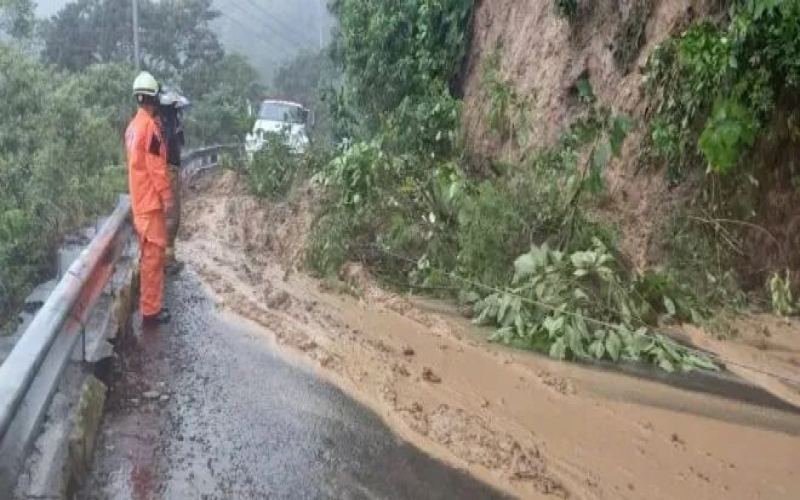
Panama's Boquete Hit by Severe Storms: Frequent Landslides Put Specialty Coffee Region to a Severe Test
Since October, Panama has entered its rainy season, but this year, under the influence of Tropical Storm Rafael, torrential rain and strong winds have been unusually severe, triggering multiple landslides and floods, with Chiriquí Province and other areas hit hard. Boquete, the core production area for Panama's specialty coffee, has not been spared either, with roads damaged, water supplies cut off, and coffee transportation blocked. Even more concerning is that the coffee harvest season is approaching in December, and continued heavy rain could damage coffee trees that are currently bearing fruit, further affecting quality and yield. This article will review the progress of the disaster and its potential impact on the coffee industry. [more…]
Mekong River floods combined with drought-driven production cuts: Vietnamese Robusta coffee prices may remain elevated into early 2025
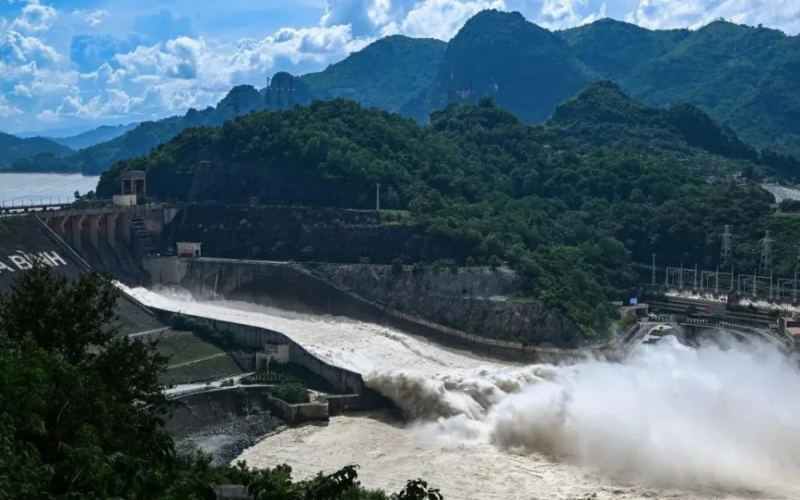
Vietnam, as a major global robusta coffee-producing region, has recently faced a succession of extreme weather challenges. Two consecutive tropical storms brought heavy rainfall, causing rapid flooding in the upper reaches of the Mekong River and threatening coffee cultivation in low-lying downstream production areas. At the same time, drought earlier in the year has already adversely affected coffee flowering, making a decline in the new crop season almost certain. Some coffee farmers have switched to more profitable crops such as durian, further reducing the area devoted to coffee cultivation. Port facilities have been damaged and exports hindered, and combined with Indonesia's reduced export capacity, global robusta supply is expected to face a shortage for the fourth consecutive year. Front Street Coffee will continue to follow developments in the production regions and bring enthusiasts the latest news. [more…]
Jamaica Blue Mountain Coffee: Causes of Production Decline and Flavor Analysis — Typica Variety Pour-Over Parameters and Brewing Method
Jamaican Blue Mountain coffee is renowned for its balanced and elegant flavor, but since October 2020, Jamaica has been hit by a series of natural disasters including tropical storms, hurricanes, earthquakes, and volcanic ash, causing road damage in the Blue Mountain coffee growing region and extensive cherry drop, with Coney Dell Estate expected to see yield losses of over 50%. This article will review the impact of these disasters, introduce the growing environment of Blue Mountain coffee and the characteristics of the Typica variety, and share in detail the brewing parameters and flavor profiles of two pour-over methods recommended by Front Street Coffee—the KONO dripper and the cloth filter—to help coffee enthusiasts gain a comprehensive understanding of the current situation and brewing key points of Blue Mountain coffee. [more…]
Honduras Lychee Orchid Coffee Brewing Guide: Barrel-Fermented Flavor and Moka Estate Origin Analysis
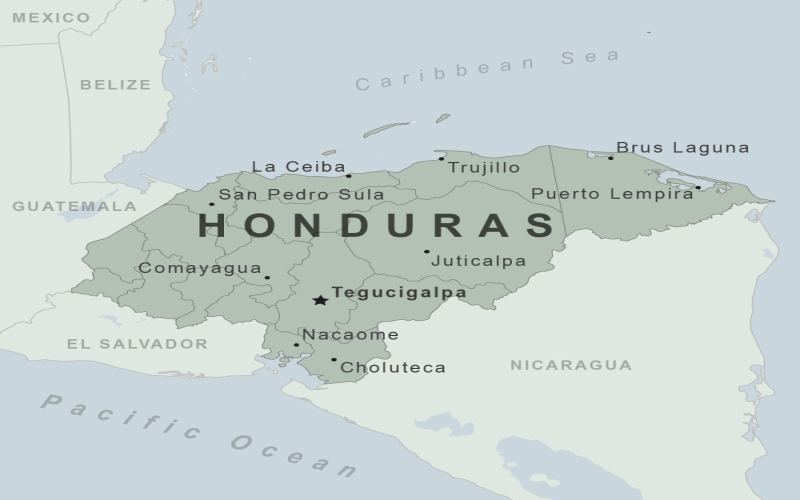
Honduras Lychee Orchid coffee took the coffee world by storm in 2019 with its unique brandy barrel fermentation process, becoming a signature example of wine-aroma coffee. This bean comes from the Moca Estate in the Marcala region, using Caturra and Catuai varieties, and undergoes low-temperature barrel fermentation for 30 days, presenting intense aromas of brandy, liqueur chocolate, and honey. This article will provide a complete analysis of the flavor sources of Lychee Orchid, from the background of the Honduran coffee industry, variety characteristics, and estate terroir to the brandy barrel fermentation process, along with Front Street Coffee's brewing parameters and techniques, to help you recreate this intoxicating wine aroma by hand. [more…]

Priced at over 1,600 yuan per kilogram, is Brazilian bird poop coffee really worth drinking?
Coffee culture is becoming increasingly widespread, and all kinds of unusual coffees keep emerging. After Indonesia's kopi luwak took the world by storm, Brazil in recent years has rolled out "bird poop coffee"—made from beans that pass through the droppings of the bare-faced curassow after it eats coffee cherries. Locally, this coffee is called "the best coffee in Brazil," and it sells for about 1,118 Brazilian reais per kilogram (roughly 1,650 yuan), placing it among the most expensive coffees in the world. Front Street Coffee takes you through the origins of bird poop coffee, its flavor characteristics, the reasons behind its high price, and whether it and other novelty coffees like kopi luwak are truly worth embracing by the general public. [more…]
Top Ten Specialty Coffee Beans Buying Guide: Front Street Coffee Recommends Representative Flavors and Taste Analysis from Various Regions
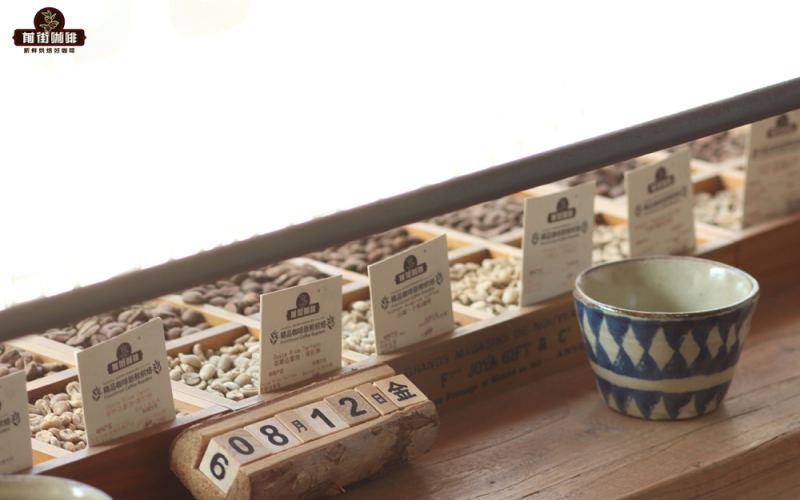
At the request of many coffee lovers, Front Street Coffee has selected 10 representative coffee beans from different producing regions around the world, covering Ethiopia, Indonesia, Jamaica, Panama, Kenya, Brazil, Colombia, Honduras, Yunnan China, and Costa Rica. These beans each have their own characteristics, from Huakui's tropical fruit storm to Blue Mountain's classic balance, from Geisha's elegant floral aroma to Sherry's wine barrel fermentation, each one represents the typical flavor of its region. Whether you are a coffee novice just starting out or a seasoned player seeking new experiences, this guide can help you find your ideal choice. [more…]
Analysis of Coffee Characteristics in Honduras' Opalaca Region and the Renowned La Fresa Estate
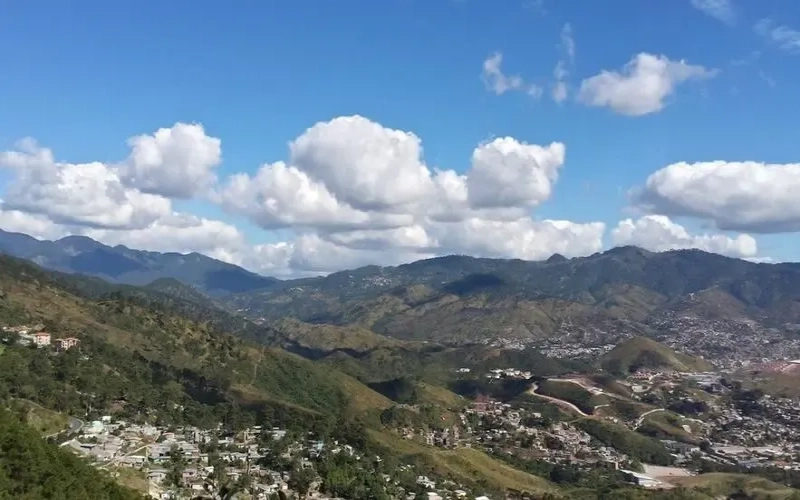
Honduras, with its high-altitude mountains, volcanic soil, and diverse climate, has become a major specialty coffee producer in Central America. Its coffee institute, IHCAFE, divides the country into six major producing regions. Among them, the Opalaca region, though less famous than Montecillos and Comayagua, is known for its delicate acidity and tropical fruit and lemon flavors. This article will trace the development of Honduran coffee, provide an in-depth analysis of the terroir conditions of the Opalaca region, and introduce the well-known estate La Fresa in this region and its story of winning third place in the 2023 Cup of Excellence (COE). At the same time, Front Street Coffee will also recommend related products to help you savor the charm of this land. [more…]
Guatemala Antigua Region Analysis: Roast Profile of Flor Coffee Beans and Pour-Over Clever Cup Parameters
The Antigua region of Guatemala, with its high-altitude mountains, fertile volcanic ash, and ample sunshine, nurtures high-quality coffee with floral aromas and citrus acidity. Front Street Coffee's Antigua La Flor del Cafe beans, made from Bourbon and Caturra varieties and washed processed, are medium roasted to preserve bright acidity and floral-fruity aromas. This article provides a complete analysis of this bean's flavor profile, from the region's terroir and industry status to roast records and brewing recipes, and includes two sets of specific parameters for the V60 and Clever Cup, making it suitable for coffee enthusiasts to reference and practice. [more…]

Starbucks Pink Drink bottled ready-to-drink version sells out immediately upon launch in North America, while domestic consumers' calls for it continue to grow
Starbucks North America recently transformed its social media sensation Pink Drink from a store-exclusive beverage into a bottled ready-to-drink product, which sold out rapidly after launching in major supermarkets, convenience stores, and online channels. This pink drink, which first gained popularity in 2016 as a secret menu item, went through fan-driven organic promotion, was officially added to the menu in 2017, and then expanded to North American markets including Canada in 2018, yet has never made its way to Starbucks stores in mainland China. The bottled version also launched a tropical-flavored Paradise Drink alongside it. Although it omits the fresh fruit pieces, it comes at a more affordable price, adding another new member to Starbucks' ready-to-drink beverage lineup. Chinese coffee enthusiasts have responded enthusiastically, with many calling on the brand to bring the product to China. [more…]
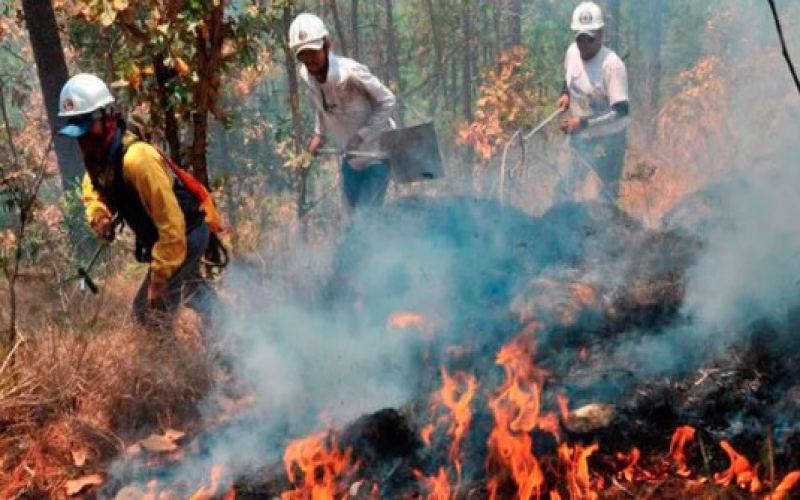
The high temperature in the Americas continues! The coffee industry in Honduras is affected.
Recently, due to the impact of bad weather in the local area of Honduras, the Honduras Coffee Research Institute (IHCAFE) is concerned about the future coffee output. According to the data released recently by the Honduras Forest Conservation Institu [more…]
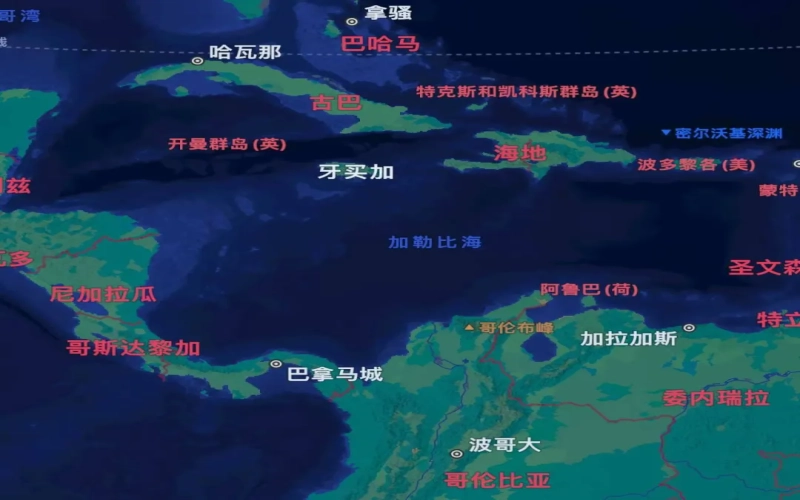
An In-Depth Analysis of Jamaica Blue Mountain No. 1 Coffee from the Caribbean Island Nation: Region, Variety, and Front Street Brewing Method
Blue Mountain coffee is Jamaica's most iconic product and a name familiar to coffee lovers worldwide. This island nation, located in the northwest Caribbean, has delineated a legally protected Blue Mountain coffee growing region thanks to its unique geographic and climatic conditions. Only Typica plants grown in the four parishes of St. Andrew, St. Thomas, Portland, and St. Mary, at altitudes between 915 and 1,700 meters, are eligible to bear the name "Jamaica Blue Mountain Coffee." This article will outline Jamaica's national overview and coffee industry regulatory system, introduce the terroir characteristics of the Blue Mountain growing region and the botanical features of the Typica variety, and share the brewing parameters and flavor profile of Front Street Coffee's Clifton Estate Blue Mountain No. 1, offering coffee enthusiasts a complete introductory reference to Blue Mountain coffee. [more…]
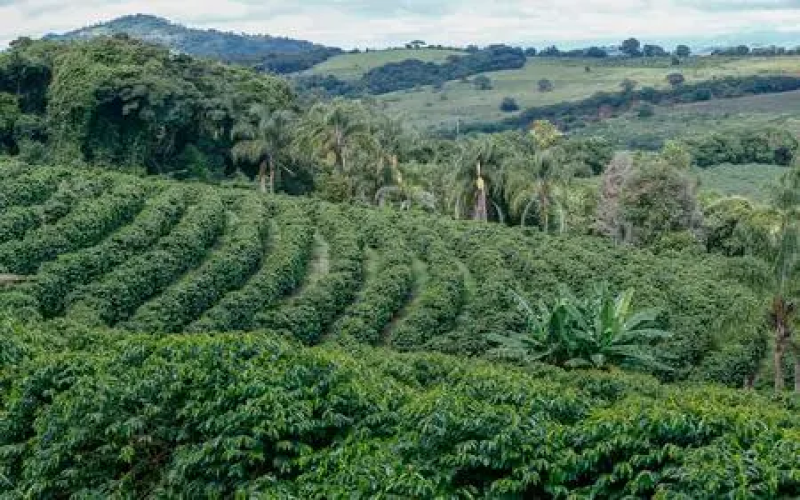
Brazil's coffee exports in February climbed nearly 50% year-on-year, with robusta particularly standing out
The latest report from the Brazil Coffee Exporters Council shows that despite ongoing vessel delays at major ports such as Santos, Brazil's coffee exports in February achieved a year-on-year increase of nearly 50%, with robusta coffee setting a historic record. Cumulative shipments over the first two months grew by more than 40%, with foreign exchange earnings rising in tandem. Meanwhile, China, as an emerging partner, saw its imports surge by 158.8%, offering new possibilities for Brazil's future coffee supply. This article will review the export data, the current port situation, and key changes in the international competitive landscape. [more…]
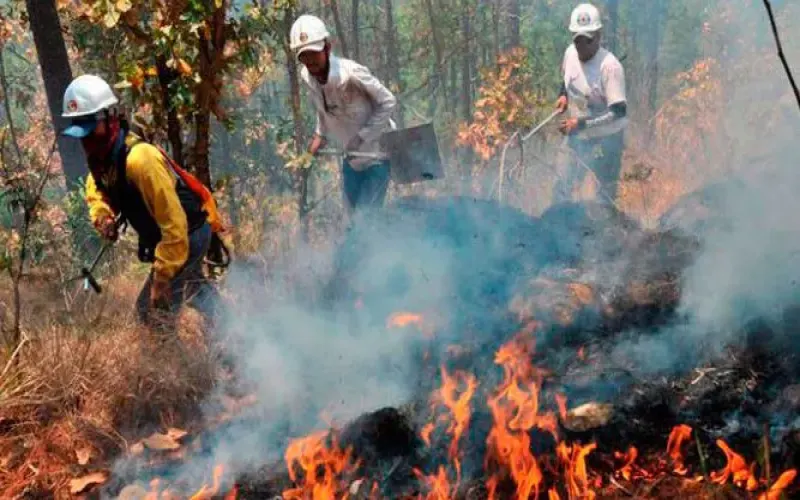
Honduras Ravaged by Wildfires and Extreme Weather, Coffee Industry Faces Risk of Reduced Production
Since 2024, multiple Latin American countries have experienced historic high temperatures and droughts. Honduras is enduring its hottest and driest year since 1992, with maximum temperatures reaching 38-40°C. A total of 1,903 forest fires have broken out nationwide, destroying over 150,000 hectares of forest. Although the main coffee-producing regions have not yet been directly hit by the wildfires, rainfall has decreased by nearly 40% compared to the same period last year, hampering the growth of coffee plants during their flowering period. More critically, El Niño has not yet subsided, while La Niña is highly likely to arrive, and the threat of hurricane season is imminent. The Honduran Coffee Institute (IHCAFE) has already issued a warning about next season's output. Front Street Coffee will continue to monitor developments in the producing regions and bring first-hand information to enthusiasts. [more…]
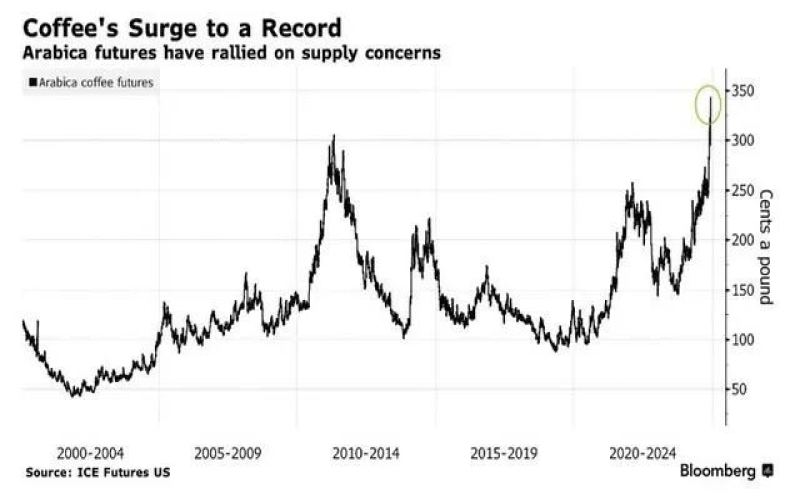
New York coffee futures break through the 343-cent mark as drought in Brazil and reduced output in Vietnam deepen global supply concerns.
The global coffee market is facing severe supply challenges. Affected by Brazil's worst drought in nearly 70 years and adverse weather in Central America, New York arabica coffee futures prices have soared, breaking through $3.43 per pound to reach a record high since statistics began in 1970. Meanwhile, the production outlook for robusta coffee in Vietnam is equally unpromising. Major trader Volcafe has sharply lowered its forecast for Brazil's production and predicts a fifth consecutive year of global coffee supply deficit. Driven by multiple factors including tight inventories, geopolitics, and rising shipping costs, coffee prices are expected to remain high, with the ultimate cost pressure being passed on to consumers. [more…]
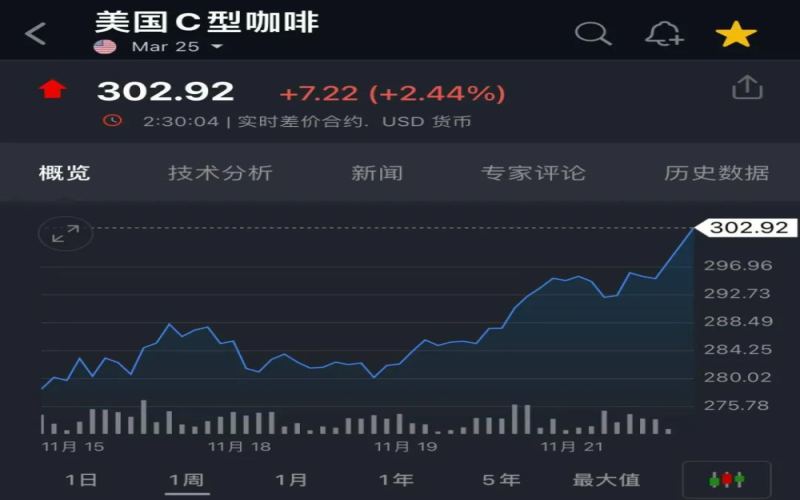
Coffee futures break through 300 cents to a 13-year high, with Brazilian drought and tight inventories as the main drivers
Recently, U.S. C-type coffee futures prices have been climbing steadily, breaking through the 300 cents per pound mark, touching an intraday high of 303.93 cents, and finally closing at 302.92 cents, setting a new 13-year record and simultaneously driving Robusta coffee futures higher. The core driver of this rally comes from the USDA Foreign Agricultural Service (FAS) sharply lowering its forecast for Brazil's 2024/25 production to 66.4 million bags, a 5% reduction from the previous USDA estimate of 69.9 million bags. Combined with multiple factors including Brazil experiencing its worst drought since 1981 and inventories shrinking 26% year-on-year, market concerns over global coffee supply continue to intensify. Producing countries such as Honduras have also seen reduced output due to adverse weather, further exacerbating the tight supply situation. [more…]
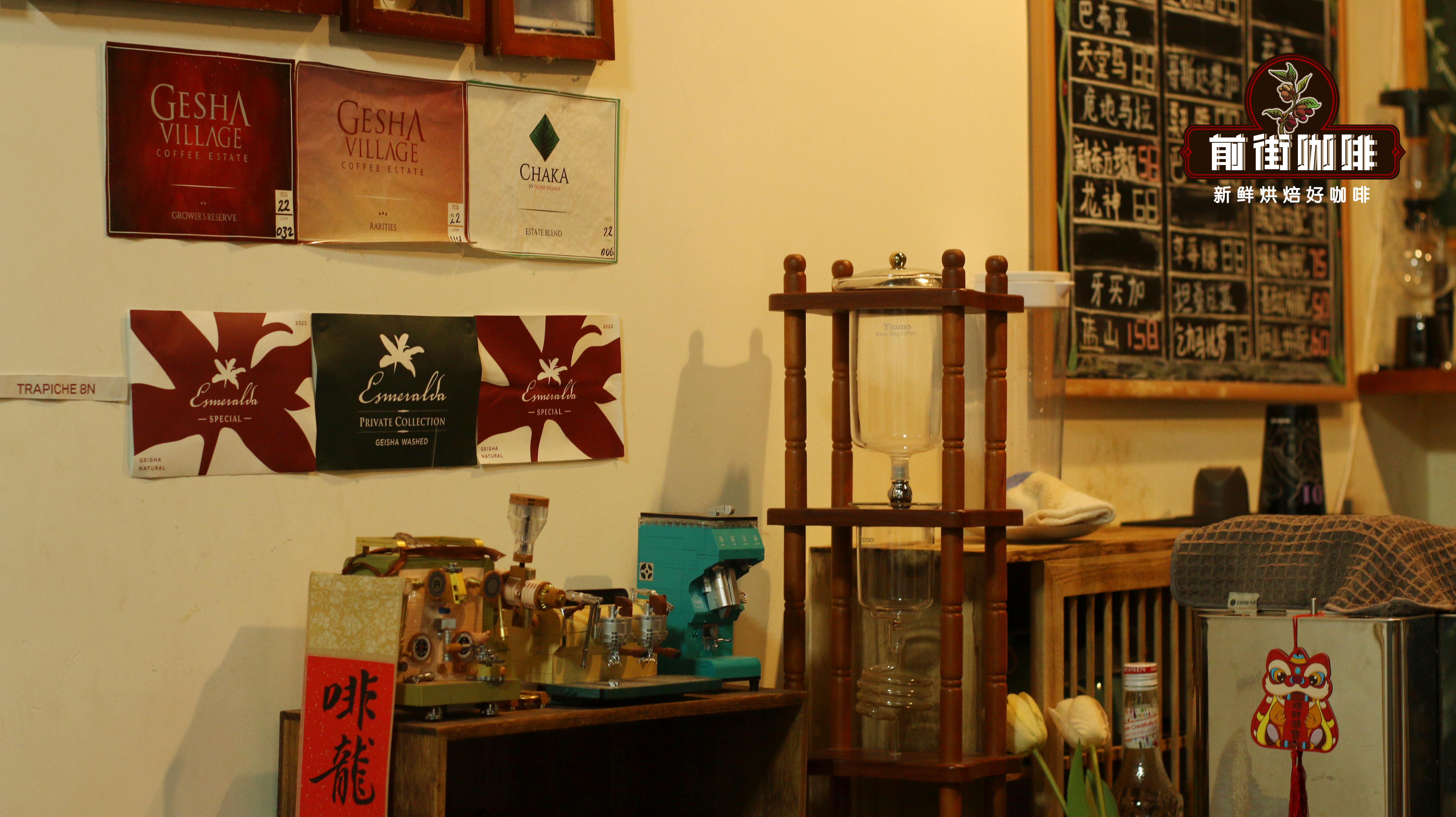
Geisha Coffee Variety Origin and Flavor Analysis: Panama and Ethiopia Production Region Characteristics and Front Street Brewing Guide
Geisha coffee is currently one of the most renowned and expensive varieties in specialty coffee, known for its floral aroma, citrus, peach, and complex fruity acidity, with a creamy smooth mouthfeel and a sweet oolong tea finish. This article starts with Front Street Geisha, first introducing the variety's origins—from the wild forests of Ethiopia to its rise to fame at Hacienda La Esmeralda in Panama—then comparing the flavor differences between two representative producing regions, Panama's Boquete and Ethiopia's Gesha Village, and finally sharing the complete pour-over parameters and three-stage extraction steps for Front Street's Emerald Red Label and Gesha Village Red Label, helping enthusiasts brew their ideal "Geisha flavor." [more…]
A Detailed Guide to the World's Top Ten Coffee Brands: From Geisha to Kilimanjaro—Origins, Flavors, and Processing Methods
There are numerous coffee varieties worldwide, and differences in origin, variety, and processing method give each bean its own unique flavor expression. Washed processing brings bright acidity and a clean mouthfeel, natural processing presents tropical fruit and fermented aromas, and honey processing offers a balanced sweet-and-tart profile reminiscent of wine and dried fruit. This article takes the world's three major producing regions as its framework and, one by one, sorts through ten representative coffees—Panama Geisha, Jamaica Blue Mountain, Indonesia Mandheling, Ethiopia Yirgacheffe, Kenya K72, Costa Rica honey-processed, Brazil Yellow Bourbon, Guatemala, Papua New Guinea, and Tanzania Kilimanjaro—combining Front Street Coffee's bean selection and brewing suggestions to provide coffee enthusiasts with a flavor reference that balances professionalism and practicality. [more…]