







Where Do Panama Geisha and Kilimanjaro Sit in Coffee?
Panama Geisha and Tanzania Kilimanjaro sit at opposite ends of the flavor map. Geisha is the floral, citrus-forward arabica variety that made Hacienda La Esmeralda famous after 2004. Kilimanjaro, grown on the slopes of the mountain, usually shows a cleaner, softer profile with gentle acidity and a mild body.
A wider reference set includes Jamaica Blue Mountain, Indonesia Mandheling, Ethiopia Yirgacheffe, Kenya K72, Costa Rica honey-processed, Brazil Yellow Bourbon, Guatemala and Papua New Guinea. Processing matters as much as origin: washed lots bring bright acidity and a clean feel, natural lots lean toward tropical fruit, and honey lots balance sweet and tart.
There are countless coffee varieties around the world, and differences in origin, variety, and processing method give each bean its own unique flavor profile. Washed processing brings bright acidity and a clean mouthfeel, natural processing presents tropical fruit and fermented aromas, and honey processing offers a balanced sweet-tart character reminiscent of wine and dried fruit. This article takes the world's three major producing regions as its framework, sorting through ten representative coffees one by one: Panama Geisha, Jamaica Blue Mountain, Indonesia Mandheling, Ethiopia Yirgacheffe, Kenya K72, Costa Rica honey-processed, Brazil Yellow Bourbon, Guatemala, Papua New Guinea, and Tanzania Kilimanjaro. Combined with Front Street Coffee's sourcing and brewing recommendations, it offers coffee lovers a flavor reference that is both professional and practical.
Introduction to the World's Top Ten Best Coffee Brands: What is the best-tasting coffee in the world?
The world of coffee is vast beyond measure, making it truly difficult to choose. Coffee beans from different origins, varieties, and processing methods each have their own distinctive flavors and mouthfeels. Given how much everyone's taste preferences differ, only by first telling the barista the flavor direction you want can you get an accurate recommendation. For example, washed processing tends to present bright acidity and a clean mouthfeel; natural processing leans toward tropical fruit notes with a gentle fermented aroma and a round, full body; honey processing often carries wine-like and dried-fruit flavors, striking a balance between sweet and tart. Next, Front Street Coffee will walk you through several coffee beans from the world's three major producing regions, across different countries and processing methods, answering your questions about choosing beans one by one.
1. Panama - Geisha (the beloved choice for floral-fruity aroma and a clean, sweet taste)
Geisha is now one of the representative varieties of specialty coffee, and the Geisha widely recognized as the finest quality mostly comes from Panama. However, the origins of the Geisha variety can be traced back to 1931, when it was discovered in the Geisha forest of Ethiopia, then sent to a coffee research institute in Kenya, introduced to Uganda and Tanzania around 1936, and brought to Costa Rica in 1953. Panama only began cultivating Geisha in the 1970s.
It was not until Daniel Peterson, owner of Panama La Esmeralda, took first place in the 2004 Panama coffee cupping competition that Geisha truly took the world by storm. Geisha's sweetness is full, its mouthfeel extremely clean, and its aroma richly layered, ranging from berries and citrus all the way to mango, papaya, and peach. That very distinct bergamot-like aftertaste is also a typical cupping characteristic, making it arguably the recognized champion among coffee varieties. Most importantly, unlike traditional coffee beans, Geisha shows moderate body, sweet and multi-layered tropical fruit flavors, and a rose-like aromatic finish in the cup.
Recommended coffee: Front Street Panama La Esmeralda Green Label Geisha Coffee Beans Region: Boquete, Panama Estate: La Esmeralda Altitude: 1600-1800m Processing method: Washed Variety: Geisha Brewing flavor: Rich jasmine aroma on the entry, high sweetness, citrus, berries, juicy mouthfeel, cream, green tea, orange peel, cantaloupe; overall richly layered, with a lasting floral and citrus finish.
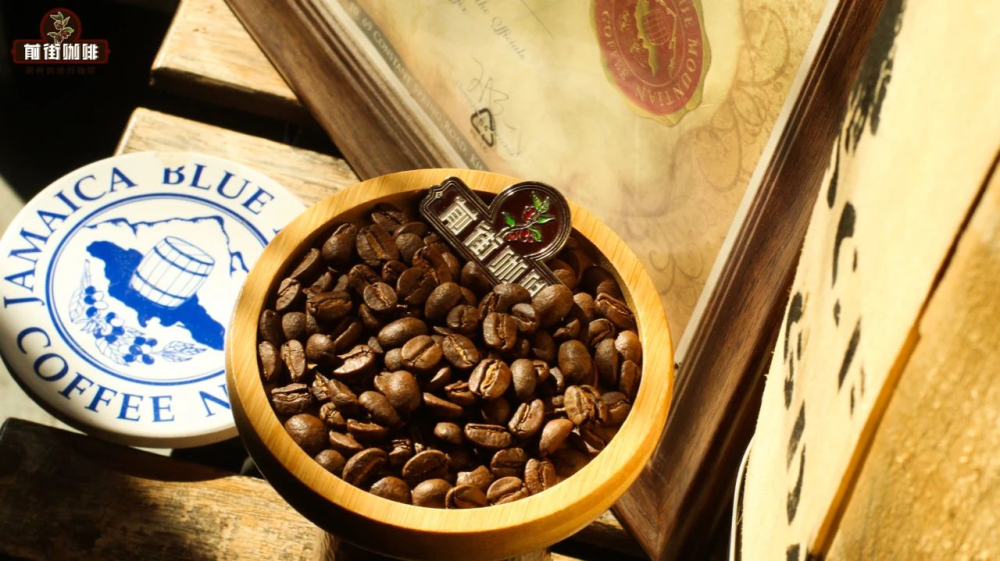
2. Jamaica - Blue Mountain (a perfect balance of acidity, bitterness, and sweetness)
The Blue Mountain range lies in the east of Jamaica. Because the mountains are surrounded by the Caribbean Sea, whenever the weather is clear and sunlight strikes the azure sea, the peaks reflect the sea's brilliant blue glow, which is how Blue Mountain got its name. The highest peak of Blue Mountain stands at 2,256 meters, the tallest in the Caribbean region and a famous tourist destination.
Located in the coffee belt, this area has fertile volcanic soil, fresh and pollution-free air, a humid climate, and is foggy and rainy year-round (average rainfall of 1,980 mm, temperature around 27 degrees). These climate conditions have created the world-renowned Jamaica Blue Mountain coffee, and also the world's most expensive coffee. This coffee possesses all the qualities of a great coffee: not only is it rich and mellow in flavor, but because its sweetness, acidity, and bitterness are perfectly balanced, it has no bitterness at all, only a moderate and perfect acidity. Front Street Coffee's Blue Mountain is sourced through the designated export company appointed by the national coffee board, with green beans packed in wooden barrels and Rainforest Alliance certified; in flavor it differs from Mandheling's intense body, being a traditional representative of Old World coffee.
Recommended coffee: Front Street Jamaica Blue Mountain No. 1 Coffee Beans Farm: Clifton Farm Estate owner: The Sharp family Certification: Rainforest Alliance Location: Newcastle area Total area: 250 acres Coffee planting area: 180 acres Average altitude: 4,300 feet (1,310.64 meters) Processing method: Washed Variety: Arabica Typica Brewing flavor: Clean mouthfeel, not as intense as the previous cup, prominent chocolate and nutty flavors, balanced acidity, sweetness, and bitterness.
3. Indonesia - Mandheling (full-bodied, low acidity, pronounced sweetness) Indonesia is one of Asia's famous coffee-producing countries, and the most famous is Mandheling coffee, which has low acidity, high intensity, and a grassy aroma; it drinks rich and full-bodied, with a sweet finish that leaves a deep impression.
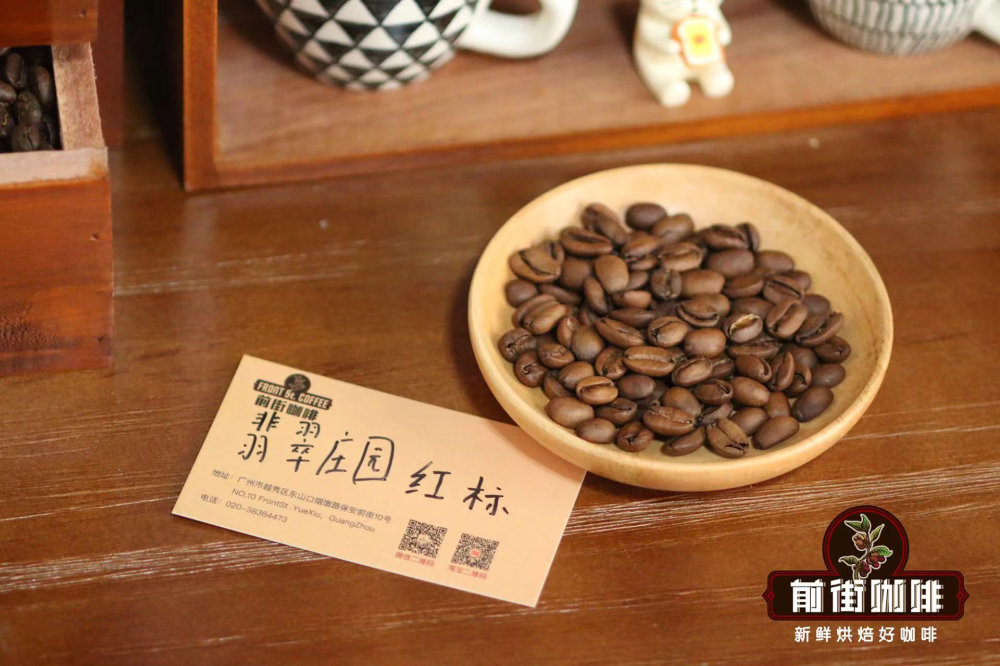
For those who don't like acidity, it's worth a try. Since Front Street opened, it has always been a loyal fan of Mandheling coffee, and Front Street's Golden Mandheling from PWN has consistently been loved by Front Street's fans. Golden Mandheling is the best of the best, a specialty grade; the Mandheling that undergoes multiple rounds of hand sorting must have a full and uniform appearance, and compared with ordinary Mandheling it has a cleaner mouthfeel and richer flavor, making it the representative work for those who pursue the traditional coffee taste.
Recommended coffee: Front Street Indonesia Golden Mandheling Coffee
Country: Indonesia Company: PWN Region: Gayo Mountain, Aceh, North Sumatra Processing method: Wet-hulled Variety: Ateng Altitude: 1100-1600 meters Brewing flavor: Complex and varied layers, full-bodied and clean, high balance, rich nutty and caramel aromas, with chocolate notes, and a lasting finish.
4. Ethiopia - Yirgacheffe (fresh, elegant floral-fruity aroma, bright citrus acidity)
Yirgacheffe in Ethiopia is a famous specialty coffee region, and its coffee carries an elegant floral-fruity aroma with bright, lively acidity. As the birthplace of coffee, Ethiopia's thousand-year history of cultivation and processing tradition has produced high-quality washed Arabica beans.
A light roast has a distinctive lemon, floral, and honey-like sweet aroma, with soft fruit acidity and citrus notes, and a fresh, bright mouthfeel. Natural-processed Yirgacheffe has a rich tropical fruit flavor, a sweet and full body, round and soft acidity, and lasting sweetness; it is also the first choice for most people starting out with specialty coffee.
Recommended coffee: Front Street Yirgacheffe Red Cherry Natural Coffee Beans Region: Yirgacheffe Regional altitude: 1900-2300m Variety: Heirloom Processing method: Natural Grade: G1 Brewing flavor: Tropical fruit and strawberry flavors, full and round acidity, juicy mouthfeel, and a long finish.
5. Kenya - K72 Washed (cherry tomato flavor, the bright, tart sprite with full-bodied acidity)
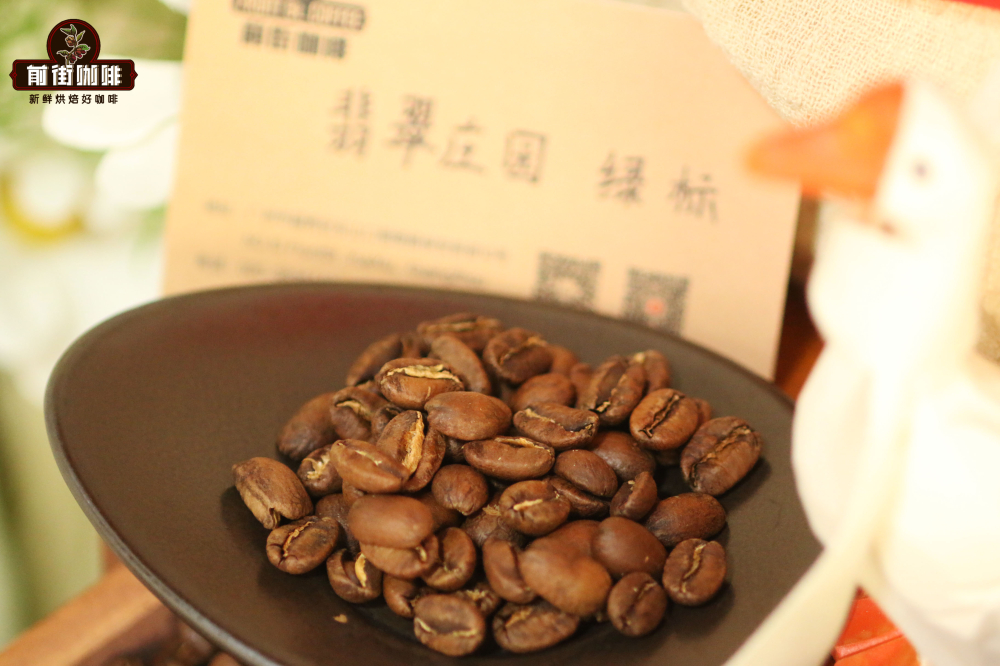
Kenyan coffee is globally recognized as high quality, backed by full national support and a strict grading system, earning it the reputation of "coffee connoisseur's choice." AA is Kenya's best coffee grade, and coffee of this grade is the cream of the crop, so much so that Front Street is deeply fond of AATOP from the Thika region.
TOP is a designation marked by Kenyan coffee merchants after cupping. This bean uses the K72 double washed fermentation process, and its acidity is very bright and lively, as delicate and mouthwatering as berries and red wine. During brewing, a rich berry aroma bursts out instantly, and on the entry there are distinct cherry tomato and smoked plum flavors; the tartness and aroma linger together in the mouth for a long time, with a creamy sweet finish and lasting sweetness. For anyone who can accept acidity, Kenya is an excellent choice.
Recommended coffee: Front Street Kenya Little Tomato Coffee Beans Region: Thika, Kenya Washing station: Asali Honey Washing Station Altitude: 1550-1750 meters Grade: AA TOP
Variety: SL28, SL34 Processing method: Kenya 72-hour washed Brewing flavor: Ripe tomato and floral notes, cherry tomato and smoked plum flavors on the entry, bright acidity, a clean yet solid and rich mouthfeel, prominent sweetness in the mid-palate with a juicy character, and a finish of berry aromas and yellow sugar sweetness with green tea fragrance.
6. Costa Rica - Honey Process (dried fruit, pronounced sweetness in the coffee flavor) Costa Rica was the first country in Central America to grow coffee, and it is most famous for the honey process, which can be called a recommended processing method. The so-called honey process refers to the procedure of making green beans by sun-drying them with the mucilage still attached. After the coffee cherry's outer pulp is removed, a sticky, glue-like substance remains. The traditional washed method rinses this off with clean water, but because some high-altitude producing regions face water resource limitations, this direct drying method emerged.
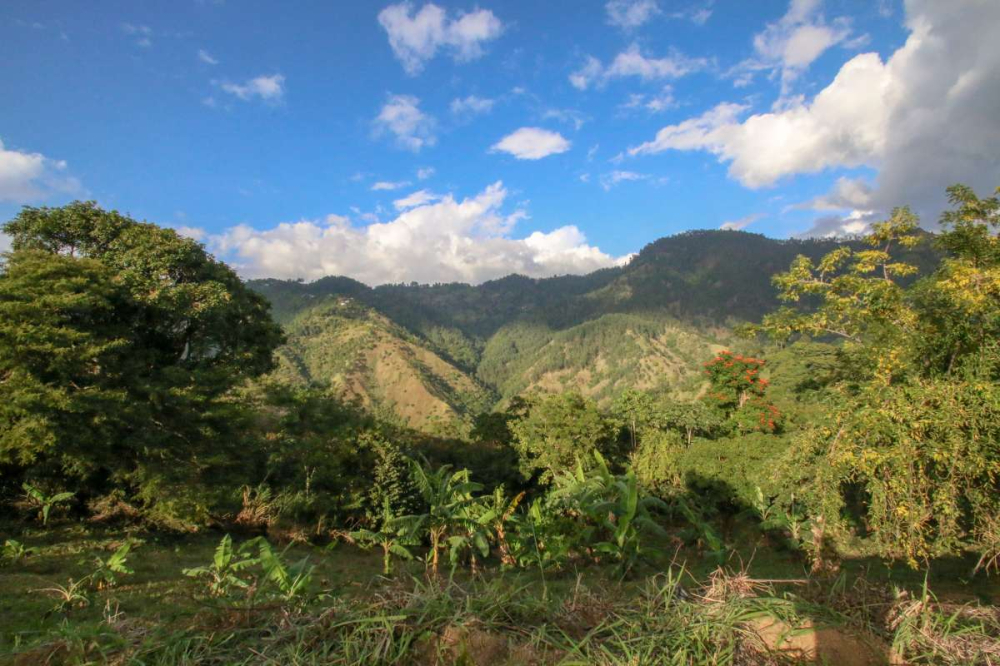
The honey process is prone to contamination and mold damage, requiring strict supervision throughout, with constant turning to speed up drying and avoid producing undesirable fermented flavors. Its advantage lies in preserving the original sweet flavor of the ripe coffee fruit as much as possible, giving the coffee a light brown-sugar flavor and stone-fruit sweetness, while berry flavors also support a red-wine-like aromatic base, making it considered a very elegant product. Honey-processed coffee beans are highly sought after, largely because of their sweet and full-bodied character.
Recommended coffee: Front Street Costa Rica Mirazu Estate Geisha Blend Coffee Beans Region: Tarrazu, Costa Rica + Panama Altitude: 1700 meters Variety: Geisha blend Processing method: Honey process + washed process
Brewing flavor: Rose, the sweet-tartness of strawberry gummies, an almond finish, and pronounced sweetness.
7. Brazil - Yellow Bourbon (a must-have for lovers of nutty and cocoa flavors)
Brazilian coffee varieties include Arabica and Robusta, with Bourbon as the main cultivated variety. Its characteristic flavor has relatively low acidity, and combined with the coffee's sweet-bitter taste, it is extremely smooth on the entry, with a faint grassy fragrance. It is delicately fragrant with a slight bitterness, sweet and smooth, and the aftertaste is refreshing and pleasant.
Brazilian coffee has no particularly outstanding merits, but also no obvious shortcomings; its flavor is mild and smooth, with low acidity, moderate body, and a faint sweetness. Blending all these gentle flavors together, trying to distinguish them one by one is the ultimate test for the palate. Yellow Bourbon is Brazil's highest-quality variety, and Queen's Estate is a representative estate that once won the COE championship with Yellow Bourbon.
Recommended coffee: Front Street Brazil Queen's Estate Coffee Beans Country: Brazil Region: Mogiana Estate: Queen's Estate Variety: Yellow Bourbon Processing method: Pulped natural Altitude: 1400-1950m Brewing flavor: The fresh sweetness of sugarcane juice, black tea, a soft and smooth fruit sweetness, distinct nutty flavors, balanced and gentle acidity, faint and clean bitterness, rich chocolate aroma and nutty flavors, a bright and refreshing mouthfeel, and a smooth, delicate texture.
8. Guatemala (soft fruit acidity, mild and full-bodied)
Guatemala is a land of volcanoes, home to the most volcanoes in the world, and thus features high-altitude volcanic terrain; these volcanoes are precisely an excellent home for cultivating coffee. Add to that more than 300 microclimates, and it has become one of the world's specialty coffee-producing countries.
There are mainly seven coffee-growing regions in Guatemala, and the coffee produced in each region has a different flavor. Overall, however, Guatemalan coffee beans present a mild yet full-bodied overall texture, an elegant aroma, and a special, pleasant acidity similar to fruit acids. It has become veritably the nobility of coffee, highly recommended by coffee connoisseurs around the world.
Recommended coffee: Front Street Guatemala Antigua Flor de Cafe Coffee Beans Region: Antigua region Altitude: 1200-1600m Variety: Bourbon, Caturra Processing method: Washed Grade: SHB Brewing flavor: Berry acidity, citrus, slight chocolate, richly layered, and a smooth mouthfeel.
9. Papua New Guinea PNG
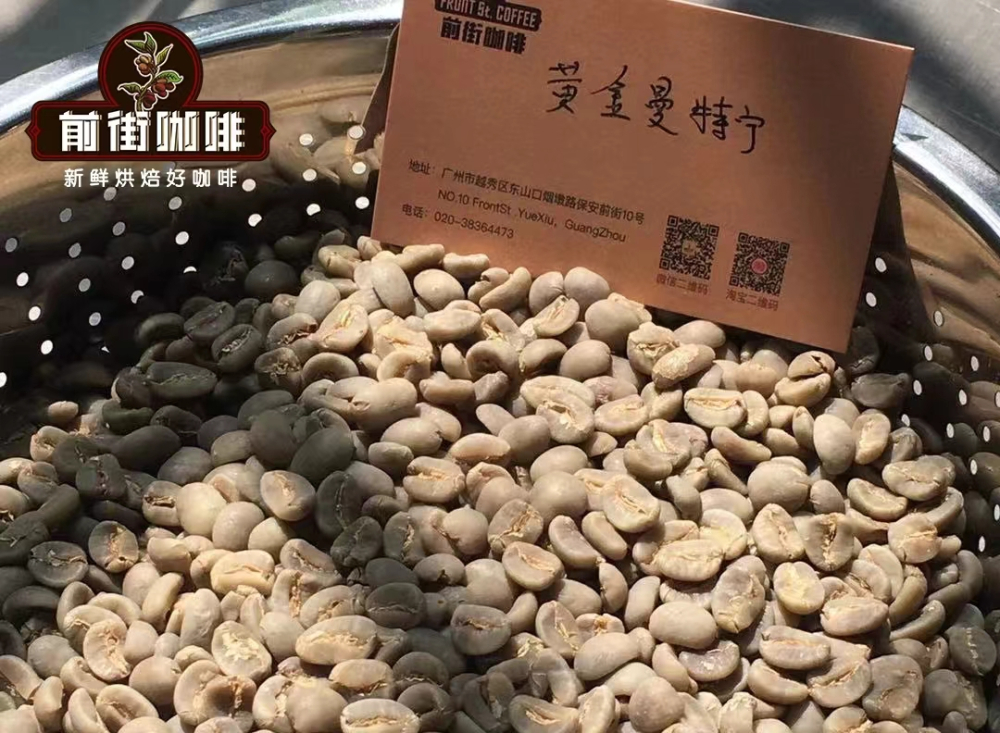
For coffee lovers, Papua New Guinea is a country both familiar and unfamiliar. Many have heard of Papua New Guinea coffee, but few have actually tried it. Quite a few enthusiasts who have tasted Papua New Guinea coffee describe it as reminiscent of "Blue Mountain." This is because historically, due to its colonial ties, its variety, grading, and development followed a similar trajectory to Blue Mountain and Hawaii, which are likewise island-type coffee-producing regions. Papua New Guinea coffee mainly has rich nutty and cocoa flavors, with a slight berry sweetness. It tastes full-bodied and balanced, with a sweet note and soft acidity.
Recommended coffee: Front Street Papua New Guinea Bird of Paradise Coffee Beans Country: Papua New Guinea Estate: Sigri Bird of Paradise Estate Altitude: 1600-1800m Processing method: Washed Variety: Typica Grade: AA
10. Tanzania — Kilimanjaro Coffee
Tanzania is a typical East African country, bordered by Kenya and Uganda to the north, Malawi, Mozambique, and Zambia to the south, and Rwanda and Burundi to the west. Although not as famous as other African beans, its annual output is almost equal to Kenya's, reaching 50,000 tons. The earliest Arabica seeds were introduced from Réunion (then Île Bourbon) and planted in the Bayamoyo and Mogoro regions.
Today, Tanzania's coffee is mainly grown in Kilimanjaro and the southern region:
Southern Coffee-Growing Region
The southern region includes RUVUMA and MBEYA. With altitudes of 1200-2000m, the southern region is considered a potential area for producing high-quality coffee. In the past, insufficient funding hindered development, but in recent years it has attracted the attention of many certification bodies and non-governmental organizations, and is currently working to improve the quality of coffee in the southern region, which has a low reputation. The coffee harvest period in the southern region is from June to October each year, and the main planted varieties are Bourbon, Typica, and Kent.
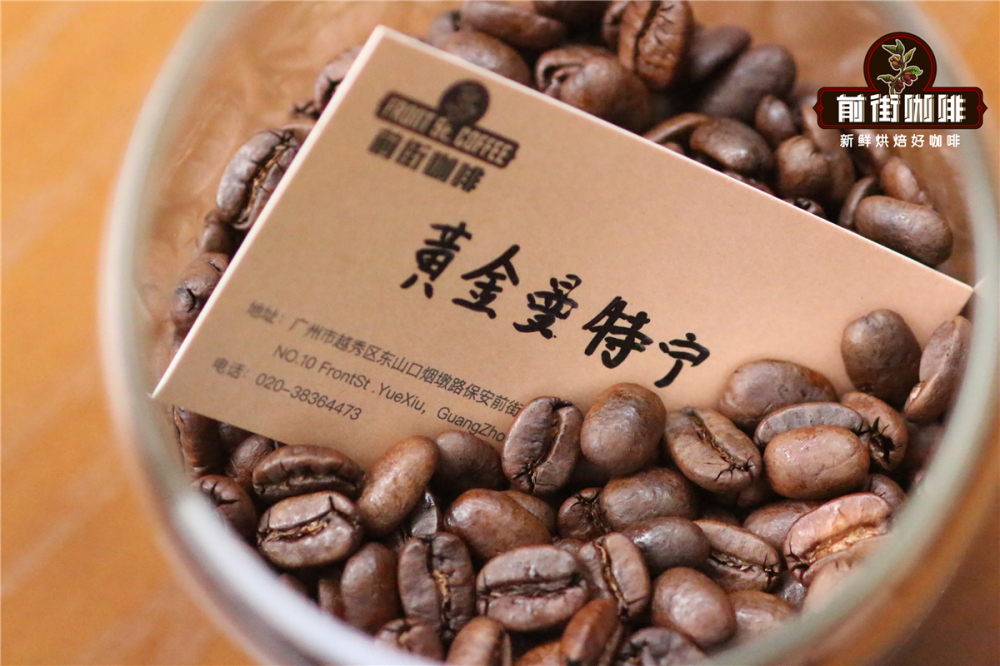
Mount Kilimanjaro is the highest mountain on the African continent, with altitudes of 1050-2500m. Sufficient altitude, volcanic soil, and pure snowmelt water make it the most suitable region for cultivating coffee. Some coffee trees planted here are over 100 years old. Coffee was first introduced and planted by Christians from Kenya; coffee trees must be carefully tended, weeded, and fertilized, and old branches must also be pruned so that new branches can grow to maintain coffee bean quality.
The main varieties planted in the Kilimanjaro region are Bourbon, Typica, and Kent. Front Street's Kilimanjaro coffee is selected from the old Typica variety, is AA grade, and uses washed processing; at the same time, to highlight the bright fruit acidity style of African coffee, Front Street has adjusted it to a medium-light roast level.
Front Street Coffee: Tanzania Kilimanjaro Coffee Region: Northern Highlands, Kilimanjaro volcanic area
Variety: Typica
Processing method: Washed
Grade: AA
Altitude: 1300-2000m
The above content is compiled by CoffeeHunters, a coffee news website.


