








How Does Extreme Weather Affect Mexican Coffee Production?
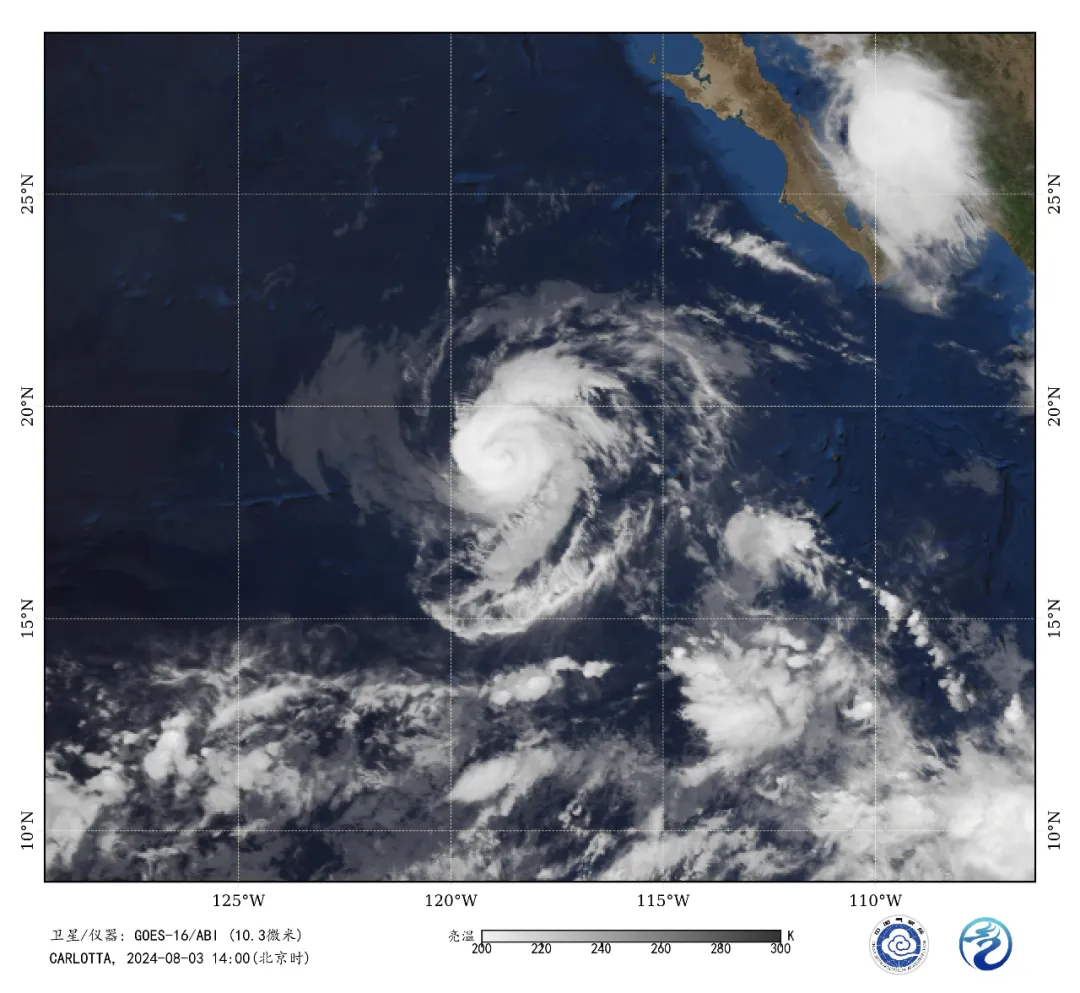
Tropical Storm Carlotta struck western Mexico's main coffee-growing region with heavy rain, lightning and hail during the flowering period. Colima, Jalisco, Michoacán and Nayarit account for about 15 percent of Mexico's coffee production. Industry insiders expect yield losses of up to 50 percent, and Oaxaca and Chiapas now face flooding and landslide risks.
About 80 percent of Mexico's coffee-growing area had already been hurt by high temperatures and drought before the storm. Mexico aims for 3.89 million bags in the 2024/25 season. Carlotta carried maximum sustained winds of 75 kilometers per hour and left the country, though coastal high waves and strong winds remain. Coffee trees in flower are especially exposed.
The main coffee-producing region in western Mexico was recently hit by Tropical Storm Carlotta, with heavy rainfall, lightning, and hail posing a serious threat to coffee trees in their flowering period. The states of Colima, Jalisco, Michoacán, and Nayarit produce about 15% of Mexico's coffee output, and approximately 80% of the country's coffee-growing area had already been affected by high temperatures and drought. Industry insiders expect yield losses could reach 50%. After the storm, neighboring states such as Oaxaca and Chiapas also face risks of flooding and landslides. Meanwhile, Mexico is working to boost its coffee industry, with a production target of 3.89 million bags for the 2024/25 season, but a succession of extreme weather events has cast a shadow over this vision.
Mexico's National Meteorological Service reported on local time July 31 that after Hurricane Carlotta, which formed in the Pacific, made landfall in Mexico, it brought intense rainfall and flooding to the western part of the country, dealing a major blow to the local economy.
Data from the meteorological department show that Carlotta's maximum sustained wind speed reached 75 kilometers per hour, and its intensity climbed from Category 11 to Category 13 over the past 24 hours, with a maximum sustained wind speed also at 75 kilometers per hour. The storm brought heavy precipitation to western Mexico, accompanied by lightning and hail, with the affected areas mainly concentrated in Colima, Jalisco, Michoacán, and Nayarit. Although Carlotta has now left Mexican territory and is moving westward, coastal areas still face risks of high waves and strong winds.
It is reported that Colima, Jalisco, Michoacán, and Nayarit are all key agricultural and livestock states in Mexico, mainly producing crops such as wheat, corn, sugarcane, coffee, and fruit, and these areas contribute about 15% of Mexico's coffee production.

In addition, the hurricane's path also poses threats to surrounding areas, because the storm brings violent winds and rain along its route, potentially triggering large-scale flooding, landslides, and other secondary disasters, and damaging local infrastructure, especially in the neighboring states of Oaxaca and Chiapas.
According to another report from Mexico's National Meteorological Service, on June 19, Tropical Storm Alberto formed in the Gulf of Mexico and made landfall on the 20th, bringing heavy rain to Veracruz, Coahuila, Hidalgo, Nuevo León, Puebla, San Luis Potosí, Tamaulipas, and other areas. Other states and cities were also affected by heavy rainfall, which has caused multiple deaths.
Currently, Mexican coffee is in its flowering period. Hurricanes and heavy rain can knock off some berries, while floods and hail directly damage the coffee-growing environment and some infrastructure, ultimately leading to a decline in coffee production. Mexico is a coffee-producing country that grows both Arabica and Robusta varieties, and heavy rain has a more obvious impact on Robusta varieties planted at lower altitudes.
In early July, the Chinese Embassy in Mexico reminded Chinese citizens in Mexico and those planning to travel to Mexico soon to take precautions against meteorological disasters, ensure personal safety, closely monitor weather changes, avoid mountainous areas and low-lying areas prone to flash floods, mudslides, landslides, and other secondary disasters, and make preparations in advance.
In recent years, as coffee prices have risen, Mexico has been improving coffee-growing conditions and encouraging expansion of cultivation. At the beginning of this year, a coffee report released by Mexico showed that coffee production for the 2024/25 marketing year was expected to reach 3.89 million bags. However, recent local reports in Mexico say the coffee industry has suffered climate shocks. In the first half of the year, it experienced high temperatures, drought, and insufficient rainfall, affecting about 80% of the coffee-growing area. Industry insiders estimate a 50% reduction in production, and now with the storm, the situation for reduced output is likely to become even more severe.
In early June, the U.S. National Oceanic and Atmospheric Administration (NOAA) released a report saying that the peak hurricane season was approaching and noted that this year's hurricane risk was three times stronger than usual. According to data released by Mexico's National Water Commission, as many as 41 tropical cyclones will form in the Atlantic and Pacific this year, 5 of which will affect Mexico, requiring preventive measures in advance.
The above content is compiled by CoffeeHunters, a coffee news website.


