







Why does storm damage threaten Boquete's specialty coffee?
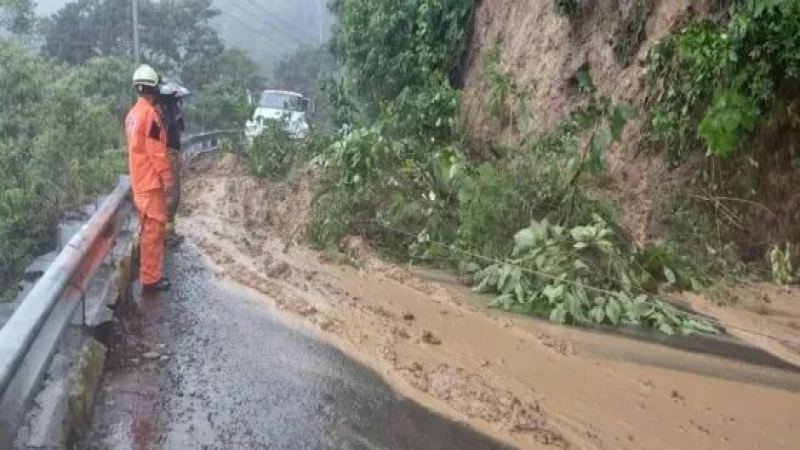
Since October, Tropical Storm Rafael has driven unusually heavy rain across Panama, triggering at least 11 landslides in Boquete and flooding in Chiriqui, Veraguas, Herrera, and Los Santos, where more than 500 people were affected and about 150 residents evacuated. Roads, water pipes, and a bridge near Palmira Boquete were damaged, disrupting transport of the specialty coffee grown there.
Boquete's mountainous, canyon-cut terrain makes it prone to disasters when rainfall is excessive. Because the harvest begins in December, continued heavy rain could harm fruit-bearing coffee trees and cut both quality and yield, raising costs for the wider coffee industry as the region's crop moves to market.
Since October, Panama has entered its rainy season, but this year, affected by Tropical Storm "Rafael," the rainstorms and strong winds have been unusually severe, triggering multiple landslides and floods, with Chiriquí Province and other areas hit hard. As the core production region for Panamanian specialty coffee, Boquete has not been spared this time either, with roads damaged, water supply interrupted, and coffee transportation hindered. More concerning is that the coffee harvest season is approaching in December, and the continuous heavy rain may damage coffee trees that are currently bearing fruit, thereby affecting quality and yield. This article will review the progress of the disaster and its potential impact on the coffee industry.
According to reports from local Panamanian media, the country entered its rainy season in October, but this year, disturbed by Tropical Storm "Rafael," the rainfall intensity has far exceeded normal levels, with extreme rainstorms and stormy weather occurring frequently, triggering multiple landslides and flood disasters that have affected many regions of Panama. Among them, the four provinces of Chiriquí, Veraguas, Herrera, and Los Santos were the hardest hit, with more than 500 people affected.
Panamanian authorities stated that multiple landslides have occurred in Jaramilo Centro in Chiriquí Province, La Virgencita in Boquete, and Renacimiento. At the same time, due to continuous heavy rain, river levels near these areas have risen, posing flood risks, and about 150 residents have already been evacuated from the aforementioned areas.
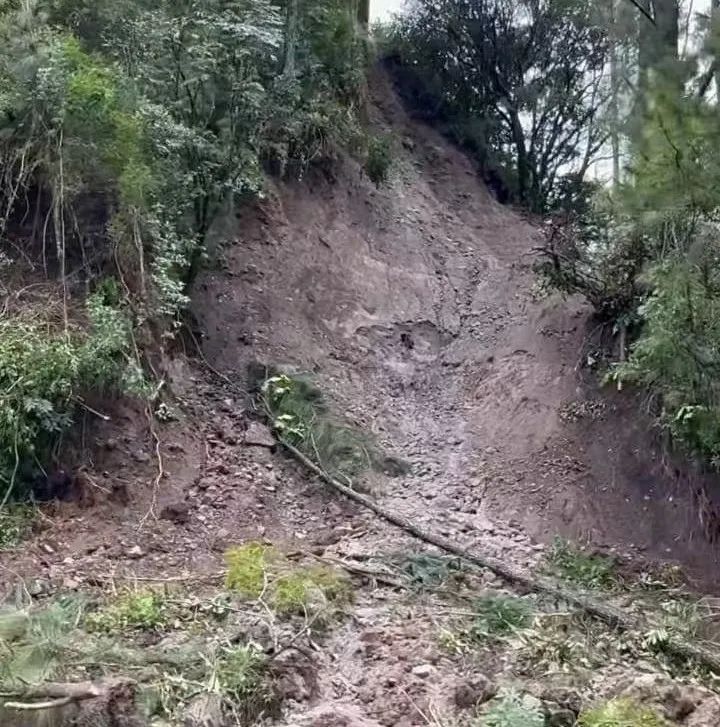
According to the mayor of the Boquete district, the area's terrain is mainly mountainous and canyon-filled, making it highly prone to disasters when rainfall is excessive. Within the Boquete area alone, at least 11 landslides caused by heavy rain have occurred, three of which were particularly severe. Some landslides also caused water pipes to burst, affecting the supply of drinking water and domestic water for residents in some areas.
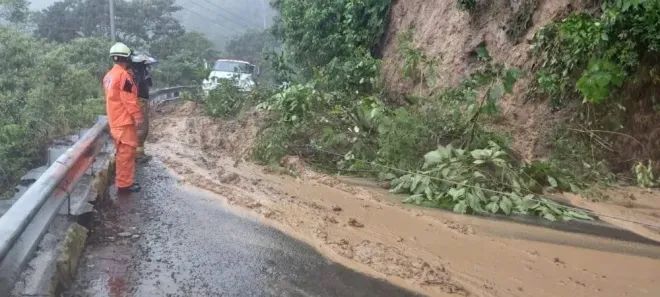
In addition, landslides have damaged multiple roads, and some sections and a bridge have already collapsed. Among them, the Palmira Boquete road is an important route for transporting products in the Boquete area. After being damaged, local residents and cargo transportation have had to take detours, which undoubtedly increases time and costs.
It is understood that on November 6, the Panama Meteorological and Hydrological Institute (Imhpa) announced that a tropical depression that had formed over the Caribbean Sea on the northern side of Panama had strengthened into Tropical Storm "Rafael," with expected wind speeds of up to 63 kilometers per hour. Subsequently, Panama's Civil Protection System issued red alerts in five provincial areas.
On November 7, Tropical Storm "Rafael" left Panama and made landfall in Cuba as a Category 3 hurricane, but its impact on rainfall in Panama continued, with heavy rain still ongoing. At present, the storm has caused at least 5 deaths in Panama.
Currently, the rain in Panama has weakened somewhat, but the weather remains unstable, and heavy rain may still occur in the coming days. Because the land is loose, landslides and floods may still occur again. Local authorities revealed that rainfall in these 10 days of November has reached 320 millimeters, the highest November rainfall in recent years.
The area most severely affected this time is precisely Panama's main specialty coffee production region—Boquete, which is home to many well-known coffee estates, such as Hacienda La Esmeralda, Duncan Estate, and Elida Estate.
In addition, Panama's coffee harvest season usually runs from December to March of the following year. This excessive rainfall will damage coffee trees in the fruiting stage, potentially leading to a decline in coffee quality and yield. At the same time, the damage to roads and other infrastructure caused by floods and landslides will also affect the transportation of local supplies and coffee products.
For more information on coffee origins, please scan the QR code to follow: Coffee Review
Long-press the QR code to follow:
The above content is compiled by CoffeeHunters, a coffee news website.


