







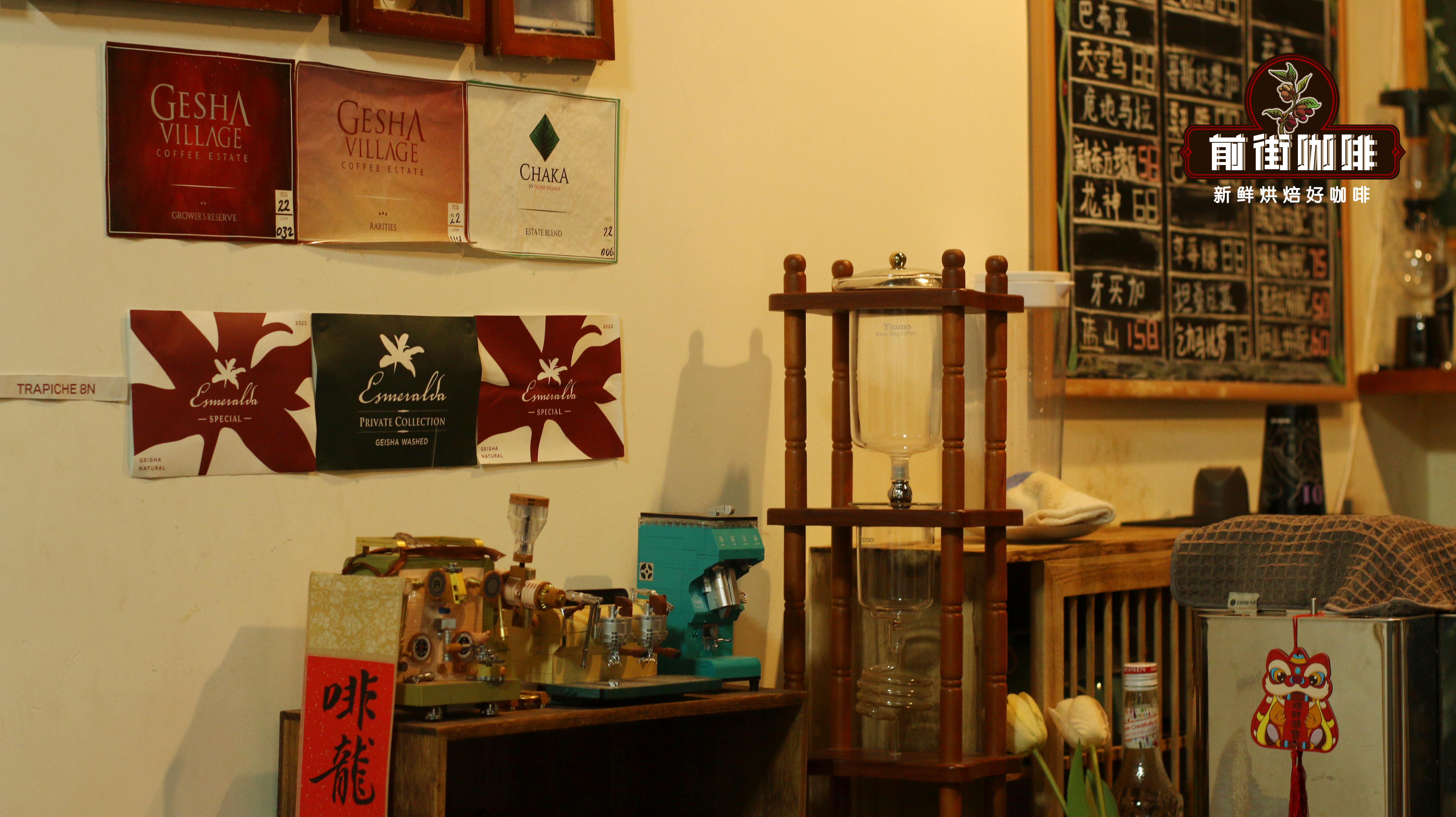
Geisha coffee is currently one of the most well-known and highly priced varieties in specialty coffee, famous for its floral aroma, citrus, peach, and complex fruity acidity, with a creamy smooth mouthfeel and a lingering oolong tea sweetness. This article starts with Front Street Geisha, first introducing the origin of the Geisha variety—from the wild forests of Ethiopia to its rise to fame at Hacienda La Esmeralda in Panama—then comparing the flavor differences between two representative producing regions, the Boquete region of Panama and Gesha Village in Ethiopia, and finally sharing the complete pour-over parameters and three-stage extraction steps for Front Street's Emerald Red Label and Gesha Village Red Label, helping enthusiasts brew their ideal "Geisha flavor."
In today's specialty coffee market, Front Street Geisha is probably one of the most famous and highest-priced coffees. Even people who don't usually drink coffee have mostly heard the name "Geisha." This coffee that has taken the world by storm displays an intense yet elegant floral aroma, complex fruity acidity reminiscent of citrus and peach, a creamy smooth mouthfeel, and a finish with oolong tea-like sweetness. The flavor is so refined it feels less like drinking coffee and more like savoring a fragrant cup of fruit tea.
Many beginner friends preparing to buy Front Street Geisha coffee have given feedback to Front Street, worried that after buying the beans they might brew it "wrong" and fail to bring out the flavor Geisha should have. Don't worry—let's first follow Front Street to carefully understand the characteristics of Geisha coffee beans, and then look into how to brew that "Geisha flavor."
What kind of variety is Geisha?
Geisha seedlings were first discovered and collected in the wild forests of southwestern Ethiopia. The purpose of collection at the time was to find new disease-resistant varieties, and it was named after a nearby mountain called Geisha. In 1954 it was brought to Costa Rica and recorded as T2722. In the 1950s and 1960s, Geisha was trial-planted on many coffee farms in Central and South America, but due to low yield and fragile plants, it was never widely cultivated. It wasn't until 2003 that the Peterson family of Hacienda La Esmeralda recognized its potential, and after winning the Best of Panama competition in 2004, the Panama Geisha era began.
Geisha is extremely demanding about its growing environment, requiring high altitude, fertile soil, and cloud cover or shade from plants—it cannot be exposed to direct sunlight. The owner of Hacienda La Esmeralda once said that the farm needs a large number of shade trees to block sunlight for the delicate Geisha, and traditional pruning methods must be used in the early planting stages, otherwise the plants easily die. The higher the altitude at which Geisha is planted, the longer the coffee cherries take to mature, and the more complex and unique the flavor expression.
Unlike other coffee varieties, the leaf system of the Geisha coffee tree is very thin, which means photosynthetic efficiency is very low. Its root system is also quite fragile, absorbing water and nutrients very slowly, resulting in very low yields; combined with the high-altitude growing environment, the cherries also mature later. A single Geisha coffee tree produces only half the yield of a Caturra variety, which is one of the reasons Geisha is so expensive.
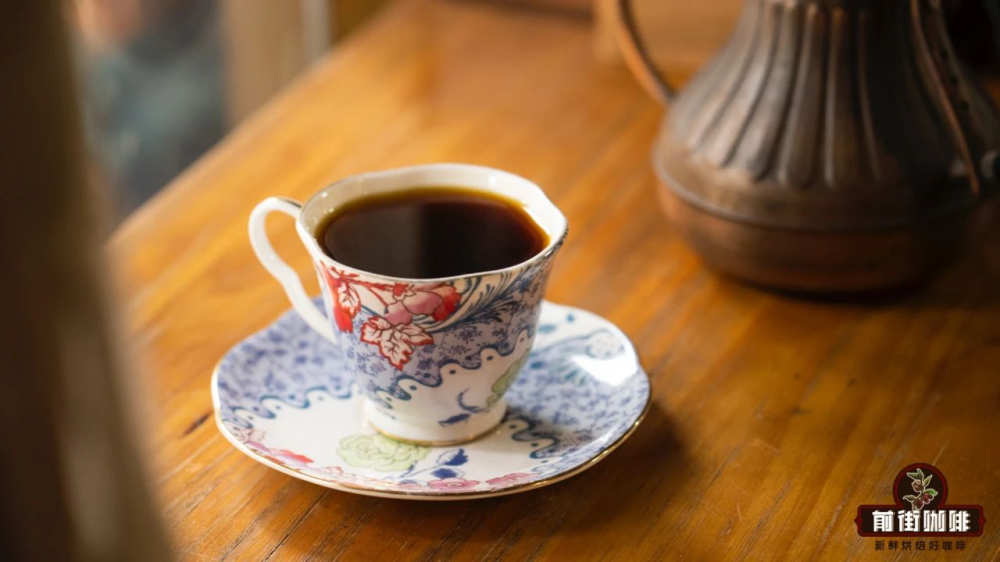
Since Geisha rose to fame, coffee farmers not only in Central and South America but around the world have raced to plant this variety. However, each producing region has its own unique terroir, and different terroirs affect coffee quality and flavor, so Geisha also displays its own flavor profile in each place. Front Street believes the most representative are still Geisha's birthplace—Ethiopia—and Geisha's place of fame—Panama.
What flavor characteristics do Geishas from different producing regions display?
Panama has only three main coffee producing regions: Boquete, Volcan, and Renacimiento, yet it produces the world's most expensive coffee. The Boquete region is a town in Chiriquí Province, located on a plateau at about 1000-2000 meters on the eastern side of Barú Volcano, facing the warm, humid Caribbean monsoon, with the Atlantic cold current behind it. The mountains are high and steep, and Volcan Baru National Park is an ecological conservation area with rich biodiversity, seven microclimates, and year-round mist, plus abundant rainfall, creating excellent planting conditions. Front Street's Panama Geisha coffees from Hacienda La Esmeralda and Elida Estate come from the Boquete region.
After Geisha won the championship, the Peterson siblings managed the Geisha coffee trees on the farm more systematically based on altitude, area, and cupping performance. The areas where Geisha is planted were divided into three major plots: Cañas Verdes, Jaramillo, and El Velo. To ensure traceability of each coffee lot, Peterson further refined each major plot into different small plots, so buyers purchasing Geisha coffee can look up specific planting plot information through the lot.
The Geisha variety was initially discovered in the Jaramillo plot, and the decision by the Peterson siblings to raise Geisha's planting altitude was also implemented in this plot. As the discovery and cultivation site of Geisha, Jaramillo became the most famous plot of Hacienda La Esmeralda. Jaramillo's average altitude is above 1650 meters, and the cold, humid mountain air allows the Geisha coffee here to be full of natural essence. Front Street's Emerald Red Label comes from the Mario plot in Jaramillo, using natural processing, presenting an intoxicating fragrance of rose, citrus, berries, and honey.
Front Street · Hacienda La Esmeralda Red Label Geisha Coffee Beans
Region: Boquete
Farm: Hacienda La Esmeralda, Cañas Verdes
Altitude: 1700+ meters
Variety: Geisha
Processing: Natural
Flavor: Lemon, honey, berries, orange peel, mango, cream, citrus
Returning to the birthplace of the Geisha variety, Ethiopia's planting altitude is generally 1900-2000 meters, and the ultra-high altitude is more conducive to the accumulation of sugars inside the coffee cherries. Front Street believes that compared to Geisha from Panama, Ethiopian Geisha mostly has yellow stone fruit flavors as its base note, reminiscent of yellow peach and so on, with medium-high sweetness, and better lots even show toffee flavors.
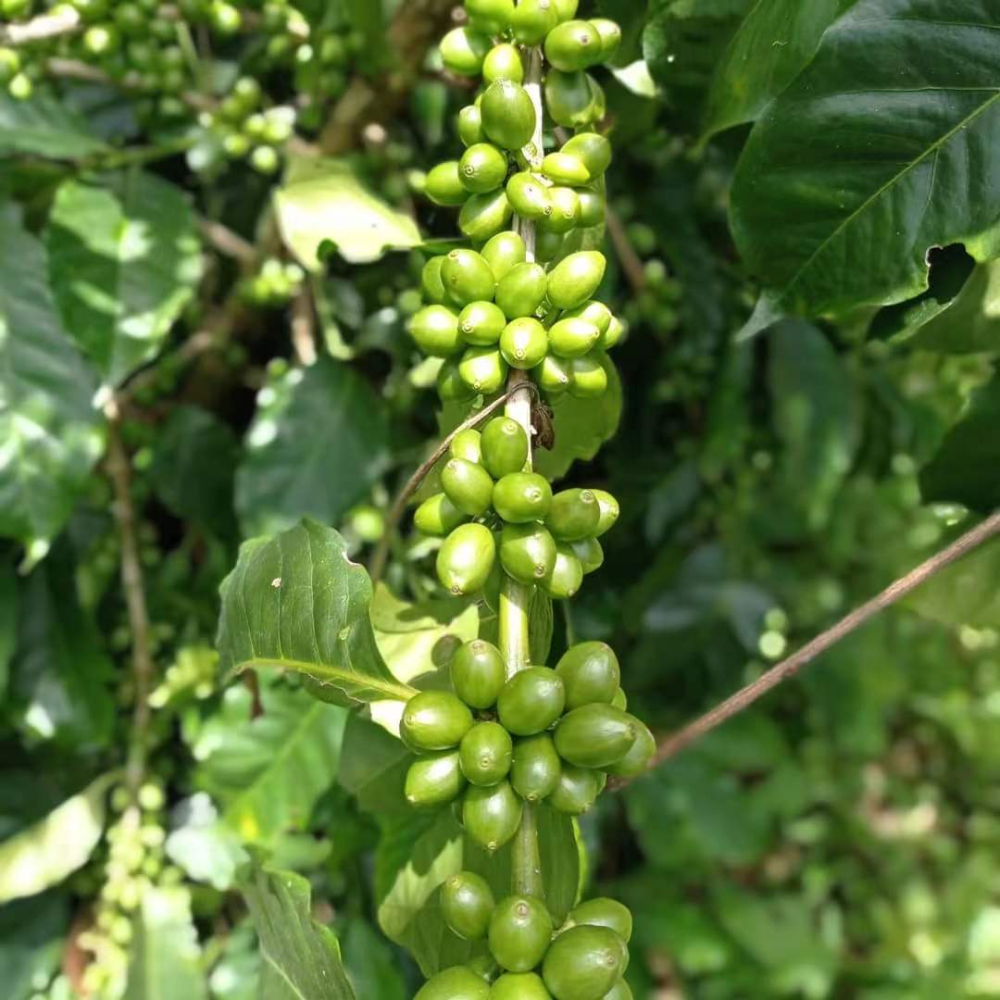
Ethiopia's most representative Geisha coffee comes from Gesha Village. The Geisha varieties here differ from Panama's—Gesha Village has 3 Geisha varieties: Gori Gesha, Gesha 1931, and Illubabor Forest. Gori Gesha and Gesha 1931 are related by blood to the Panama Geisha variety but are still not the same variety. Among them, Gesha 1931's characteristics are very similar to Panama Geisha, while Illubabor is a disease-resistant variety provided by the Ethiopian research institute. To ensure the quality of Geisha coffee produced at Gesha Village, farm owner Adam established a strict grading system, dividing Geisha into different grades: Auction, Gold, Red, Green, and CHAKA.
The Gesha Village Auction lot is the top-tier lot, obtainable only through buyer bidding. The Gesha Village Red Label that Front Street procured also has complete traceability information, accounts for 15% of total annual production, and is a high-quality Geisha coffee scoring 88 or above on the SCA standard cupping scale. The naturally processed Gesha Village Red Label not only has the classic Geisha signature of complex fruit, honey, and floral notes, but also adds the bright, uplifting acidity of African coffee. Front Street believes this is a Geisha lot with excellent value for money, worth buying for Geisha enthusiasts.
Front Street · Gesha Village Red Label Geisha Coffee Beans
Region: Bench Maji, Ethiopia
Farm: Gesha Village, Shewa-Jibabu plot
Altitude: 1973-2069 meters
Variety: Gori Gesha
Processing: Natural
Flavor: Lemon, plum, citrus, tropical fruit, floral tea
How to brew Geisha to bring out its flavor characteristics?
At Front Street, there are many options for the Geisha variety alone. Here Front Street has selected two of the most popular—the natural Emerald Red Label Geisha coffee and the natural Gesha Village Red Label Geisha coffee—and will use the parameters from daily shop production to explain Front Street's extraction approach!
Front Street's flavor descriptions for each coffee are based on freshly roasted beans. If the coffee beans have been stored for more than a month, the aroma may have already partially dissipated, making it hard to replicate in brewing. Front Street also deeply understands the importance of freshness, so it ensures that only coffee beans freshly roasted within 5 days are shipped, allowing everyone to enjoy the most complete tasting window upon receipt.
Front Street Geisha coffee is renowned worldwide for its rich floral aroma and complex fruity character. Front Street's roasters want to preserve more of Geisha's fine acidity, so they choose a medium-light roast (with slight adjustments made for different lots). This roast level doesn't change much of the high hardness of high-altitude beans, so brewing requires a somewhat higher extraction yield to present a fuller flavor layering. Here we use a higher water temperature and a finer grind to stimulate more aromatic substances. Additionally, Front Street wants Geisha coffee's flavor expression to be clearer, so we widen the coffee-to-water ratio slightly, using 1:16.
To increase Geisha coffee's extraction yield, avoid over-extraction, and at the same time highlight the sweet-and-sour flavor layers, Front Street Coffee baristas use a V60 dripper. The V60's body has ribs connecting the top and bottom and a large central hole to speed up water flow, while the spiral-shaped vent groove design lengthens the water flow path, increasing contact time between coffee grounds and hot water. Each stream of water converges along the grooves toward the center of the dripper, concentrating the pressure on the coffee grounds and extracting a coffee with richer layering.
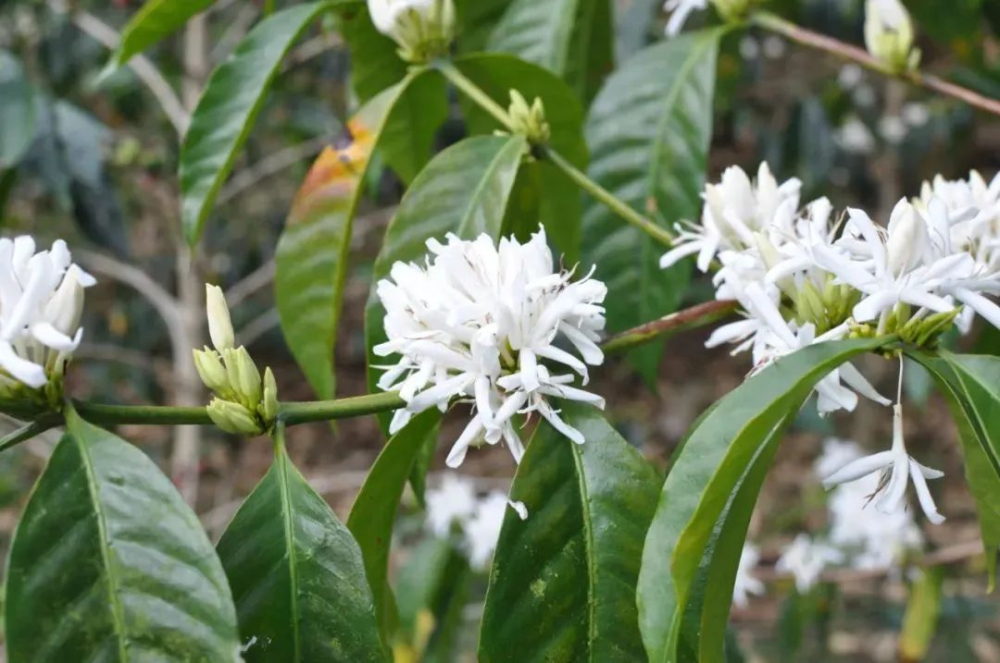
Below, Front Street demonstrates the brewing steps for the shop's Emerald Red Label natural Geisha. You can use it as a reference and compare it with your own brewing approach.
Front Street · Red Label Geisha Coffee pour-over parameters: Dripper: V60, Water temperature: 91-92°C, Coffee dose: 15g, Coffee-to-water ratio: 1:16, Grind size: fine granulated sugar (No. 20 sieve bowl, 80% pass-through)
Three-stage extraction: First pour 15 grams of coffee grounds into the dripper and tare the weight. For the first stage, pour 30g of water to bloom for 30 seconds while starting the timer. Use a slow, small stream, starting from the center and circling outward, making sure to wet the entire coffee bed.
For the second stage, use a slightly larger stream to pour 120g of water, with the aim of lifting the entire coffee bed. The water column should be poured vertically and evenly. At this point the scale shows 150g, and pouring is completed at around 55 seconds.
When the liquid level drops to about halfway, begin the third stage using a small stream in small circles to pour 90 grams, trying to control the stream so the circles aren't too large, as this can easily disturb the coffee bed and cause under-extraction. The final total water amount is 240 grams, and the drip completes at around 2 minutes 10 seconds. Remove the dripper, swirl the coffee in the server to even it out, and it's ready to taste.
The pour-over Front Street · Emerald Red Label Geisha coffee tastes of fresh jasmine, citrus, and tropical fruit acidity. The flavor layers change with temperature, the overall mouthfeel is smooth, and the tea-like finish is pleasant.
Pour-over Front Street · Gesha Village Red Label Gori Gesha tastes of tropical fruit, bergamot, and lemon, with creamy sweetness and a hint of fermentation. As it cools slightly, the jasmine aroma gradually unfolds.
The above content is compiled by CoffeeHunters, a coffee news website.


