







Why are Vietnam coffee industry exports under pressure?
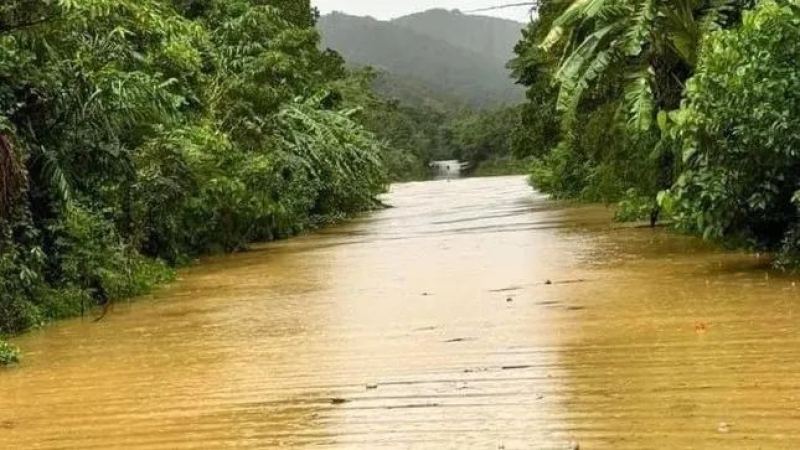
Tropical Storm Soulik made landfall on Vietnam's central coast on September 19, injuring one person, damaging 93 houses, two schools and triggering 13 landslides. Typhoon Yagi had struck earlier the same month, killing at least 127 people and leaving 54 missing. Haiphong and Da Nang ports were paralyzed, leaving containers backlogged and coffee exports badly delayed.
Main growing regions escaped direct hits, but heavy rain has clouded harvest prospects. Combined with drought that cut output earlier in the year and rising domestic spot prices, supply trouble in the world's second-largest coffee producer is pushing international robusta futures higher, and green coffee beans buyers are watching closely.
Central Vietnam was hit by two successive tropical storms in September, causing casualties and severe infrastructure damage. Although the main coffee-growing regions were not directly hit, heavy rainfall has affected harvest prospects. More critically, major export hubs such as Haiphong Port and Da Nang Port were paralyzed by the storms, leaving large numbers of containers backlogged and severely disrupting coffee exports. Combined with reduced output caused by drought earlier in the year and continuously climbing domestic spot prices, the supply difficulties facing Vietnam — the world's second-largest coffee-producing country — are pushing up international robusta futures prices. Front Street Coffee continues to monitor developments in the producing regions.
Vietnam's Ministry of Agriculture and Rural Development disclosed that Tropical Storm Soulik made landfall along the central coast on September 19, injuring 1 person, damaging 93 houses to varying degrees, damaging 2 schools, and triggering 13 landslides. Multiple roads were submerged by flooding, dealing a clear blow to the operations of various local industries.
According to related reports, the storm made landfall in the area from Quang Binh Province to Quang Tri Province, with maximum sustained winds at its center reaching 74 km/h (Beaufort scale 8) and gusts reaching levels 10 to 11. It also brought sustained heavy rainfall to multiple coastal provinces in Vietnam, causing flooding in many areas.
This was already the second tropical storm Vietnam faced in September. Previously, Vietnam had just been hit head-on by Typhoon Yagi, the strongest typhoon in 30 years, which triggered severe flooding, destroyed some key transportation arteries, and temporarily disrupted power and communications services in multiple regions. Vietnam's Disaster Management Authority reported that landslides and floods caused by heavy rainfall had killed at least 127 people and left 54 missing, with the situation possibly worsening further.
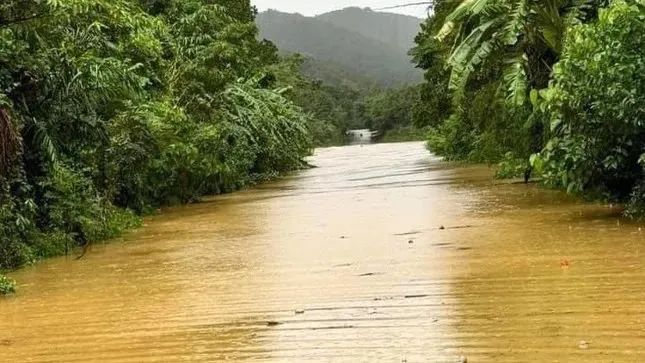
In terms of the disaster distribution, north-central Vietnam was the hardest-hit area. Flood levels in multiple districts and cities broke historical records, with large numbers of community homes and farmland submerged, buildings damaged, and bridges collapsed. Nearly 50,000 houses were affected.
Farmland and industrial zones also suffered heavy losses. Vietnam's disaster management agency said flooding submerged approximately 162,828 hectares of land and 9,543 hectares of cash crops. Power transmission lines were also damaged, causing power outages in multiple areas and forcing many factories to suspend production. Some enterprises expect it will take at least a month to resume production.
Vietnam's coffee industry has hardly been able to escape unscathed. Although the two September storms mainly affected the north-central region and had limited direct impact on the robusta-producing areas in the central highlands — provinces such as Dak Lak, Lam Dong, Gia Lai, and Kon Tum — these areas lay on the periphery of the storms and were still affected by relatively heavy rainfall.
In fact, Vietnam had already reported severe drought earlier this year, with Level 2 drought warnings issued across the main coffee-growing regions. Water shortages caused coffee trees to wither, with leaves turning yellow and dropping, making reduced output inevitable. Each October, Vietnam's coffee enters the new harvest season. Currently at the fruiting stage, the crop is encountering heavy rainstorms, which will knock down some berries and flowers, posing a further threat to new-season output.
At the same time, the storms severely disrupted multiple major Vietnamese ports, obstructing coffee exports, with Haiphong Port in northern Vietnam and Da Nang Port in the central region most prominently affected. Da Nang was more heavily affected due to its proximity to Quang Binh Province; the typhoon ultimately also swept through Haiphong Port, preventing ships from leaving port and causing cargo to be stranded and delayed.
According to reports, some infrastructure at these two ports suffered major damage, with some major cranes collapsing in the storm and loading and unloading operations completely halted. Vietnamese logistics companies said some corporate warehouses were ravaged by the typhoon, with large quantities of goods lost or damaged.
According to a previous notice from the Vietnam Maritime Administration, more than 8,000 containers had piled up at Vietnamese ports and remained unclaimed, occupying large amounts of port space, making cargo movement in and out difficult, and significantly reducing customs clearance efficiency. Ho Chi Minh City Port had the worst congestion, with as many as 5,800 containers uncollected, followed by 1,500 in Haiphong and 186 in Da Nang. Vietnam's coffee supply chain is facing major challenges.

Vietnam's coffee exports rely mainly on Da Nang Port and Ho Chi Minh City Port. The massive pile-up of containers has slowed the pace of exports. At the same time, reduced output has sharply shrunk exportable volumes. A report from Vietnam's General Department of Customs shows that in August Vietnam exported 1.216 million bags (60 kg/bag). Although this was higher than the previously estimated 1.16 million bags, it was down 14.1% year-on-year. Since the 2023/24 season, Vietnam's cumulative coffee exports have reached 23,441,199 bags, down 12.71% year-on-year.
Vietnam's coffee output is currently low, but domestic spot prices continue to rise. The price of green coffee beans in the Central Highlands has risen to 110 million to 115 million Vietnamese dong per ton. As the world's second-largest coffee-producing country, Vietnam's current various conditions will collectively push up international robusta futures prices. Front Street Coffee suggests that enthusiasts pay close attention to developments in the producing regions and adjust their purchasing strategies accordingly.
To learn more about coffee-producing region news, please scan the QR code to follow: Coffee Review
Long-press the QR code to follow:
TRANSLATE with
x
English
Arabic Hebrew Polish Bulgarian Hindi Portuguese Catalan Hmong Daw Romanian Chinese Simplified Hungarian Russian Chinese Traditional Indonesian Slovak Czech Italian Slovenian Danish Japanese Spanish Dutch Klingon Swedish English Korean Thai Estonian Latvian Turkish Finnish Lithuanian Ukrainian French Malay Urdu German Maltese Vietnamese Greek Norwegian Welsh Haitian Creole Persian
TRANSLATE with
COPY THE URL BELOW
Back
EMBED THE SNIPPET BELOW IN YOUR SITE Bing Webmaster Portal
Back
The above content is compiled by CoffeeHunters, a coffee news website.


