







Search Results for: tiger striping

Where Do the Tiger Stripes on Espresso Come From? An Analysis of How Fines Affect the Color and Flavor of Crema
After extracting espresso, the golden, dense foam on the surface is the Crema. Sometimes this layer of crema develops brown streaks of varying shades, resembling tiger stripes, which enthusiasts call "tiger-striped espresso." How exactly do these patterns form? Does it mean the coffee tastes better? Front Street Coffee will start from the composition of the crema, analyze the origin of the tiger stripes, and compare the respective advantages of tiger-striped espresso and regular espresso in terms of body and cleanliness, helping coffee lovers view this phenomenon more rationally. [more…]
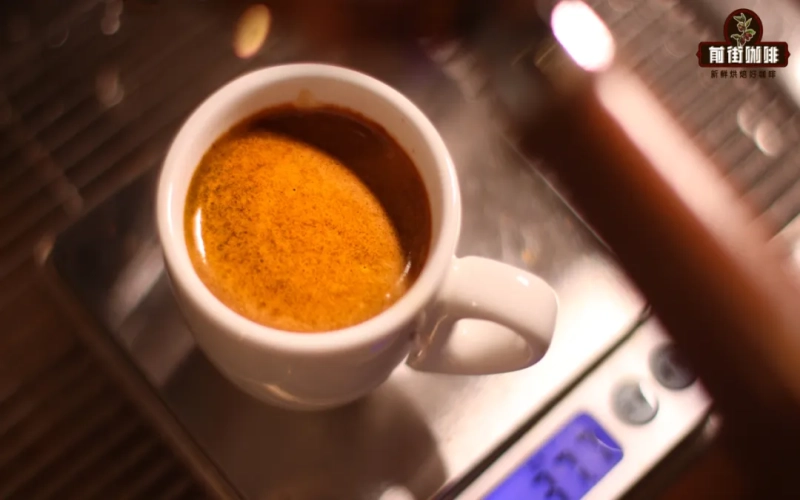
Is Tiger-Striped Espresso a Sign of Over-Extraction? Analyzing the Source of Fine Particles in Crema and Their Impact on Extraction
The tiger stripe pattern on the surface of espresso is often misunderstood as a sign of over-extraction, but the truth is exactly the opposite. Starting from the composition of the crema, this article explains that tiger stripes are actually a phenomenon in which coffee fines float on the surface of the crema, and analyzes how fines affect extraction, as well as how factors such as grind size, distribution technique, and the distance the espresso falls cause tiger stripes to appear. Front Street Coffee helps you clarify the true relationship between tiger stripes and over-extraction, and understand the role of fines in espresso extraction. [more…]
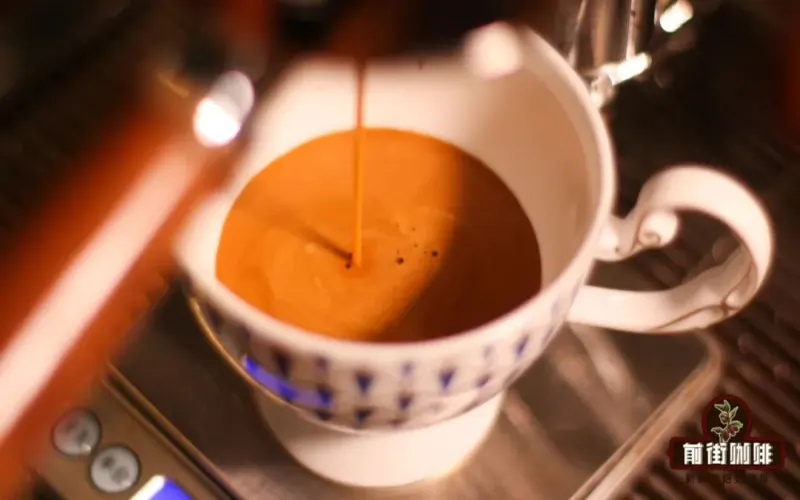
Espresso Extraction Troubleshooting: Causes and Solutions for Soggy Loose Pucks, Clumpy Crema, and Tiger Striping
When pulling espresso shots, have you ever encountered water pooling in the portafilter basket, a loose puck that won't hold its shape, or crema that clumps up quickly with tiger stripes appearing on the surface? Each of these phenomena actually has its own underlying cause. This article continues Front Street's series on common espresso extraction issues, breaking down key variables one by one—dose, grind size, coffee bean degassing, and fines distribution. From judging extraction evenness by puck condition, to understanding the relationship between crema clumping and coffee bean freshness, to clarifying whether tiger stripes really mean over-extraction, this guide helps you troubleshoot more accurately and adjust your parameters, making every espresso shot more stable and controllable. [more…]
Espresso Standard Volume Explained: Common Extraction Issues and Key Operating Points for Correct Practice
As the base for flavored coffee drinks such as mocha, cappuccino, and latte, the extraction standards for espresso have always been a topic of interest among coffee enthusiasts. Exactly how many milliliters should a qualified espresso be? And how should phenomena such as oil clumping, tiger striping, and single-sided extraction during the brewing process be understood and addressed? Starting from Front Street Coffee's output standards, this article systematically sorts out the definition of espresso, international technical specifications, and common issues from dose, water temperature, and pressure to grinding, tamping, and other stages, helping readers build a clear cognitive framework for extraction and recreate espresso with rich crema and balanced flavor at home. [more…]
Espresso Extraction Guide: A Complete Analysis of Standard Yield, Parameter Settings, and Common Issues
Espresso is the soul base of fancy coffee drinks like mocha, cappuccino, and latte, but exactly how many milliliters should a proper shot of espresso be? And what parameter standards should be followed during extraction? In this article, Front Street Coffee will systematically sort out the definition and technical specifications of espresso, analyze the reasons behind the evolution of measurement from milliliters to grams, and provide cause analysis and solutions for common phenomena such as under-extraction, over-extraction, uneven flow, clumped crema, and tiger-striped crema. At the same time, we will also share how to choose beans suitable for making espresso, helping coffee lovers replicate coffee-shop-level rich flavor at home. [more…]
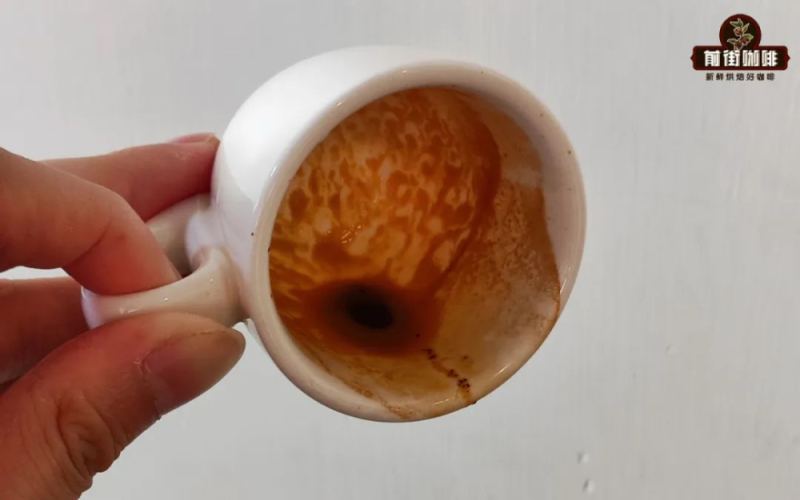
Is it normal for black sediment to appear at the bottom of an espresso cup? Explaining why fines pass through the filter basket
Many coffee enthusiasts, while enjoying an espresso, notice black particles settling at the bottom of the cup and worry whether this means something went wrong with the extraction. In fact, in most cases this phenomenon is perfectly normal. These sediments are extremely fine coffee grounds that have passed through the holes of the portafilter basket, and they usually sink to the bottom gradually after the coffee has rested for a few minutes. This article will explain in detail the principle behind how these fines appear, their relationship with tiger-striped crema, and several factors that may cause a sudden increase in sediment, including grinding too fine and deformation of the basket's mesh. At the same time, Front Street Coffee will also use examples to help you determine when you need to adjust your grinding parameters, so you can face that layer of fine grounds at the bottom of your cup with greater ease. [more…]
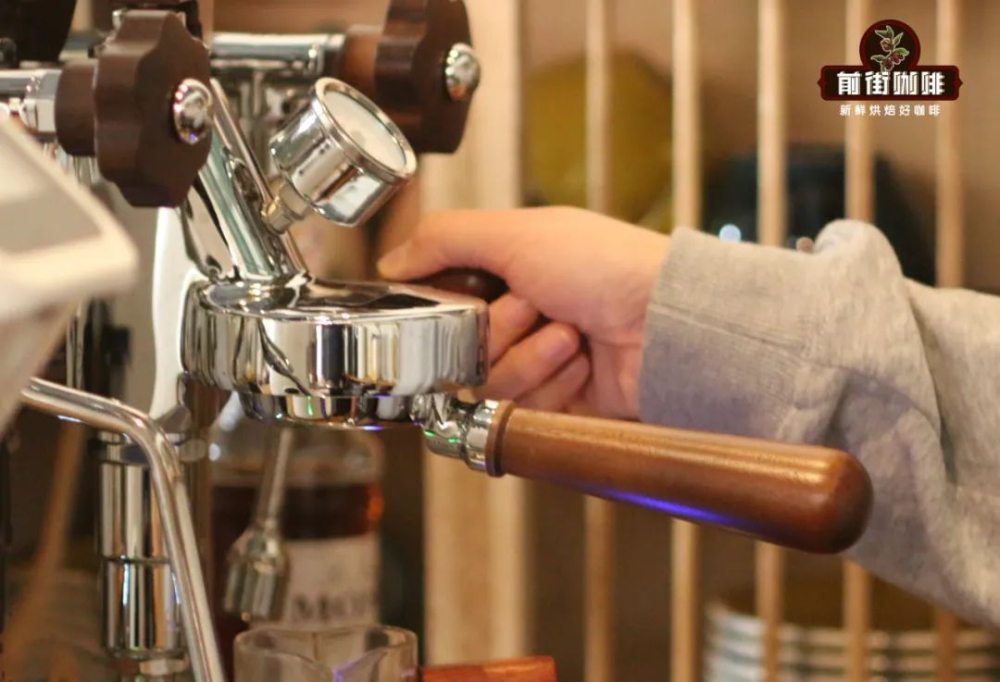
Espresso Brewing Standards | What Are the Common Espresso Extraction Problems? How to Understand Under-Extraction and Over-Extraction?
What is Espresso? Espresso, also known as "Espresso," is a coffee beverage or Italian-style coffee base originating from Italy. It is coffee that is rapidly extracted under high pressure. Traditionally, a single shot of espresso has a volume of about one ounce. The internationally accepted technical standard is as follows: around 7 grams of [more…]
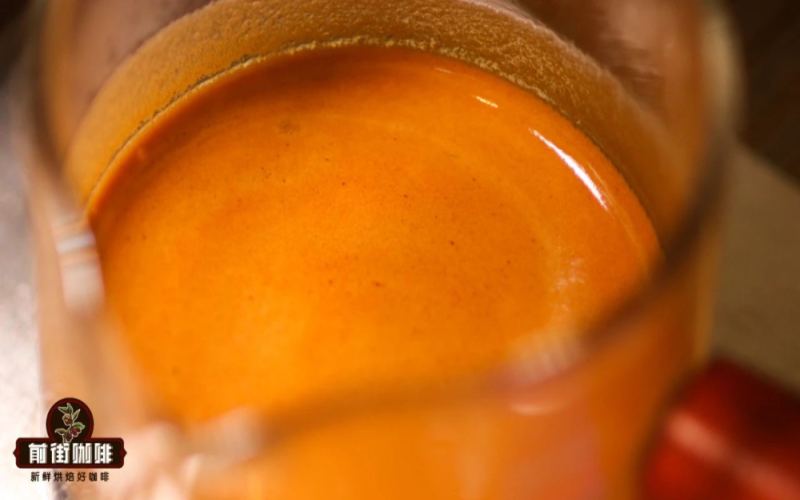
Four Key Points for Creating a Rich Espresso Crema: From Coffee Bean Freshness to Extraction Pressure
The golden layer of crema on the surface of an espresso is not only a visual pleasure, but also a concentrated expression of flavor. To replicate at home a perfect crema about 1–2 centimeters thick with tiger-stripe patterning, you actually need to control several key factors. This article will focus on four aspects—the freshness of the coffee beans, the roast level, varietal differences, and the pressure of the extraction equipment—to explain one by one the core factors affecting crema formation, while also drawing on the characteristics of several of Front Street Coffee's espresso blends to help enthusiasts find a production approach that suits them, so that every cup of espresso can show an ideal crema state and taste performance. [more…]
A Detailed Explanation of the Causes of Crema in Espresso: Four Key Stages from Bean Selection to Extraction Pressure
Espresso, as the foundation of the Italian coffee system, is regarded by many enthusiasts as the very soul of Italian coffee. The golden, tiger-striped layer of crema on the surface of an espresso, about 1 to 2 centimeters thick, is a key source of flavor, giving off aromas of toasted caramel and dark chocolate. To recreate an ideal crema at home, four core elements must be mastered: the freshness of the coffee beans, the roast level, the extraction pressure, and the choice of coffee variety. This article will explore these four dimensions one by one, explaining the principles behind crema formation and key practical points, while also introducing several Front Street Coffee espresso blends suitable for making espresso, helping readers make the right choice based on their own needs. [more…]
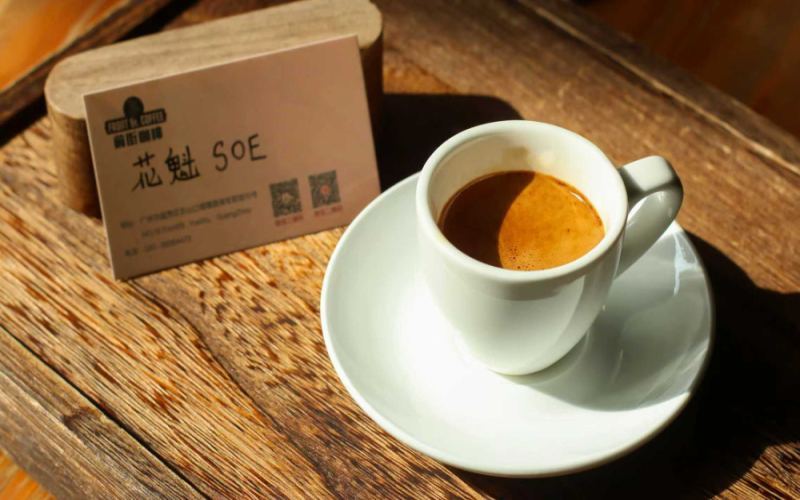
Espresso Bean Selection Guide: Authentic Flavor Standards and Commercial Blend Recommendations
Espresso is the soul of a café. A proper Espresso requires reddish-brown crema, tiger-stripe patterns, a rich aroma, and a balanced taste of acidity, sweetness, and slight bitterness. From the perspective of Front Street Coffee, this article systematically explains the history and origins of espresso, its flavor characteristics, and the logic behind choosing blend beans. It also recommends several suitable beans, including Front Street Strawberry Candy and commercial blends, while breaking down extraction parameters and operating steps in detail to help coffee lovers recreate an authentic cup of Italian coffee at home. [more…]
A Complete Guide to Espresso Crema: Ten Key Points from Freshness to Coffee Machine Pressure and Front Street Coffee's Recommendations for Rich-Crema Coffee Beans
Espresso is hailed as the soul of Italian coffee, and the golden, tiger-striped layer of crema on its surface is the core source of flavor. The ideal crema thickness is about 1–2 cm, giving off aromas of roast and dark chocolate. To replicate such a perfect espresso at home, you need to control four key details: coffee bean freshness, roast level, extraction pressure, and coffee variety. This article unfolds around these ten must-know points, from buying Front Street Coffee with a clear roast date, to prioritizing medium-dark roasted blends containing a small amount of Robusta, to the pressure differences among various extraction devices, breaking them down one by one. It also recommends three coffee beans with outstanding crema performance—Front Street Classic Italian Blend, Front Street Commercial Blend, and Front Street Dark Cocoa Base Blend—to help coffee lovers and shop owners find the choice that suits them. [more…]
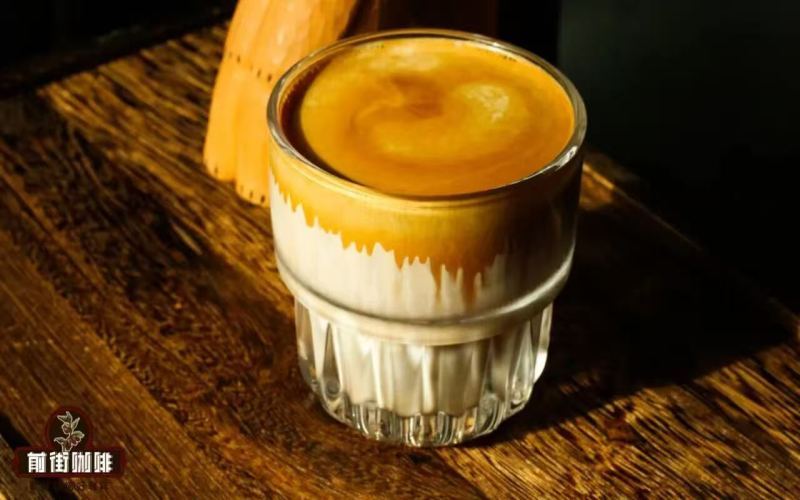
How to Make a Delicious Dirty: The Trio of Bean Selection, Milk, and Temperature
Dirty (dirty coffee) has been a perennial staple on café menus in recent years: hot espresso slowly sinks into iced milk, without stirring, and you drink it from top to bottom, so that in a single sip you get the alternation of hot and cold and the layering of milk and coffee. It looks simple, but between a delicious one and a mediocre one lies the gap of bean selection and details. The principle of Dirty: why [more…]
Flavor Differences of Espresso Made from Coffee Beans of Different Roast Levels and Analysis of Why Blends Produce Rich Crema
The final expression of a cup of coffee is the result of the combined effects of origin, variety, processing method, roasting, and brewing, among which the roast level directly affects the balance of acidity and bitterness as well as the flavor direction. In the context of espresso, the three roast levels—light, medium, and dark—bring about distinctly different extraction performances: light-roasted beans retain more origin flavors and organic acids, but are difficult to extract and produce thin crema; medium-roasted beans balance acidity and bitterness, making them suitable for those seeking a harmonious taste; dark-roasted beans, with their high body and rich crema, become the ideal choice for espresso. This article takes several Front Street Coffee beans as examples, using actual extraction parameters and flavor descriptions to systematically analyze the differences in how various roast levels perform in espresso, and explains the principle behind why blended coffee has richer crema. [more…]

A Complete Guide to Italian Coffee Roast Styles: Southern, Central, and Northern Italian, and How to Choose Blends
In crafting an outstanding espresso, the choice of roast level and the blending approach are often the key factors that determine the flavor direction. Coffee beans from different origins can only reveal their best characteristics at their respective ideal roasting points, and the roaster needs to find a balance among them. This article will guide you through the logic of espresso bean blending, introduce the basic differences among the three roasting styles of Southern Italian, Central Italian, and Northern Italian, and, in combination with several classic blend products under the Front Street Coffee brand, explain how to select suitable espresso beans according to taste preferences and production needs. Whether you are a home coffee enthusiast or the owner of a community coffee shop, you can gain practical reference ideas from it. [more…]
How to Choose Beans for Making Espresso at Home? Understanding Espresso Bean Blends and the Story of Starbucks Espresso
Espresso means "fast" in the Italian context. It uses steam pressure to extract coffee liquid in a short time, which not only preserves the coffee crema for a longer period but also balances acidity and bitterness, so it is often called a work of art among coffees. It is also the common base for drinks such as lattes, cappuccinos, macchiatos, and mochas. To brew espresso at home, the key lies in the choice of espresso beans—they are usually blended from multiple beans such as Kenyan, Mandheling, Mocha, Brazilian, and Colombian, with different origins and roast levels combining to create their own unique taste and aroma. This article sorts out the approach to selecting espresso beans, reviews the flavor characteristics of five commonly used base beans one by one, and provides standards for judging a good cup of espresso, for coffee lovers' reference. [more…]
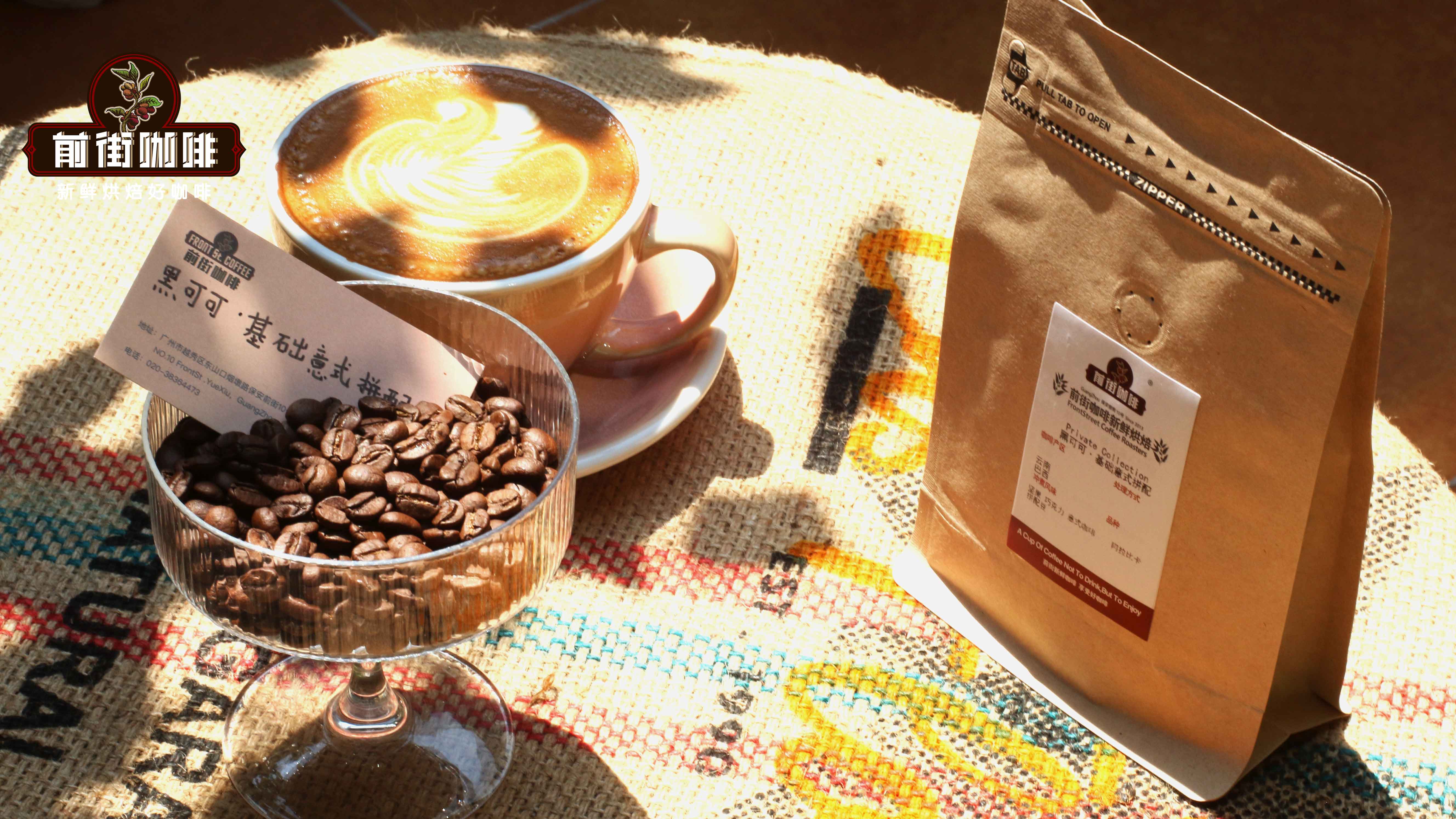
Espresso Blend Roasting Profiles Explained: Northern, Central, and Southern Italian Style Differences and a Home & Commercial Bean Selection Guide
To make a satisfying Espresso, relying on single-origin coffee beans alone is often difficult to achieve; the control of blending and roast level is the core. Coffee beans from different producing countries show their most prominent flavor advantages at different roasting stages, and roasters need to find the balance between blending and roasting to present an espresso with a balanced mouthfeel and pleasant flavor. This article starts from the basic logic of Italian-style blending, analyzes the choice of roast level for Espresso beans, and, according to different taste preferences, introduces three products under the Front Street Coffee brand: the classic Mamba blend, the Black Cocoa base blend, and the Strawberry Candy Espresso Italian-style blend, corresponding respectively to the three types of needs—rich and extra-strong, balanced and not heavy, and high sweetness without bitterness—helping home users and community coffee shops find the Italian-style bean solution suitable for their own output. [more…]
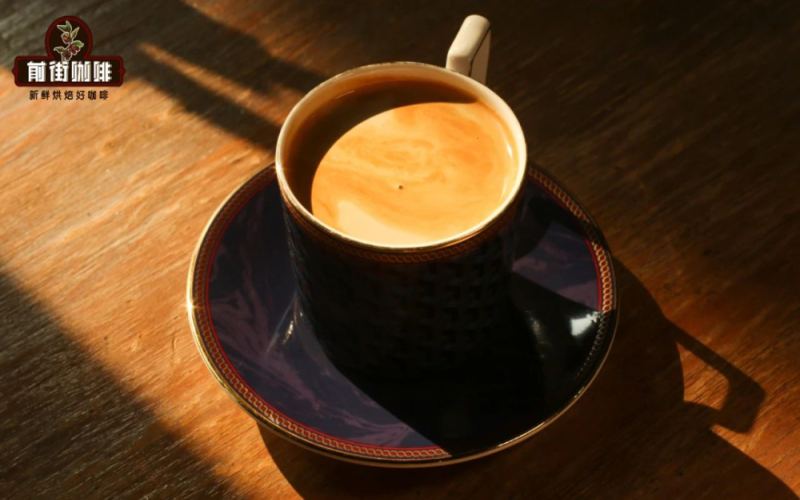
How to make a better-tasting Americano? Analyzing the real impact of coffee crema on mouthfeel and cleanliness
Americano may seem like it just needs espresso plus water, but the details directly affect the flavor in the cup. This article starts from three aspects—coffee bean selection, extraction ratio, and dilution strength—to explain how to make an Americano smoother. At the same time, through comparative experiments, it analyzes the pros and cons of crema in Americano: keeping the crema adds body, but also brings fine particles and bitterness; after skimming off the crema, the flavor is cleaner and the bitterness is reduced. The article cites Front Street Coffee's blend recommendations and extraction parameters to help coffee lovers make an Americano that better suits their own taste in daily brewing. [more…]

Espresso Blend Guide: Common Recipes, Pairing Ideas, and Five Front Street Coffee Recommendations
The same coffee beans can present completely different flavors depending on the extraction method. Take Front Street Indonesia Mandheling, a medium-dark roast, as an example: when brewed as pour-over, it is mellow and gentle, with notes of caramel, herbs, and spices; if instead made into espresso with a coffee machine, it develops a rich layer of crema, releasing layers of dark chocolate, cream, and roasted nut aromas, and when drunk straight it is intense and stimulating with a pronounced roasted note. This shows that choosing coffee beans cannot be done casually; you need to consider the extraction method, roast level, and freshness. Fresh beans are rich in carbon dioxide, and together with the porous structure of a dark roast, they make it easier to extract a large amount of crema and roasting aromas such as chocolate, cocoa, butter, cookies, and caramel. For beginners, value for money is especially important. Below are five of the most popular espresso blends, covering Front Street Specialty Blend, Commercial Blend, Dark Cocoa Blend, and Classic Blend, along with their respective suitable scenarios and flavor characteristics, for reference whether for opening a shop or home use. [more…]
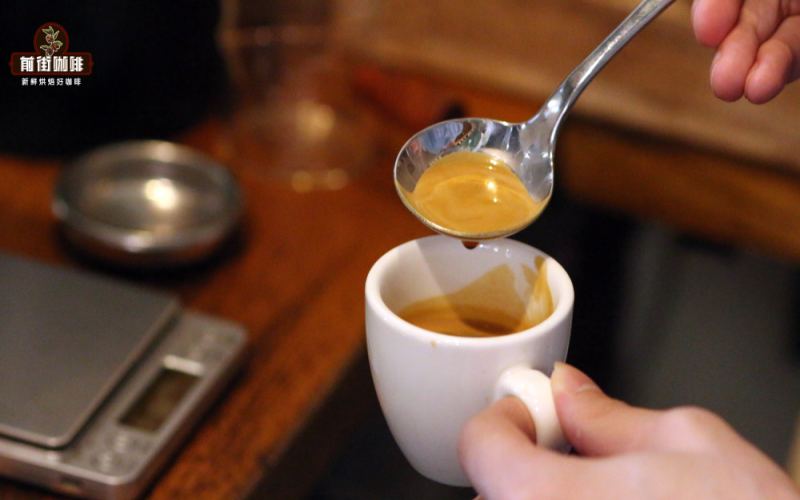
Espresso Flavor Characteristics | Is the crema on espresso actually coffee oil? What are the steps for making espresso? How do you drink espresso?
Espresso originated in Italy, derived from the Italian word "Express," meaning "pressed out, squeezed out." Through the pressure of steam in the boiler of an Italian coffee machine, water is forced through a layer of extremely finely ground and manually tamped coffee grounds, extracting a highly concentrated coffee liquid. Because of this [more…]

Pour-Over vs. Espresso: A Flavor and Mouthfeel Comparison, Plus a Front Street Coffee Bean Buying Guide
Which tastes better: pour-over coffee or coffee made with an espresso machine? It really depends on personal taste preferences and the drinking occasion. Espresso pursues fast output, with a balanced and intense flavor, often dominated by caramel notes, and is easier to drink when paired with milk; while pour-over coffee focuses on the true character of the origin, with no sugar or milk added, showcasing the unique flavor profile of different producing regions. This article will compare the two from the perspectives of positioning, flavor expression, and suitable audiences, and for the two types of needs—espresso and pour-over—respectively recommend a number of blends and single-origin coffee beans under Front Street Coffee, to help coffee lovers make a suitable choice based on their own preferences. [more…]