







Do Coffee Particles in Crema Mean Over-Extraction?
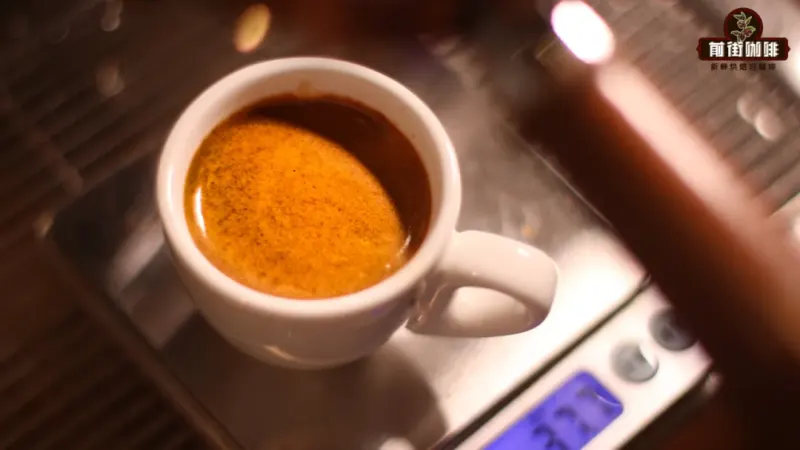
Tiger stripes on espresso are not a sign of over-extraction. Those small brown dots on the crema are coffee particles known as fines that pass through the filter basket and float up with the bubbles. The drink can taste like an over-extracted shot because the fines keep releasing compounds, but the stripes themselves form first and do not prove the shot was pulled too long.
Crema is a layer of tiny bubbles made from carbon dioxide and coffee lipids, and it carries fine particles that the basket holes are too large to block. As the bubbles fade, the fines settle and stay visible. Grind size, distribution, and the gap between the portafilter and the cup all change how many fines reach the surface and how the stripes look.
The tiger stripes on the surface of espresso are often misunderstood as a sign of over-extraction, but the truth is exactly the opposite. Starting from the composition of the crema, this article explains that tiger stripes are actually a phenomenon of coffee fines floating on the surface of the crema, and analyzes how fines affect extraction, as well as how factors such as grind size, distribution technique, and the distance between the portafilter and the cup cause tiger stripes to appear. Front Street Coffee helps you clarify the true relationship between tiger stripes and over-extraction, and understand the role of fines in espresso extraction.
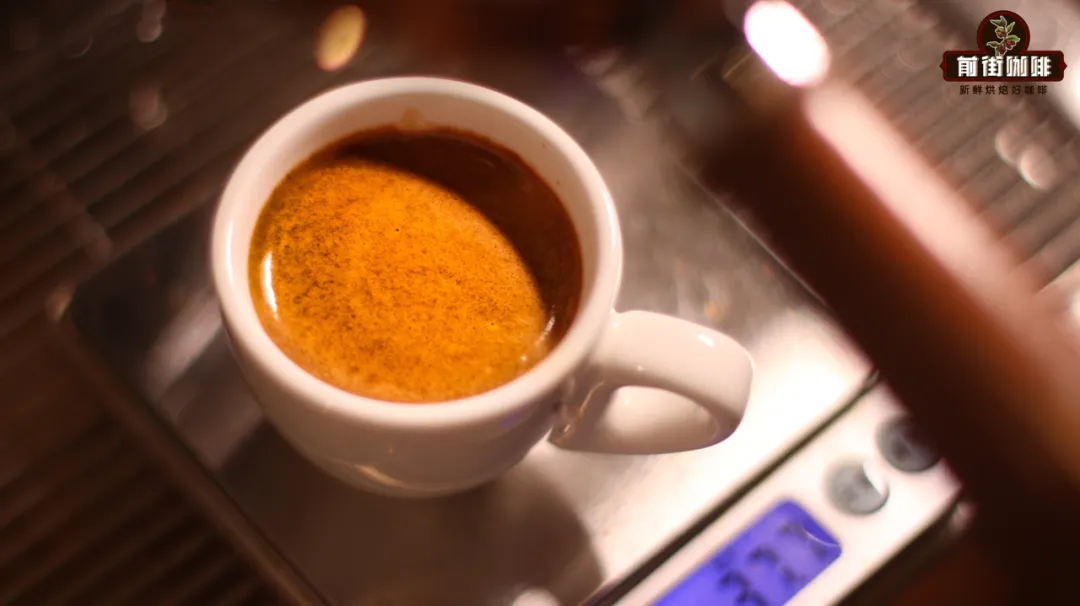
From the image above, you can observe that some things resembling "oil droplets" seem to be floating on the crema layer of the espresso. However, if you have read Front Street Coffee's articles from the past two months, or if you already have some experience, you will understand that these small brown dots are actually not oil, but coffee particles. In the coffee world, when coffee grounds float on the surface of the crema and are clearly visible to the naked eye, this phenomenon is called "tiger stripes." That's right, Front Street Coffee has covered this specifically before. But later, when Front Street Coffee looked through the comments section, we noticed that quite a few friends believe the tiger stripes on espresso only appear when the coffee is over-extracted. So is that actually the case?
Does the appearance of "tiger stripes" on espresso mean it is over-extracted?
Not at all. Tiger stripes are not produced because the coffee is over-extracted. On the contrary, it is because tiger stripes appear first that the coffee exhibits characteristics similar to over-extraction. To explain the relationship between these two clearly, we first need to understand how tiger stripes come about and why they are associated with over-extraction.
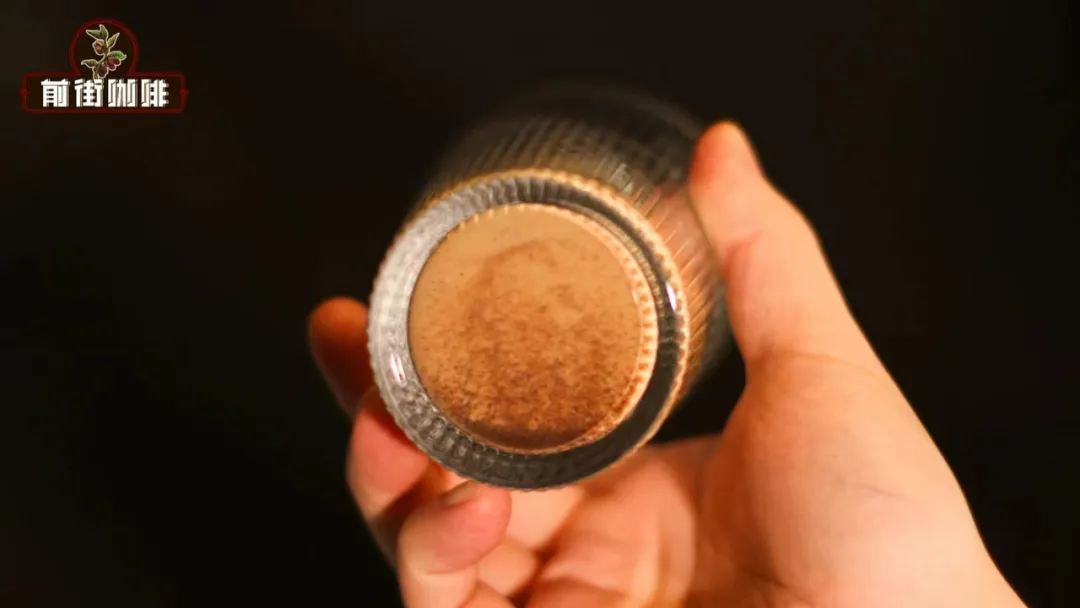
Everyone knows that the crema of espresso is a mass of tiny bubbles formed by carbon dioxide and the lipids in coffee beans when the espresso machine extracts under high pressure. In addition to carbon dioxide and lipids, the crema also carries a certain amount of extremely fine coffee particles, which is what we commonly call fines. The reason is simple: the holes in the filter basket at the bottom are relatively large and cannot block the tiny coffee particles. These fines are not easy to notice at first, because they float on the surface of the coffee liquid along with the crema. But as the fines gradually become saturated, or as the crema dissipates, the fines lose their buoyancy and sink to the bottom of the coffee. As a result, the bottom of the coffee actually becomes the "disaster zone" where we discover coffee grounds. (Exaggeration ↓)

But as Front Street Coffee said, under normal circumstances the fines are mixed into the crema and are difficult to detect. If you see clearly layered gradient colors on the surface of the crema, with obvious fines floating on the surface forming "tiger stripes," then there may be two reasons: either too many fines were released, or the fines were not completely washed into the crema. Front Street Coffee here briefly lists several situations that may cause tiger stripes:
When the coffee is ground too fine, the number of fines increases, and during extraction more fines may naturally be carried out, forming obvious patterns on the surface (the same principle applies when grinding too fine leads to a longer extraction time); or when too much shaking is done during distribution, causing the fines to concentrate in the lower layer, making them easier to wash out during extraction; and also when the espresso cup is too close to the spout, causing the fines floating on the surface to be unable to be washed into the crema, and so on.
The above content is compiled by CoffeeHunters, a coffee news website.


