







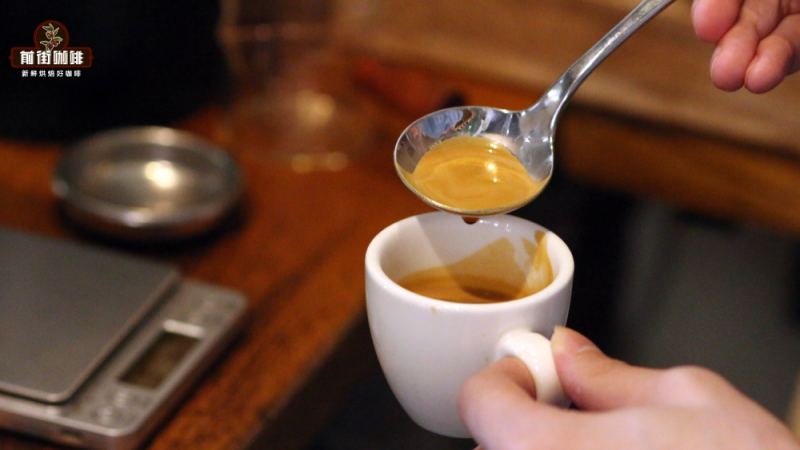

EspressoIt originated in Italy, derived from the Italian word "Express," meaning "pressed out." Through the pressure of steam in the boiler of an espresso machine, water is forced through a very finely ground and manually tamped layer of coffee grounds, extracting a highly concentrated coffee liquid.
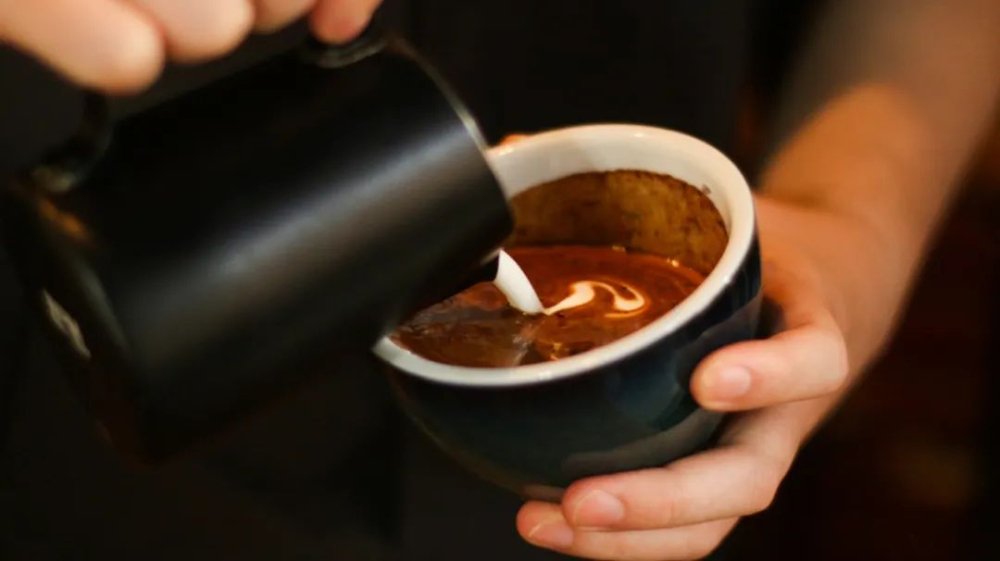
Because this method can sustain the coffee's crema for a long time, with a rich and mellow taste and a balance between acidity and bitterness, it is called a work of art in coffee. In addition, espresso often serves as the base for other coffee types, such as latte, cappuccino, macchiato, and mocha, all of which are made with espresso as the foundation.
Espresso's flavor and taste characteristics
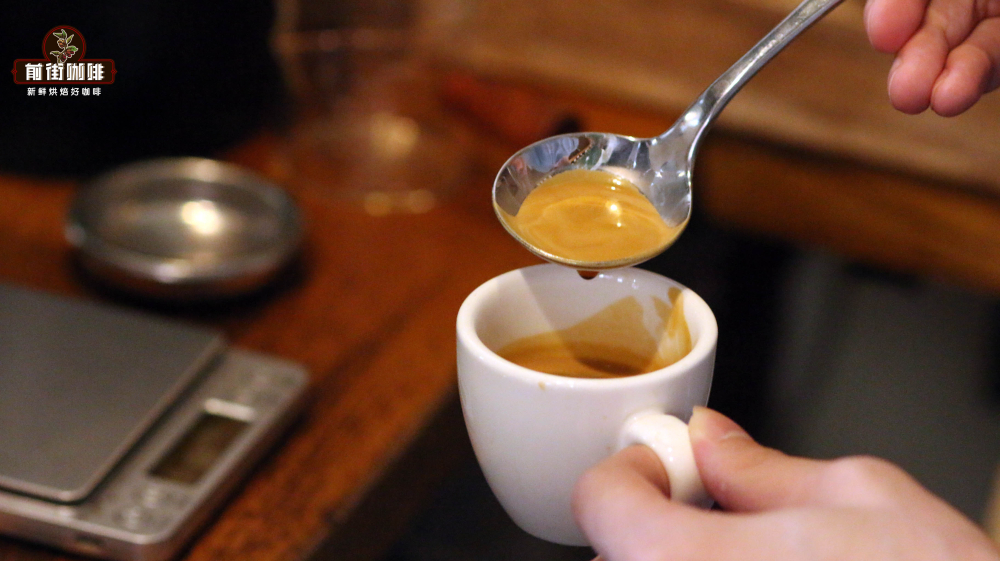
Front Street Coffee believes that a good cup of espresso can be judged from the appearance and color of the golden crema on the surface. First, good crema has a mirror-like glossy sheen (another description is tiger stripes, but if the coffee dose is too low and causes over-extraction, white spots will appear), and its thickness should be around 3mm.In terms of taste, it usually presents a strong and mellow, smooth mouthfeel without any graininess, and finishes with a perfect sweet aftertaste, with a noticeable sweetness on the throat and tongue.
A single serving of espresso is usually not large, generally 25–35ml, allowing you to finish it in two or three sips. In Italy's industrial era, the pressurized espresso machine and espresso were invented for speed—workers could quickly get a cup of coffee and drink it fast, then boost their motivation for work.
This habit has been preserved to this day. Italians typically go to a coffee shop before work in the morning, have an espresso, and drink it all in one go on the spot, without even needing time to sit down. Of course, this is just the Italian habit of drinking espresso. In our daily lives, when we drink espresso, we can appreciate its charm (though it is still recommended to finish it in two or three sips, since the taste and flavor will deteriorate if left for too long).

Espressois divided into three parts
.
Crema is one of the most iconic components of espresso. The golden to reddish-brown foam layer on the surface of espresso is what we call crema. It is mainly composed of oils and carbon dioxide extracted from the ground coffee beans. When hot water comes into contact with the coffee grounds under the high pressure of the espresso machine, the hot water emulsifies the soluble oils in the coffee, which are then supersaturated with carbon dioxide, creating many tiny bubbles that form a foam layer.
.

Body possesses the richest, most delicious flavor and aroma in espresso. You will taste the soft part of the coffee. The softness of an espresso is the sum of the tactile characteristics we perceive: roundness, smoothness, viscosity, and fluidity.
.
Heart is the layer beneath the body of the espresso, and its color is close to black. The heart of the espresso is bitterness, which balances the sweetness and aroma of the two layers above.
With the promotion of specialty coffee culture, the quality of coffee beans used to make espresso has improved. Most specialty coffee beans now pursue more in terms of espresso flavor expression, so we don't have to approach it with the mindset that espresso must be very bitter.
As long as the barista can understand the coffee beans from a professional perspective, use freshly roasted coffee beans, and adjust and calibrate the espresso extraction parameters every day, espresso can also present three distinct phases of flavor and taste—beginning, middle, and end.

For example, Front Street Coffee's daily espresso offering uses a Front Street Sunflower Warm Sun espresso blend, available both online and in physical stores. This blend is composed of Ethiopian coffee beans and Honduran coffee beans. After extraction, it has a rich fermented aroma, vanilla cream, berry-like sweet and tart notes, and roasted nut flavors.
How do you drink espresso?
Before tasting, we first take a sip of ice water to clean the palate and cause the tongue muscles to contract slightly. After the barista serves the espresso, you can stir it with a spoon to make it more uniform. Then taste it in three sips. The first sip is to taste the flavors, the second sip to feel the body, and the third sip to sense the sweet aftertaste and lingering finish.
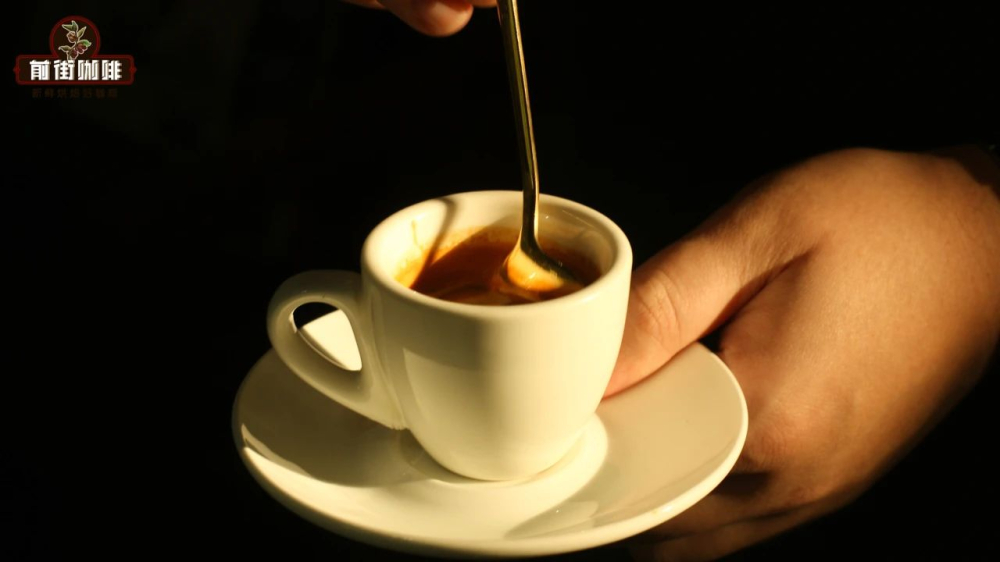
When tasting the espresso extracted from the "Sunflower Warm Sun Espresso Blend," the first sip reveals berry-like sweet and tart notes and a fermented wine aroma; the second sip reveals vanilla cream-like aroma and a smooth mouthfeel; the third sip reveals a caramel-like sweet aftertaste and a hazelnut-like finish.
How do you extract espresso?
According to the Specialty Coffee Association (SCA) standards, a single shot of espresso uses 7–9 grams of coffee grounds, and a double shot uses 14–18 grams, extracting 25–35g of coffee liquid in 20–30 seconds, with an extraction pressure of 9–10 bar and a water temperature of 90–96°C.
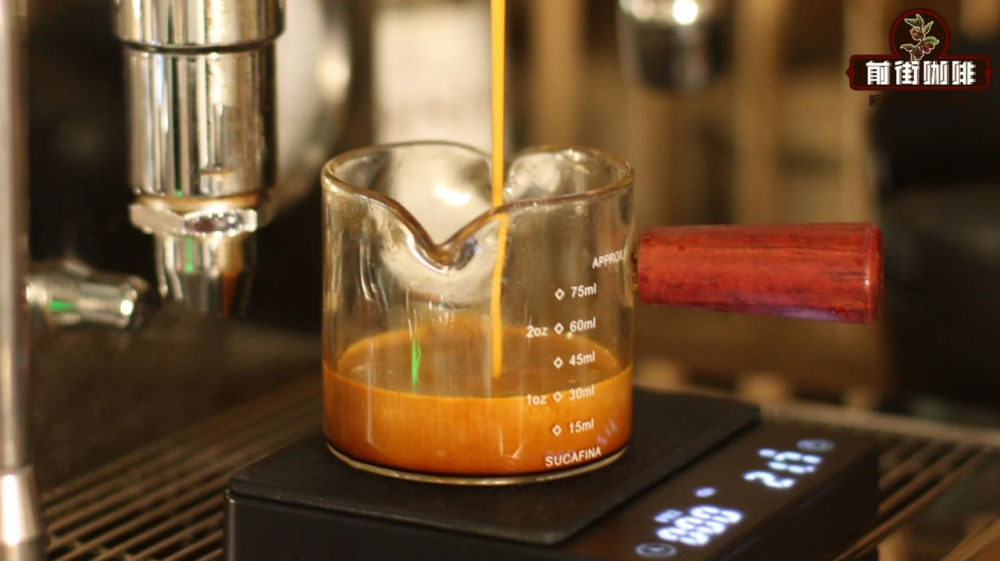
However, different espresso machines, grinders, and the use of different roast levels or coffee beans from different origins will result in deviations in the extracted taste. So at this point, we need to fine-tune the parameters to calibrate the espresso's taste. Generally, we adjust the water-to-coffee ratio first, then the grind size. Therefore, each coffee shop will make upward or downward adjustments based on the coffee beans and equipment used.
For Front Street Coffee's store offerings, making a single shot of espresso uses 10–11g of coffee grounds, extracting 20–25g of coffee liquid, with an extraction time of about 22 seconds; making a double shot uses 19–20g of coffee grounds, producing 35–40g of coffee liquid, with an extraction time of about 29 seconds.
The above content is compiled by CoffeeHunters, a coffee news website.


