







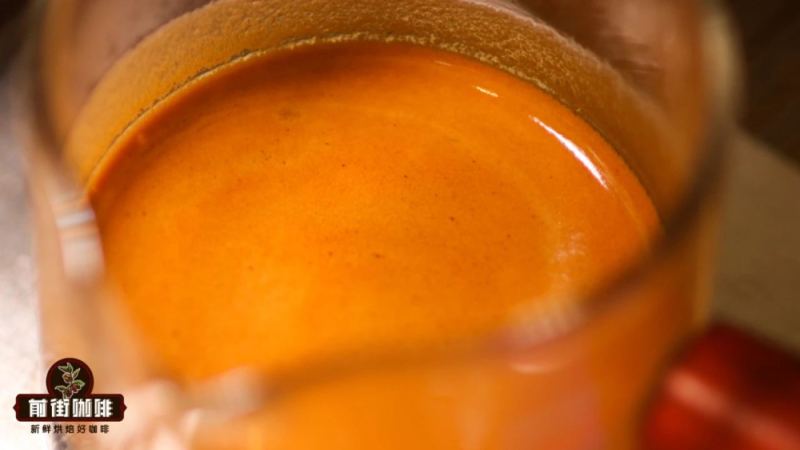
How do oils in coffee create the crema on an espresso?
Crema forms when oils in coffee wrap around carbon dioxide gas released during extraction. A golden, tiger-striped layer about 1 to 2 centimeters thick is the ideal result, carrying roasty and dark chocolate aromas. Four factors decide whether it appears: bean freshness, roast level, extraction pressure, and coffee variety.
Freshness is easy to judge by crema volume, since richer crema generally means fresher beans. Buy from roasters that print the roast date rather than a shelf life. Roast level, pressure, and variety then shape the layer further. Among coffee extraction methods, espresso depends on this crema most, and Front Street offers blends built for it.
Espresso, as the foundation of the Italian coffee system, is regarded by many enthusiasts as the very soul of Italian coffee. The golden, tiger-striped layer of crema on the surface of an espresso, about 1 to 2 centimeters thick, is a key source of flavor, giving off aromas of roastiness and dark chocolate. To recreate an ideal crema at home, four core elements must be mastered: the freshness of the coffee beans, the roast level, the extraction pressure, and the choice of coffee variety. This article will explore these four dimensions one by one, explaining the principles of crema formation and practical key points, while also introducing several espresso blends from Front Street Coffee suitable for making espresso, helping readers make the right choice based on their own needs.
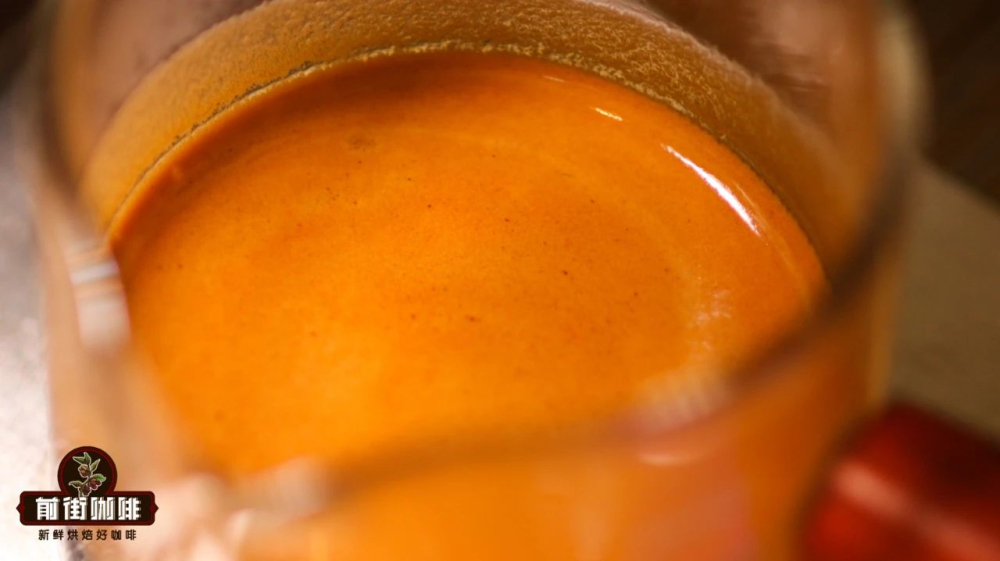
Among the many coffee extraction methods, espresso has always held a mainstream position and is often the first stop for beginners entering the world of coffee. Some fall in love with it because of the sweet, smooth taste of milk coffee, some are drawn to the unique richness and refreshing quality of Americano, and others are attracted by the complex layers of coffee specialties.
In any case, the preparation of all Italian-style drinks is built on the foundation of espresso, which is why it has been crowned the "soul of Italian coffee," showing just how important its status is. One of the highlights of espresso is the layer of crema on its surface. This crema carries the coffee's flavor, presenting a golden color and tiger-striped patterns, with a thickness of about 1 to 2 centimeters, considered the ideal state, and giving off aromas of roastiness and something like dark chocolate. If you want to make such an espresso at home, there are four details that cannot be ignored: whether the coffee beans are fresh, the degree of roasting, the extraction pressure, and the differences among coffee varieties.
① Ensure the coffee beans are in a fresh state
The formation of crema is the result of the oils in coffee wrapping around carbon dioxide gas. Therefore, by observing the amount of crema, you can roughly judge the freshness of the coffee beans—the richer the crema, the fresher the beans.
When buying fresh coffee beans, priority should be given to professional roasters that clearly mark the roast date (rather than the expiration date or shelf life), have a good brand reputation, and focus on fresh roasting, such as Front Street Coffee. Front Street Coffee knows well that the freshness of coffee beans directly determines the expression of flavor and aroma, so it supports shipping within 24 hours, and all coffee beans sent out are roasted within 5 days.
In addition, once coffee beans are ground into powder, the surface area exposed to air increases dramatically, volatile substances dissipate faster, and the gases inside the beans quickly escape. As a result, before long, the espresso no longer has crema, and the flavor is almost entirely gone. So, if you want to make good-tasting Italian-style coffee, it is best to buy whole coffee beans.
② Prioritize dark-roasted coffee beans
The darker the roast, the looser the internal structure of the coffee beans, and the flavor compounds shift from acidic to caramelized, with more roasting-related aromas, giving the coffee a mellow mouthfeel. At the same time, a large amount of gas accumulates inside the beans, and once they meet hot water, it is released rapidly in the form of small bubbles—this is the crema we see. So, when beginners buy espresso blend beans, they can prioritize fresh medium-dark roasted coffee beans. These beans usually come with flavor descriptions such as hazelnut, butter, chocolate, cocoa, cream, nuts, caramel, and so on; just choose according to these keywords.

③ Choose coffee varieties rich in crema
Different coffee varieties produce different characteristics, which naturally also affects the amount of crema produced. It is currently known that Robusta produces more crema than Arabica. Front Street Coffee has two espresso blends that contain a small amount of Robusta and are dark-roasted. The resulting espresso is rich in roast aroma and abundant in crema, very suitable for making milk coffee.
The first is Front Street Classic Espresso Blend Coffee Beans.
Friends who want to practice latte art at home can choose Front Street Classic Blend. This is a medium-dark roasted espresso recipe combining three producing regions, inspired by the early popular "Mamba" combination, namely Mandheling plus Brazil. To enhance the aroma and crema, Front Street Classic Blend also adds a small amount of Robusta, thereby boosting flavor intensity, so that beginners can easily extract espresso with golden crema at home.
The second is Front Street Commercial Blend Coffee Beans. If you want to make the same taste as a coffee shop, or aspire to become a shop owner, then Front Street Commercial Blend will be the first choice. Compared with other Italian-style coffees, Front Street Commercial Blend uses the classic pairing of Brazil and Colombia, and adds a small amount of Robusta, further enhancing the original flavor layers. The coffee presents complex nutty aromas such as almond, apricot kernel, and walnut, with good crema fluidity, low acidity, and a mellow taste. Combined with its price advantage, it is undoubtedly the optimal choice for opening a shop.
Of course, if you are pursuing ultimate value for money, you might choose the everyday-grade Front Street Dark Cocoa Basic Blend. It uses a combination of Yunnan small-bean coffee and Brazil Red Bourbon, blending nutty notes with the acidity of ripe plums. After grinding into powder, it gives off aromas of creamy chocolate and cocoa cookies, with a balanced taste and golden glossy crema, very suitable for shop use or home use.
④ Pay attention to the pressure of the coffee machine
The reason we can extract rich golden crema is, besides the factors of the coffee beans themselves, mainly reliance on extraction equipment with pressure-boosting functions—one is the moka pot, and the other is the espresso machine. The greater the pressure, the richer the crema. Espresso machines come with 9 bar of pressure, so it is easier to make thick crema; while the moka pot has only 1.5 bar of pressure, so the crema is relatively thinner, but when paired with freshly roasted Front Street Classic Espresso Blend and Front Street Commercial Espresso Blend, it can also make strong coffee with crema.
The above content is compiled by CoffeeHunters, a coffee news website.


