







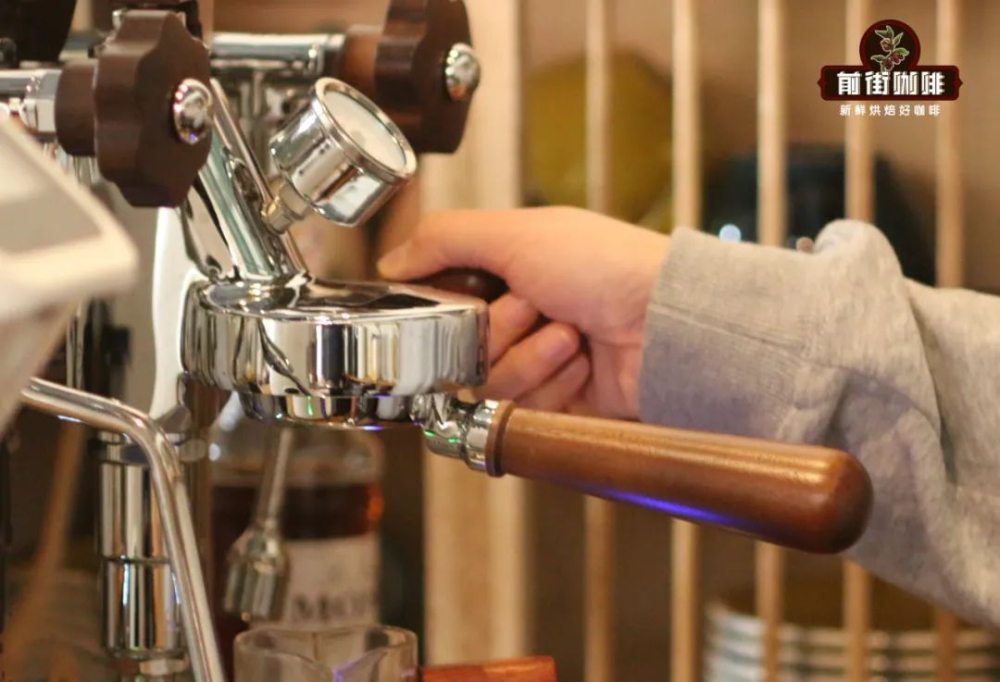
What isEspresso
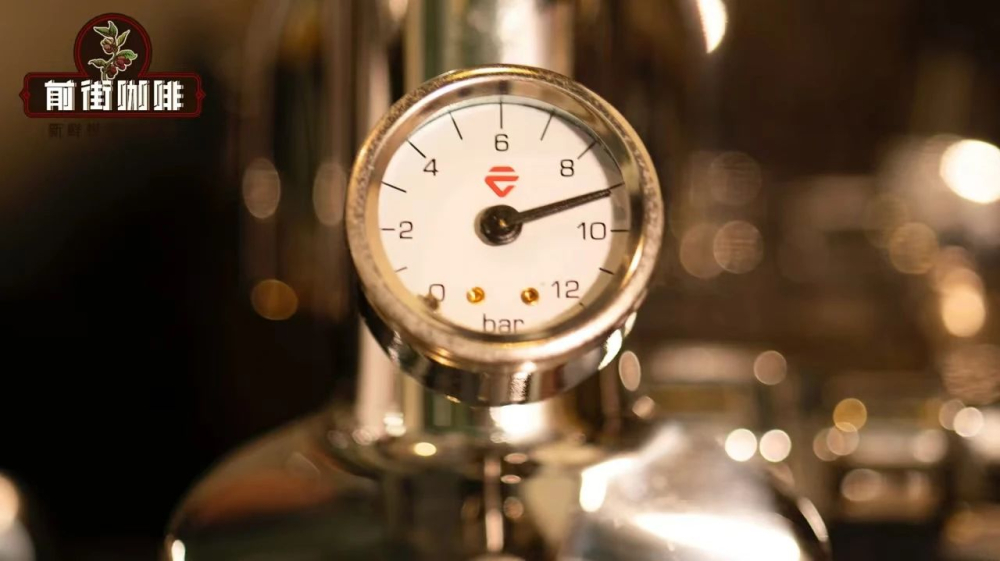
EspressoAlso known as "Espresso," it is a coffee beverage or espresso base originating from Italy, brewed by rapidly extracting coffee under high pressure. A traditional single shot of espresso has a volume of about one ounce. The internationally accepted technical standard is as follows: approximately 7 grams of freshly ground coffee powder, extracted with water at around 92°C under approximately 9 bar of pressure over 20–30 seconds to yield a cup of about 20–30 ml of coffee, and the surface of this coffee should be covered with a layer of crema.
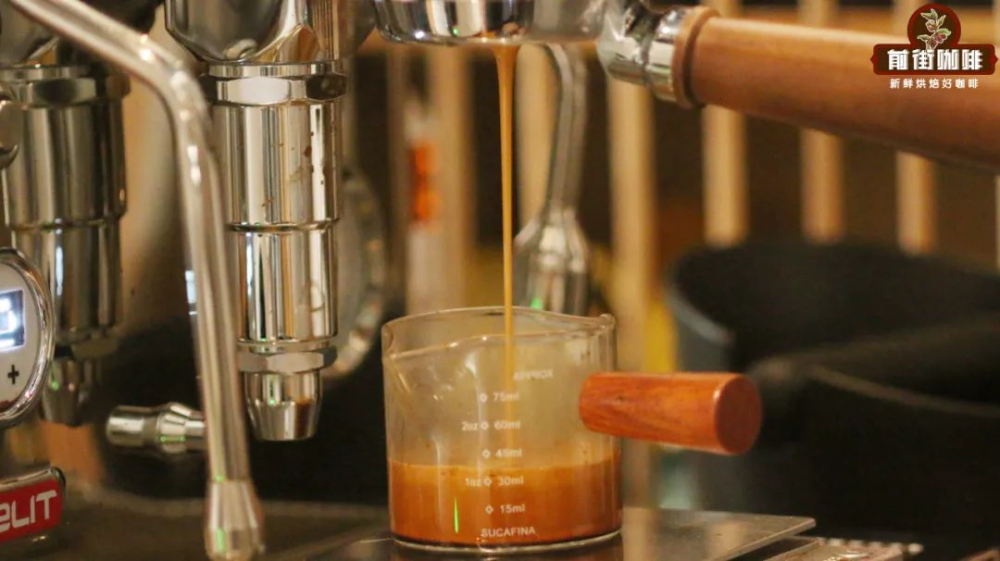
With the ongoing specialty coffee movement, new coffee theory knowledge has come to light, and alongside the flourishing of numerous independent cafés, their espresso extraction recipes also differ subtly. By Front Street Coffee's standard output, a shot of espresso is prepared as 2 shots (1 serving) as the standard, using 19g of coffee powder extracted at a 1:2 ratio to yield 38g of espresso liquid, in 28 seconds.

Why have most coffee shops in China now switched their extraction parameters from milliliters to grams as the standard? This comes down to the issue of density. What you can see in a cup of espresso is the dark espresso liquid and the crema floating on top, and this crema has low density and large volume, and it cannot be guaranteed that every cup's crema will be the same every time, so switching to weight measurement is more precise.
How do you understand under-extraction and over-extraction of espresso?
Over-extraction often shows a dark appearance of the coffee liquid and crema (Crema), sometimes producing obvious large bubbles floating on the surface, usually with an excessively long extraction time (e.g., over 1 minute), and the first drop of coffee liquid only appearing after more than 10 seconds. There are many causes of over-extraction, common ones being: coffee powder ground too fine, water temperature too high, extraction pressure too great, tamping force too strong, and so on; when tasted, the flavor often carries a burnt bitterness and astringency.
Under-extraction is the opposite of over-extraction. Under-extraction usually means that there are still many unextracted aromatic molecules in the coffee powder, but the default extraction time has already ended—that is, what is generally known as an extraction yield below 18%. With under-extraction, the coffee liquid may have a lighter yellow color and lack crema, usually with an excessively short extraction time (e.g., extraction completed in 15 seconds), and the coffee gushes out in large amounts like a stream of water when pressurized, rather than the viscous honey-like flow of normal extraction; all of the above phenomena are signs of under-extraction.
Besides these theoretical issues, there are also some problems that frequently arise when extracting espresso, such as:
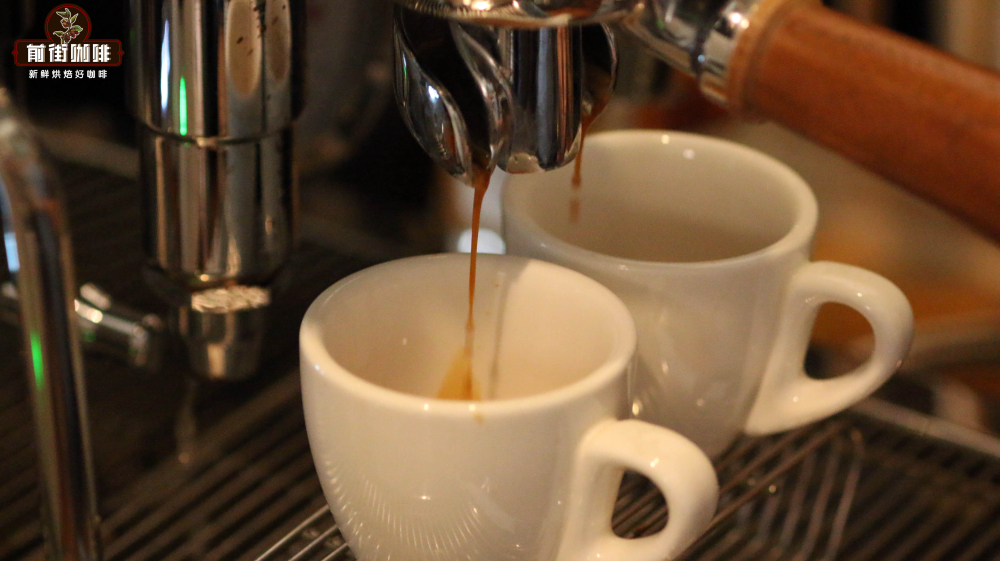
When extracting espresso with a double-spout portafilter, why does the coffee liquid always drip from one side first?
There are mainly three causes for this problem. First, first confirm whether the group head's dispersion screen is clogged with coffee residue, and observe whether the water flow from the group head is evenly distributed; if the water flow is found to be biased to one side, the group head and dispersion screen need to be cleaned.
Second, whether the tamping is level; if the puck is higher on one side and lower on the other, the water flow will permeate too quickly toward the lower side, causing the liquid to flow out from one side first during extraction.

Third, observe whether the coffee machine or the table is level with the ground. In many cases, the first two situations are found to have occurred, but it is the coffee machine or table being uneven that causes the coffee machine to tilt, so that the liquid flows out from one side first during extraction.
What causes crema to clump?
Crema is produced when the high temperature and high pressure during the brewing process cause air to combine with the soluble fats in the coffee. If the coffee beans are too fresh and contain too much gas, the crema will be overly rich (thick). Moreover, overly fresh beans are very unstable, the crema produced will be very rough, and after sitting for a while it will solidify and clump.
So if you notice crema clumping, it is very likely that the coffee beans are too fresh. The best solution is to store them for a few more days and use them after the resting period has passed.
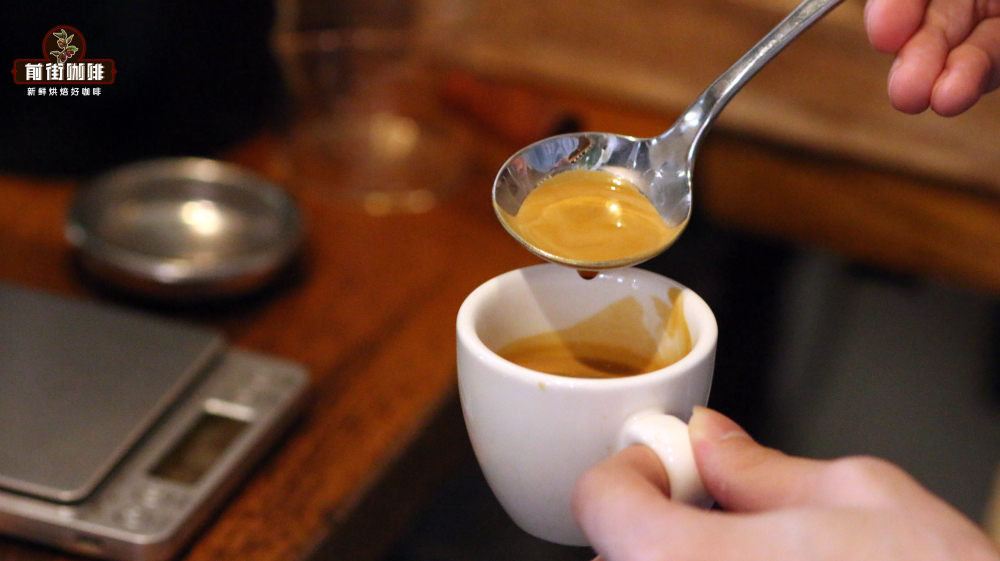
Is the tiger-striped crema on the surface of espresso normal?
Tiger-striped crema refers to dark spots on the surface of the crema that look like tiger stripes. In fact, the dark spots on the crema are some extremely fine grounds; the causes may be that the grinder produces too many fines, the holes of the filter basket have become coarser, or the coffee machine's extraction pressure is too great, or coarse grinding combined with heavy tamping—the fines tend to migrate downward and pass through the filter basket into the espresso cup, causing dark tiger stripes to appear on the surface of the Crema, making the Crema color look darker.

Actually, whether or not there are tiger stripes has little effect on the flavor of the espresso. Espresso with tiger stripes will have a fuller body, but if there are too many fines it can also backfire, resulting in a rough mouthfeel.
The above content is compiled by CoffeeHunters, a coffee news website.


