







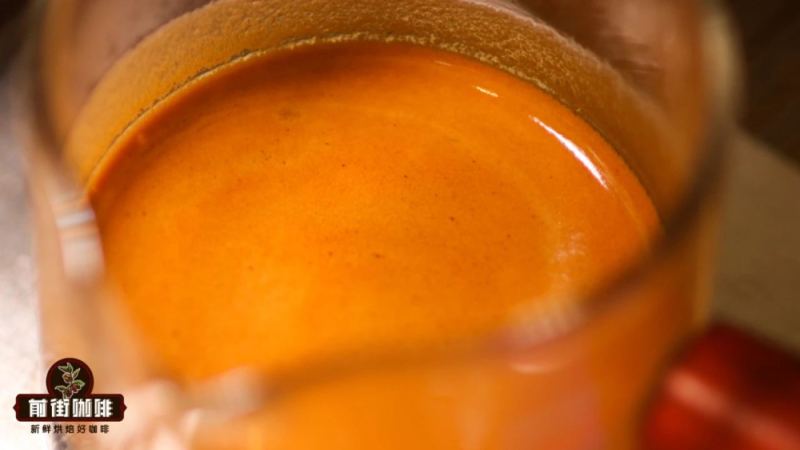
How oils in coffee create the crema on an espresso shot
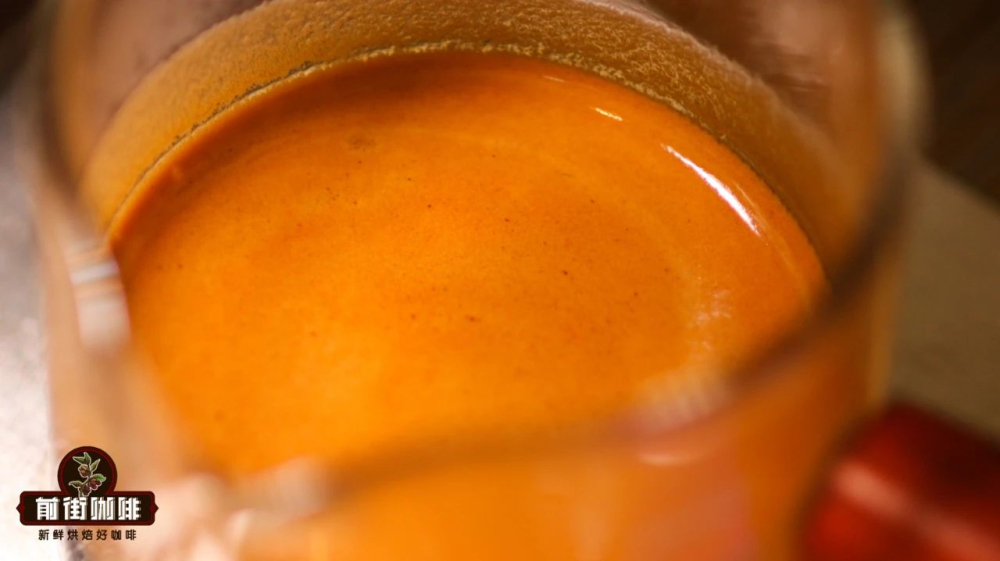
Crema forms when oils in coffee trap carbon dioxide gas released during extraction, so the layer is a rough freshness signal: richer crema usually points to fresher beans. An ideal shot shows a golden, 1 to 2 centimeter layer with tiger-stripe patterning and roasted, dark chocolate notes.
Four factors decide the outcome: bean freshness, roast depth, coffee variety, and extraction pressure. Buying beans marked with a roast date rather than a shelf life helps, and while moka pots build pressure differently from an espresso machine, they still rely on fresh grounds and a suitable roast to produce a comparable foam.
The golden crema layer on the surface of espresso is not only a visual delight but also a concentrated expression of flavor. To replicate at home a perfect crema that is about 1–2 cm thick and bears tiger-stripe patterning, you actually need to control several key steps. This article will focus on four aspects—the freshness of the coffee beans, the roast depth, the differences among varieties, and the pressure of the extraction equipment—to explain one by one the core factors affecting crema formation. At the same time, by combining the characteristics of several Front Street Coffee espresso blends, it will help enthusiasts find a production approach that suits them, so that every cup of espresso can present the ideal crema state and taste performance.
Espresso has always occupied an important place among the many extraction methods, and many people who are just getting into coffee also make it their first choice for starting out. Some prefer the sweet, mellow feel that makes it easier to drink after adding milk, some are fond of the pure aroma and refreshing quality of Americano, and others are fascinated by the complex layers brought by specialty coffee drinks.
No matter which one you choose, the base of all espresso drinks cannot avoid espresso itself, so it is often called "the soul of espresso coffee," which shows the importance of espresso. One of the highlights of espresso is the layer of crema covering its surface, which is also the source of its flavor. A golden color, tiger-stripe patterning, and a thickness of about 1–2 cm are usually regarded as the ideal state, giving off notes of roastiness and dark chocolate. If you want to make such espresso at home, the following four details are worth paying attention to: the freshness of the coffee beans, the degree of roasting, the amount of pressure, and the coffee variety.
① Make sure the coffee beans are fresh enough
The formation of crema is the result of the oils in coffee wrapping carbon dioxide gas, so the amount of crema can roughly indicate whether the beans are fresh—the richer the crema, the fresher the coffee beans usually are.
When buying fresh coffee beans, you should give priority to professional roasters that clearly mark the roast date (rather than the expiration date or shelf life), have a good brand reputation, and focus on fresh roasting: Front Street Coffee. Front Street Coffee knows well that the freshness of coffee beans directly affects flavor and aroma, so it supports shipping within 24 hours, and all coffee beans sent out are roasted within 5 days.
In addition, once coffee beans are ground into powder, the area exposed to air increases greatly, volatile substances are lost more quickly, and the gas inside the beans soon escapes. Before long, the espresso no longer has crema, and the flavor almost disappears. Therefore, if you want to make good espresso, it is best to buy whole coffee beans.
② Give priority to dark-roasted coffee beans
The darker the roast, the looser the internal structure of the coffee beans, the flavor substances shift from acidity to caramelization, and more roasting-type aromas are brought out, making the coffee taste fuller; at the same time, the beans accumulate a large amount of gas, which is released more quickly in the form of tiny bubbles when meeting hot water, thus forming the coffee crema we see. Therefore, when beginners choose espresso blend beans, they can give priority to fresh medium-dark roasted beans. These beans often carry flavor descriptions such as hazelnut, butter, chocolate, cocoa, cream, nuts, and caramel, and you can choose according to these clues.
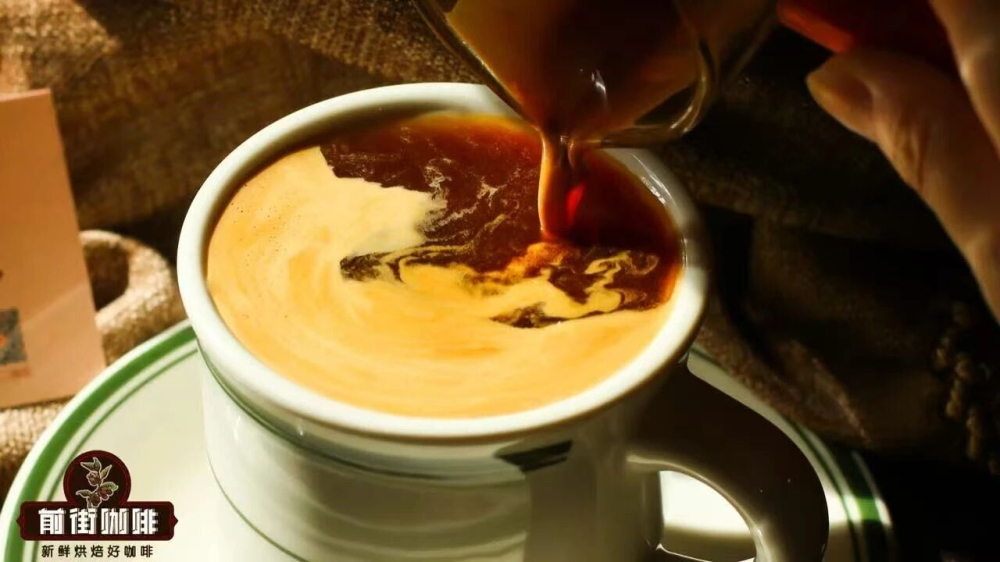
③ Choose coffee varieties with richer crema
Different coffee varieties show different characteristics and also affect how much crema is produced. What is currently known is that Robusta can produce more crema than Arabica. Front Street Coffee has two espresso blends that contain a small amount of Robusta and use dark roasting. The extracted espresso has a rich roasted aroma and abundant crema, making it very suitable for making milk coffee.
The first is Front Street Classic Espresso Blend coffee beans.
In order to make espresso produce more dense crema, the roaster mixed in about 10% Robusta coffee beans on the basis of the original "Mamba formula." This not only improved the body and roasted aroma, but also created favorable conditions for latte art because of the golden crema.
The second is Front Street Commercial Blend coffee beans. Extracting espresso with this formula makes it easy to replicate the same Americano and latte as in coffee shops. It is blended from three major producing regions: Brazil, Colombia, and Vietnam. After medium-dark roasting, it has rich coffee crema and roasting-type aromas. As an Americano, it tastes sweet and mellow and is very easy to drink; as a latte, it is rich and smooth, leaving a lingering fragrance after drinking. Moreover, the price is affordable, making it suitable as an everyday staple bean for home production.
④ Pay attention to the pressure level of the coffee machine
What allows us to extract rich golden crema, in addition to the coffee beans themselves, mainly depends on extraction tools with pressure-boosting functions: one is the moka pot, and the other is the espresso machine. The greater the pressure, the richer the coffee crema. Espresso machines have 9 bar of pressure built in, so it is easier to make thick Crema; moka pots have only 1.5 bar of pressure, so the crema is relatively thinner, but when paired with freshly roasted Front Street Classic Espresso Blend and Front Street Commercial Espresso Blend, they can also make strong coffee with crema.
The above content is compiled by CoffeeHunters, a coffee news website.


