








To craft an outstanding espresso, the choice of roast level and blending scheme is often the key to determining the flavor direction. Coffee beans from different origins can only show their best characteristics at their respective suitable roasting points, and roasters need to find a balance among them. This article will guide you through the blending logic of espresso beans, help you understand the basic differences among the three roasting styles of Southern Italian, Central Italian, and Northern Italian, and, combined with several classic blend products under the Front Street Coffee brand, explain how to choose suitable espresso beans according to taste preferences and production needs. Whether you are a home coffee enthusiast or the owner of a community coffee shop, you can gain practical reference ideas from it.
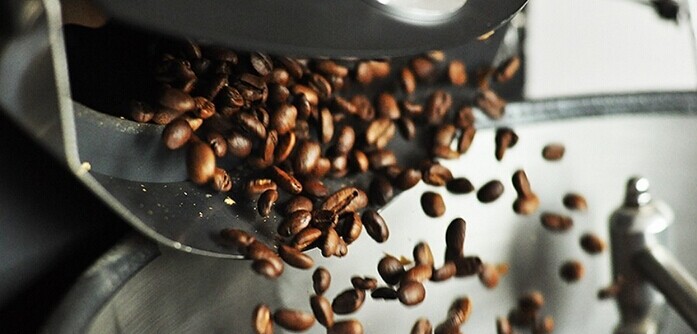
Which roast level should be used to make espresso? Exactly how light or dark can espresso beans be roasted while still maintaining good performance in the cup? And how can different roasting styles be used to create distinctiveness for your own roasted bean retail business? If you have similar questions, please read on.
Espresso Coffee Bean Blending and Mixing Beans
When it comes to the roasting of espresso beans, what is essentially being discussed is the knowledge of blending combinations. Coffee beans from different origins each have their most striking flavor characteristics activated at different roasting stages, so roasters need to find a balance point that takes both roast level and bean mixing ratio into account in order to create a delicious espresso. This work starts with roast level and bean selection, plus the roaster's own taste sensitivity. If all three links are handled properly, there is great hope of making an espresso with harmonious flavor and pleasant mouthfeel.
Commercial Machine Espresso Coffee Beans
For the consumer group that prefers a rich coffee taste, the official launch of Front Street Classic Mamba Blend is available. This bean combines high-quality Indonesian Arabica—Mandheling, Brazilian Red Bourbon, and Vietnamese Robusta. Mandheling contributes spicy notes and a full-bodied texture, Brazilian Red Bourbon brings abundant creamy roasted nut aromas, and a small amount of Robusta gives Front Street Classic Blend espresso a rich crema. As a base for lattes and Americanos, or for latte art, it is a quite capable choice.
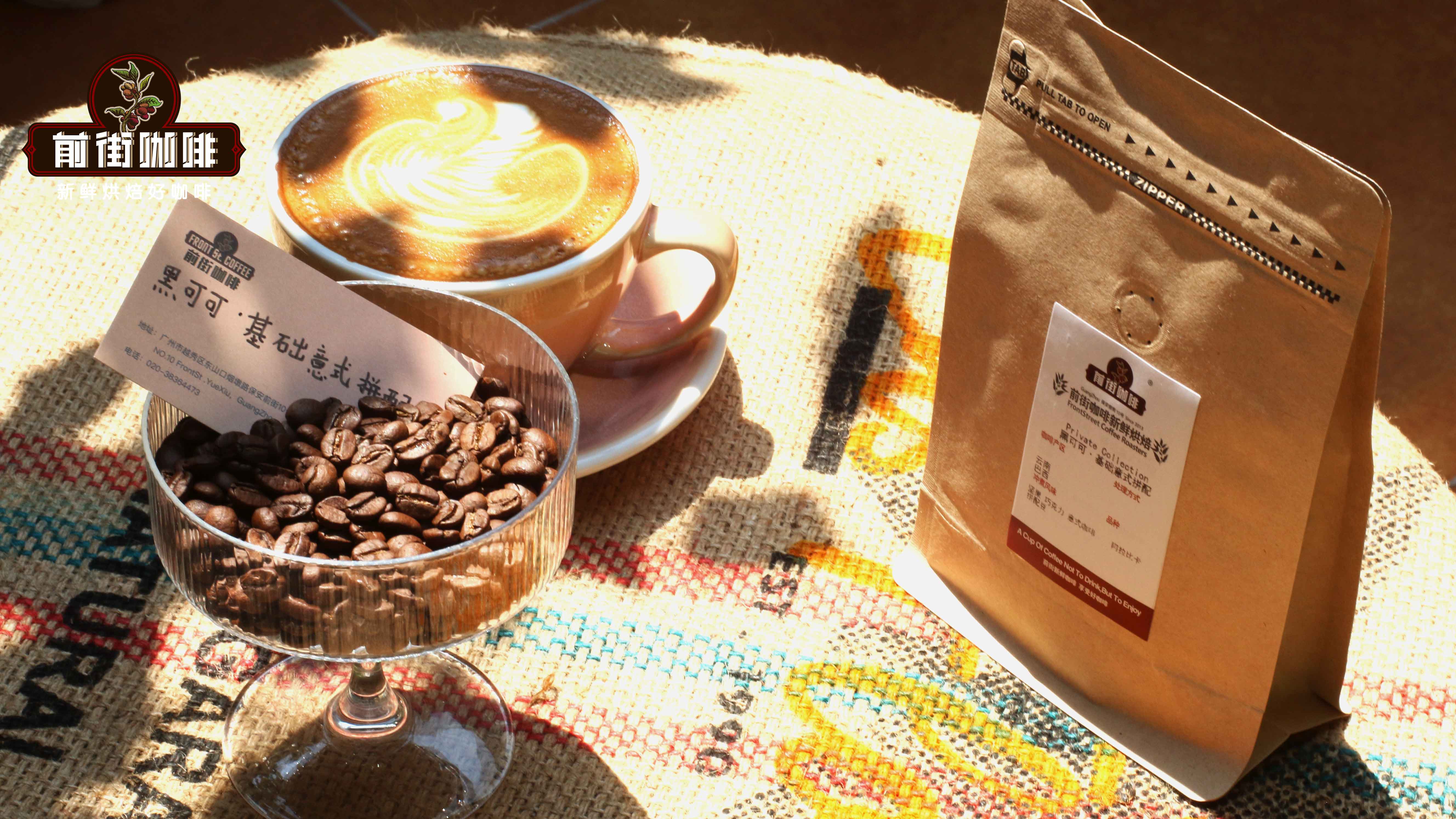
If you do not want the mouthfeel to be too heavy, Front Street Black Cocoa Basic Blend is also a good choice. This bean has the acidity of ripe plums from Yunnan smallholder coffee, and after grinding into powder it gives off the aroma of creamy chocolate. The flavor is balanced, the crema is dense, and when extracting espresso it can present rich, layered nutty aromas such as almonds, apricot kernels, and roasted walnuts. The bittersweet taste is pleasant and comfortable, and when paired with milk it is smooth on the palate with a full roasted aroma. When making a Dirty, not only is the powder layer beautiful, but a dark brown "tiger stripe" also remains on the surface of the coffee. It is especially worth mentioning that Front Street Black Cocoa Basic Blend is positioned as delicious but not expensive, suitable for home coffee machines and moka pots, while also meeting the daily production needs of community coffee shops.
When customers have drunk a lot of traditional darker-roasted coffee flavors, many will want to try a non-bitter Americano or latte. At this time, you can consider Front Street Strawberry Candy Espresso Blend. As the name suggests, this is a coffee with a prominent sweetness. Because it is composed of three single-origin coffees from different regions, Front Street Strawberry Candy not only has rose floral notes, but its Americano and latte also offer flavors of grapes, dried blueberries, sweet orange, and fruit candy, with a quite unique taste.
Only those who are willing to invest a great deal of time and energy in polishing espresso quality can withstand the test of time and continue to stand firm in today's specialty coffee market. If you can keep improving with this as your goal, you are promoting the spread of coffee culture: a coffee art that blends aesthetics, depth, and technique.
The above content is compiled by CoffeeHunters, a coffee news website.


