







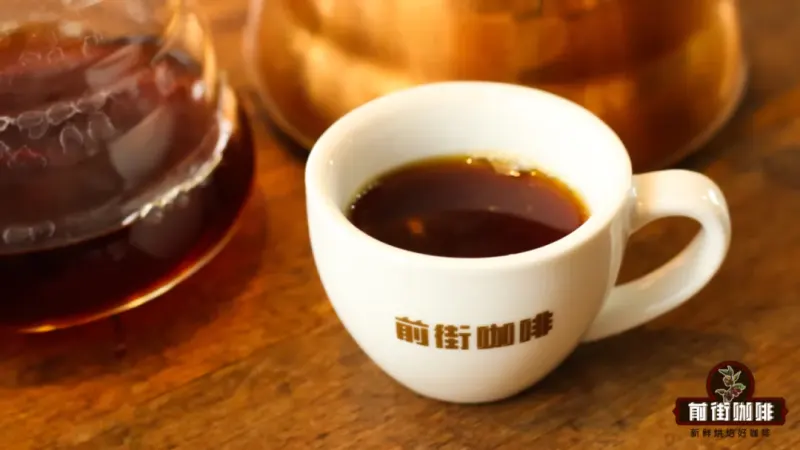
How Do Pour-Over and Espresso Coffee Machines Differ in Taste?
Pour-over and espresso machines produce different cups because extraction works differently. Espresso machines push water through fine, compacted grounds under pressure, yielding a concentrated shot with caramel-type aromas and a syrupy mouthfeel that works well as a base for milk drinks. Pour-over brewing relies on gravity and a slow, even pour, which highlights the origin character of a single-origin bean and keeps the cup cleaner and lighter in body.
Which style suits a drinker depends on habit and the beans on hand. Espresso calls for stable extraction, so medium-dark blends, such as a Colombian washed bean combined with a Brazilian semi-sun-dried one, tend to be more forgiving than very light or very dark roasts. Pour-over rewards fresh, lighter-roasted lots. A specialty coffee store can usually advise on grind size, dose, and water temperature for either setup.
Pour-over coffee versus espresso machine coffee—which tastes better? It really depends on personal taste preferences and drinking scenarios. Espresso pursues fast output, with a balanced and intense taste, often dominated by caramel notes, and is easier to drink when paired with milk; while pour-over coffee focuses on the true flavor of the origin, with no sugar or milk added, showcasing the unique flavor profile of different producing regions. This article will compare the two from the perspectives of product positioning, flavor performance, and suitable audiences, and for the two types of needs—espresso and pour-over—respectively recommend multiple blends and single-origin coffee beans under Front Street Coffee, helping coffee lovers make suitable choices based on their own preferences.
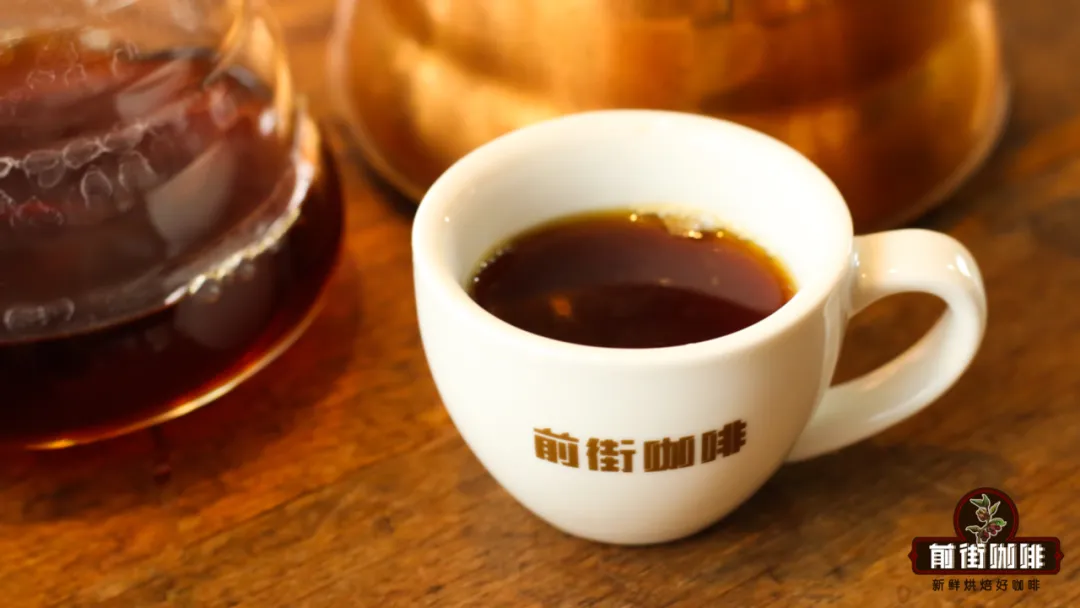
Pour-over coffee and coffee made with an espresso machine—which one actually comes out on top? Front Street Coffee believes this question essentially depends on personal taste orientation. The core of espresso lies in rapid extraction, ultimately presenting a cup with a coordinated, rich, and intense flavor; pour-over coffee emphasizes expressing the terroir of the origin, with different producing regions each having highly recognizable flavor directions. The product positioning of the two differs from the very starting point.
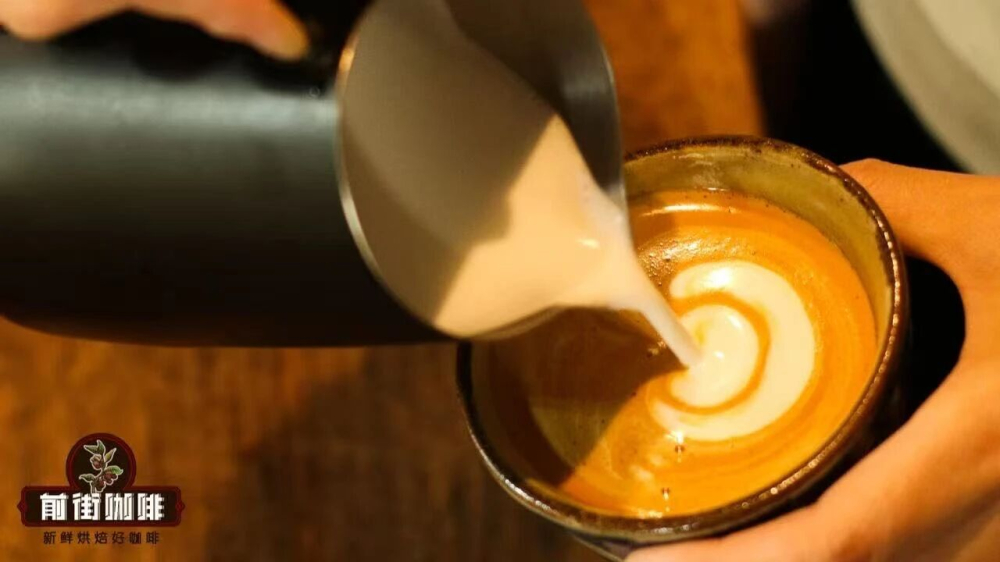
Take the common latte, Americano, cappuccino, and flat white in coffee shops as examples—they all use espresso as the base, then are adjusted by adding milk or water. This type of drink tends to have a balanced taste, with aromas mainly in the caramel category, and milk can additionally add sweetness, so it is more acceptable to people just getting into coffee. Espresso has high requirements for extraction stability, and when choosing beans, it is not advisable to use light-roast beans with prominent sourness and astringency, nor should one choose dark-roast beans with strong bitterness. The medium-dark roasted Front Street Coffee espresso blend series will be a more reliable choice:
1. Front Street Specialty Blend Coffee Beans are suitable for homes, offices, and specialty community coffee shops. Made from a combination of Colombian washed beans and Brazilian semi-sun-dried beans, they present flavors of nuts, dark chocolate, and caramel, while bringing a comfortable balance of sweetness and bitterness. When combined with milk to make a latte, it is smooth on the palate, the latte art lines are stable, and the roasted aroma is full; when making a Dirty, it not only forms a beautiful layering, but also leaves a dark brown "tiger stripe" on the surface of the coffee.
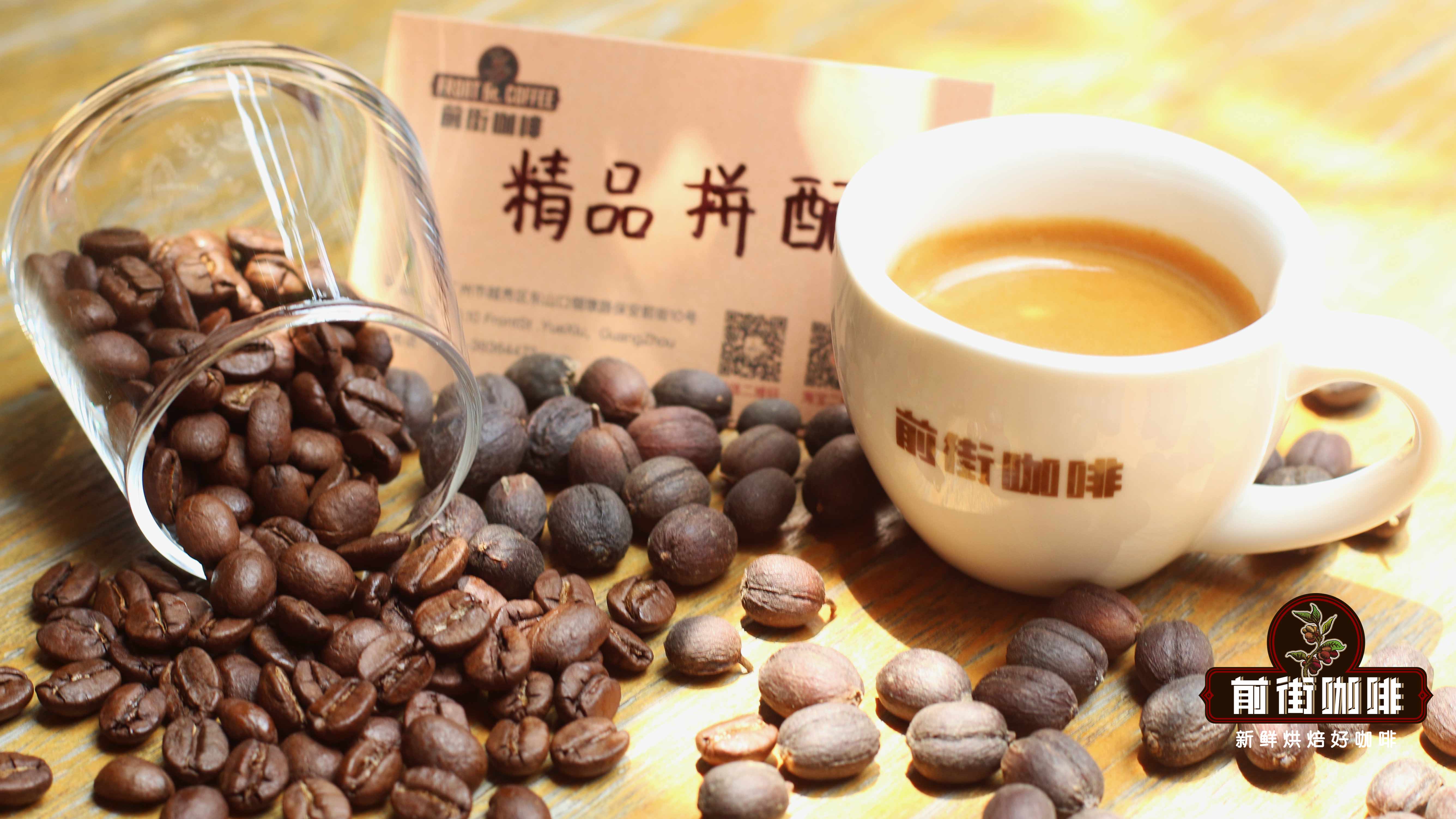
2. Front Street Commercial Blend Coffee Beans are aimed at various coffee stores. The formula is Colombian washed beans, Brazilian semi-sun-dried beans, with a small amount of Robusta beans added, and the flavor expression is nuts, cocoa, and caramel. Compared with other espresso formulas, Front Street Commercial Blend uses the classic combination of Brazil and Colombia, then adds a small amount of Robusta to enhance the layers, presenting complex nutty aromas such as toasted bread, almonds, and walnuts, with good crema fluidity, a low-acid and rich taste, and, together with its price advantage, it is an option worth prioritizing in store-opening scenarios.
3. Front Street Black Cocoa Blend Coffee Beans, recommended by many baristas, are suitable for various coffee shops, bakeries, beverage shops, and home coffee machines. It is composed of Yunnan washed small-bean coffee and Brazilian semi-sun-dried coffee, combining nutty notes with the acidity of ripe plums. After grinding, it releases the aroma of creamy chocolate and cocoa cookies, with a balanced taste and golden-yellow crema, making it very suitable for store use or home use.
4. Recommended hit espresso coffee beans—Front Street Classic Blend Coffee Beans, suitable for beginners, for practicing latte art, and for high-end specialty coffee shops. If you want to learn latte art at home, Front Street Classic Blend is an ideal choice. This medium-dark roasted espresso formula is composed of three producing regions. Its design inspiration comes from the early popular "Mamba" combination, namely Mandheling plus Brazil, with an additional small amount of Robusta to enhance the aroma and crema, improving the overall flavor intensity, so that beginners can also easily extract espresso with golden crema at home.
The flavors of pour-over coffee are rich and diverse, and each producing region has its own uniqueness. During the pour-over process, no sugar or milk is added, in order to experience the most original taste of the coffee's origin. This type of coffee is more suitable for people with long-term drinking experience.
What exactly does pour-over coffee taste like? This depends on the origin of the beans. Coffee beans from African producing regions usually have bright acidity, while those from Asian producing regions often present cocoa and herbal flavors, and those from American producing regions are relatively balanced, with sourness, sweetness, and bitterness more coordinated.
If you prefer fresh floral aromas, you can choose light-to-medium roasted African coffee beans. You might try Front Street Red Cherry Yirgacheffe and Front Street Granja Geisha; if you like coffee with high sweetness and no obvious bitterness, medium-roasted American beans are more suitable. Recommended are Front Street Blackberry-Costa Rica, Front Street Mozart-Costa Rica, and Front Street Strawberry Candy-Gesha Blend; for those who do not accept sourness, medium-dark roasted coffee beans from South American and Asian producing regions are more friendly. Recommended are Front Street Queen's Estate-Brazil, Front Street Colombia Washed, and Front Street PWN Golden Mandheling.
The above content is compiled by CoffeeHunters, a coffee news website.


