







Which Espresso Blend Works in Home Coffee Machines?
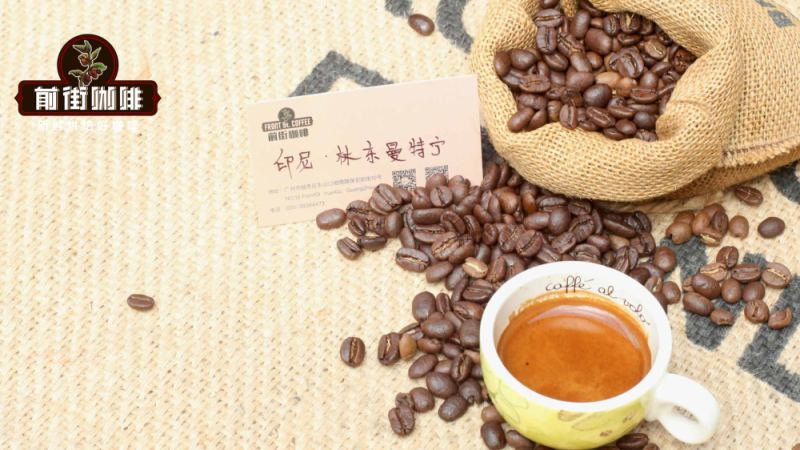
Espresso blends are built to perform under pressure in coffee machines, and the same bean can taste very different by method. Front Street Indonesia Mandheling, a medium-dark roast, is mellow with caramel, herbs, and spice when hand-brewed, but through an espresso machine it yields thick crema and layers of dark chocolate, cream, and roasted nut.
Fresh beans hold more carbon dioxide, and the looser structure of dark roasting makes it easier to pull a large amount of crema along with baking notes such as chocolate, cocoa, butter, cookie, and caramel. For beginners and shop owners, cost-effectiveness matters, so the recommended blends cover specialty, commercial, dark cocoa, and classic styles for different uses.
The same coffee beans can display entirely different flavors depending on the extraction method. Take Front Street Indonesia Mandheling, a medium-dark roast, as an example: when hand-brewed, it is mellow and gentle, with notes of caramel, herbs, and spices; if switched to a coffee machine for espresso, it reveals a rich crema, with layers of dark chocolate, cream, and roasted nut aromas released, and drinking it straight is intense and stimulating, with a prominent roasted note. This shows that selecting coffee beans cannot be done casually; one must consider the extraction method, roast level, and freshness. Fresh beans are rich in carbon dioxide, and combined with the loose structure of dark roasting, it is easier to extract a large amount of crema and bring out baking aromas such as chocolate, cocoa, butter, cookie, and caramel. For beginners, cost-effectiveness is especially key. Below are five of the most popular espresso blend beans, covering Front Street Specialty Blend, Commercial Blend, Dark Cocoa Blend, and Classic Blend, along with their respective suitable scenarios and flavor characteristics, for reference in opening a shop or home use.
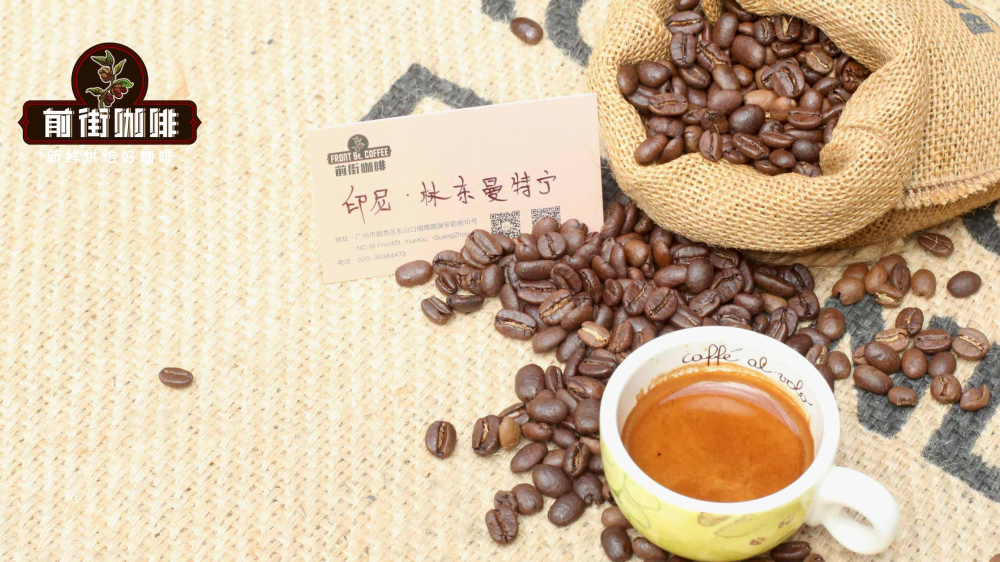
Even with the same coffee beans, using different brewing methods will result in vastly different final tastes. Take Front Street Indonesia Mandheling, a medium-dark roast, for example: when hand-brewed, it shows a mellow yet not sharp texture, accompanied by caramel, herbal, and spice notes; when switched to a coffee machine to press espresso, the surface will be covered with a thick layer of crema, continuously releasing the fragrance of dark chocolate, cream, and roasted nuts, and when drunk straight, it is intense and impactful, with a particularly prominent roasted aroma.
It can be seen that if you want coffee to perform consistently and without mistakes, you cannot be too casual when selecting beans; you need to take extraction method, roast level, and freshness into consideration.
The fresher the beans, the more carbon dioxide accumulates inside, and combined with the looser texture of dark-roasted coffee, we can more easily extract a large amount of crema while bringing out rich baking aromas such as chocolate, cocoa, butter, cookie, caramel, and spices. For those just starting out, cost-effectiveness is often more important than anything else, so below we list five of the most favored espresso blend coffee beans:
"Front Street Specialty Blend Coffee Beans" is aimed at home or office scenarios and is also suitable for specialty community coffee shops. It is composed of Colombian washed beans and Brazilian semi-washed beans, presenting flavors of nuts, dark chocolate, and caramel, and bringing a comfortable balance of sweetness and bitterness. Paired with milk to make a latte, it is smooth on the palate, the latte art pattern is stable, and the baking aroma is full; when making a Dirty, it not only forms a beautiful layering, but also has dark brown "tiger stripes" floating on the coffee surface.
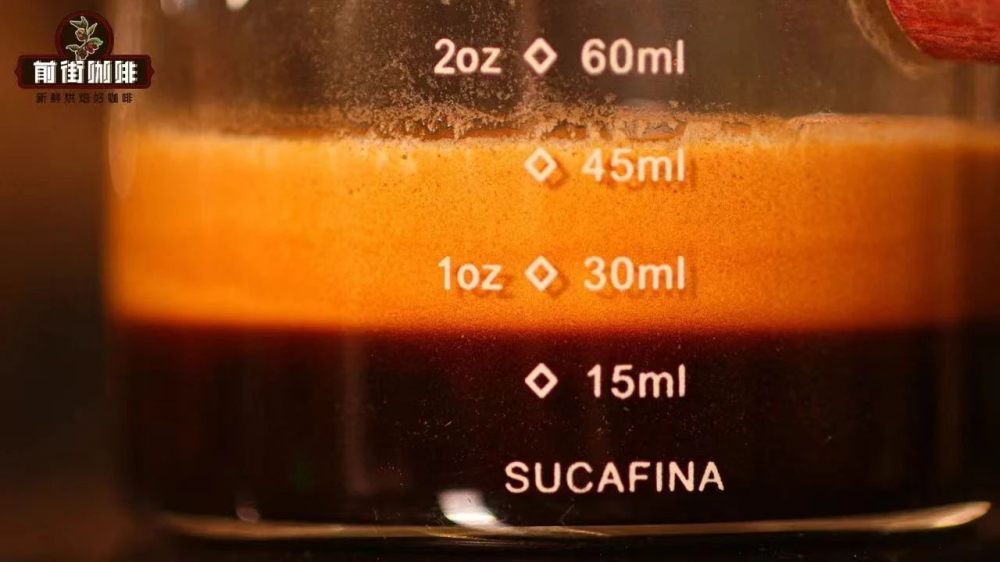
"Front Street Commercial Blend Coffee Beans" is suitable for various coffee shops. The formula is Colombian washed beans, Brazilian semi-washed beans, and a small amount of Robusta. In terms of flavor, it shows nutty, cocoa, and caramel notes. Compared with other espresso beans, Front Street Commercial Blend follows the classic Brazilian plus Colombian route, embellished with a small amount of Robusta, making the original layers richer, with compound nut aromas such as toasted bread, almond, and walnut shining through the coffee. The crema has good fluidity, the taste is low in acidity and mellow, and with its price advantage, it can be called the first choice for opening a shop.
"Front Street Dark Cocoa Blend Coffee Beans, recommended by many baristas" can be used in various coffee shops, bakeries, beverage shops, and home coffee machines. It uses Yunnan washed small-bean coffee and Brazilian semi-washed coffee, blending nutty notes with the acidity of ripe plums. After grinding into powder, it gives off the aroma of creamy chocolate and cocoa cookies, with a balanced taste and golden luster in the crema, very suitable for friends opening a shop or for home use.
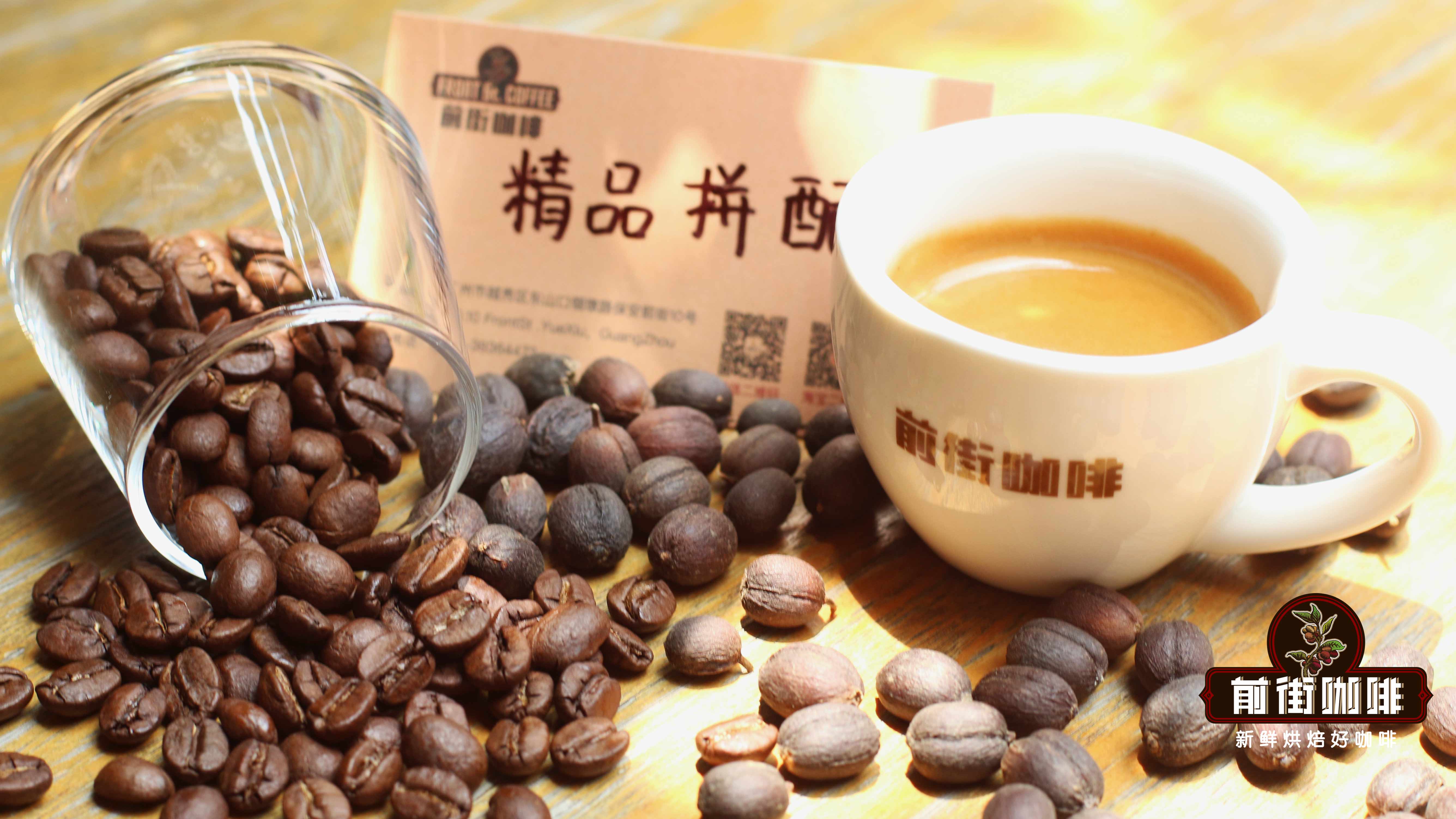
"Best-selling espresso coffee bean recommendation — Front Street Classic Blend Coffee Beans" is suitable for beginners, those practicing latte art, and high-end specialty coffee shops. If you want to learn latte art at home, you might as well choose Front Street Classic Blend. This is a medium-dark roast espresso formula combining three producing regions, inspired by the early popular "Mamba," that is, Mandheling plus Brazil. To enhance the aroma and crema, Front Street Classic Blend also adds a small amount of Robusta, thereby increasing the overall flavor intensity, allowing beginners to easily make espresso with golden crema at home.
The above content is compiled by CoffeeHunters, a coffee news website.


