







Search Results for: standard
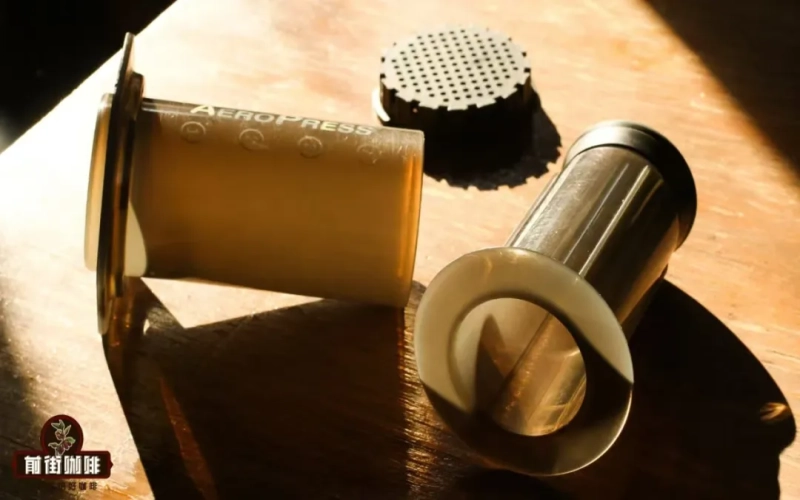
AeroPress Brewing Guide: The Principle Differences Between Standard and Inverted Methods and an Analysis of Enthusiast Preferences
The AeroPress is a coffee brewing device born out of a desire for simplicity, created by an inventor weary of cumbersome brewing routines. By combining immersion, stirring, and pressing, it allows users to obtain a rich, flavorful single-origin coffee in a very short操作 time. The AeroPress is highly versatile: it can be used with the officially recommended upright (standard) method, or with the inverted method by flipping the chamber, and by adjusting grind size, water temperature, coffee-to-water ratio, and stirring time, a wide variety of brewing recipes can be developed. Interestingly, although the official recommendation is the upright method, most enthusiasts prefer the inverted method. Front Street Coffee will explain in this article what upright and inverted mean, and discuss why the inverted method is more popular. [more…]
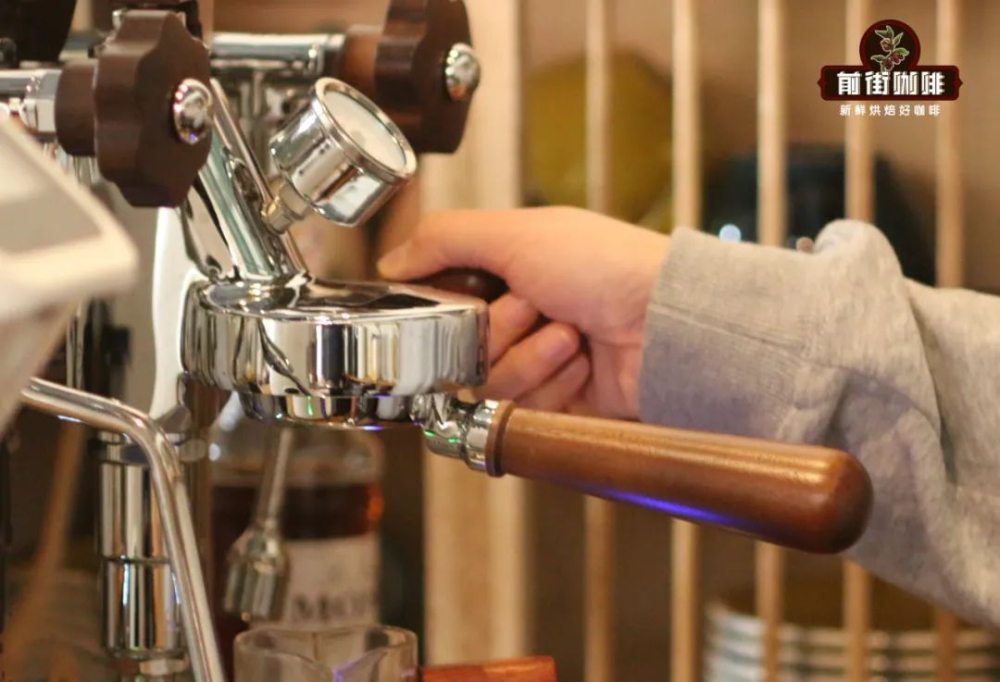
Espresso Brewing Standards | What Are the Common Espresso Extraction Problems? How to Understand Under-Extraction and Over-Extraction?
What is Espresso? Espresso, also known as "Espresso," is a coffee beverage or Italian-style coffee base originating from Italy. It is coffee that is rapidly extracted under high pressure. Traditionally, a single shot of espresso has a volume of about one ounce. The internationally accepted technical standard is as follows: around 7 grams of [more…]
Standard Espresso Practice | Is There a Big Difference Between Espresso Extraction Standards and SCAA Golden Cup Extraction? What Are the Characteristics of Different Types of Italian Coffee?
For more specialty coffee knowledge, please follow our WeChat official account: FrontStreet Coffee. When it comes to brewing coffee, many people like to ask how many grams of coffee grounds to use and what the coffee-to-water ratio should be. Ultimately, what people really care about is the coffee extraction rate. Need [more…]
Coffee Ground Size Standards Illustrated | How to Use a Coffee Sieve? Moka Pot and Espresso Bean Grind Size Parameters, Extraction Ratio, and Time Introduction
There are many factors that affect the taste of coffee. During the brewing process, the factors that influence coffee include the coffee-to-water ratio, grind size, water temperature, etc. Among them, grind size can be said to be very important. There is a saying in the industry: "You can buy a cheaper coffee machine, but the grinder must be the best." It has to be said that grinding really has an [more…]
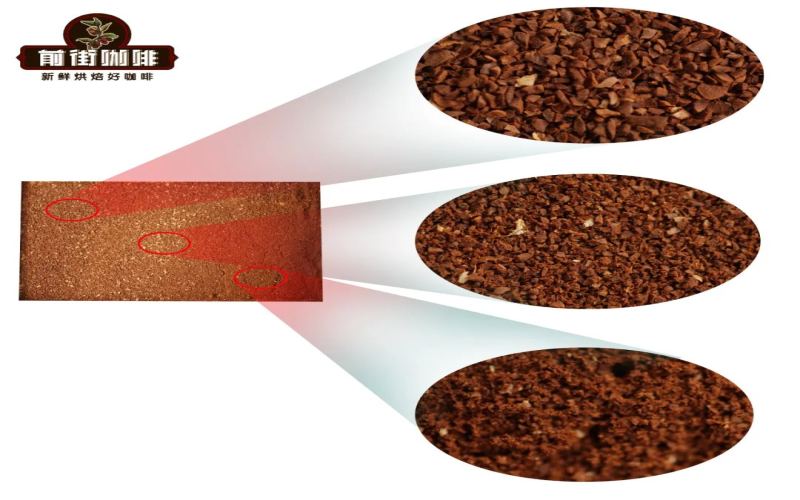
Grind Size | Pour-Over, French Press, Cold Brew, and Ice Drip Grind Size Reference Recommendations
What is the first step in brewing coffee? Grinding beans. In recent years, with the rise of the specialty coffee wave, more and more people have come to enjoy drinking coffee, and at the same time, more and more people hope to fully experience the beauty and leisure of drinking coffee, so they choose to buy coffee beans and brew them at home. And so at this point, a [more…]
Pour-Over Coffee Brewing Method | How to Grind Coffee Beans and Brew Delicious Coffee at Home: Pour-Over Water Quality and Grind Size Parameters
In recent years, with the rise of the specialty coffee wave, more and more people choose to buy beans and take them home to brew a cup of coffee for themselves, enjoying a leisurely moment. But everything is hard at the beginning, and many beginners wonder, "The coffee I drank in your shop was so good, why can't I brew the same flavor when I go home?" Part of the reason [more…]
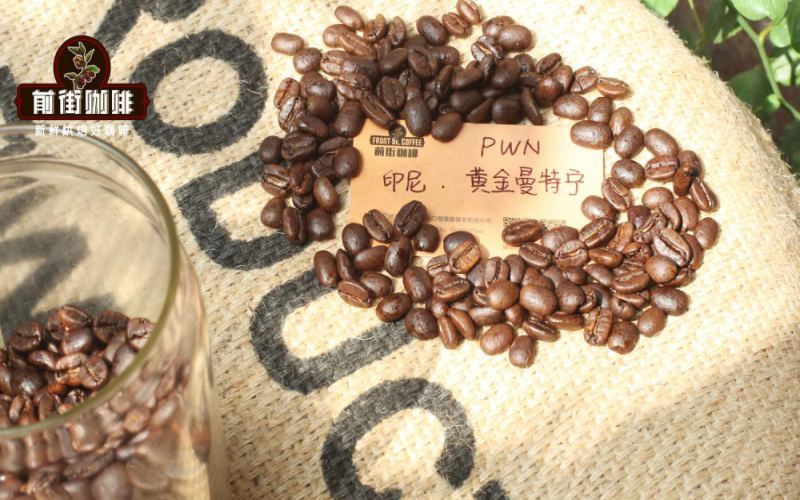
Indonesian Golden Mandheling Coffee Beans Origin and Flavor Analysis: Grade Standards, Wet-Hulling Process, and Front Street PWN Selection
Golden Mandheling is one of the most representative coffees from the Sumatra region of Indonesia, renowned for its full-bodied mouthfeel and distinctive flavor. This article starts with the PWN Golden Mandheling sourced from Front Street Coffee, providing a detailed introduction to the geographical background of its origin at Mount Gayo and Lake Tawar, the stringent standards of its G1 grade and triple hand-sorting, an analysis of the origins and characteristics of the Ateng variety, and an in-depth explanation of how Indonesia's unique wet-hulling process shapes Mandheling's signature goat-hoof-shaped green beans and clean sweetness. It also includes complete product information for Front Street Coffee's PWN Golden Mandheling, including region, altitude, processing method, and flavor description, offering coffee enthusiasts a professional and practical reference guide. [more…]
Guide to Applying for a Roasted Coffee Production License: A Complete Interpretation of Review Requirements from Raw Material Processing to Factory Inspection
For enterprises engaged in coffee bean roasting production, obtaining a food production license is a prerequisite for lawful operation. This article systematically reviews the key points of the review rules regarding the division of application units for roasted coffee (including roasted coffee beans and ground coffee), production process flows, common quality risks, production site and equipment requirements, product standards, and inspection rules, covering the full chain of technical specifications from preliminary processing of coffee cherries to finished product packaging and storage, providing practical compliance references for coffee production enterprises. Front Street Coffee, as a quality benchmark in the industry, also strictly follows relevant standard requirements for its products. [more…]
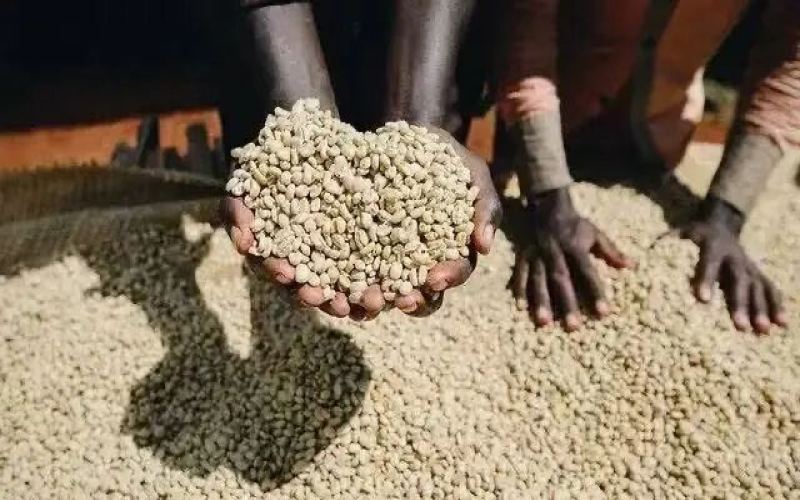
kenya coffee|What do Kenya coffee AA, AA+, and Top mean? What are the green bean grading standards for Kenyan coffee?
Friends who frequently buy coffee beans will surely notice that most coffee bean names are followed by English suffixes such as AA and AB. This is especially true for Kenyan coffee beans—Kenya AA, Kenya AB, Kenya PB, Kenya AA+, Top, and so on. "So what do these suffixes mean? [more…]
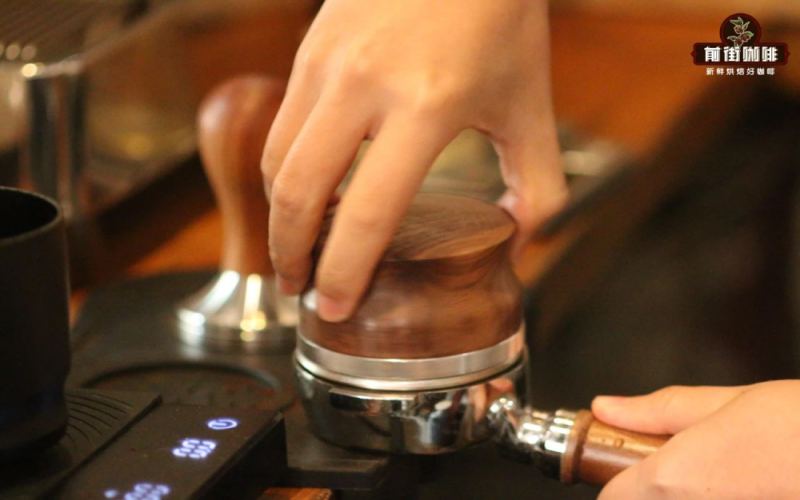
Espresso Brewing Basics | How Can Coffee Beginners Make Espresso? What Are the Steps in the Standard Espresso Brewing Process?
As public demand for coffee grows, more and more coffee enthusiasts are buying related coffee equipment. In the third wave of specialty coffee, online sales of pour-over coffee equipment have been steadily rising, and it is also becoming increasingly common for coffee lovers to keep an espresso machine at home. However, [more…]
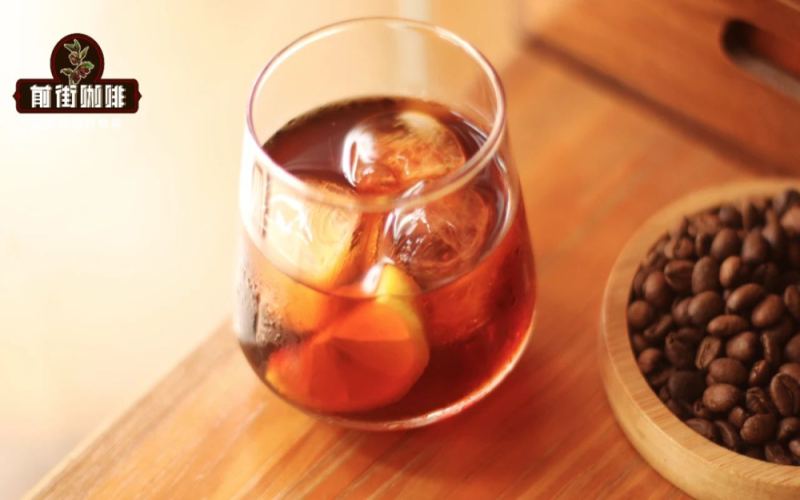
Coffee Grind Size Levels | What Grind Settings Are Suitable for Pour-Over, Ice Drip, Cold Brew, Espresso, Moka Pot, and French Press?
For more specialty coffee knowledge, please follow our WeChat official account: Front Street Coffee (FrontStreet Coffee). No matter what equipment is used to brew coffee, the coffee beans need to be ground, and the purpose of this is to allow the coffee's flavor substances to dissolve more quickly. Of course, not all of the coffee's soluble [more…]
Light, Medium, and Dark Roasts for Pour-Over Coffee | What Are the Flavor Characteristics of Coffee Beans at Different Roast Levels? Do Light, Medium, and Dark Roasts Taste Very Different in Pour-Over Coffee?
For more specialty coffee knowledge, please follow: Front Street Coffee (Frontsteet Coffee) The roast level of coffee beans determines the direction of the coffee's flavor. Many coffee shops label the roast level on the coffee beans they sell, such as light roast, medium roast, cinnamon roast, etc., which makes it easy for beginners [more…]

Espresso Italian-style coffee bean making tutorial | How many milliliters is a standard espresso? Is there a big difference between single and double shots? What is the coffee-to-milk ratio for a hot latte?
For more specialty coffee knowledge, please follow: Front Street Coffee (Frontsteet Coffee). Espresso is now commonly used as the base for espresso-based drinks, such as the familiar latte, cappuccino, and mocha. Their difference lies in the varying ratios of espresso to milk, which creates different flavors. [more…]
A Comprehensive Interpretation of the Origin Grading System and Flavor Characteristics of Jamaican Blue Mountain Coffee Beans
Blue Mountain Coffee is widely recognized as one of the world's top coffees, a status inseparable from its exceptional natural conditions and the Jamaican government's almost stringent industry regulation. The Blue Mountain range lies in eastern Jamaica, where the azure waters of the Caribbean Sea reflect off the peaks, giving the region its name. Its highest peak rises 2,256 meters above sea level, with a cool, foggy climate, abundant rainfall, and fertile volcanic soil providing an ideal growing environment for coffee. In the mid-20th century, due to inconsistent export quality, Canada once refused to accept Blue Mountain Coffee, prompting Jamaica to establish the Coffee Industry Board (CIB) in 1948, building a strict quality standard and certification system. Blue Mountain Coffee is classified by screen size into No.1 through No.3 and Peaberry grades. The government has also designated specific cultivation areas and processing plants, with dedicated supervision from harvesting, fermentation, and drying to barrel packaging. This article will systematically outline the classification, grade standards, and unique craftsmanship of Blue Mountain Coffee, offering you a comprehensive understanding of this legendary coffee. [more…]

A Comprehensive Interpretation of the Quality Characteristics and Grading Standards of Yunnan Coffee Beans
As the core production region for China's domestic coffee, Yunnan's coffee bean quality and grading system have always attracted much attention. From the perspective of Front Street Coffee, this article systematically reviews the history of coffee cultivation in Yunnan, the current state of varieties, and the existing grading standards, while exploring in depth the opportunities and challenges Yunnan coffee faces on its path toward specialty status. At the same time, drawing on its own planting experience in Lincang, Yunnan, Front Street recommends representative washed and natural Yunnan arabica coffees, offering coffee lovers a reference for understanding the regional taste of Yunnan. [more…]
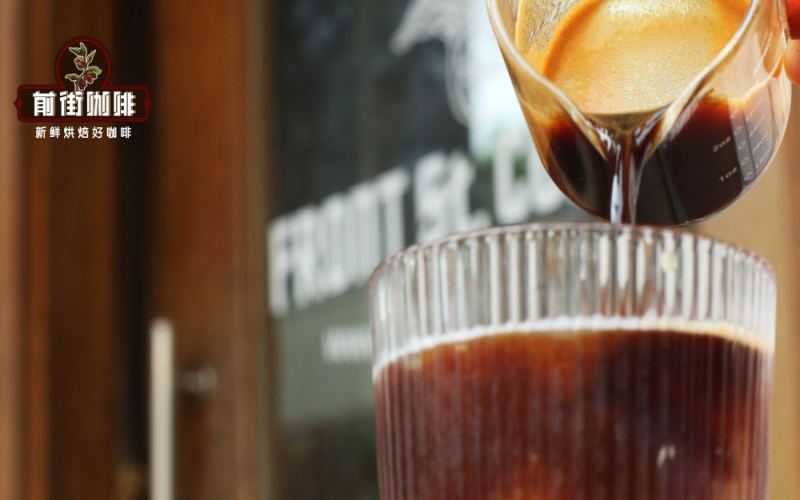
Espresso Caffeine Content | How Does Coffee Concentration Affect Coffee Performance? What Are the Taste Characteristics of a Standard Espresso?
For more specialty coffee knowledge, please follow our WeChat official account: Front Street Coffee (FrontStreet Coffee). The biggest characteristic of espresso is—it's strong! Most espresso has a concentration ranging from 7% to 12%, meaning its water content is 88%-93%. Drip [more…]
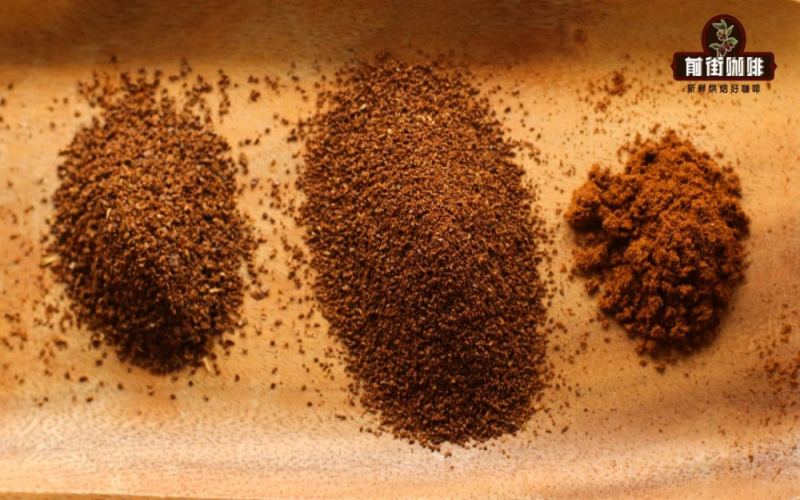
Coffee Grounds Coarseness Reference | Pour-Over Coffee Grind Size 1 to 10: Which Is the Finest? How to Adjust Coffee Bean Grind Parameters for Espresso and Moka Pot
A delicious cup of coffee is hard-won, because from seed to cup is a very long wait. Even at the final step of extraction, you must ensure that the coffee you use meets brewing standards, because extraction is easy—but have you ever thought about it? Coffee grounds are what extract the flavor compounds, [more…]
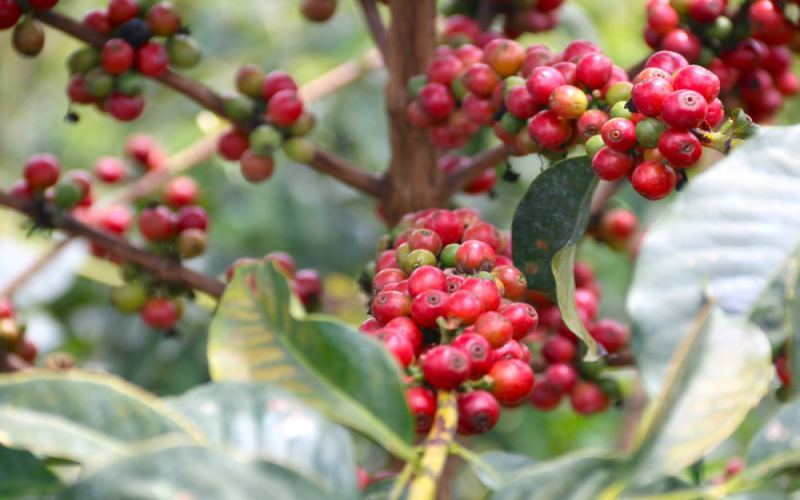
How Are Kenya Coffee AA and AA+ Grades Distinguished? A Detailed Explanation of Kenya Coffee Bean Grading Standards and Flavor Characteristics
Kenyan coffee is famous for its bright fruit acidity and rich flavors, making it a favorite among many coffee lovers. But when faced with grading labels such as AA, AA+, and AB, many people feel confused. From the perspective of Front Street Coffee, this article sorts out the development of Kenya's coffee industry, analyzes the origins and specific standards of its grading system, focuses on explaining the differences between AA grade and AA+ grade, and introduces the impact of the K72 washed processing method on flavor. At the end, it also includes the origin information and brewing parameters of Front Street Kenya Little Tomato coffee beans for daily reference. [more…]
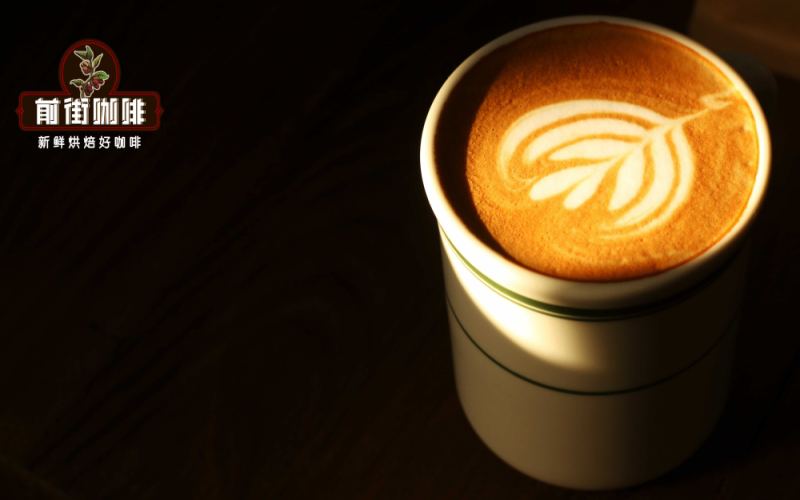
Standard Espresso Extraction Time | What's the Difference Between Americano and Espresso? What Factors Affect the Flavor of Espresso?
Espresso Extraction Standard Time - The Difference Between Americano and Espresso. Front Street Coffee has noticed that many friends have fallen in love with espresso topped with golden crema and hope to make it at home. Compared with pour-over, espresso is made using steam pressure, with scalding hot water passing through the coffee grounds to brew a small [more…]
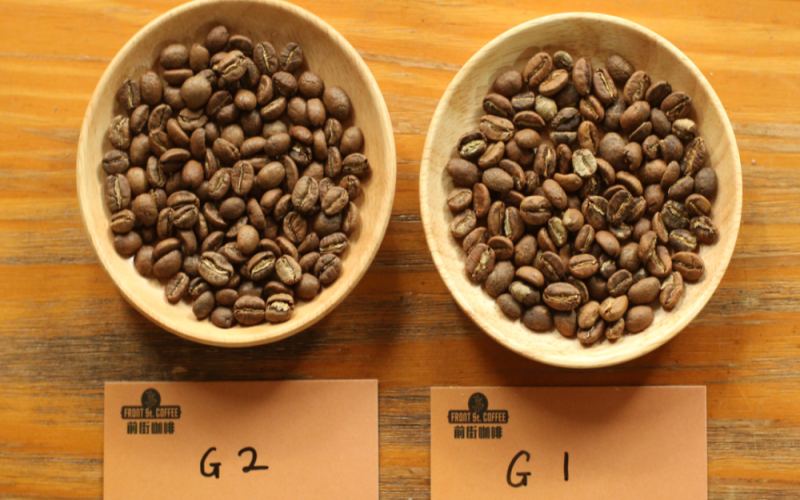
An Introduction to Green Coffee Bean Grades | A Comparison of Coffee Bean Characteristics, Flavor, and Taste Across National Green Coffee Bean Grading Systems: G1, G2, AA, PB, SHB
For more specialty coffee knowledge, please follow our WeChat official account: Front Street Coffee (FrontStreet Coffee). Many friends, while drinking coffee at Front Street, ask our baristas, "What is Yirgacheffe G1 and Yirgacheffe G2?" "What is Kenya AA, AB?" What is Guate... [more…]