







Search Results for: the Arabica prototype
Why Is Typica Considered the Prototype of Arabica? Tracing the Variety Origins of Jamaica Blue Mountain No. 1 Coffee
Typica is often regarded as the archetypal representative of Arabica, a perception rooted in both historical origins and its distinct botanical characteristics and flavor profile. This article begins with the origin and naming of Typica, traces its position in the history of the coffee trade, and explains in detail its bean shape, tree form, young leaf color, low yield, weak disease resistance, and demanding growing conditions. It also explains why, even after the promotion of numerous high-yield varieties, some origins still insist on cultivating Typica, and introduces the flavor differences and roasting approaches of two Typica coffees: Front Street 2013 and Jamaica Blue Mountain No. 1. [more…]
What is the connection between Typica and Arabica? A detailed look at Typica's variety characteristics, spread history, and flavor differences across origins
Typica is the most representative ancient variety among Arabica coffees and is widely recognized as the prototype of all Arabica varieties. This article will clarify the subordinate relationship between Typica and Arabica, introduce the botanical characteristics of the Typica coffee tree, its historical dissemination routes, and the flavor expressions from different origins (Jamaica Blue Mountain, Papua New Guinea Bird of Paradise, Yunnan Typica, etc.). It will also share Front Street Coffee's roasting approach and pour-over extraction parameters for Typica, helping coffee enthusiasts gain a more comprehensive understanding of the unique charm of this classic variety. [more…]
A Complete Analysis of the Typica Coffee Variety: From Origin and Spread to Flavor Characteristics and Pour-Over Parameters
Typica is widely recognized as the prototype of all Arabica coffee varieties and is an essential part of coffee variety knowledge. It originated in southwestern Ethiopia, the birthplace of Arabica coffee, and spread with seeds throughout Yemen, India, Java, and Dutch botanical gardens, eventually reaching South and Central America. The young leaves at the top of the Typica coffee tree are bronze-red, earning it the nickname "red-topped coffee," but it has poor disease resistance and low yield, making it difficult to cultivate. This article will explore Typica's botanical characteristics, its spread history, flavor profiles in different producing regions, and the pour-over extraction parameters used by Front Street Coffee for Typica grown in Lincang, Yunnan, to give you a comprehensive understanding of this ancient and elegant coffee variety. [more…]
An In-Depth Look at Typica Coffee Beans: Traits, Spread, and Flavor Profile of Arabica's Original Variety
Typica is the most representative native variety of Arabica coffee and is widely recognized as the prototype of all Arabica mutations. Its history can be traced back to the coffee birthplace in southwestern Ethiopia, and it later spread gradually around the world via Yemen, India, Java, the Netherlands, and South America. The Typica coffee tree is characterized by bronze-colored young leaves, a tall and slender shape, and beans that are somewhat long, pointed, and curved. In terms of flavor, it often has citric acidity and clean sweetness, but it has extremely poor disease resistance, low yields, and high cultivation costs. This article will systematically review Typica's botanical characteristics, spread routes, and flavor differences among producing regions, and, in combination with Front Street Coffee's available bean selections from Papua New Guinea, Jamaica, Tanzania, and Lincang, Yunnan, share roasting and pour-over extraction ideas. [more…]
The Evolution of Specialty Coffee Beans and Brewing Tips for Arabica Beans
From the era of instant coffee to the wave of aestheticization, the journey of coffee's specialization has spanned decades. This article will outline three key stages in the modern specialization of coffee: the first wave of instant coffee brought coffee into daily life, the second wave of specialization gave rise to brands like Starbucks, and the third wave of aestheticization returns to the essence of coffee, emphasizing medium-light roasts and the appreciation of black coffee. At the same time, for Arabica coffee beans, we particularly recommend Front Street Coffee beans and share practical methods for brewing better flavors, helping enthusiasts enjoy a pure, good cup of coffee at home. [more…]
Coffee Leaf Rust: A Disease That Changed the Varietal Landscape
In the history of coffee cultivation, if only one disease were allowed to be recorded, it would have to be leaf rust. This plant plague caused by a fungus once destroyed the entire coffee industry of Ceylon in the nineteenth century, and then over the following hundred-plus years spread to nearly every producing region in the world, profoundly rewriting the varietal landscape and trade patterns of coffee. It [more…]
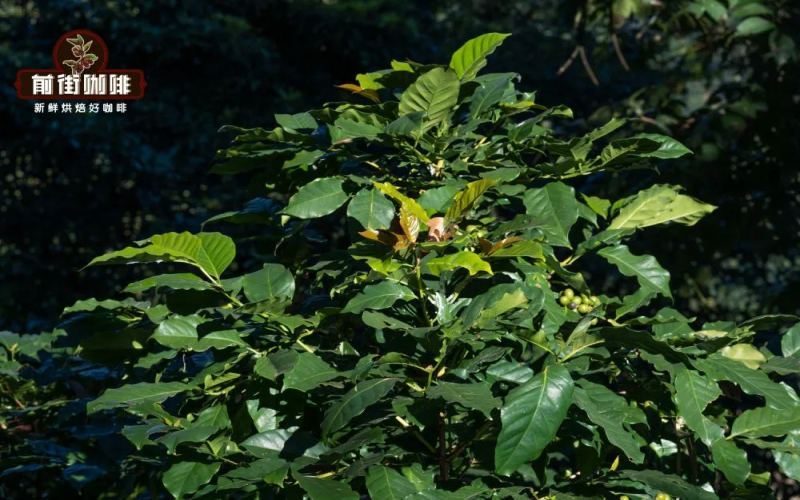
What are the characteristics of the branch spacing of the Typica coffee tree? Where exactly is the place of origin of this classic variety?
Typica is one of the oldest and most representative varieties of Arabica coffee. It not only has an elegant flavor but also quite distinctive physical characteristics, which has attracted many coffee enthusiasts to delve into its origins and traits. This article will introduce Typica in terms of its origin, the derivation of its scientific name, plant morphology, cup profile, and growing conditions. It will also discuss the cultivation challenges posed by its weak disease resistance, and why Jamaican Blue Mountain Typica has been able to evolve better disease resistance and consistent quality under its specific terroir. [more…]
Yunnan Geisha Coffee Bean Flavor Profile and Price Analysis: The Aini Estate Variety Story and Front Street Coffee Recommendation
In recent years, the Yunnan coffee-producing region has continued to expand the varieties it cultivates, from the common Typica, Bourbon, and Catimor to the Geisha introduced by Aini Estate, whose cupping performance has been surprising. This estate, located in Pu'er, welcomed more than 30 precious varieties seven years ago with the assistance of Starbucks and the Yunnan provincial government, and has now become a world coffee variety exposition garden. This article walks you through the flavor and price of Yunnan Geisha, and sorts out the characteristics of varieties such as Caturra, Catuai, Villalobos, and Regina, while retaining Front Street brand recommendations, to provide coffee enthusiasts with a guide to Yunnan coffee varieties. [more…]
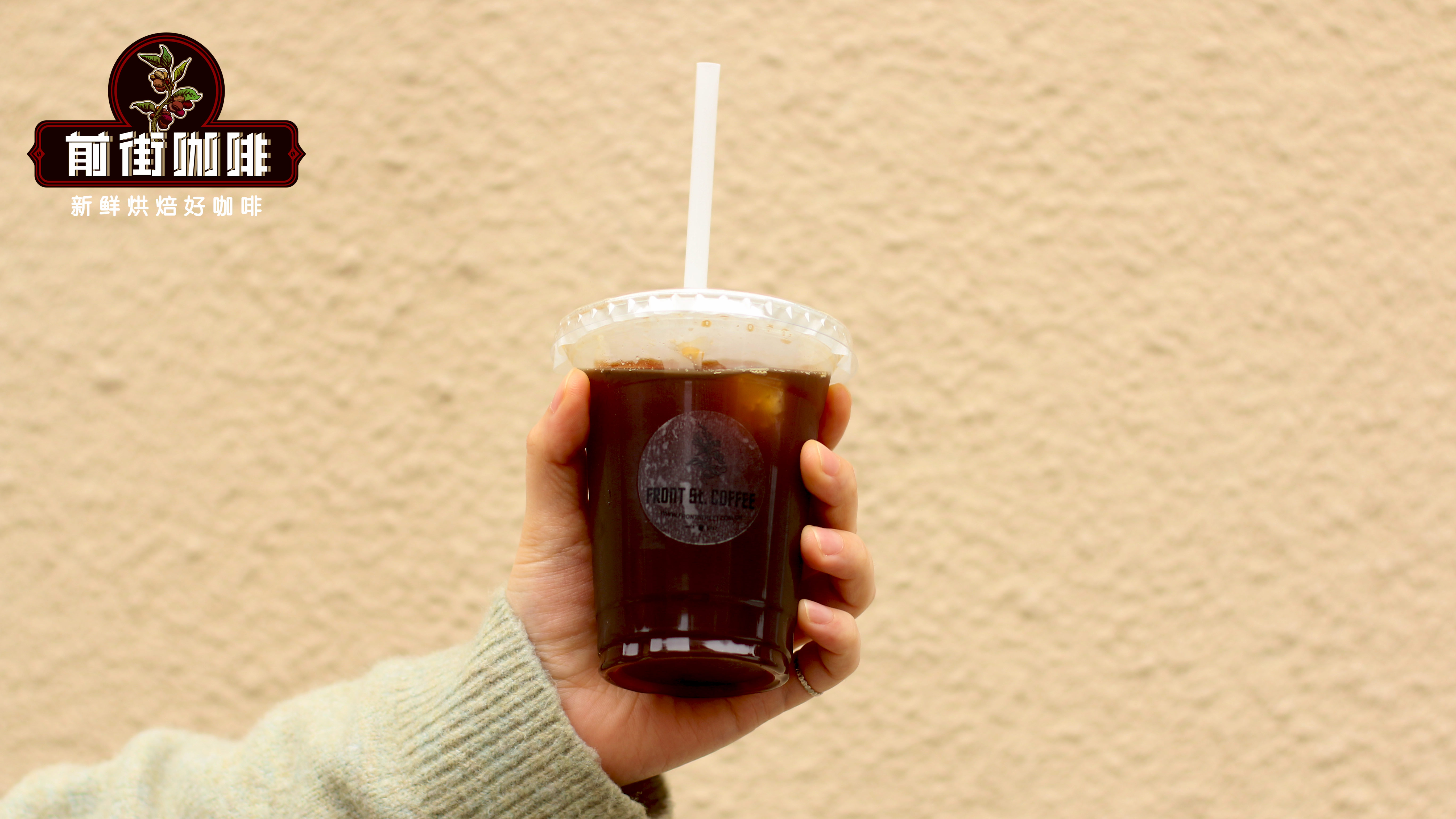
Will Americano Really Cause Addiction? Daily Consumption Limit of Iced Americano and Caffeine Intake Analysis
Americano is a drink many people can't do without in their daily lives, yet questions persist about whether it causes addiction and how many cups a day are safe to drink. From Front Street's perspective, this article systematically sorts through the origins of Americano, the factors affecting caffeine content, and the actual differences in caffeine intake across different cup sizes. The article will also detail the extraction parameters for Front Street's classic blend coffee beans, the ratios for making hot and iced Americanos, and offer recommendations on the number of cups to drink per day. Whether you're a beginner just getting to know Americano or a veteran who's used to having a cup every day, you'll find practical reference information here. [more…]
Caffeine content in Americano | Will drinking Americano make you addicted? How many iced Americanos can you drink per day at most? How to make a standard Americano at home?
Americano is a coffee drink that many people enjoy. However, many coffee lovers worry about becoming addicted to coffee or consuming too much caffeine, so they sometimes struggle with the decision of whether to drink it or not. Therefore, in this article, Front Street Coffee will explain the basics of Americano. What is Americano? " [more…]
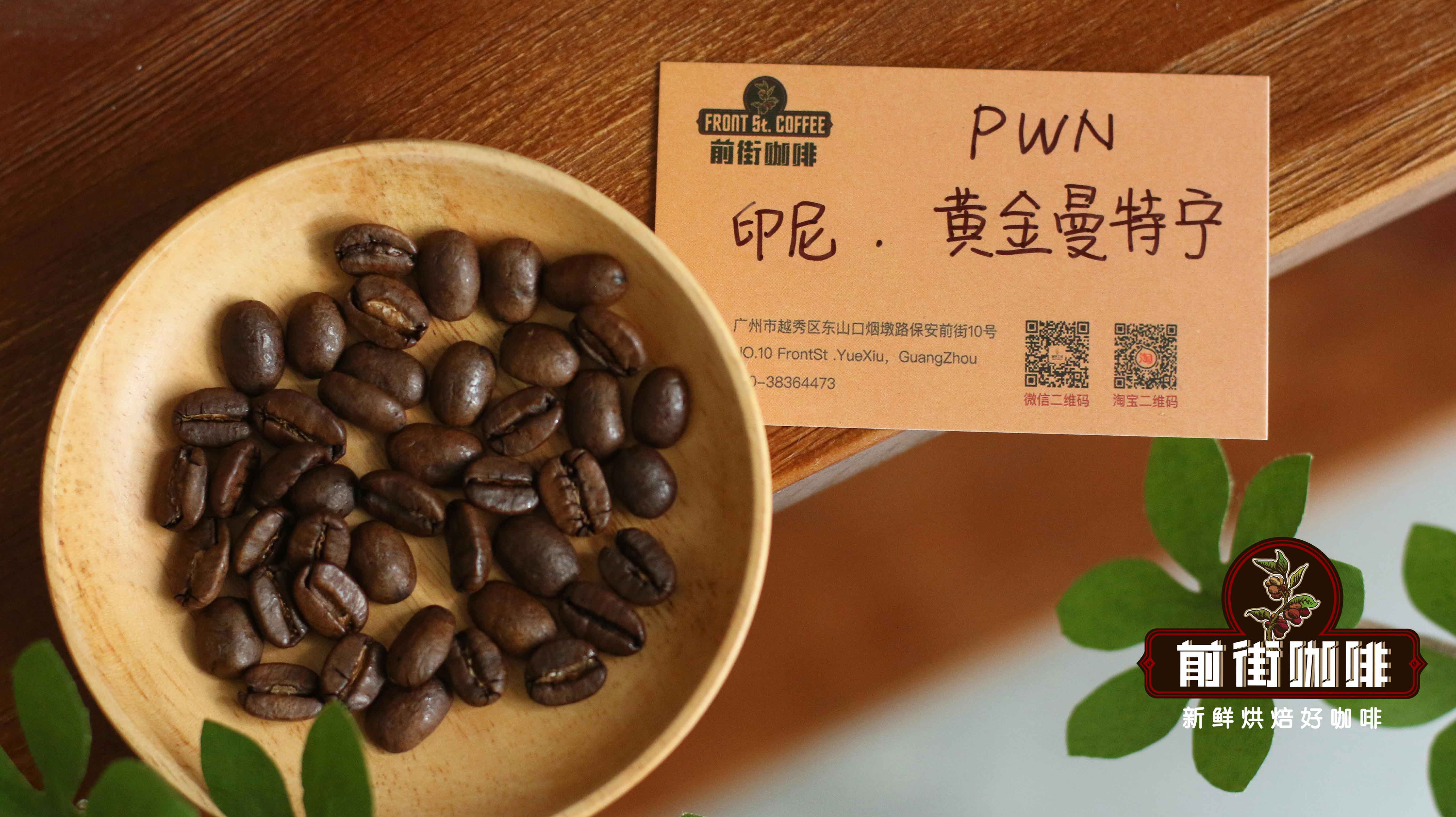
Mandehling Coffee Bean Variety Analysis: A Complete Guide to Golden Mandehling Pour-Over Parameters and Flavor Characteristics
There are many types of Mandheling coffee, and different names differ in bean variety, production region, and processing method. On Front Street Coffee's bean list, there are currently five Mandheling coffees, among which PWN Golden Mandheling uses the Ateng variety, while the other four are Typica. This article sorts out the core knowledge of Mandheling coffee one by one, from the origins of the variety, the PWN certification system, and the characteristics of the Aceh production region to the wet-hulling process, and also includes Front Street's standard pour-over recipe for Mandheling, including key parameters such as the Kono dripper, 88°C water temperature, and a 1:15 coffee-to-water ratio, helping coffee enthusiasts fully understand the flavor logic and brewing points of this classic Indonesian coffee. [more…]
How to Determine the Caffeine Content of Americano? A Full Guide to the Differences Between Iced and Hot Americano and How to Make It at Home
Americano is a drink many people can't do without in their daily lives, but coffee enthusiasts still have questions about whether it's addictive, exactly how much caffeine it contains, and whether iced or hot Americano tastes better. From the perspective of Front Street, this article systematically sorts out the definition and origins of Americano, the logic for determining caffeine content, the choice of espresso-to-water ratio, and the specific steps for making hot and iced Americanos. It also explains how to adjust the extraction plan according to the characteristics of the coffee beans, and gives a recommended daily intake limit, helping you make a consistently delicious Americano at home. [more…]
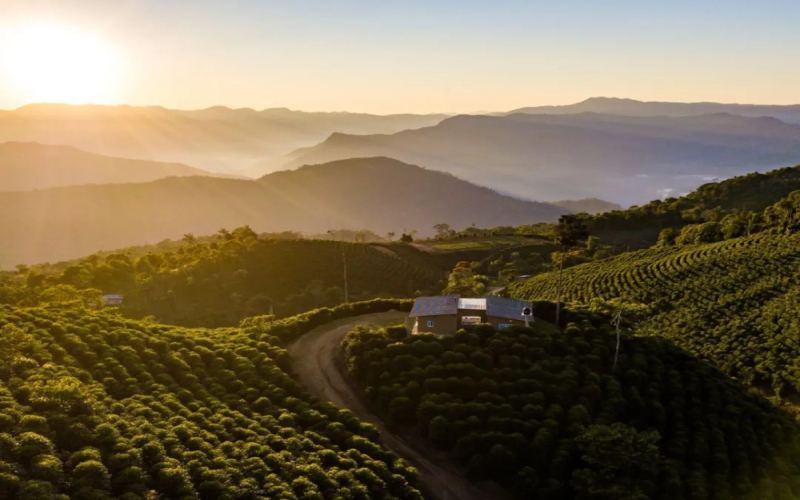
Bolivia Alasitas Estate Caturra Coffee: La Paz Region Flavor and Cocoa Natural Process Analysis
Although Bolivia is a small landlocked country in South America, its high-altitude geographical conditions give rise to specialty coffee of considerable quality. Front Street Coffee has recently launched a Caturra coffee bean from the Alasitas Estate in the Caranavi producing region of La Paz, using the local specialty cacao natural processing method. This article will examine three major dimensions—the producing region's environment, variety characteristics, and processing techniques—to sort out the flavor sources and backstory of this bean, and will include Front Street Coffee's roasting recommendations, cupping report, and brewing parameters for coffee enthusiasts' reference. [more…]
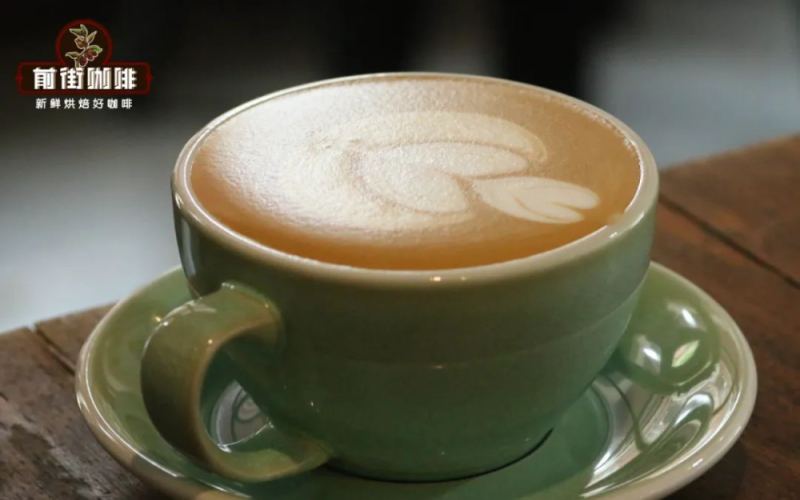
A Complete Guide to Latte: From Italian Culture to Front Street Coffee Bean Selection and Brewing Techniques
Latte originally means milk in Italian, yet today it has become one of the most popular flavored coffees in the world. This article starts with the historical origins of latte, guiding you through the cultural background of this beverage, and delves into the key elements of making a good latte—from selecting coffee beans and controlling the resting period, to the ratio of espresso to milk and the temperature control of milk foam. We will also introduce several espresso blend beans under the Front Street Coffee brand, including the Classic Blend, Black Cocoa Blend, and Strawberry Candy Espresso Blend, which are suitable for beginners, home users, and advanced enthusiasts respectively. Whether you prefer the vanilla-chocolate sweetness of a hot latte or the refreshing taste of an iced latte, you will find practical references here. [more…]
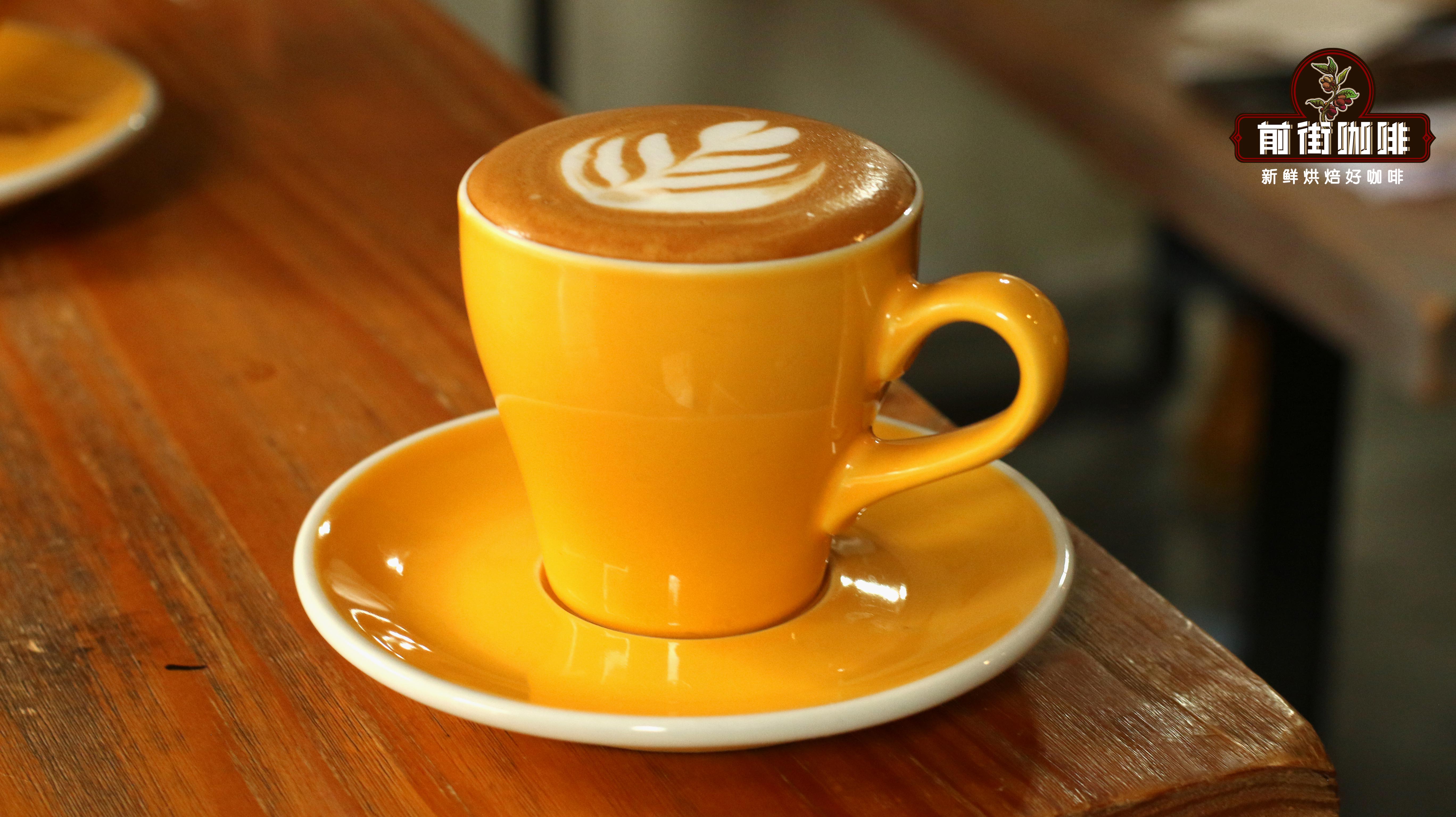
A Complete Guide to Latte: Definition, Origins, Espresso Bean Selection, Standard Ratios, and Caffeine Content
Latte is one of the most frequently ordered categories in Italian-style coffee, yet many people are unclear about its definition, the beans used, the ratios, and its caffeine content. Starting from the production practices at Front Street Coffee, this article systematically sorts out the origin of the name "latte" and its historical evolution, explains what kind of blend should be chosen for espresso, and provides suggested espresso extraction parameters and the coffee-to-milk ratio for a hot latte. It also answers how much caffeine a cup of latte contains, helping coffee enthusiasts more clearly understand and choose an Italian-style milk coffee that suits their taste. [more…]
Exploring the Development History and Flavor Characteristics of Brazilian Coffee Regions, with Recommendations for Front Street Coffee Red Bourbon and Queen's Estate Yellow Bourbon
Brazil is the world's largest coffee producer, accounting for more than thirty percent of the global market share, and any transport strike or extreme weather can move international coffee futures prices. This article traces the history of Brazilian coffee from its introduction in 1727 to the present, reviews how the American Revolutionary War, the Civil War, and the Great Depression profoundly shaped Brazil's coffee industry, and introduces each of its six major producing states, including Bahia, Espírito Santo, and Minas Gerais. It also draws on the Front Street Coffee bean list to analyze the flavor profiles, processing methods, and brewing recommendations of two representative coffees—Brazil Red Bourbon Semi-Washed and Queen's Estate Yellow Bourbon Natural—helping enthusiasts gain a comprehensive understanding of the unique charm of Brazilian coffee. [more…]
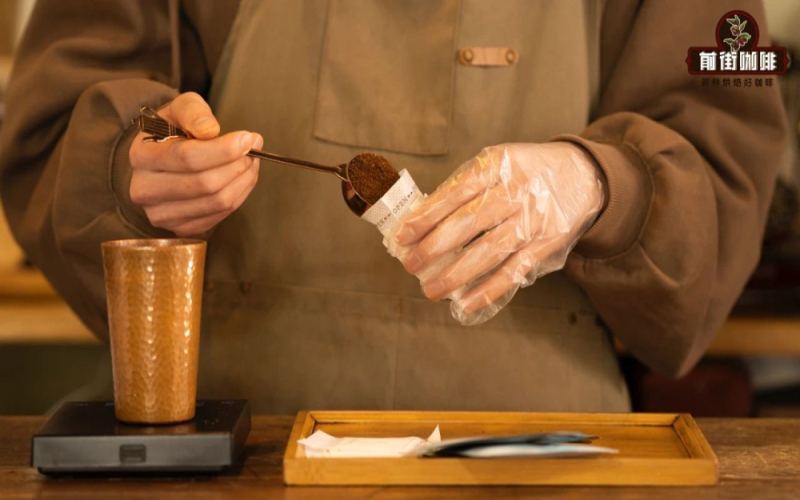
Can Drip Coffee Bags Be Reused for Multiple Brews? A Detailed Guide to Water-to-Coffee Ratios and Proper Pouring Steps
Drip bag coffee, with its combination of portability and flavor, has become the daily first choice for many coffee lovers in the workplace. However, this seemingly simple drip bag actually involves quite a few misconceptions during brewing—such as treating it like a tea bag and repeatedly steeping it, pouring water arbitrarily, and not controlling the water temperature. From the perspective of Front Street, this article systematically sorts out the essence of drip bag coffee, common brewing misconceptions, and provides a complete operation demonstration including warming the cup, pre-wetting, and pouring water. It also explains how to choose drip bag products according to personal taste and the practical reference significance of the shelf life, helping coffee enthusiasts consistently produce a delicious cup of drip bag coffee even when busy. [more…]
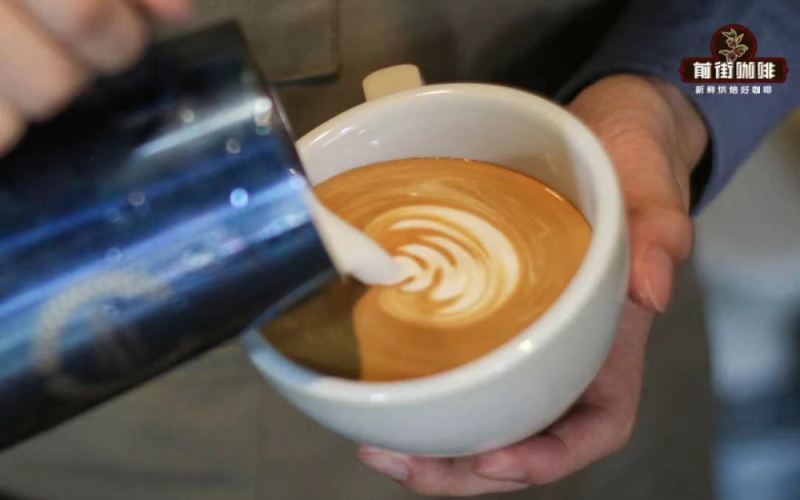
Latte Caffeine Content | What Is the Difference Between a Cappuccino and a Latte? How Can Coffee Beginners Make Latte and Cappuccino Coffee?
Front Street Coffee currently offers several types of espresso drinks, including latte, cappuccino, and mocha, with latte and cappuccino being the most frequently ordered. So what are the differences in taste and flavor characteristics between the two? How much caffeine does a cup of latte contain? Next [more…]
What's the difference between a latte and a cappuccino? A complete guide to the methods, ratios, and caffeine content of Italian milk coffees
Latte and cappuccino are the two most frequently ordered milk coffees on the Italian coffee menu. They share the same ingredients—espresso, milk, and milk foam—but their texture and ratios are quite particular. Drawing on Front Street Coffee's production experience, this article systematically sorts out the definitions of latte and cappuccino, their historical origins, the choice of espresso beans, extraction parameters, milk steaming temperature and foam thickness, as well as their respective recommended ratios and flavor performance. It also answers the common question of how much caffeine a latte contains, helping coffee lovers more clearly choose the Italian milk coffee that suits their taste. [more…]
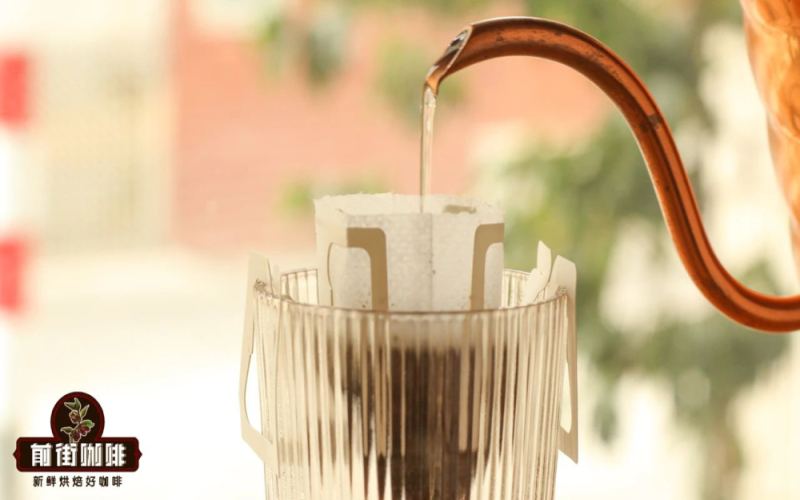
Top Ten Tasty Drip Coffee Brand Recommendations: From Yirgacheffe to Tarrazú, Front Street Coffee Helps You Choose Portable Specialty Coffee
For friends who love specialty coffee, brewing pour-over at home is certainly pleasant, but carrying equipment during commutes is inconvenient, making drip bag coffee an ideal choice that balances flavor and portability. From the perspective of Front Street Coffee, this article systematically reviews the origins and evolution of drip bag coffee, and introduces ten of the most popular drip bag coffee products one by one, covering well-known origins such as Ethiopia, Colombia, Indonesia, Panama, Brazil, Yunnan, Rwanda, and Costa Rica. Each product is labeled with origin, altitude, variety, processing method, and flavor description, helping coffee enthusiasts quickly pinpoint their preferred choice based on personal taste preferences, and easily enjoy a cup of high-quality single-origin coffee at the office or while traveling. [more…]