







What Does the Caturra Arabica Variety Taste Like?
The Alasitas Estate Caturra comes from the Caranavi region of La Paz, Bolivia, grown at 1,650 meters and processed with the local cocoa natural method. Flavor in coffee is shaped by three factors: growing environment, variety and processing method. Bolivia is landlocked and its economy lags behind neighboring producers, yet La Paz sits above 3,600 meters, the highest capital in the world, and that altitude favors quality Arabica.
La Paz is Bolivia's most recognized coffee-growing region, covering small areas such as Caranavi, Yungas and Inquisivi. This arabica variety, Caturra, responds well to that elevation. Roasting recommendations, a cupping report and brewing parameters round out the picture, giving a practical reference point for anyone comparing it against other Central and South American profiles, including a nicaragua coffee profile.
Although Bolivia is a small landlocked country in South America, its high-altitude geography gives rise to specialty coffee of remarkable quality. Front Street Coffee has recently added a Caturra coffee bean from the Alasitas estate in the Caranavi region of La Paz, processed using the local specialty cocoa natural method. This article will examine the flavor origins and background story of this bean through three dimensions: the estate environment, variety characteristics, and processing technique, along with Front Street Coffee's roasting recommendations, cupping report, and brewing parameters for coffee enthusiasts' reference.
For more specialty coffee knowledge, please follow the WeChat official account: Front Street Coffee
Bolivian coffee beans have never enjoyed particularly high visibility in the coffee world, though in recent years several standout Bolivian estate beans have entered the specialty coffee market. Front Street Coffee has recently added a Bolivian Caturra variety coffee bean, and in this article Front Street Coffee will discuss the characteristics and origins of this newly listed bean.
Front Street Coffee Bolivia Alasitas Estate Caturra Coffee Bean
Region: Bolivia, Caranavi region of La Paz
Estate: Alasitas Estate
Altitude: 1650m
Variety: Caturra
Processing Method: Cocoa Natural Process
Front Street Coffee has mentioned in previous articles that the flavor profile of a coffee bean is primarily determined by three factors: growing environment (i.e., region), coffee variety, and processing method. Next, Front Street Coffee will discuss the regional flavor story of this bean along these three dimensions.
Bolivian Coffee Growing Conditions
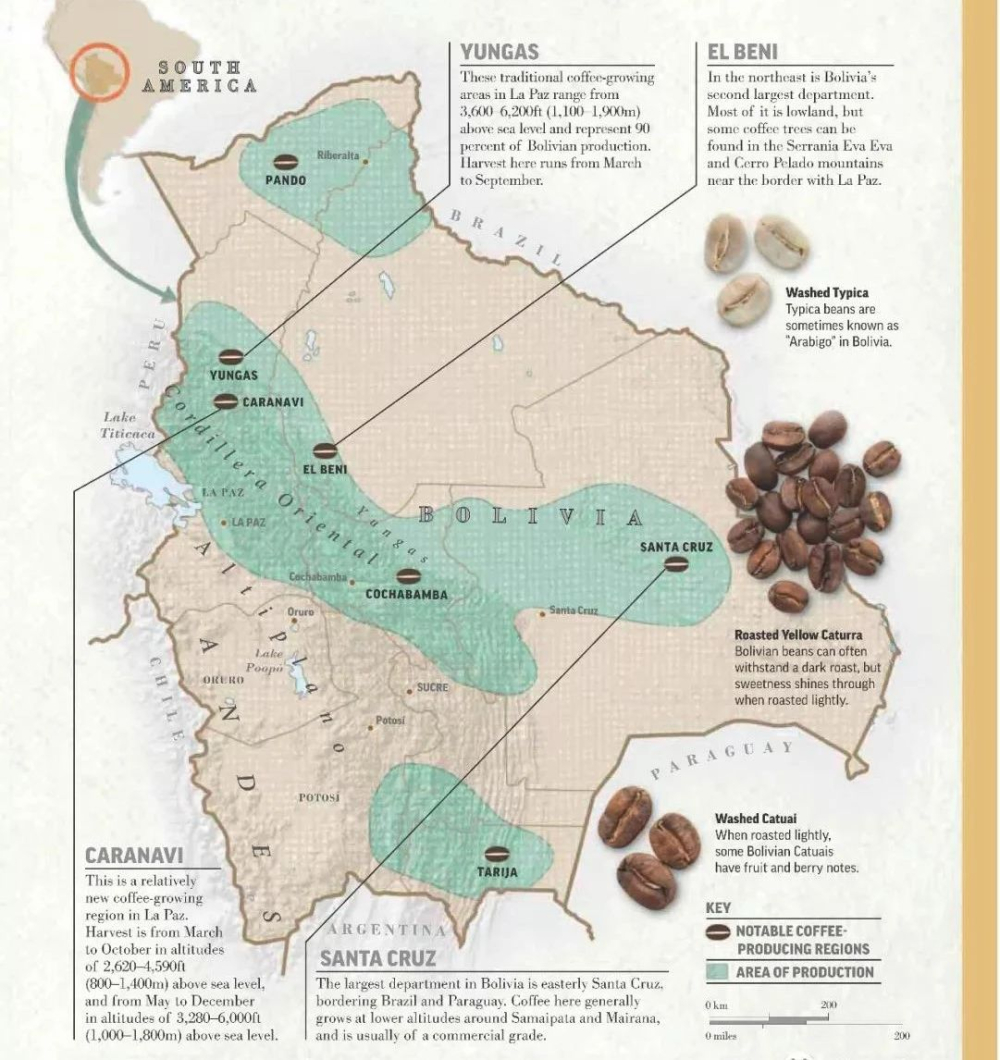
Bolivia is located in South America and is a landlocked country, bordering Brazil and Colombia. However, its economic level lags behind its neighbors, and it is even called one of the poorest coffee-producing countries in the world. According to Front Street Coffee's research, Bolivia's capital La Paz sits at an altitude of over 3,600 meters, making it the highest capital in the world—such elevation is highly favorable for growing quality Arabica coffee.
Bolivian Coffee Regions
As Front Street Coffee mentioned above, La Paz has an extremely high altitude, and this area has become Bolivia's most well-known coffee-growing region, encompassing small producing areas such as Caranavi, Yungas, and Inquisivi. The Bolivian coffee bean that Front Street Coffee has recently added comes from one of the famous estates—Alasitas Estate, located in the Caranavi micro-region.
Bolivian Estate-----Alasitas Estate
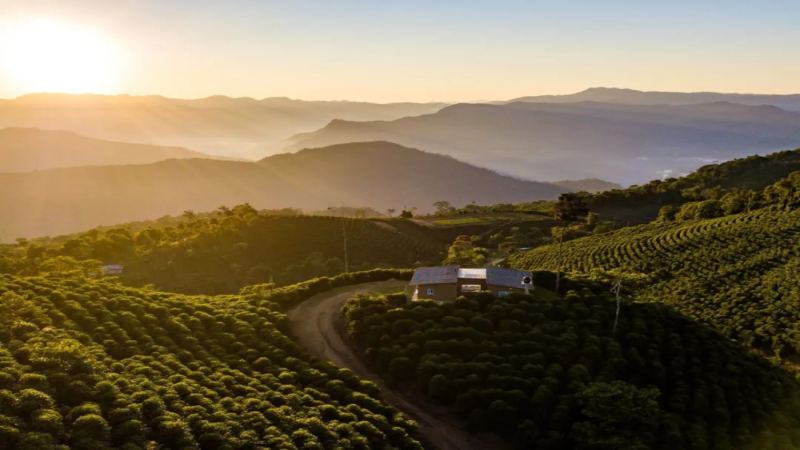
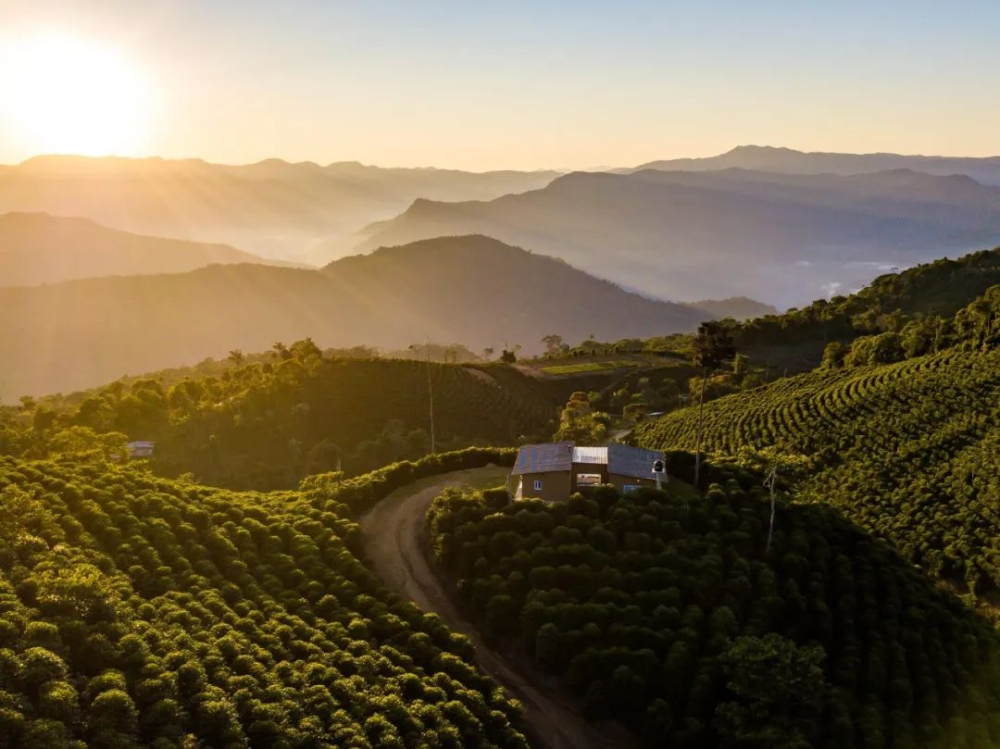
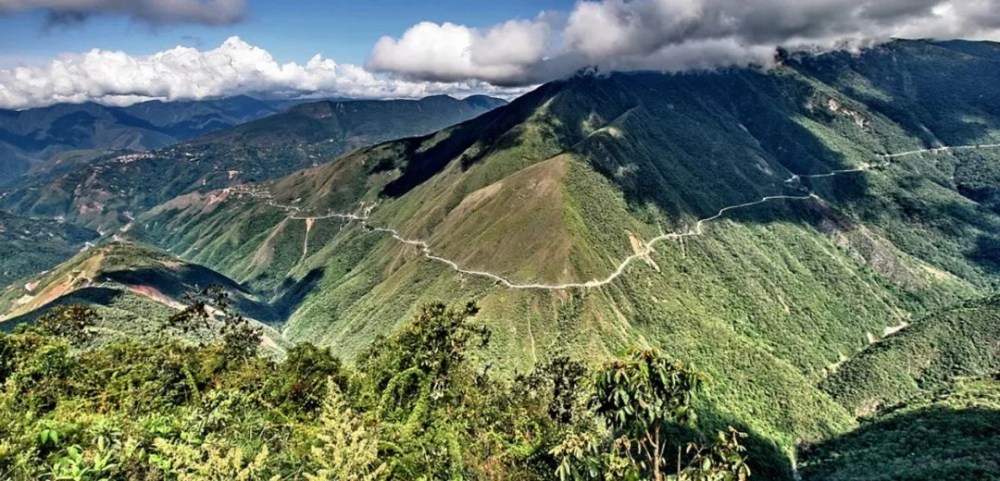
Alasitas Estate is situated in the Caranavi area, enjoying exceptional geographical conditions. This is the heart of the Amazon region, with beautiful natural scenery and rich biodiversity, highly suitable for coffee cultivation. The estate has reserved harvesting pathways between the coffee trees, arranged in neat circular lines; viewed from above, the entire estate resembles a fingerprint pattern.
The estate's name comes from Bolivia's grand "Alasitas" festival, a word that translates to "buy me." This festival was the prototype of Bolivia's early markets, where indigenous people traded through barter. According to Front Street Coffee's research, this estate belongs to the Rodriguez family (Finca Los Rodriguez), promoters of Bolivian specialty coffee. They place great importance on coffee bean quality and are committed to helping coffee farmers improve coffee quality and thereby increase their income, which gave rise to the "Sol de Mañana" (Tomorrow's Sun) program.
The Rodriguez family provides comprehensive technical support in seed selection, cultivation, and harvesting, while also building large processing facilities to help smallholders complete processing, along with supporting sales and export services, significantly boosting smallholders' motivation and income. Through concrete actions, they have supported Bolivia's sharply declining specialty coffee industry. This is one of the reasons Front Street Coffee decided to add this coffee bean.
Caturra Variety Coffee Bean
As Front Street Coffee mentioned earlier, this bean from Alasitas Estate belongs to the Caturra variety. Caturra is a natural mutation derived from the Arabica variety Bourbon, discovered in Brazil in 1937, with a smaller tree size than Bourbon. Because of its Bourbon lineage, its disease resistance is relatively weak, but its yield is higher than Bourbon. Although discovered in Brazil, Caturra does not adapt well to Brazil's environment, so it was not widely planted there; instead, it became widely popular in Central and South America, with large-scale cultivation in Colombia, Costa Rica, and Nicaragua.
Caturra berries are typically red, but a very few regions produce yellow Caturra, such as Hawaii where a small amount of yellow Caturra is grown. According to Front Street Coffee's observations, Caturra variety coffee beans have a slightly curved shape at the tail end, with roundness and elongated form being its distinctive characteristics.
Cocoa Natural Processing Method
The Bolivian coffee bean that Front Street Coffee has introduced uses the country's most commonly used cocoa natural processing method. This processing method requires that coffee cherries must be harvested during the harvest season and carefully selected.
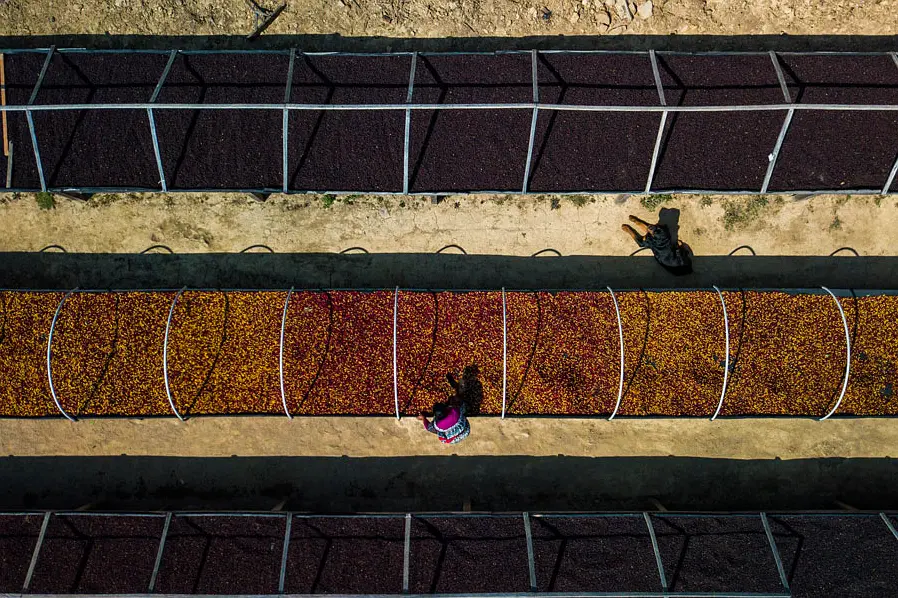
Pickers must also be trained to select only ripe coffee cherries. They harvest in batches during the picking season to ensure the cherries are at optimal ripeness. The harvested cherries are loaded in crates to avoid damage during transport, while maintaining air circulation to prevent unnecessary early fermentation.
Cocoa Natural Processing Method Procedure
This processing method first involves sorting and weighing the coffee cherries, then carefully washing them and drying them on raised African beds, turning them once per hour. After about a week, the cherries are placed in a cocoa dryer. The coffee beans are kept at a temperature not exceeding 40 degrees Celsius in large steel drums for about 35 hours, turned every 30 minutes. After drying is complete, the estate uses machinery for fine hulling and grading, and additionally requires manual sorting under ultraviolet and natural light.
The above is Front Street Coffee's compilation of information regarding the regional flavor characteristics of Bolivian Alasitas Estate coffee beans. Before deciding to add this bean, Front Street Coffee also conducted extensive roasting, cupping, and brewing tests, striving to present the most stable and high-quality flavor to coffee enthusiast friends. Next, Front Street Coffee will share the relevant parameters.
Front Street Coffee Roasting Recommendations
Charge at 160°C, heat power 120, damper opened to 3; turning point at 1'32", when the drum temperature reaches 140°C open the damper to 4, heat power unchanged; when the drum temperature reaches 154°C the bean surface turns yellow, the grassy smell completely disappears, entering the dehydration stage; at 8'30", the bean surface shows ugly wrinkles and dark patches, and the toasted bread smell clearly transitions to coffee aroma, which can be defined as the prelude to first crack.
When the drum temperature reaches 180°C, reduce heat power to 70; at this point, listen carefully for the sound of first crack, which begins at 9'52", and adjust the damper to 5. When the drum temperature reaches 188°C, reduce heat power to 50; after first crack, develop for 2'10", and drop at 196°C.
Front Street Coffee Cupping Report
Dry Aroma: Sugarcane, Cocoa
Wet Aroma: Fermented acidity
Brewing Flavor: Fermented acidity, grape juice, raisins, rich aroma, smooth mouthfeel.
Front Street Coffee Brewing Notes
Dripper: Hario v60
Dose: 15g
Coffee-to-water ratio: 1:15
Grind size: Medium-fine grind (76% passing through a No. 20 standard sieve)
Brewing water temperature: 90°C
Brewing method: Pulse pouring.
First, pour 30g of water for a 30s bloom, during which the coffee expands into a "hamburger" shape. For the second pour, pour 125g of water in small circles from the center. Keep the pouring height at 4cm, use a gentle force to minimize the turbulence of the coffee bed, and maintain a flow rate of 4g per second. When the water level drops to half of the coffee bed, begin the third pour, also gently circling from the center outward until reaching 225g to finish pouring. Once all the coffee liquid has dripped through the dripper, the extraction is complete, with a total time of 2'01". After extraction is complete, gently swirl to ensure the coffee liquid is fully uniform before tasting.
The above content is compiled by CoffeeHunters, a coffee news website.


