In the history of coffee cultivation, if only one disease could be recorded, it would have to be leaf rust. This plant plague caused by a fungus once destroyed the entire coffee industry of Ceylon in the nineteenth century, and then spread to almost every producing region in the world over the following hundred-plus years, profoundly rewriting the variety landscape and trade patterns of coffee. It remains to this day a sword hanging over the heads of tens of millions of coffee farmers.
What Is Leaf Rust
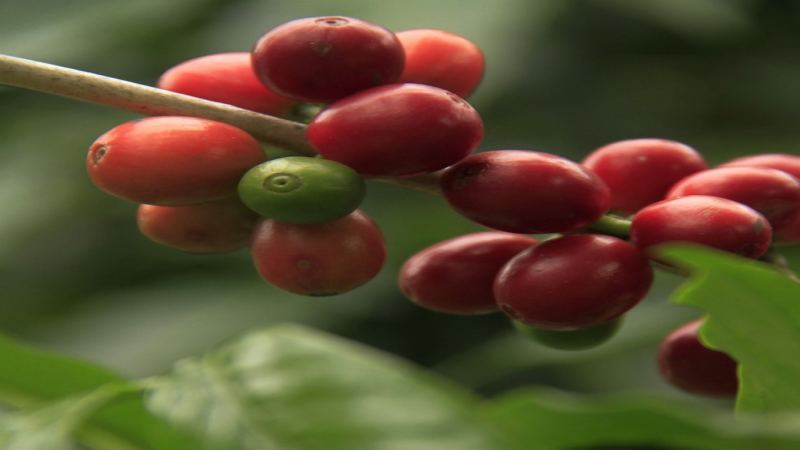
Leaf rust is caused by the fungus Hemileia vastatrix. The spores spread through wind and rain, attach to the underside of coffee leaves, and form orange-yellow powdery rust spots, as if the leaves have rusted. The fungus destroys the leaves' ability to photosynthesize. In mild cases, it causes defoliation and reduced yields; in severe cases, it kills the entire tree. The rust fungus thrives in warm, humid environments, and outbreaks are especially likely in low-altitude, densely planted plots with excessive shade.
The Fall of Ceylon and the Migration of the Industry
The documented devastation of leaf rust began in nineteenth-century Ceylon (present-day Sri Lanka). At the time, Ceylon was a major global coffee producer. Within a few years, rust swept across plantations on the entire island, coffee production plummeted, and estate owners were forced to cut down their coffee trees and switch to tea—which is also the historical reason Sri Lanka is known for black tea today. This plague also drove the shift of coffee cultivation toward Latin America and Africa. It could be said that the prototype of today's coffee-producing regions bears the mark of leaf rust.
The Era of Disease-Resistant Variety Breeding
In the face of rust, countries embarked on the path of breeding resistant varieties. Portugal's coffee research institute used the resistance genes of Timor to develop resistant varieties such as the Catimor lines and Sarchimor lines, which had high yields and strong resistance and were quickly promoted in Latin America. But the introduction of resistance genes often came with controversy over flavor, and many devotees of old-school varieties considered Catimor flat in the cup. By contrast, traditional varieties such as Typica, Bourbon, and Geisha have outstanding flavor but are highly susceptible to disease and also low-yielding. The trade-off between disease resistance and flavor became a long-term dilemma for producing regions and estates.
Genetic Diversity: A Natural Line of Defense
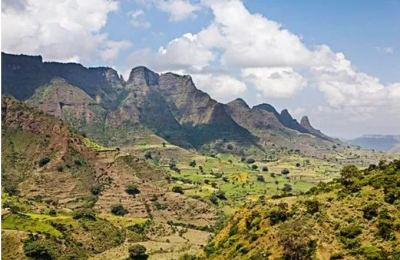
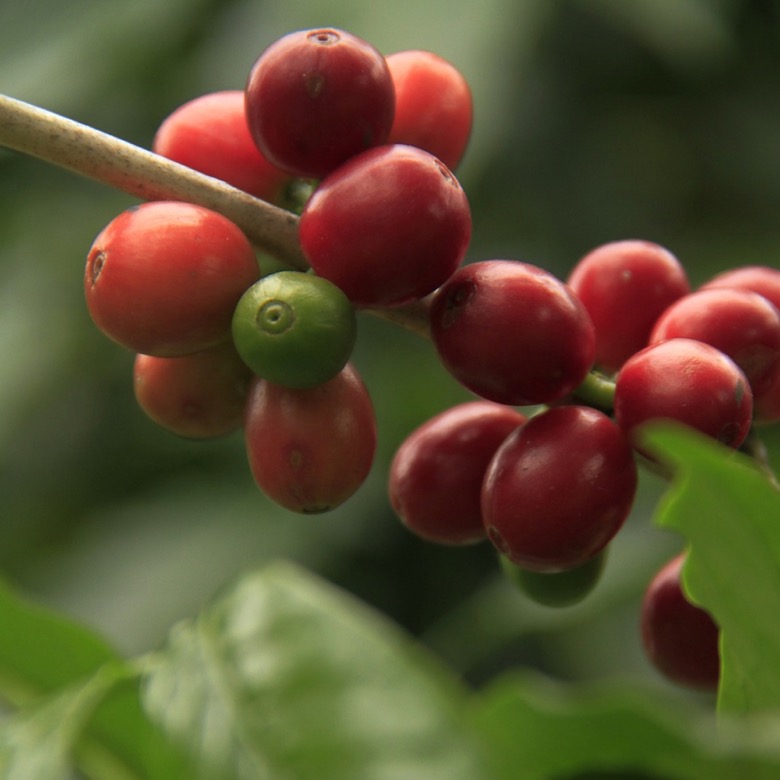
Planting a single variety over large areas is like opening the door to disease, whereas primary forests with diverse genetics serve as a natural buffer zone. The Kafa forest in southwestern Ethiopia, as the native birthplace of Arabica, preserves thousands of wild Arabica genetic mother trees. Front Street Coffee's Kafa Forest coffee beans come precisely from this UNESCO-recognized biosphere reserve and are the product of a blend of multiple native landrace varieties. Such a germplasm resource bank not only nurtures unique flavors but also provides the world's breeding programs with a genetic reserve for coping with future diseases, and its value far exceeds a single cup of coffee.
From the tragedy of Ceylon to today's disease-resistant breeding, leaf rust reminds people that the prosperity of the coffee industry is built on a fragile ecological balance. The next time you pick up a cup of coffee with rich layers of flavor, that cup also contains the story of more than a hundred years of struggle between coffee farmers and a pathogen.
The above content is compiled by CoffeeHunters, a coffee news website.