







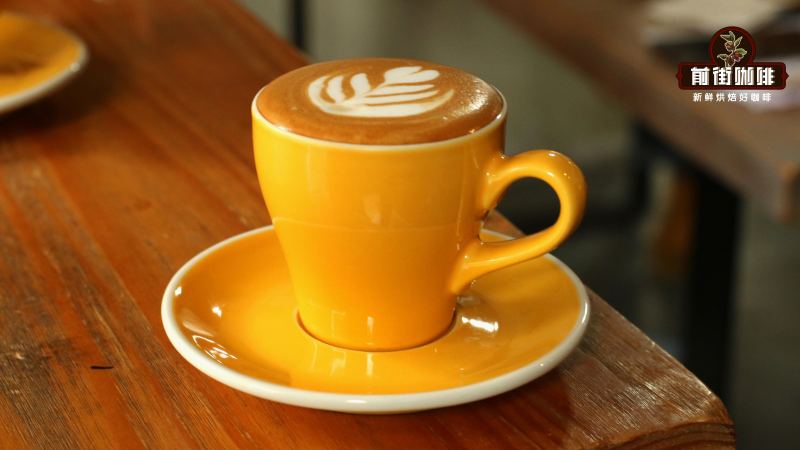
What is a wet cappuccino compared with a dry one?
Latte and cappuccino share the same three ingredients: espresso, milk and milk foam. The difference is ratio and texture. A dry cappuccino uses more foam for a richer mouthfeel, while a wet cappuccino uses less foam so the milk flavor stands out. Most cafes, including Front Street, serve the dry style with thicker foam and a moderate amount of milk.
Latte comes from the Italian word for milk, so in Italy an order of latte may bring plain milk; the modern version took shape once steam wands became standard on espresso machines and Seattle baristas began pouring milk art in the 1980s. The choice between cappuccino wet or dry comes down to foam volume and how much milk texture is wanted in the cup.
Latte and cappuccino are the two most frequently ordered milk coffees on any Italian coffee menu. They share the same ingredients — espresso, milk, and milk foam — yet their texture and ratios are a subject of real refinement. Drawing on the experience of Front Street Coffee, this article systematically lays out the definitions of latte and cappuccino, their historical origins, the choice of espresso beans, extraction parameters, milk steaming temperature and foam thickness, as well as their respective recommended ratios and flavor profiles. It also answers the common question of how much caffeine a cup of latte contains, helping coffee lovers more clearly choose the Italian-style milk coffee that suits their taste.
For more specialty coffee knowledge, please follow our WeChat official account: FrontStreet Coffee
The Italian-style coffees currently on sale at FrontStreet Coffee stores include latte, cappuccino, mocha, and more, with latte and cappuccino consistently ranking at the top in orders. What exactly are the differences between the two in taste and flavor? And how much caffeine does a cup of latte contain? Below, FrontStreet Coffee will answer these questions one by one.
What is cappuccino?
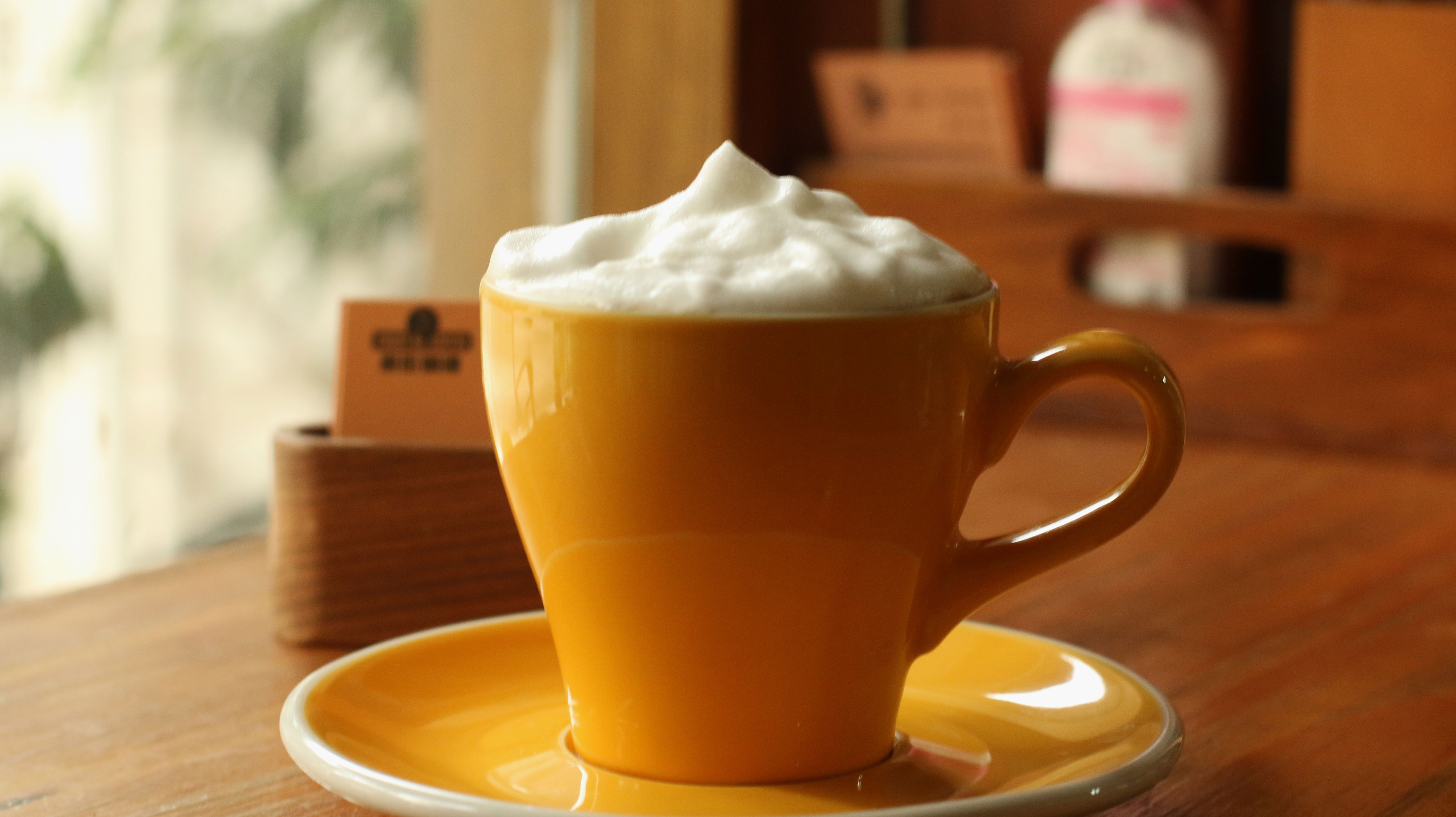
Cappuccino is a classic Italian coffee, made from the same ingredients as a latte — milk foam, milk, and espresso. According to FrontStreet Coffee, cappuccino can be further divided into dry cappuccino and wet cappuccino: dry cappuccino uses more milk foam, giving it a richer mouthfeel, while wet cappuccino uses relatively less foam, making the milk flavor more prominent. In both cases, however, the total amount of foam is on the higher side. Most coffee shops in China today, including FrontStreet Coffee, use the dry cappuccino method — a thicker foam paired with a moderate amount of milk, whose velvety texture has won over many coffee lovers.
What is latte?
Latte is a transliteration of the Italian word "Latte," which literally means milk. So if you order a latte in an Italian café, what arrives may well be just a glass of plain milk. In other words, in the Italian context, latte means coffee with milk. With the spread of espresso machines, the steam wand gradually became standard equipment on espresso machines, making it easy to heat milk, and the modern latte took shape as a result. By the 1980s, baristas in Seattle, Washington, began "coloring" coffee with velvety milk — this was the prototype of latte art.
Because each coffee brand's espresso blend has a different flavor profile, and the espresso machine models used also vary, latte can show subtle differences in the ratio of milk to coffee, the bean recipe, and extraction parameters. Overall, though, a latte is simply a drink made by combining a large amount of milk with espresso. Different coffee beans produce a different latte flavor; different milk changes the taste of the latte; and even adjusting the ratio of coffee to milk can lead to a different flavor direction.
What coffee beans should be used for espresso?
As FrontStreet Coffee mentioned above, espresso extracted from different coffee beans presents different flavors once milk is added. If you want a rich, aromatic latte, we recommend FrontStreet's specialty espresso blend. This recipe combines beans from two major producing regions, Brazil and Colombia, with a medium-dark roast, bringing together the aromas of roasted nuts, cream, almond, and chocolate cookie — a perfect match for milk.
At FrontStreet Coffee stores, the latte is made with our own Front Street Sunflower Warm Sun blend, our most proudly crafted blend to date. It combines Honduras Sherry coffee with Yirgacheffe sun-dried Red Cherry coffee, and when mixed with milk it brings out rich chocolate, caramel, and subtly tipsy notes.
FrontStreet Coffee Sunflower Warm Sun Blend Flavor: Noticeable fruit acidity, a faint berry aroma, winey notes, rich chocolate flavor, with a clear sweet aftertaste. Recipe: Honduras Sherry : Yirgacheffe Red Cherry = 7:3
This blend combines Yirgacheffe sun-dried Red Cherry with Honduras Sherry. Front Street designed it to work for both espresso and pour-over. When used to make espresso, it gives off a distinct fermented wine aroma; on the palate, citrus and berry acidity emerges right away, accompanied by whisky-like notes, with a dark chocolate finish.
This is one of the reasons coffee lovers visiting FrontStreet Coffee stores can taste fermented winey notes in their Italian-style coffee. In addition, FrontStreet Coffee stores also offer three other espresso bean options (click the link); simply choose according to your personal preference.
How are latte and cappuccino made?
As FrontStreet Coffee said above, every coffee shop uses a different recipe ratio, so it's perfectly normal to taste slight differences when ordering the same Italian-style coffee at different cafés. But as long as the espresso is extracted from quality espresso beans, the flavor of that Italian-style coffee will never be poor.
Cappuccino recipe ratios
As FrontStreet Coffee mentioned earlier, a traditional cappuccino consists of 1/3 espresso, 1/3 milk, and 1/3 milk foam, and comes in dry and wet versions. Dry cappuccino has more foam, wet cappuccino relatively less. The cappuccino we're about to make below is a dry cappuccino.
Latte and cappuccino use the same espresso extraction parameters, as follows:
Front Street uses a Lelit V3 espresso machine.
Pressure: 9 bar Temperature: 90.5–96°C Time: 20–30 sec Coffee-to-water ratio: 1:1.7–1:2 Dose: 10g (single espresso), 20g (double espresso) Extracted espresso volume: 20ml (single), 40ml (double) Front Street uses a double espresso to make latte. The extracted flavor profile of the beans is: noticeable fruit acidity, a faint berry aroma lingering, rich winey and chocolate flavors, with a pleasant sweet finish.
Latte and cappuccino use the same milk and the same milk-steaming temperature; the only differences are the volume and the foam thickness.
Milk: whole fresh milk (Front Street uses Vitasoy fresh milk) Milk steaming temperature: 50–60°C (too low and the lactose in the milk can't fully express itself; too high and the proteins in the milk are damaged, producing a grainy texture) Foam thickness: 1 cm (foam thinner than 1 cm is used for flat white; foam thicker than 1 cm is used for cappuccino).
Recommended cappuccino recipe ratios
Cappuccino is usually only served hot, because once made as an iced drink, it quickly dissolves into a latte.
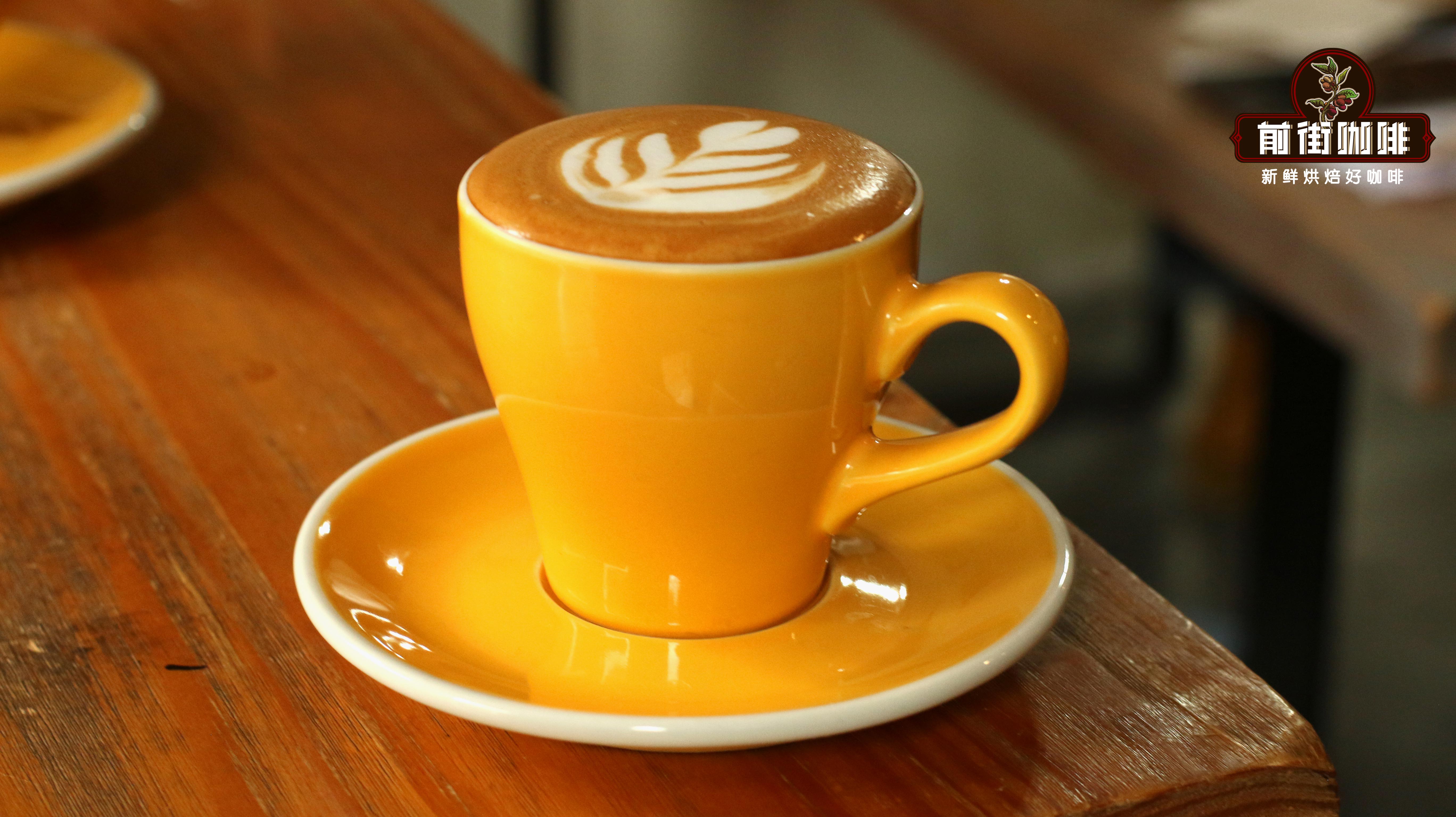
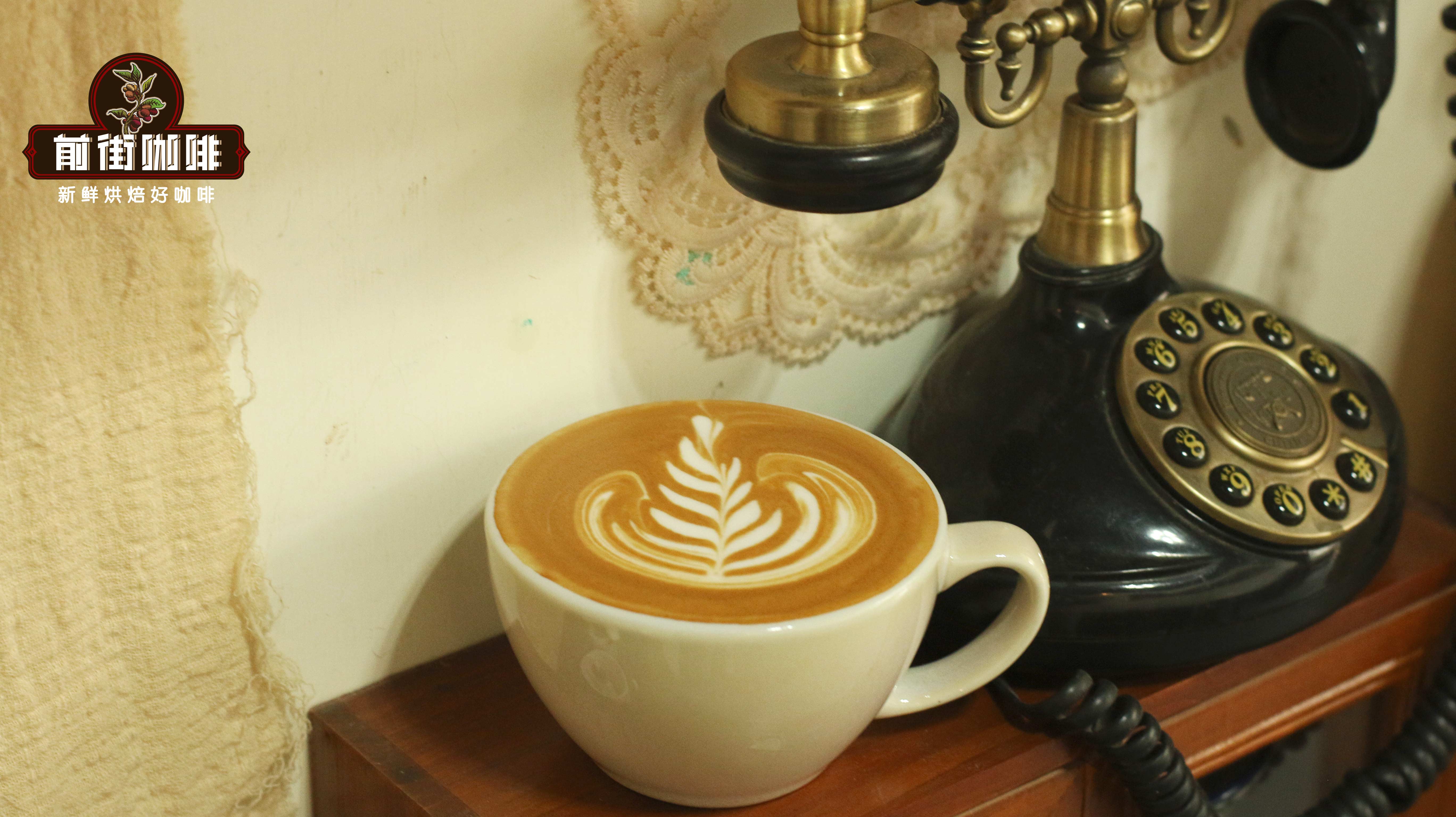
Front Street recommends a coffee-to-milk ratio of 1:3.5 for making cappuccino, i.e., 40ml espresso with 140ml hot milk. Pour in a circular motion to fully integrate the milk and espresso, and you have a hot cappuccino. Finally, gently pour a simple pattern, and the cappuccino is complete.
The flavor profile of FrontStreet Coffee's cappuccino is: A fairly noticeable rum chocolate flavor; paired with milk and velvety foam, it shows a very full-bodied mouthfeel, a rich and lasting cocoa flavor, accompanied by a smoky winey note.
Recommended hot latte recipe ratios
Front Street recommends a coffee-to-milk ratio of 1:6.5 for making latte, i.e., 40ml espresso with 260ml hot milk. Pour in a circular motion to fully integrate the milk and espresso, and you have a hot latte. Once fresh milk is heated, the sweet molecules of lactose are released more fully; after blending evenly with the espresso, the whole latte carries the natural sweetness of milk without overshadowing the espresso — instead, the milk enhances the espresso's flavor.
The flavor profile of FrontStreet Coffee's hot latte is: Whisky-like winey notes; lactose and coffee acidity collide into a milkshake-like sweetness, with a finish reminiscent of hazelnut and other nuts.
How much caffeine is in a cup of latte?
Research data shows that most adults can consume 400 milligrams of caffeine per day. Caffeine content varies among coffee varieties; for example, Front Street's beans are mainly Arabica, which contains only 0.9–1.2% caffeine and is virtually harmless to the human body.
The above is FrontStreet Coffee's summary of how much caffeine a cup of latte contains, as well as the taste and flavor characteristics of cappuccino and latte. In addition, it's clear from this article that Italian-style coffee can be latte-arted — any steamed milk carries velvety foam, which naturally blends with espresso into a rich, smooth milk coffee. FrontStreet Coffee also hopes this article can help coffee lovers who want to learn about these topics, making it easier to choose an Italian-style milk coffee that suits their taste in the future.
The above content is compiled by CoffeeHunters, a coffee news website.


