







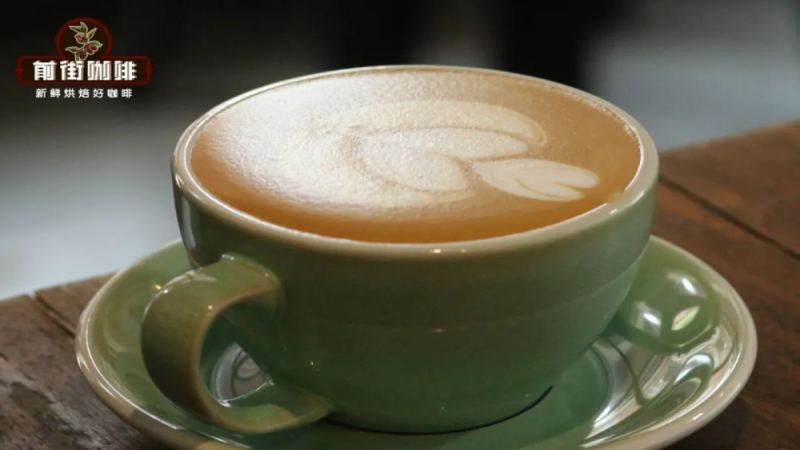
Where does latte origin come from and what goes into the cup?
Latte is the Italian word for milk, so ordering a latte in Italy gets you a glass of milk, not coffee. The drink known today as latte coffee is espresso mixed with milk. Its prototype appeared in Vienna, where coffee was already popular in the 17th century, and legend credits beans left after a Turkish retreat with supplying the city's first café.
Because a latte is only espresso plus milk, bean quality and fresh milk set the ceiling on the final result, with beans steering the flavor direction. When selecting espresso beans, match them to taste and daily use; beginners might try a medium-dark blend combining Indonesian, Brazilian and Vietnamese beans. Milk texturing and the espresso-to-milk ratio also matter, whether the goal is a hot vanilla latte or an iced version.
Latte originally means milk in Italian, yet today it has become one of the most popular specialty coffee drinks worldwide. This article begins with the historical origins of latte, guiding you through the cultural background of this beverage, and delves into the key elements of making a good latte—from selecting coffee beans and managing the resting period, to the ratio of espresso to milk and the temperature control of milk foam. We will also introduce several espresso blend beans under the Front Street Coffee brand, including the Classic Blend, Dark Cocoa Blend, and Strawberry Candy Espresso Blend, suitable for beginners, home users, and advanced enthusiasts respectively. Whether you prefer the vanilla-chocolate sweetness of a hot latte or the refreshing taste of an iced latte, you will find practical references here.
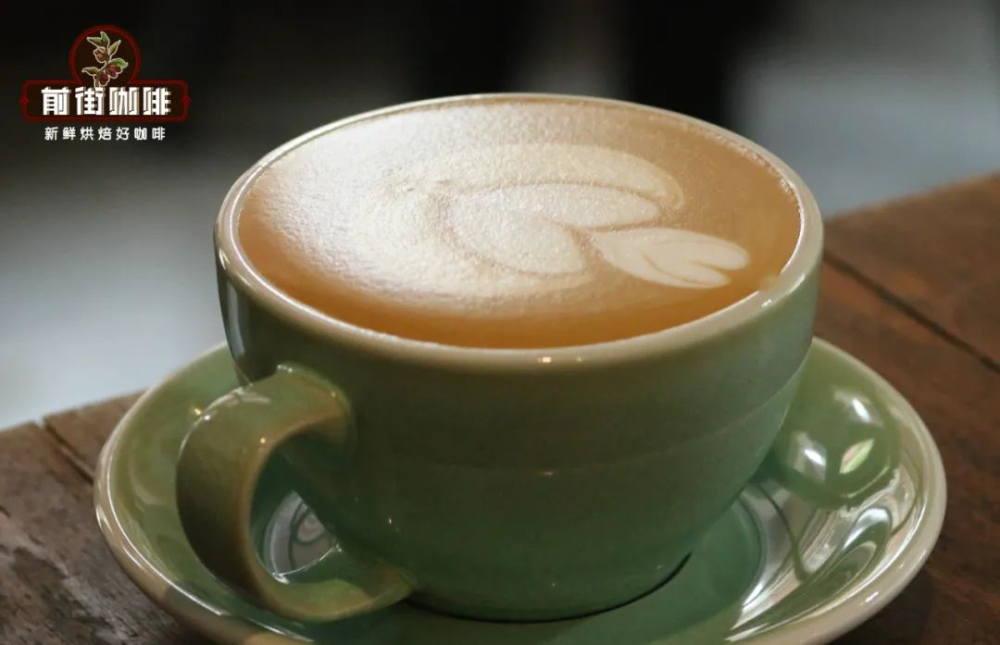
In Italy, if you walk into a café and order a "latte," what you get is just plain milk, because the word itself means milk. What we now commonly call latte coffee is actually a specialty coffee made by mixing espresso with milk.
The name latte comes from the transliteration of the Italian word Latte. Its earliest prototype appeared in the music capital Vienna—where coffee drinking became popular as early as the 17th century. Legend has it that after the Turkish army failed to attack Vienna and retreated in a hurry, they left behind 500 bags of coffee beans, which became the raw material for Vienna's first café (the Blue Bottle). To cater to European taste preferences, the shop filtered out the coffee grounds and poured in a large amount of milk, transforming the originally bitter black coffee into something smooth and sweet. The Viennese quickly fell in love with this way of drinking it, and milk coffee spread across the world from there.
The composition of latte coffee is not complicated—it is just espresso plus milk—so the quality of the coffee beans and fresh milk directly determines the ceiling of the final product. Coffee beans are especially key, as they dictate the flavor direction of the entire latte. When purchasing, you can choose suitable espresso beans based on your own taste preferences and practical needs:
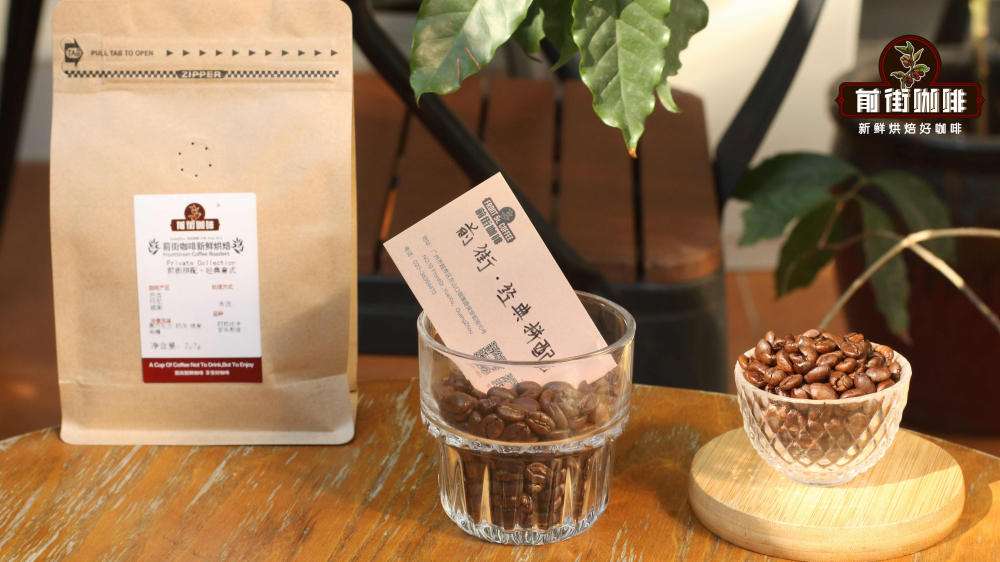
For those just getting into espresso, you can try Front Street Coffee Classic Blend. This coffee combines beans from three producing regions—Indonesia, Brazil, and Vietnam—with a medium-dark roast. The extracted espresso has a strong body, prominent caramel aroma, and rich crema. Made into an Americano, you can taste a cocoa-like roasted aroma with a slightly bittersweet aftertaste; made into a latte, it is rich yet balanced, with an overall style that fits the traditional Italian espresso profile.
Front Street Coffee Dark Cocoa Blend is a moka pot bean recommended by many baristas. This product prioritizes cost control while ensuring stability during brewing, so it pairs Yunnan arabica with Brazilian Red Bourbon. The espresso's flavor consistently revolves around softer notes like nuts, chocolate, and plum, making it very suitable for home users' daily use.
For coffee enthusiasts with some experience, Front Street Coffee Strawberry Candy Espresso Blend is a great choice for advancing. This coffee includes Costa Rican honey-processed beans that carry natural sweetness. To create an espresso recipe with fuller fruit aromas, Front Street Coffee added Colombian Huila and Ethiopian Yirgacheffe. The resulting Strawberry Candy espresso has moderate crema and layers of rose, grape, and dried blueberry flavors.
After choosing the beans, the resting period is equally important. A customer once reported that after buying Front Street Coffee espresso beans, they couldn't reproduce the taste they had in the shop at home—the reason was that the beans were too fresh and the flavors hadn't been released yet. A few days later, the customer reported that they could extract the expected flavor. According to Front Street Coffee's production testing, espresso beans reach their best flavor after resting for about 10 to 14 days, with a peak flavor period of roughly 50 days.
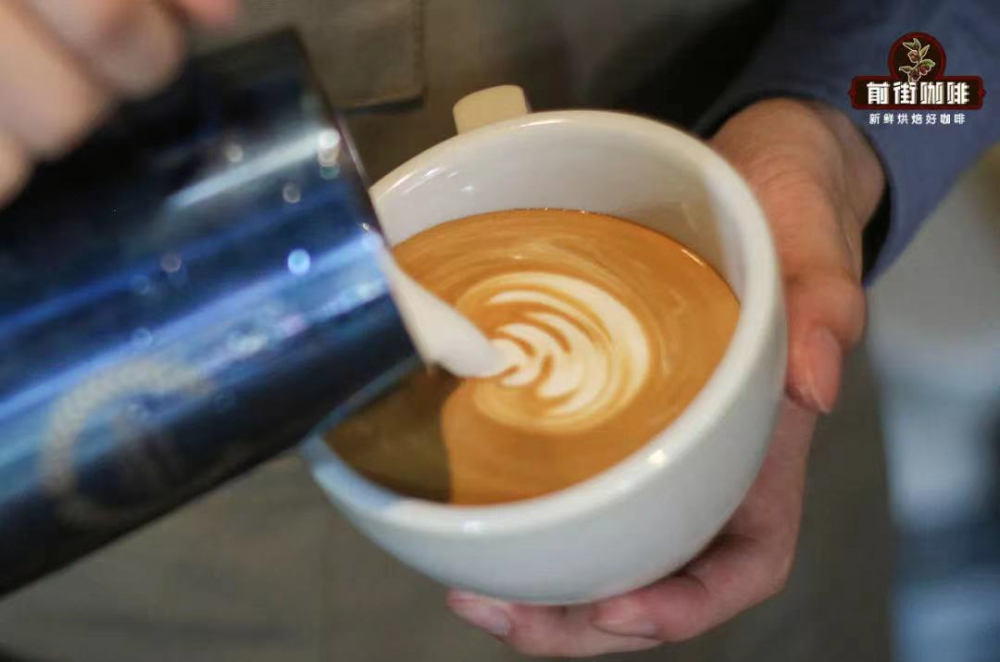
There is no fixed powder-to-liquid ratio or coffee-to-milk ratio for making a latte; the common range is between 1:5 and 1:8. Front Street Coffee uses a ratio of 1:6, meaning 40 grams of espresso liquid paired with 240 grams of milk. When making a hot latte, Front Street Coffee first pours the espresso into a preheated cup, then uses the espresso machine's steam wand to froth the milk, controlling the milk temperature between 55 and 65 degrees Celsius to create dense, moderately thick milk foam, which is then fully integrated with the coffee liquid. The final latte art is the icing on the cake.
Latte art makes lattes more visually appealing and encourages more people to try them. Some friends initially started drinking lattes just because they wanted to see beautiful latte art patterns, and gradually went from rarely drinking coffee to becoming coffee enthusiasts. Front Street Coffee's hot latte has a vanilla-chocolate-like sweetness and a creamy, smooth texture. Front Street Coffee's iced latte is made by first placing 75 grams of ice cubes and 25 milliliters of fresh milk in a cup, then extracting 40 grams of coffee liquid and pouring it over the top. When serving it to guests, they are reminded to stir well before drinking.
The above content is compiled by CoffeeHunters, a coffee news website.


