







How Did Typica Coffee Become Arabica's Prototype?
Typica is treated as the prototype of Arabica because it is one of the oldest varieties in the species and the ancestor of most coffee varieties grown today. Traced back far enough, nearly every named variety connects to Typica, which explains its weight in the history of coffee development. Its botanical traits and recognizable appearance also match what growers expect from classic Arabica, making it a natural representative.
Typica originated in Ethiopia and spread to the Arabian Peninsula around the 9th century, becoming a mainstay of the coffee trade for centuries. Named by Cramer in the early 20th century, the word means typical, marking it as the standard Arabica coffee variety. Its oval, elongated beans with an S-shaped center line, low yields, and weak disease resistance make it demanding to grow yet highly distinctive.
Typica is often regarded as the archetypal representative of Arabica, and this has both historical roots and a connection to its distinct botanical characteristics and flavor profile. This article begins with Typica's origin and naming, traces its place in the history of the coffee trade, and explains in detail its bean shape, tree form, young leaf color, low yield, weak disease resistance, and demanding growing conditions. At the same time, it also explains why, after the promotion of many high-yielding varieties, some origins are still willing to persist in growing Typica, and introduces the flavor differences and roasting approaches of two Typica coffees: Front Street 2013 and Jamaica Blue Mountain No. 1.
The reason Arabica chooses Typica as its "face" is actually not complicated: Typica is widely regarded as the prototype of the Arabica coffee variety. In other words, if we trace many of the coffee varieties we can name today back far enough, most of them can be connected to Typica. Its weight in the history of coffee development is evident from this alone.
Add to that Typica's outstanding flavor foundation and highly recognizable appearance, and it is naturally all the more fitting as a representative of Arabica.
At this point, Front Street believes everyone is eager to understand once and for all the past and present of Typica. So today, Front Street will talk about what makes this variety so distinctive.
Typica
Typica is one of the oldest varieties in the Arabica species, and its place of origin is naturally Ethiopia. From around the 9th century, it spread from Ethiopia to the Arabian Peninsula and, for a considerable period afterward, became a mainstay variety in the coffee trade.
Although the coffee trade continued for several centuries, coffee varieties were not truly subdivided until after 1913. "Coffea arabica L. var. typica Cramer" is the scientific name of Typica. Transliterated into Chinese, Typica is "铁皮卡," and the word itself means "typical." The namer, Cramer, wanted to emphasize that it was the typical variety within Arabica, so he used Typica to name it.
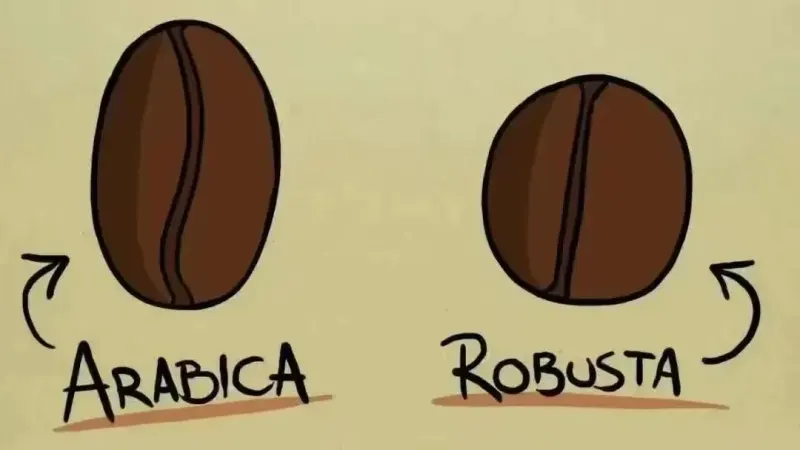
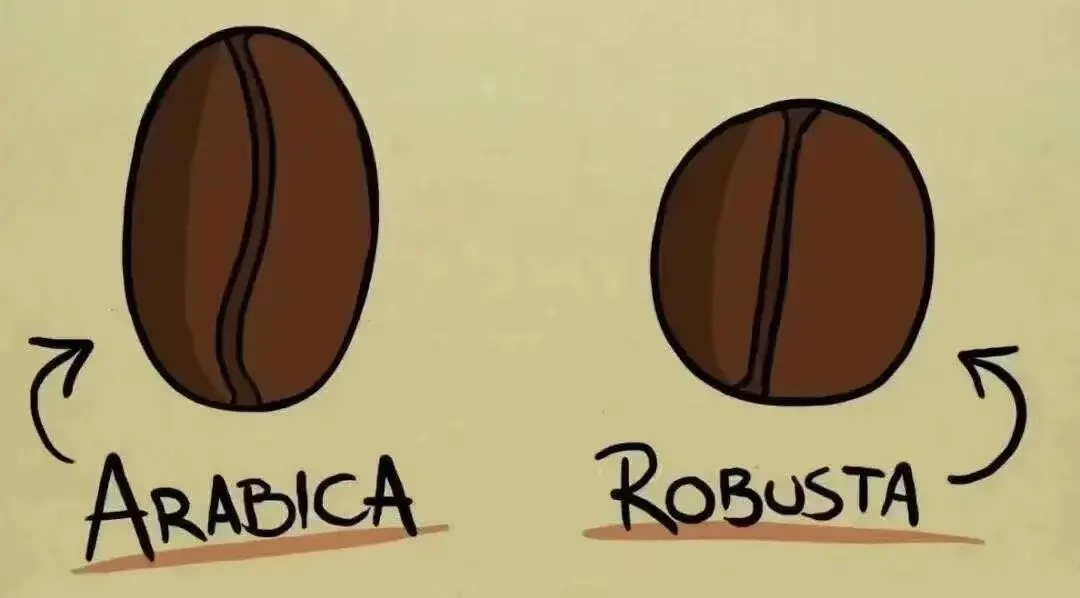
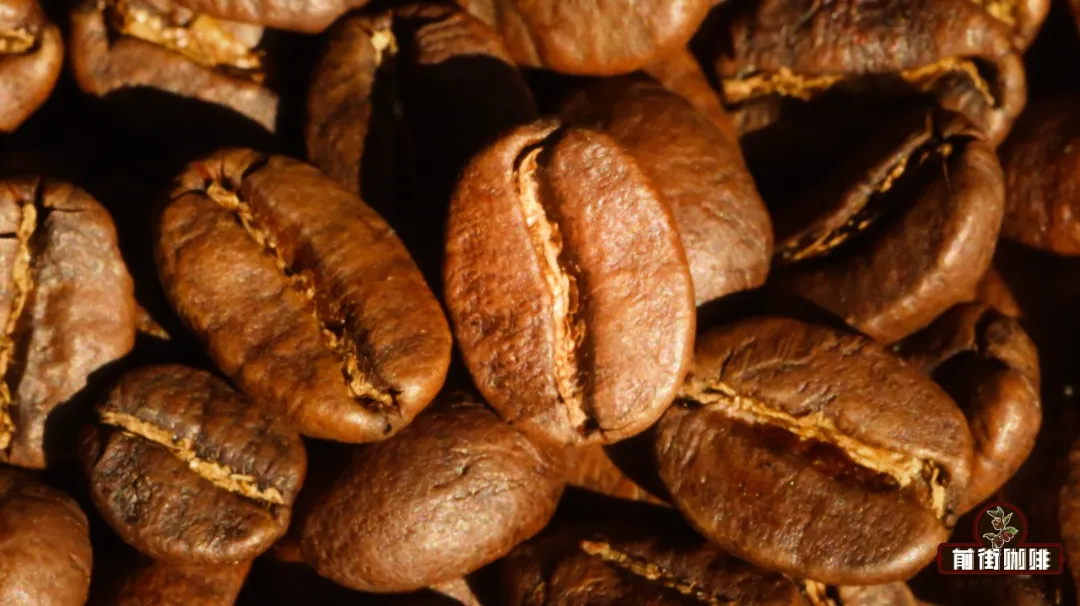
Typica has quite distinctive characteristics, whether in the coffee bean or the plant. For example, in the article "You Can Also Identify Coffee Bean Varieties at a Glance," Front Street mentioned that Typica's bean shape is mostly oval and slender, with plump and rounded beans, a center line curved in an "S" shape, and a relatively large bean size. Because it differs noticeably from Bourbon's "round-bodied" bean shape, Typica is also often called "long bean," and its appearance can be said to be very regular.
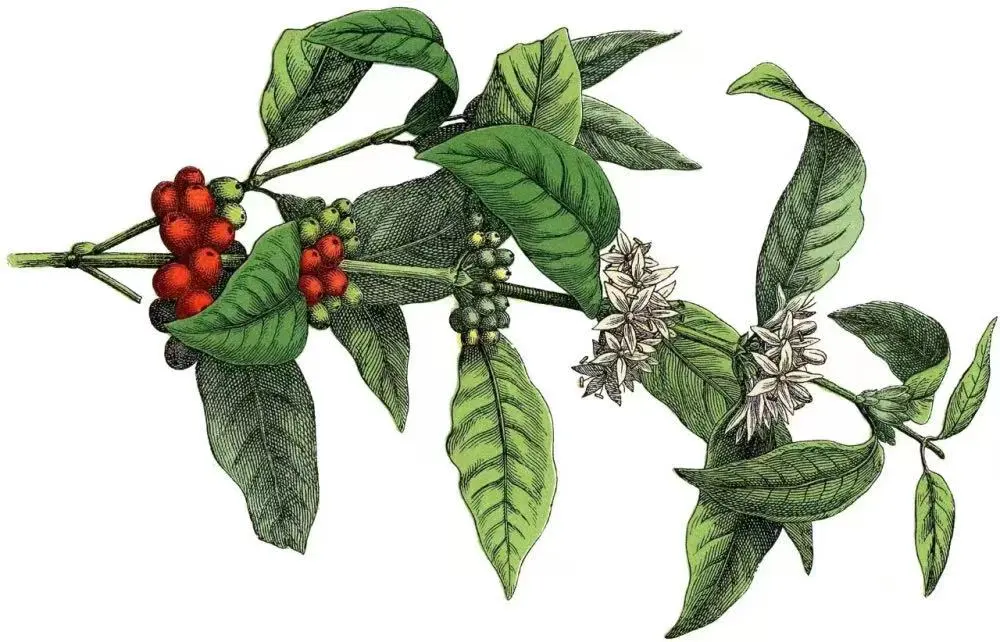
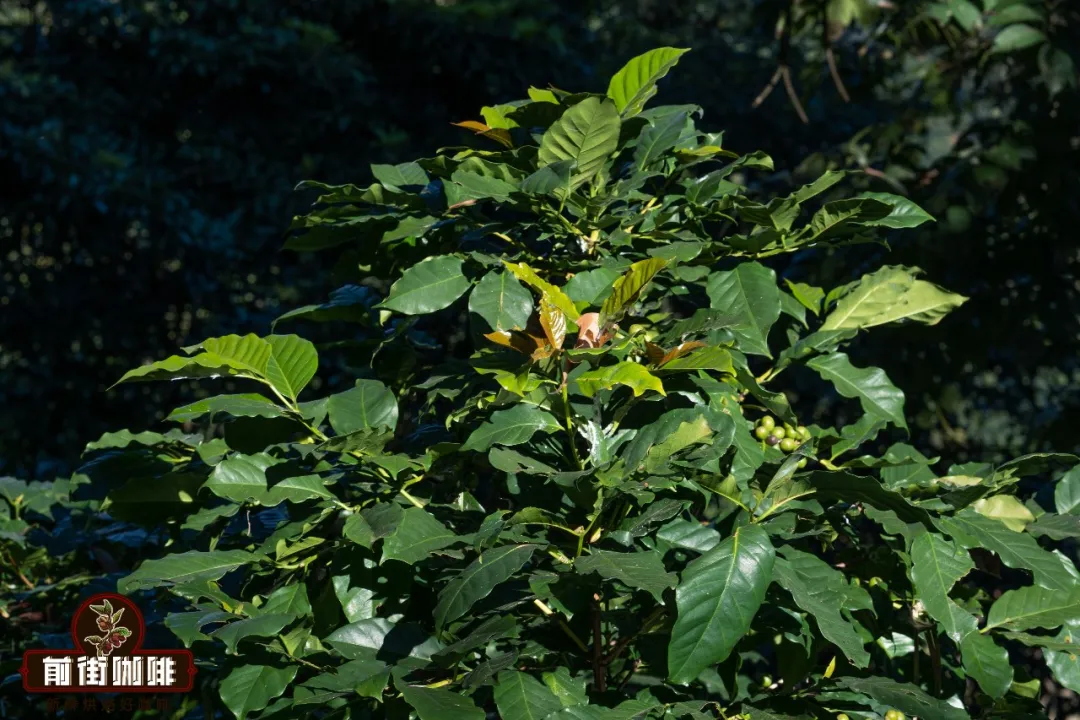
The Typica coffee tree is also different from most Arabica coffee. The young leaves at its top tend toward a bronze color, very different from the color of the other leaves, so it is easy to recognize. For this reason, it is also called "red-topped coffee."
In addition, Typica's tree form is conical, its branches have a slight curve, the overall trunk is relatively slender, the branches are rather thin and long, and the distance between branches and between two nodes on the same branch is also longer. It can grow relatively tall, about 5 meters/16.5 inches. These characteristics also mean that Typica's yield is destined not to be high.
Compared with most varieties, the Typica plant is larger, so a certain spacing must be left between plants when planting. The greater the spacing, the fewer plants can be planted on the same piece of land; and the longer distance between nodes on the branches reduces the number of fruits per plant. Combined, these two factors naturally make Typica's yield much lower than that of most Arabica varieties.
Not only that, Typica is also quite "delicate." It is not only difficult for it to resist common diseases such as leaf rust and berry disease, but its requirements for the growing environment are also extremely high.
For example, it needs to be planted in frost-free high-altitude areas, and at the same time requires sufficient rainfall, sunlight, good drainage conditions, and fertile soil. From a cultivation perspective, it is extremely picky about its region. Combined with its low yield, Typica is not the first choice for coffee farmers to plant. For this reason, after some high-yielding, disease-resistant "new generation" varieties appeared, coffee farmers in many places gradually switched to planting the new varieties.
However, some places still persist in growing Typica because it can bring a unique aroma that other varieties do not have. So even though the yield is not high and it is delicate and difficult to grow, some people still continue to plant it for that sip of rich fragrance. For example, Front Street Coffee.
"Front Street 2013," sold in Front Street's Taobao Tmall flagship store, is a Typica variety. It was planted by Front Street in 2013 at its own estate in Lincang, Yunnan, and it is also the main variety grown on the estate, hence the name Front Street 2013.
This bean uses natural processing and medium roasting. After brewing, the taste is very balanced, with high sweetness and a full mouthfeel. We can taste flavors such as berries, apricot, black tea, and yellow sugar, along with a faint subtle fragrance unique to Typica. Its performance is quite good.
In addition to Front Street 2013, the famous Jamaica Blue Mountain No. 1 coffee also belongs to the Typica variety and is also sold in Front Street's flagship store. It uses medium-dark roasting, and in taste it has an extremely high sense of balance, a rich and smooth mouthfeel, with flavors mainly of chocolate, almond, and cream, accompanied by an elegant fresh fragrance unique to Typica. It is very delicious.
- END -
The above content is compiled by CoffeeHunters, a coffee news website.


