







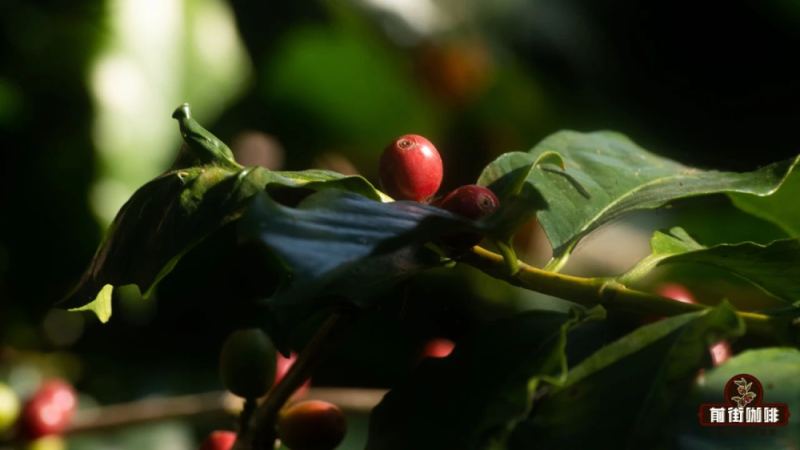
Typica is the most representative native variety within Arabica coffee and is widely recognized as the prototype of all Arabica variants. Its history can be traced back to the coffee birthplace in southwestern Ethiopia, later spreading gradually across the globe via Yemen, India, Java, the Netherlands, and South America. Typica coffee trees are characterized by bronze-colored young leaves, a tall, slender shape, and elongated, pointed beans. In flavor, they often present citrus acidity and clean sweetness, but they have extremely poor disease resistance, low yields, and high cultivation costs. This article will systematically outline Typica's botanical characteristics, transmission routes, and flavor differences across producing regions, and combine them with Front Street Coffee's sourced beans from Papua New Guinea, Jamaica, Tanzania, and Lincang, Yunnan, to share roasting and pour-over extraction approaches.
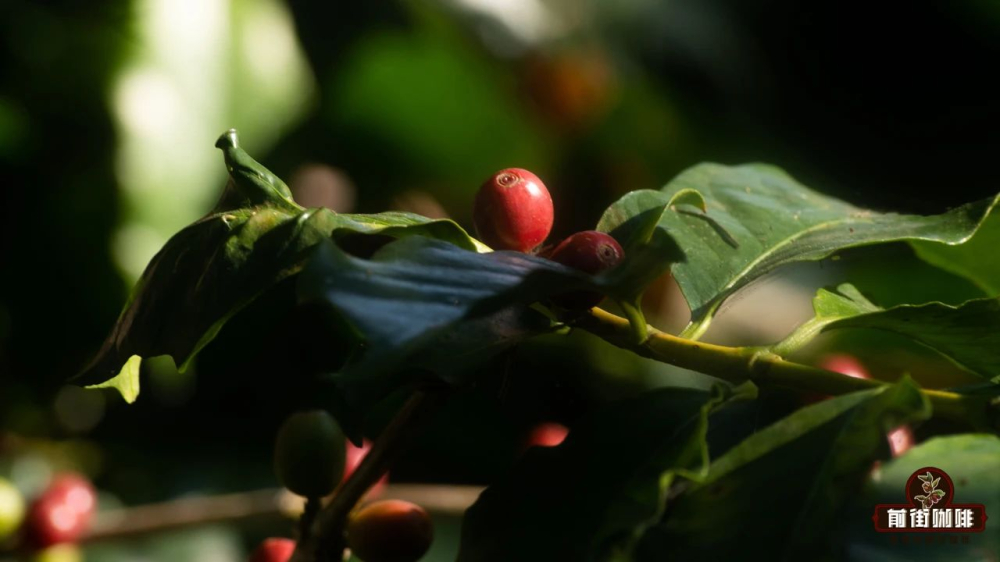
For more specialty coffee knowledge, please follow: Front Street Coffee (Frontsteet Coffee)
The Typica coffee variety is a classification under the Arabica species, and in Chinese it is also often translated as 帝比卡 or 铁比卡. The first coffee variety humans encountered was Arabica, but one point needs to be clarified: Typica coffee beans are necessarily Arabica coffee beans, while Arabica coffee beans are not necessarily all Typica coffee beans.
From the perspective of biological classification, coffee is mainly divided into three major varieties: Arabica, Robusta, and Liberica. Among them, Arabica was the first coffee variety to be discovered and accounts for 70% to 80% of the total global economically cultivated coffee production. It has a rich and excellent flavor spectrum and diverse acidity performance, with relatively low bitterness and prominent sweetness, but overall production is relatively limited.
Typica is currently recognized as the prototype of all Arabica coffee variants. Its roots can be traced back to the birthplace of Arabica coffee in southwestern Ethiopia, making it one of the most critical varieties in the Arabica system.
What are the characteristics of the Typica variety?
The most distinctive identifying feature of the Typica coffee tree is that the top leaves show a reddish bronze color, so it is also called "red-top coffee." The trunk shape is relatively slender, the branches are thin, and they tilt slightly outward, with the angle between the lateral branches and the vertical main stem forming 50 to 70 degrees. The whole plant is about 5 meters tall, and this tree shape is not convenient for manual picking.
By the entrance of Front Street Coffee, there happen to be a pot of the Typica variety and a pot of the Catimor variety, so while enjoying coffee, everyone can also observe and compare them. Typica coffee beans are relatively large and long, with both ends pointed and upturned, somewhat resembling an egg in shape. In flavor, Typica coffee beans often present citrus-like acidity and a sweet finish, and are praised by many as elegant and clear coffee beans. Front Street Jamaica Blue Mountain coffee uses the Typica variety.
Typica's disease resistance is very weak, making it difficult to withstand the most common diseases such as leaf rust and berry disease, and its yield is also extremely low. Once a coffee tree is infected with leaf rust, it is almost equivalent to contracting an incurable disease, and it will eventually wither and even die. As a cash crop, Typica, with its low yield and frail constitution, finds it very difficult to achieve profitability, so many growers choose to give up and switch to varieties with stronger disease resistance. It is not easy to grow Typica coffee beans with elegant and pure flavor. The innate terroir conditions, plant management, fruit picking, and post-processing all require sufficient assurance at every stage before the coffee beans can develop positive flavor and mouthfeel. This also means that producing high-quality Typica requires more labor costs and technical dedication.
The transmission history of Typica coffee
Between the 15th and 16th centuries, a batch of wild Arabica coffee trees collected in southern Ethiopia was brought to Yemen. By 1700, the seeds of these coffee trees were brought to India's Malabar Coast and West Java in Indonesia, and at the same time were named Typica. In 1760, Typica seeds were sent from Java to the botanical garden in the Netherlands, and in 1722 they were taken to the South American colony of Suriname, and then sent to northern Brazil in 1727.
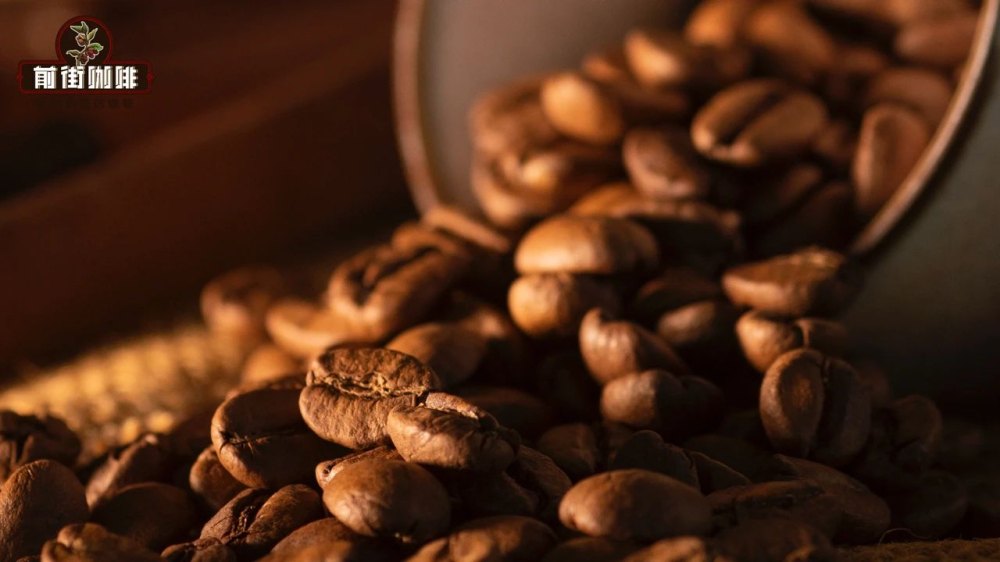
By the late 1800s, Typica coffee cultivation could be seen in Central America, South America, and Jamaica in the Caribbean. Later, Typica from Central America spread to Africa and Asia, and then further to the Americas.
As a crop, whenever the Typica variety arrives in a new region, it adjusts its own genes according to the local terroir and climate in order to better adapt to the environment. Therefore, Typica coffee from different regions will differ in flavor, but in terms of mouthfeel, it is the cleanest among many Arabica varieties.
What are the flavor characteristics of Typica coffee from different regions?
At present, island-climate regions such as Papua New Guinea, Jamaica, and Hawaii Kona mainly grow the Typica variety, while Yunnan, China, and Ethiopia also have small amounts of Typica coffee cultivation.
Among the Typica coffee beans currently sourced by Front Street are Front Street Bird of Paradise (Papua New Guinea), Front Street Blue Mountain No. 1 (Jamaica), Front Street Kilimanjaro (Tanzania), and Front Street 2013 Sun-Dried Typica Small-Bean Coffee, which Front Street Coffee itself grows in Lincang, Yunnan.
Among the Typica coffee beans from these three regions, the one that best embodies Typica's clean, tranquil character and balanced, mellow mouthfeel is none other than Front Street Blue Mountain No. 1. After medium-dark roasting by Front Street Coffee (FrontStreet Coffee), Front Street Blue Mountain No. 1 shows a rich dark chocolate aroma, slight citrus acidity, and caramel sweetness. It is a coffee bean with balanced acidity, sweetness, and bitterness, and a solid, mellow mouthfeel.
Front Street Bird of Paradise, also grown under island-climate terroir, has the title of "Little Blue Mountain," and Front Street Coffee (FrontStreet Coffee) also uses medium-dark roasting. Although it is also a coffee bean with balanced acidity, sweetness, and bitterness and the same roast level, Front Street Bird of Paradise as a whole is not as mellow as Blue Mountain No. 1; however, its nut and toasted bread aromas are very prominent, making it very pleasant to drink.
As for Front Street 2013 Typica coffee, grown by Front Street Coffee itself at 1,300 meters above sea level in Lincang, Yunnan, compared with Catimor small-bean coffee from other parts of Yunnan, both its mouthfeel and flavor performance are much cleaner, which benefits from the naturally tranquil and clean characteristics of the Typica variety itself.
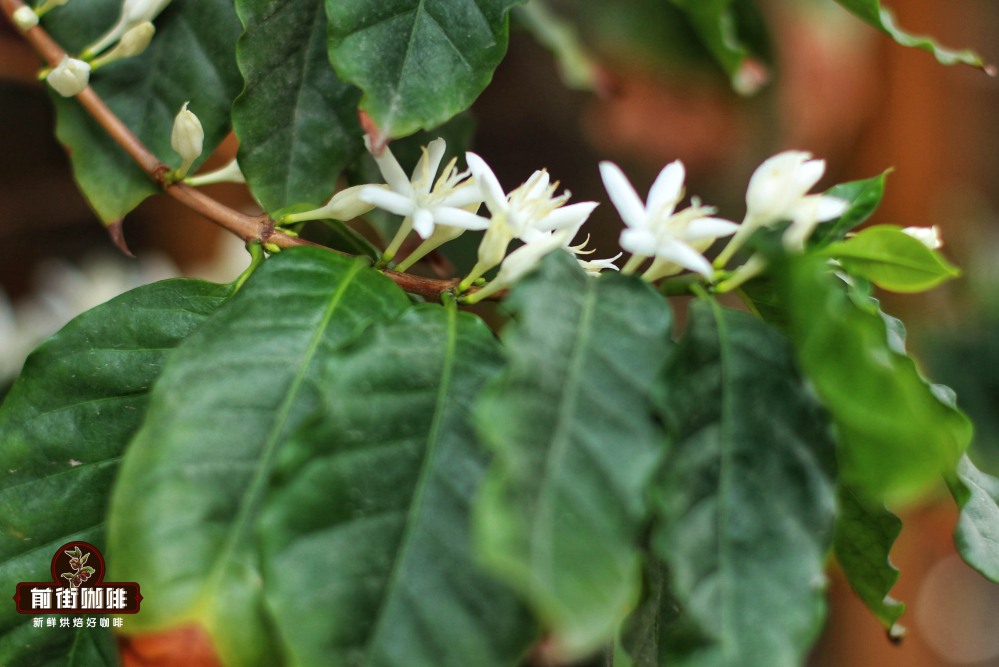
In terms of roasting, Front Street believes that the taste of Yunnan coffee should carry both a mellow coffee aroma and a certain acidity, so Front Street uses a medium roast level. For daily store output, Front Street extracts it as pour-over, hoping to present the coffee's own aroma to the taster.
Pour-over black coffee is not only the extraction method used by Front Street Coffee (FrontStreet Coffee) baristas in daily service, but also a method that many coffee people can easily operate at home. Considering that Yunnan Typica coffee leans toward a balanced mouthfeel—that is, without excessive acidity or heavy bitterness—Front Street prefers to use a V60 dripper, with a medium-fine grind size and medium water temperature for extraction.
Front Street uses corresponding parameters when brewing different coffee beans. For darker-roasted coffee beans, such as Mandheling coffee and Brazil coffee, Front Street uses a water temperature of 87 to 88 degrees Celsius and a medium-coarse grind size; for lighter-roasted coffee beans, such as Ethiopia Yirgacheffe and Panama Geisha coffee, Front Street uses a high temperature of 91 to 93 degrees Celsius and a medium-fine grind size to bring out the aroma of high-altitude hard beans. Returning to the brewing of Front Street Yunnan small-bean coffee, Front Street uses medium water temperature and grind size to highlight moderation and balance in the mouthfeel.
Brewing parameters:
Dripper: hario v60
Dose: 15g
Water temperature: 90 degrees Celsius
Grind size: 75% passing through a No. 20 sieve
Water-to-coffee ratio: 1:15
Three-stage pouring: Wet the coffee bed with twice the amount of water as the coffee grounds, forming a dome and letting it bloom for 30s, then pour in a small stream in circles from the inside out until 125g, pause, wait for the coffee bed to drop to half the height of the dripper, continue pouring the third stage with the same fine stream until 225g, and once all the coffee liquid has filtered through, remove the dripper. The time is about 2 minutes.
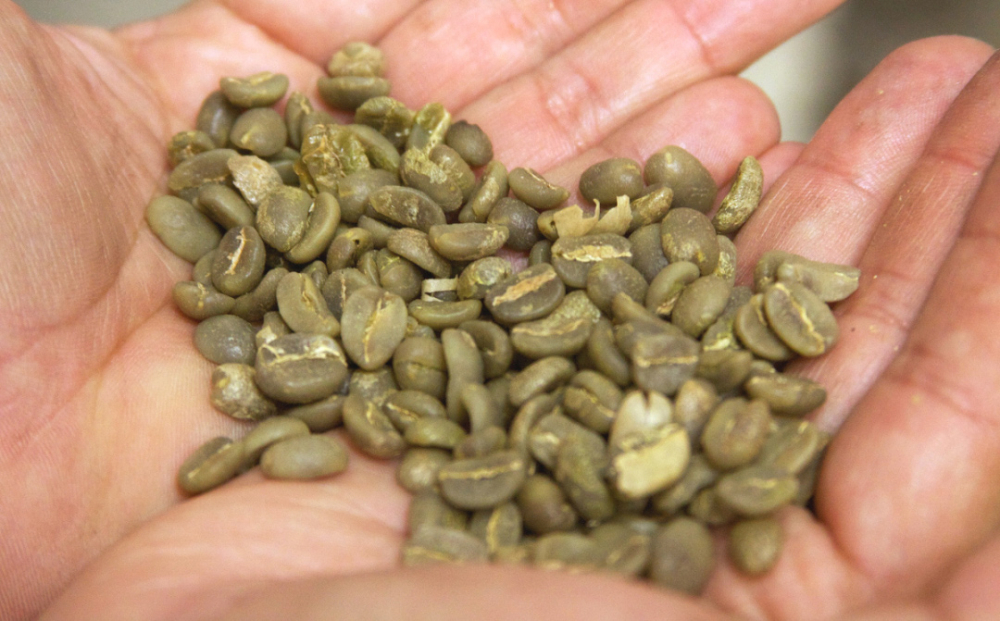
Front Street 2013 Yunnan Typica coffee uses the traditional sun-dried processing method and medium roasting. After brewing, it can show plum-like acidity, nutty aroma, brown-sugar-like caramel sweetness, and a black-tea-like finish.
The above content is compiled by CoffeeHunters, a coffee news website.


