







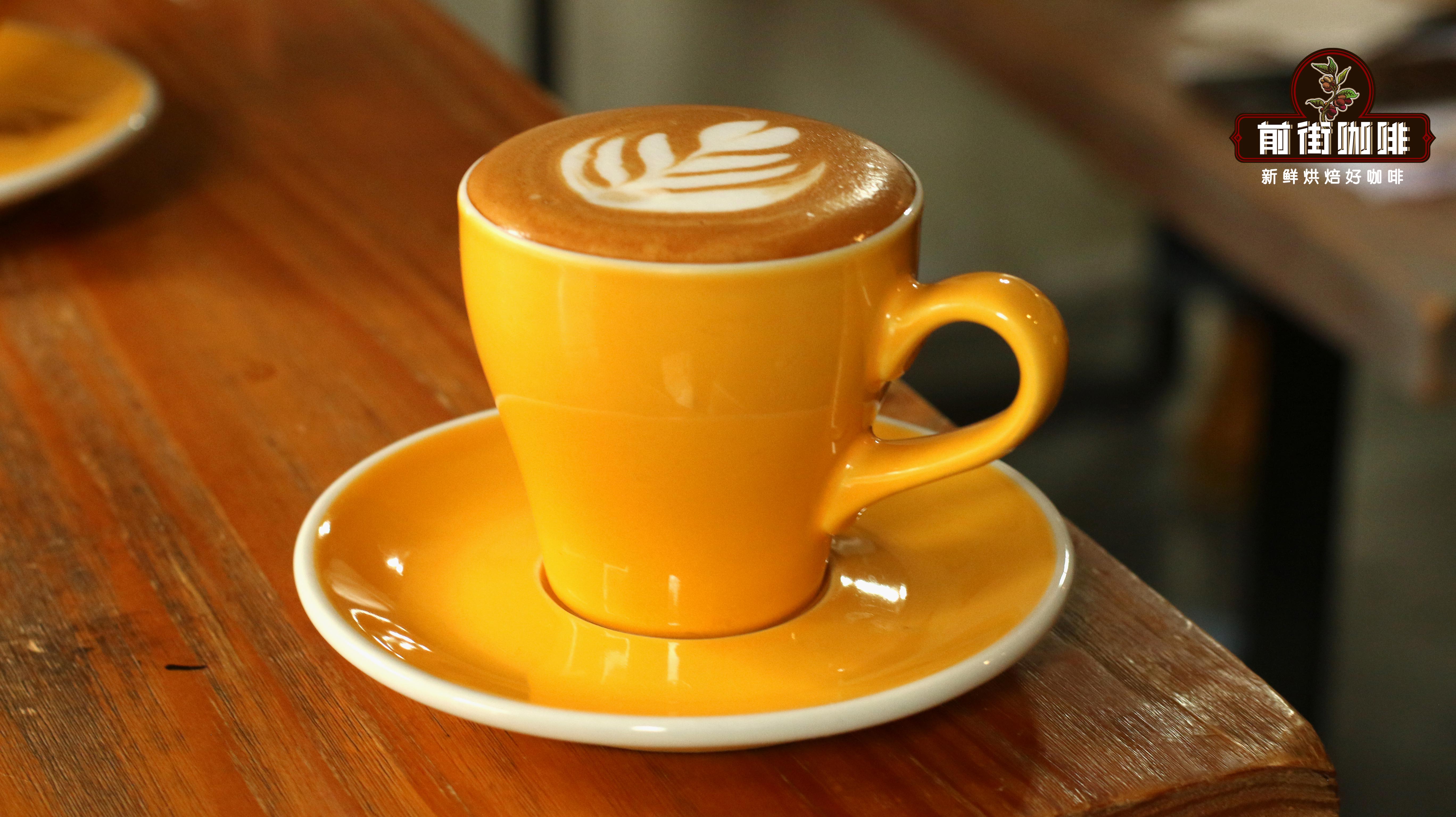
Latte is one of the most frequently ordered categories in espresso coffee, yet many people are unclear about its definition, bean selection, ratios, and caffeine content. This article, drawing on the production practices of Front Street Coffee, systematically reviews the origin of the name "latte" and its historical evolution, explains what kind of blend should be chosen for espresso, provides espresso extraction parameters and suggested coffee-to-milk ratios for hot lattes, and answers how much caffeine a cup of latte contains, helping coffee enthusiasts more clearly understand and choose an espresso milk coffee that suits their taste.
The espresso drinks currently available at Front Street Coffee stores include latte, cappuccino, and mocha, among which latte ranks first in order rate. What exactly are the differences in taste and flavor among them? And how much caffeine does a cup of latte contain? Below, Front Street Coffee explains them one by one.
What is latte coffee?
Latte is the transliteration of the Italian word "Latte," whose original meaning is simply milk. Therefore, ordering a "Latte" in an Italian café is likely to get you just a cup of milk. In other words, in the Italian context, latte coffee refers to milk coffee. With the popularity of espresso machines, steam wands became standard equipment on espresso machines, heating milk became effortless, and the modern sense of latte coffee was thus established. By the 1980s, baristas in Seattle, Washington, USA, began using dense, velvety milk to "color" the surface of coffee, which was the prototype of latte art.
Because each shop's espresso blend has a different flavor, and coffee machine models differ, lattes will have subtle differences in the ratio of milk to coffee, bean selection, and extraction parameters. But overall, a latte is a drink that adds a large amount of milk to espresso. Different coffee beans produce different flavors; different milk also produces different flavors; even adjusting the ratio of coffee to milk can present a different mouthfeel.
What coffee beans are used for espresso?
As Front Street Coffee said earlier, espresso extracted from different coffee beans does not perform consistently in flavor after adding milk. Below, Front Street Coffee takes the beans it currently uses as an example to discuss what coffee beans are suitable for espresso.
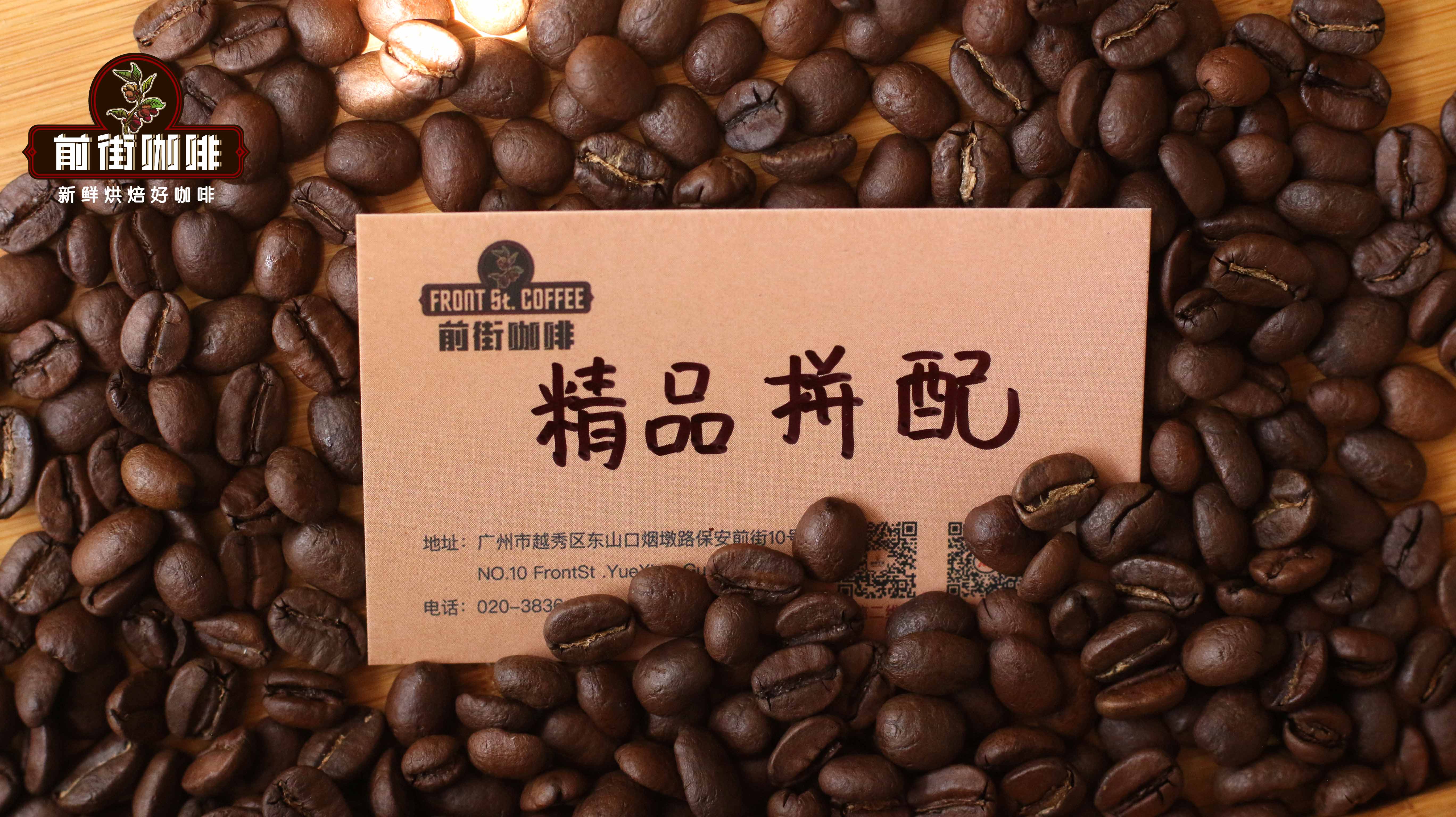
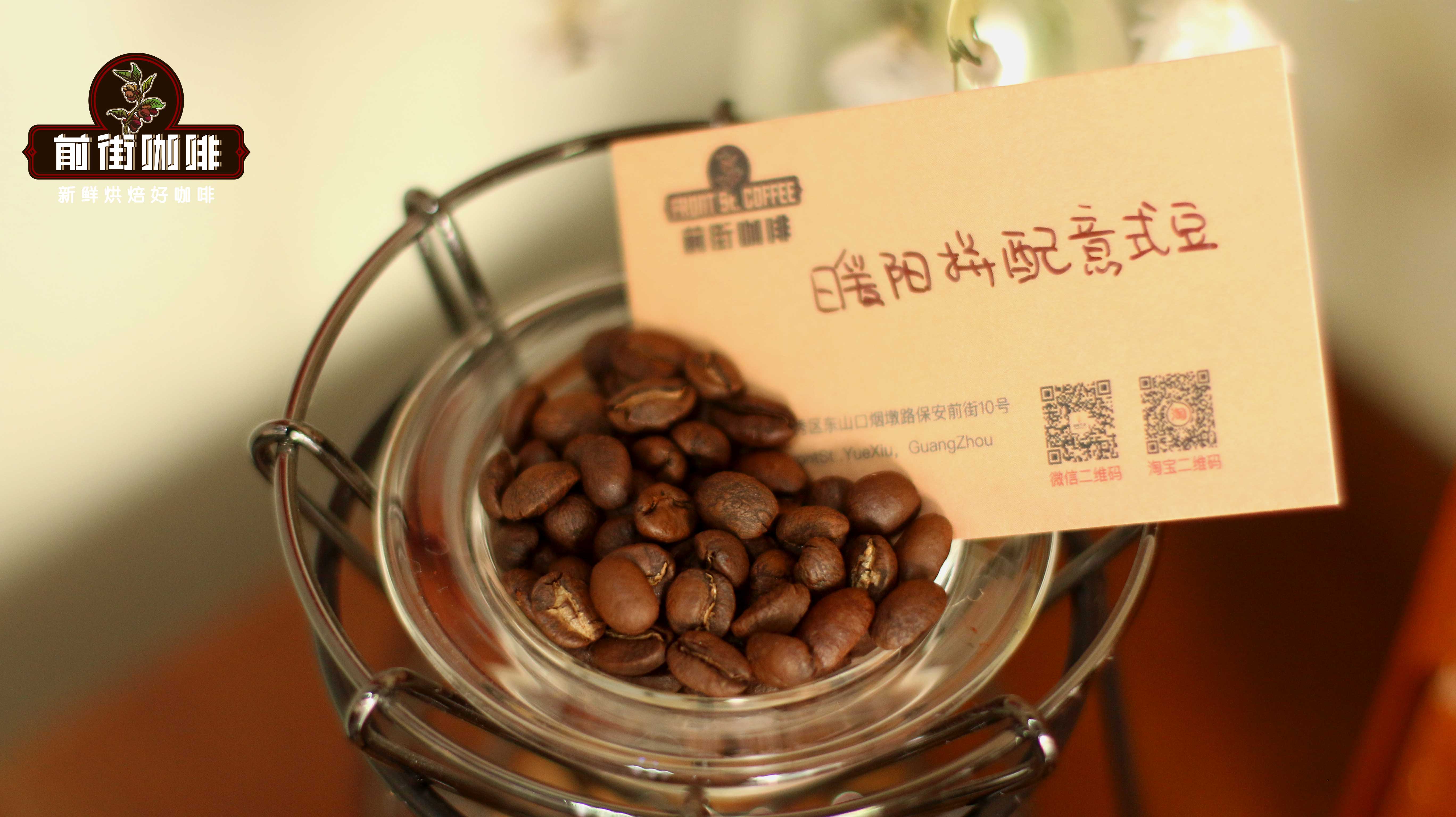
For example, the in-house blend "Sunflower Warm Sun" series currently used at Front Street Coffee stores is a blend Front Street is quite proud of, composed of Honduras and Yirgacheffe, which after being combined with milk can highlight rich chocolate, caramel, and slightly tipsy flavors.
Front Street Coffee Sunflower Warm Sun Blend Flavor: Obvious fruit acidity, faint berry aroma, wine aroma, rich chocolate flavor, with a clear sweet aftertaste.
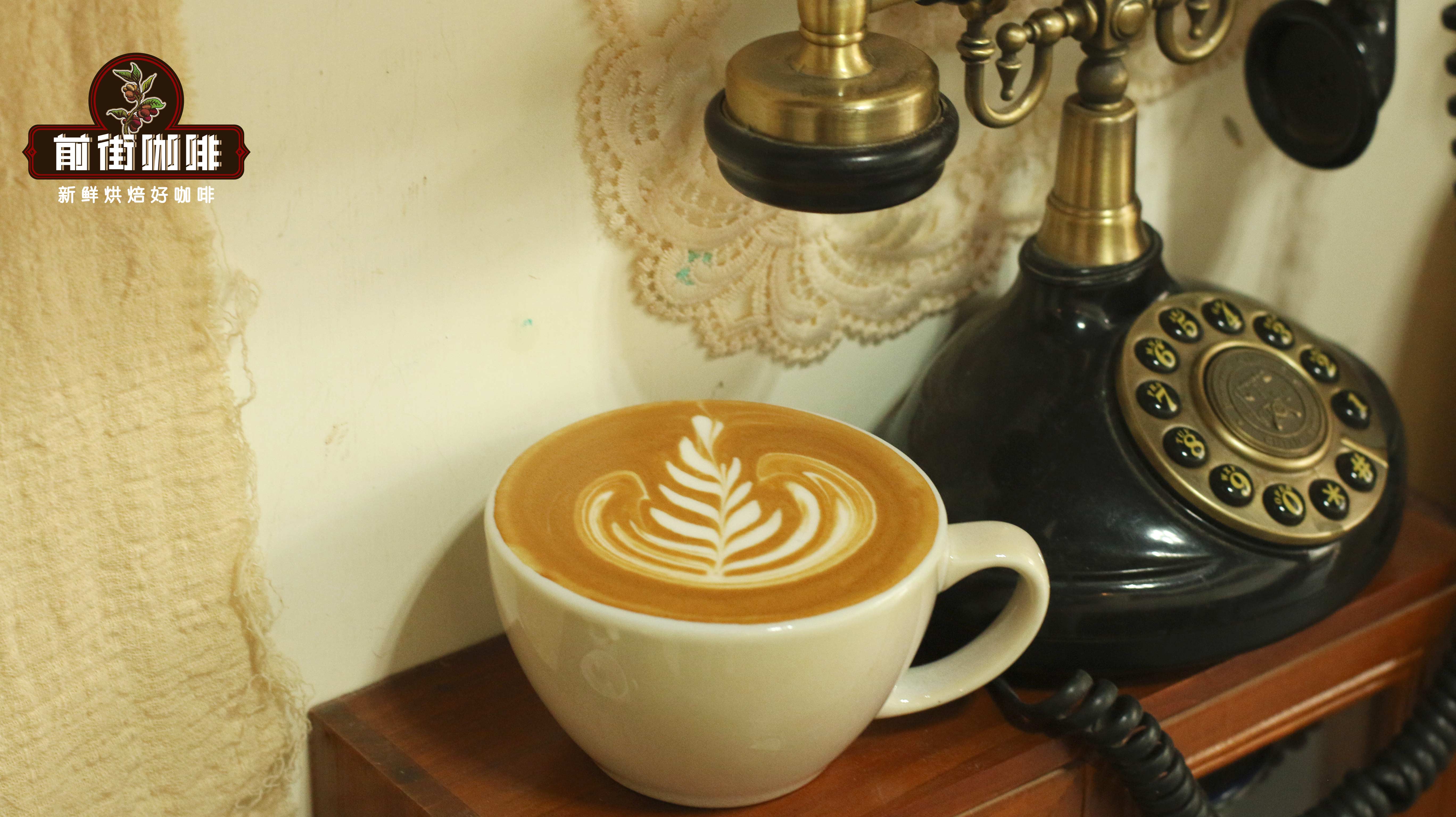
This blend is composed of Yirgacheffe sun-dried Red Cherry and Honduras Sherry. Front Street's design positioning for it is that it can be used for both espresso and pour-over. When used to make espresso, the flavor it gives off carries an obvious fermented wine aroma, and on the palate the acidity of citrus and berries immediately emerges, accompanied by a whisky-like aroma, with a finish of dark chocolate.
This is also one of the reasons why enthusiasts who go to Front Street Coffee stores to drink espresso can taste fermented wine aromas. In addition, Front Street Coffee stores also offer another three espresso coffee beans (click this link), which you can choose according to personal preference.
The standard method for making latte coffee
As Front Street Coffee mentioned above, each coffee shop's recipe ratio is different, so ordering the same espresso drink at different shops and tasting slightly different flavors is quite normal. But as long as the espresso is extracted from high-quality espresso coffee beans, the flavor of this espresso drink will certainly be excellent.
The extraction parameters for the espresso used in latte coffee are as follows:
Front Street uses a Lelit V3 espresso machine.
Pressure: 9 bar Temperature: 90.5~96°C Time: 20~30 seconds Coffee-to-water ratio: 1:1.7~1:2 Dose: 10g (single espresso) 20g (double espresso) Extracted espresso amount: 20ml (single) 40ml (double) Front Street uses a double espresso to make latte coffee, and the flavor performance of the coffee beans after extraction is: obvious fruit acidity, a faint berry aroma lingering, rich wine aroma and chocolate flavor, and a comfortable sweet finish.
Milk: whole fresh milk (Front Street uses Vitasoy fresh milk) Milk steaming temperature: 50-60°C (if the temperature is too low, the release of lactose in the milk cannot be stimulated; if the temperature is too high, the proteins in the milk will be destroyed, producing a grainy mouthfeel) Milk foam thickness: 1 cm (thinner than 1 cm is a flat white, thicker than 1 cm is a cappuccino).
Suggested ratio for making hot latte coffee
Front Street recommends a coffee-to-milk ratio of 1:6.5 when making a hot latte, that is, 40ml espresso with 260ml hot milk. Pour in a circular motion to fully integrate the milk and espresso, and you will get a cup of hot latte. After fresh milk is heated, the sweet molecules of lactose are better released; after being evenly mixed with espresso, the whole cup of latte naturally carries the sweetness of milk without stealing the spotlight from the espresso. Instead, against the backdrop of milk, it better reflects the flavor of the espresso.
The flavor performance of Front Street Coffee hot latte is: Whisky aroma, with lactose and coffee acidity colliding to create a milkshake-like sweetness, and a finish of hazelnut and other nutty sweet aftertaste.
So exactly how much caffeine is in a cup of latte?
Research data shows that most adults can consume 400 milligrams of caffeine per day. The caffeine content of different coffee varieties is not the same. For example, the coffee beans at Front Street stores are mostly Arabica varieties, and the caffeine content of such coffee beans is only 0.9-1.2%, having very little effect on the human body.
The above is what Front Street Coffee has compiled regarding how much caffeine a cup of latte contains, as well as the differences in taste and flavor between cappuccino and latte. In addition, from the above it can also be seen whether espresso coffee can be used for latte art—the answer is of course yes. As long as the milk is steamed, dense milk foam will be produced, and it can naturally blend with espresso into a cup of rich, mellow milk coffee. Front Street Coffee also hopes this article can help coffee enthusiasts who want to understand related knowledge, making it easier to choose an espresso milk coffee that suits their taste in the future.
The above content is compiled by CoffeeHunters, a coffee news website.


