







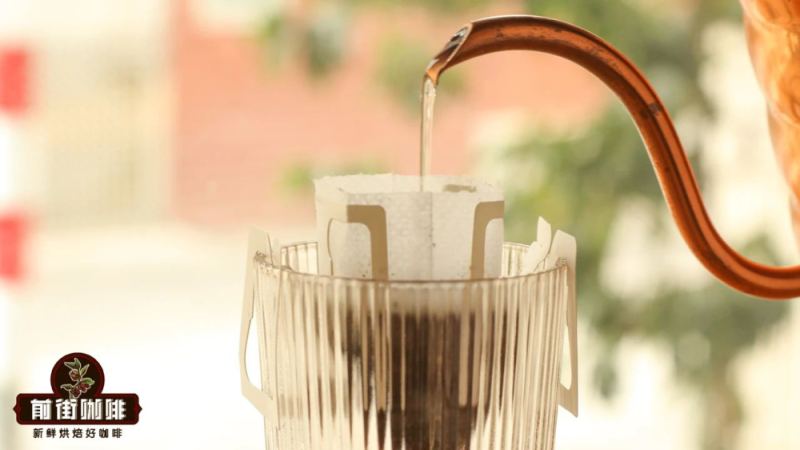
Why Choose Hanging Coffee for Travel and Work?
Hanging coffee, also called drip bag coffee, is ground single-origin coffee sealed in a filter bag with paper ears that rest on a cup rim. It gives you a fresh pour-over cup without carrying a grinder or dripper, which makes it practical for commuting, offices, and trips. Bags from Ethiopia, Colombia, Panama, Brazil, and Yunnan cover a wide range of flavors.
The format grew out of a Japanese idea: Yamanaka Sangyo applied tea-bag thinking to coffee but the early bag tipped over, and Daiki Sangyo fixed it in 1998 by extending the ears outward. Each bag lists origin, altitude, variety, and processing, so you can match a cup to your taste. Many offices now keep street coffee bags on hand for a quick break.
For friends who love specialty coffee, brewing pour-over at home is certainly pleasant, but when commuting or traveling, carrying the equipment is inconvenient—so drip bag coffee becomes the ideal choice that balances flavor and portability. From the perspective of Front Street Coffee, this article systematically sorts out the origin and evolution of drip bag coffee, and introduces ten of the most popular drip bag coffee products one by one, covering well-known origins such as Ethiopia, Colombia, Indonesia, Panama, Brazil, Yunnan, Rwanda, and Costa Rica. Each one is labeled with origin, altitude, variety, processing method, and flavor description, helping coffee fans quickly lock in their preferred choice according to personal taste preferences, and easily enjoy a cup of high-quality single-origin coffee at the office or on the road.
For more specialty coffee knowledge, please follow the WeChat public account: Front Street Coffee (FrontStreet Coffee)
As specialty coffee culture becomes increasingly widespread, more and more coffee lovers are buying pour-over equipment to brew at home. However, when commuting or going out, carrying the entire set of equipment is quite cumbersome. Drip bag coffee was born precisely to solve this pain point—with just a simple operation, you can quickly get a cup of single-origin coffee. Below, Front Street Coffee (FrontStreet Coffee) will recommend several drip bag coffees worth trying.
What is drip bag coffee?
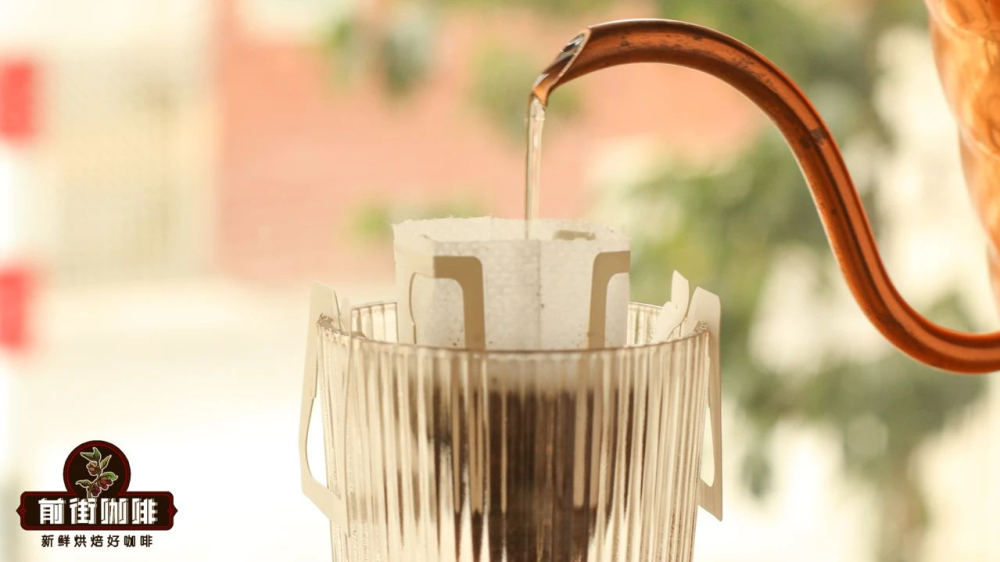
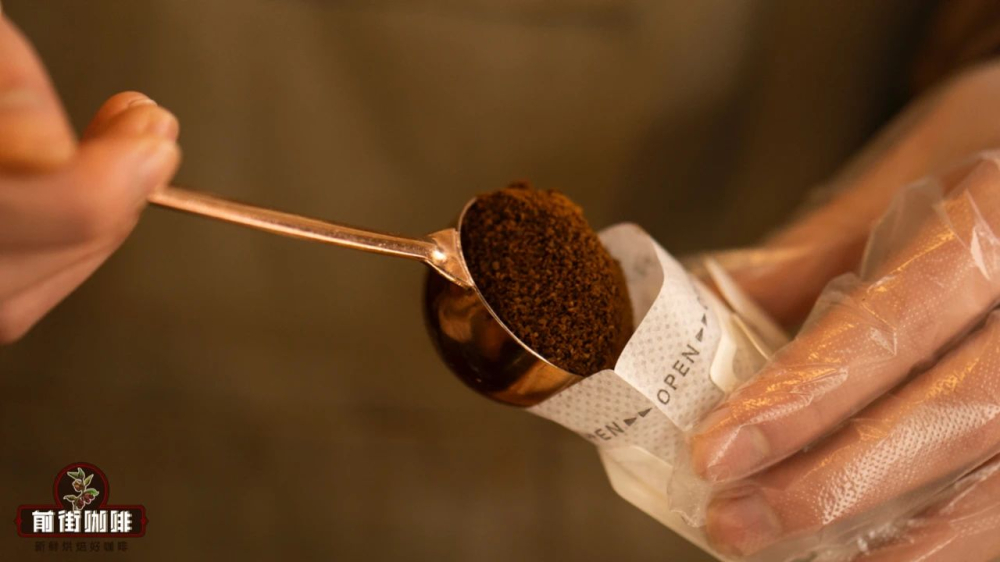
So-called drip bag coffee is made by grinding single-origin coffee beans into powder and sealing them in a sealed filter bag. When brewing, unfold the paper hanging ears on both sides of the filter bag and rest them on the rim of the cup to pour water and extract. It is named after these "ears."
According to Front Street, the prototype of drip bag coffee was created by Yamanaka Sangyo Co., Ltd. in Japan. They borrowed the idea of tea bags and applied it to coffee, inventing filter-hanging coffee and applying for a patent. But the early design had flaws—the filter bag lacked sufficient load-bearing capacity and easily tipped over during brewing, so Yamanaka Sangyo did not successfully bring it to market.
The turning point came in 1998, when Japan's Daiki Sangyo improved the original design by extending the hanging ears outward, allowing the filter bag to bear the weight of brewing. Only then did drip bag coffee truly become popular among office workers who love single-origin coffee. For this reason, coffee fans often come to Front Street Coffee (FrontStreet Coffee) stores to inquire about drip bag products. Next, Front Street lists ten of the most popular drip bag coffees.
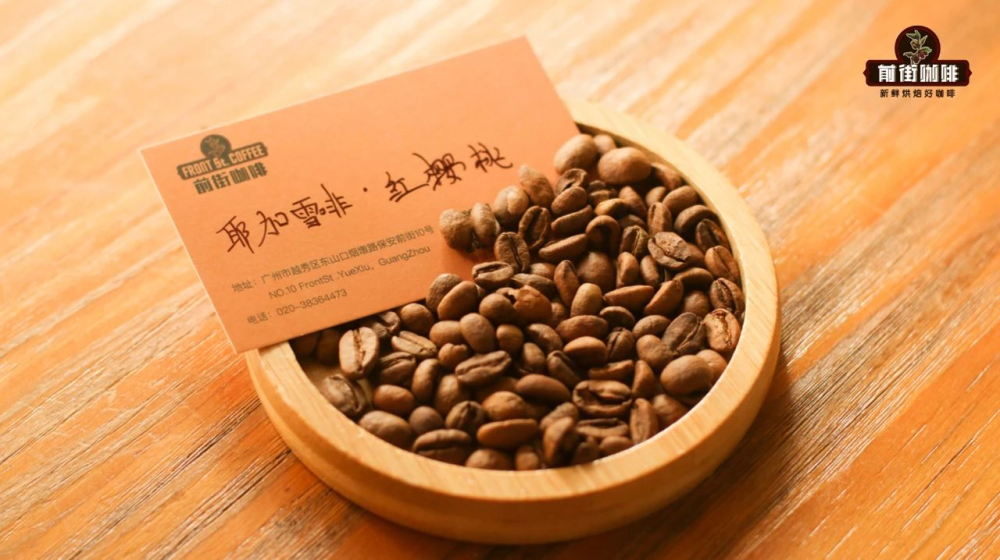
1. Front Street Ethiopia Natural Red Cherry Drip Bag
Origin: Yirgacheffe Altitude: 2000-2200m Variety: Heirloom Processing: Natural Flavor: Tropical fruit, strawberry, berries, cream
Front Street Natural Red Cherry coffee beans come from Ethiopia's famous Yirgacheffe region. The name "Red Cherry" originates from the "Operation Cherry Red" initiated by a Dutch green bean company, which aims to improve coffee quality.
Front Street Yirgacheffe uses the ancient traditional natural processing method. This Natural Red Cherry is manually selected one by one for fully ripe fruit, and the whole coffee cherries are placed on raised beds to dry naturally, effectively avoiding the earthy taste caused by drying directly on concrete ground. During drying, the cherries gradually absorb flavor substances, moisture continues to decrease, and they finally turn dark brown before being collected and stored. Therefore, this Front Street Natural Red Cherry presents a distinct fruity aroma, full acidity, and a rich mouthfeel.
2. Front Street Colombia Sidra Drip Bag
Origin: Huila, Colombia Farm: Finca La Divisa Altitude: 1700m Variety: Sidra Processing: Double Anaerobic Natural Flavor: Grape, passion fruit, citrus, apricot, dried fruit, fermented notes
For a drip bag with fermented flavor preferences, Front Street Sidra is recommended. Front Street Sidra comes from Colombia. This variety rose to fame due to its repeated good results in world coffee competitions. As a new variety, Sidra is processed by double anaerobic natural, with rich fruit flavors reminiscent of passion fruit, grape, citrus, apricot, and dried fruit. It has a prominent fermented sensation on the palate and a chocolate note in the finish.
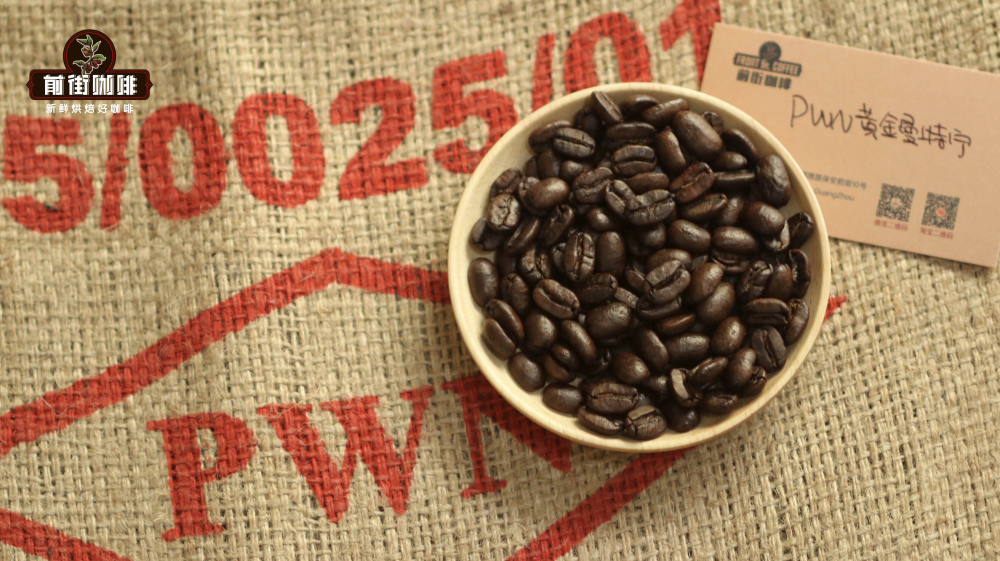
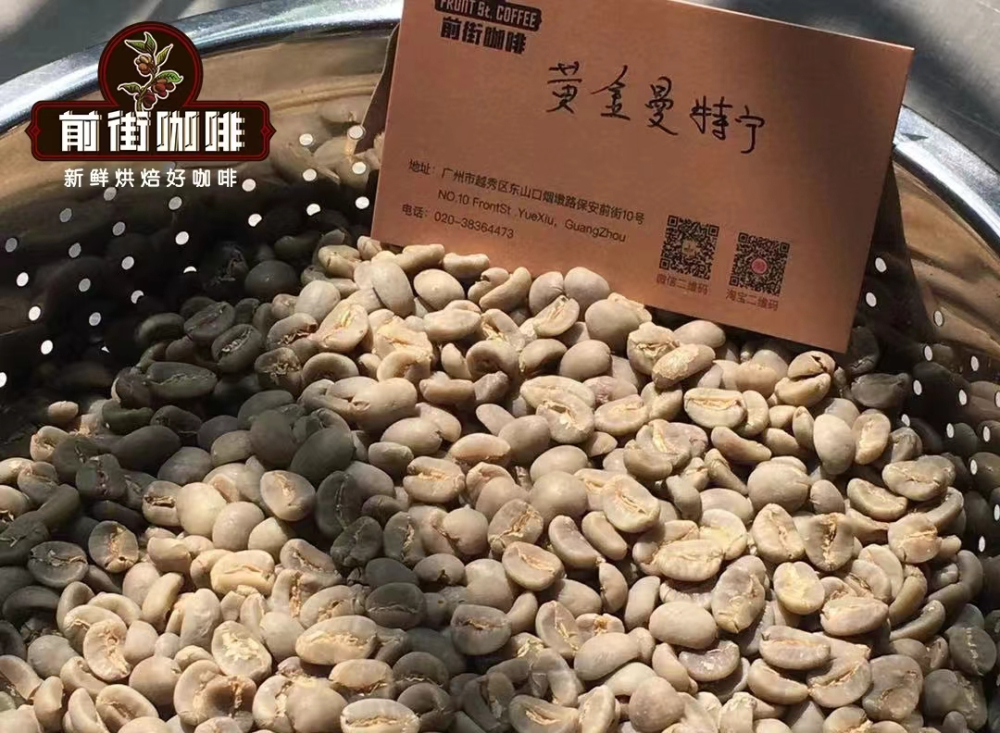
3. Front Street PWN Golden Mandheling Drip Bag
Origin: Gayo Mountain, Aceh, North Sumatra Company: PWN Altitude: 1100-1600m Variety: Ateng Processing: Wet-hulled Flavor: Herbal, caramel, dark chocolate, full-bodied and clean, high balance, long-lasting finish
This Front Street PWN Golden Mandheling coffee bean is specified at 18 screen or above, with fewer than 3 defective beans in a 300g green bean sample, belonging to the highest G1 grade. The beans are darker green in color and neatly flat in shape. Qualified Golden Mandheling must undergo three rounds of manual sorting and one round of machine sorting; Front Street found that after such processing, Golden Mandheling not only sheds the earthy miscellaneous flavors unique to ordinary Mandheling, but also has a cleaner and more transparent mouthfeel.
The emergence of the wet-hulled method is closely related to Indonesia's humid and rainy climate—too many rainy days make natural processing difficult to implement, while economic conditions cannot support the high cost of washed processing. The combination of multiple factors gave rise to this highly regionally distinctive processing method.
The wet-hulled process is as follows: during the regular washed process, the beans are first sun-dried with parchment for 2-3 days, and when the moisture content drops to 20-24%, the parchment is then removed. This practice leads to a relatively high defect rate. Front Street Coffee (FrontStreet Coffee) believes that Indonesia's coffee industry has developed rapidly today, and retaining the wet-hulled method is not only due to economic and climatic considerations, but also because it has become synonymous with Indonesian coffee and a symbol of local specialty. Of course, natural Mandheling has also appeared now. Front Street Coffee (FrontStreet Coffee) has added Front Street Natural Mandheling coffee beans, which is a relatively niche series and less popular than wet-hulled Mandheling, but friends who are interested may give it a try.
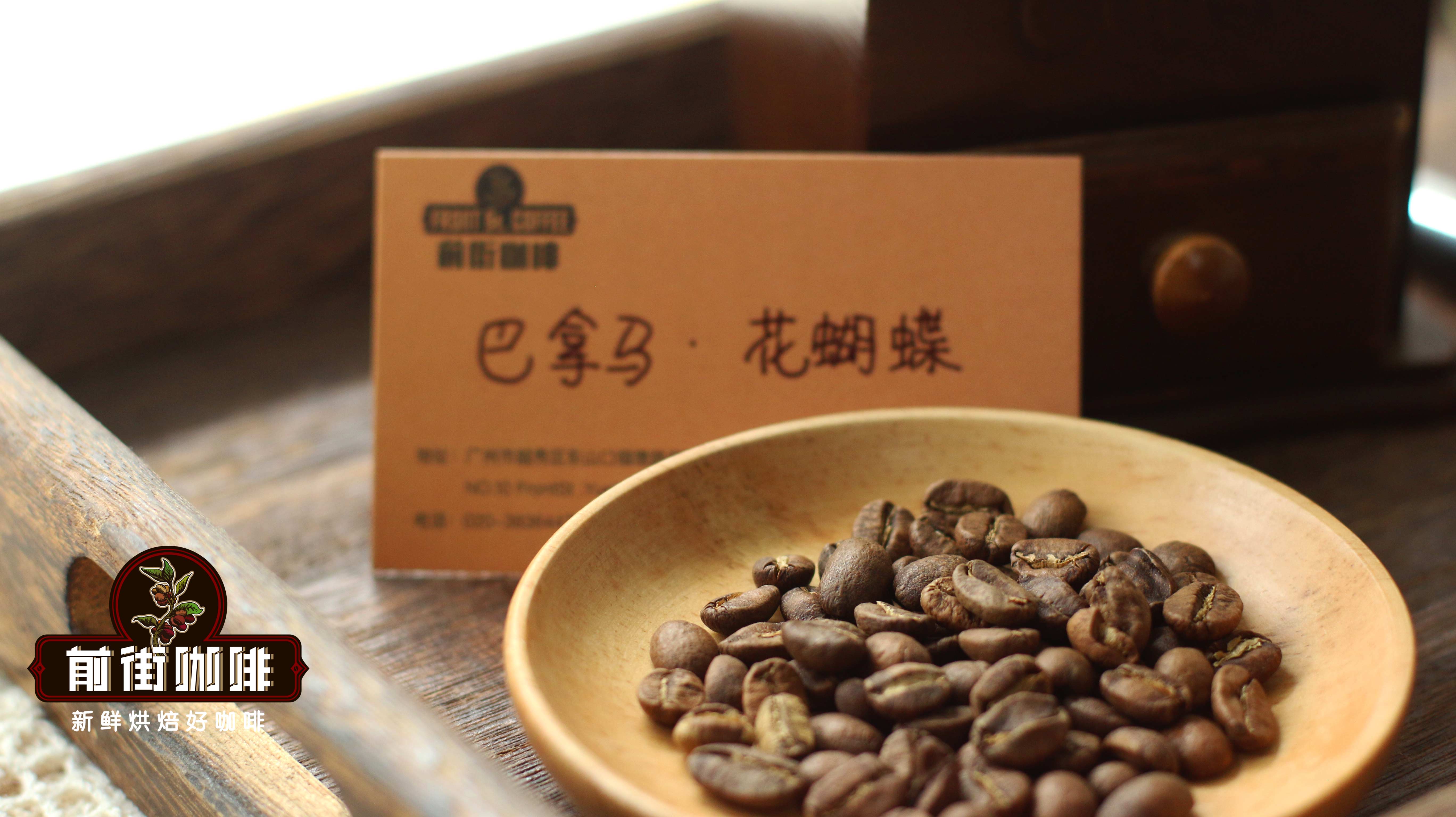
4. Front Street Panama Butterfly Drip Bag
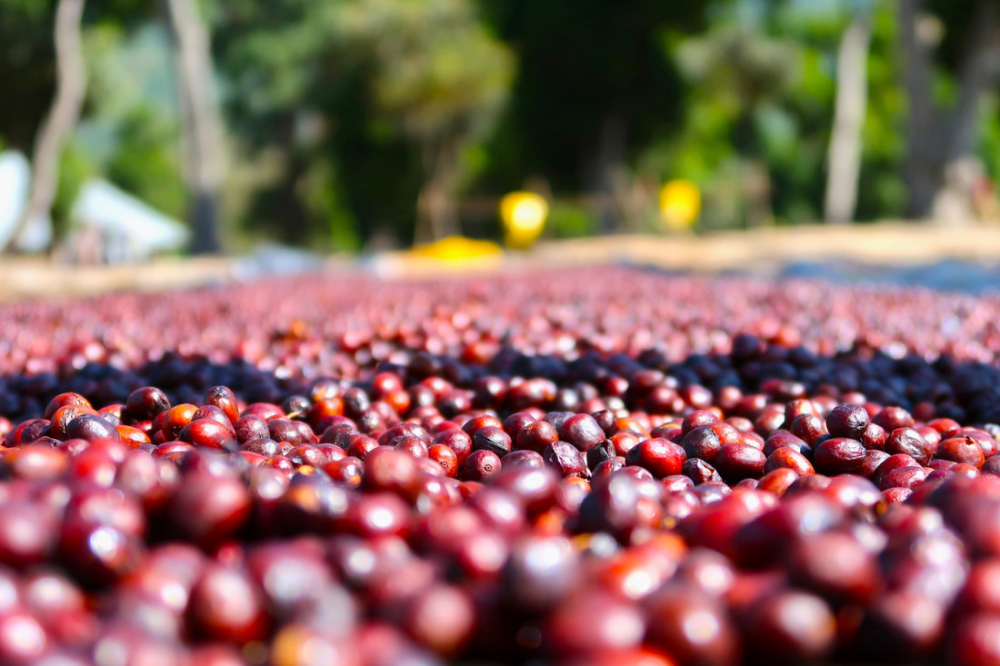
Origin: Boquete Altitude: 1600m Variety: Caturra, Catuai, 70% Geisha Processing: Washed Flavor: Citrus, berries, tea aroma, jasmine
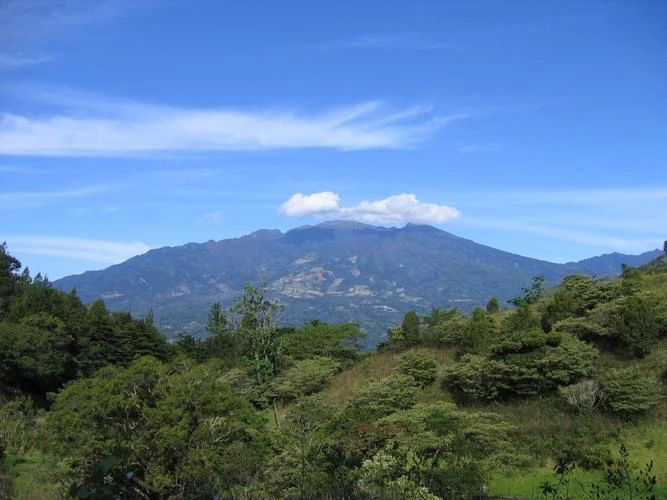
This Front Street Panama Butterfly coffee bean contains 70% Geisha, paired with Catuai and Caturra, planted in Boquete's famous Baru Volcano area at an altitude of 1600m. The region's suitable microclimate, fertile volcanic soil, abundant rainfall, and large temperature difference between day and night, together with careful harvesting and fine processing, give this Front Street Panama Butterfly both the floral aroma, citrus flavor, and gentle acidity of Geisha. Even more pleasantly surprising is that despite such excellent quality and conditions, the price is very affordable, allowing people to experience Panama Geisha flavor at extremely high cost performance.
Some may question whether a Geisha blend counts as single-origin coffee beans. Front Street Coffee (FrontStreet Coffee) gives an example here: Ethiopian coffee beans vary in size because local varieties are complex and are mixed-planted and mixed-harvested. But as long as mixed harvesting occurs within the same origin, it can be called single-origin coffee beans. The same applies to Front Street Panama Butterfly. Front Street believes that beans like Ethiopia's can be called natural blends, while Butterfly can be called post-blending.
This Front Street Panama Butterfly uses washed processing: first screen out poor-quality coffee cherries, then use a machine to separate the skin from the coffee seeds, leaving only coffee beans wrapped in parchment. At this point there is still a layer of mucilage on the bean surface. The beans are placed in a water tank to ferment for about 18-36 hours to break down the mucilage. Finally, workers use tools and the friction between flowing water and the beans to wash the coffee beans until smooth.
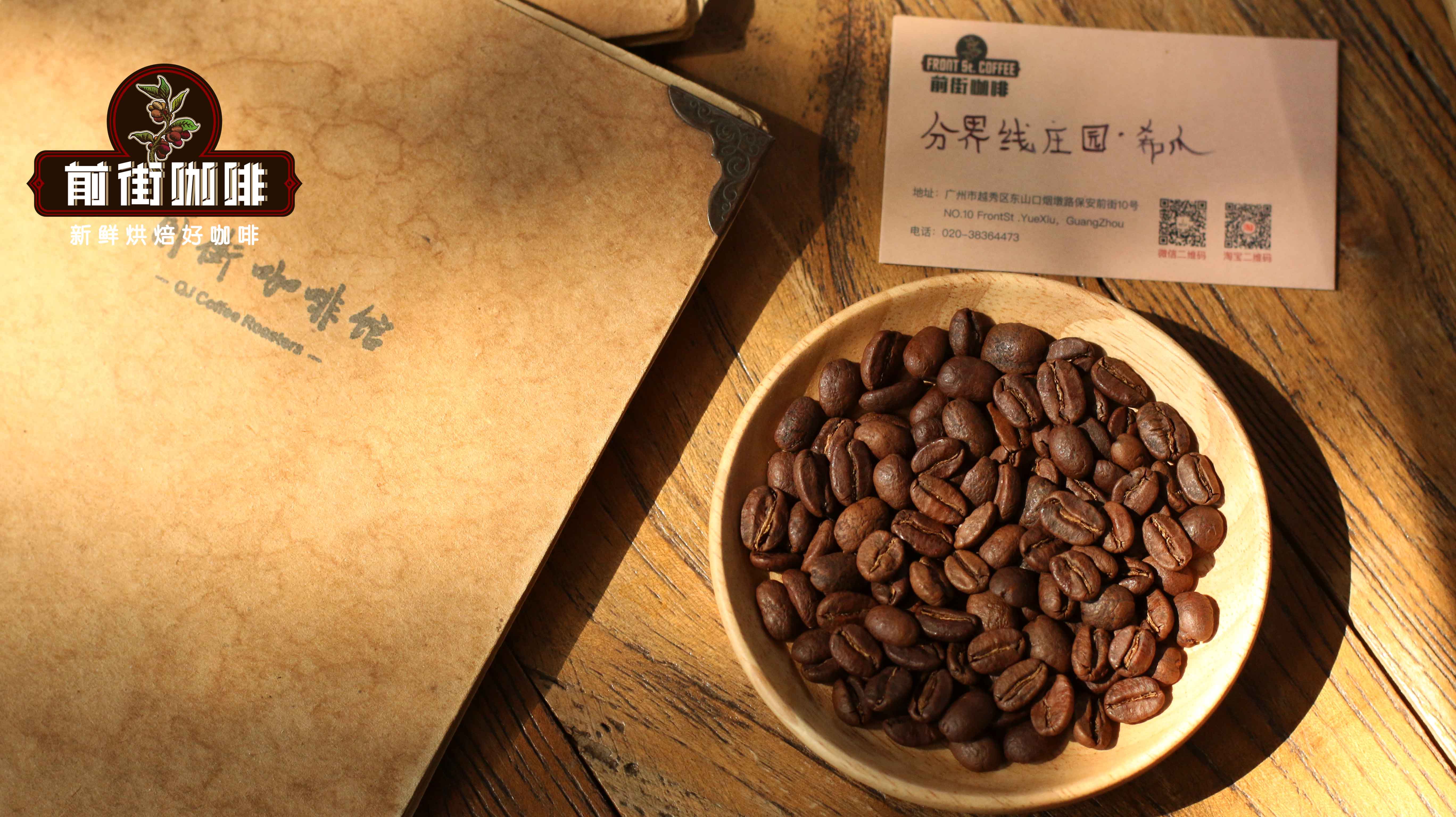
5. Front Street Brazil Red Bourbon Drip Bag
Origin: Sul de Minas Altitude: 1000m Variety: Red Bourbon Processing: Semi-washed Flavor: Nuts, chocolate, cream, peanut, caramel
Brazil currently ranks first in the world in coffee production, and its coffee is indispensable in classic flavors. The Bourbon variety was discovered in Brazil, so Brazil Red Bourbon coffee beans are bound to have excellent flavor. According to Front Street Coffee (FrontStreet Coffee), Bourbon grown at high altitude usually has better aroma and bright acidity, with a flavor similar to red wine when drunk.
This Front Street Brazil Red Bourbon uses semi-washed processing. Before 1990, Brazil used natural processing, which was precisely the root cause of Brazilian beans easily picking up earthy and rotten-wood flavors—coffee fruits became moldy due to improper fermentation during 2-3 weeks of sun exposure, producing off-flavors. This problem was criticized for a long time and seriously damaged the image of Brazilian coffee.
After 1990, Brazilian research institutions developed the semi-washed method to shorten processing time, targeting the country's relatively dry climate. This method first selects high-quality coffee fruits, removes the skin, pulp, and part of the pectin, sun-dries them with a small amount of pectin for 1-3 days, then machine-dries them to 12% moisture content, after which they can be stored for aging. This method can reduce the undesirable miscellaneous flavors of Brazilian beans in the past and enhance fruity aroma and sweetness.
6. Front Street Colombia Washed Huila Drip Bag
Origin: Huila Altitude: 1500-1800m Variety: Caturra Processing: Washed Flavor: Nuts, dark chocolate, caramel, soft fruit acidity
Colombia is the world's third-largest coffee producer, known for its soft mouthfeel and rich nutty chocolate flavor.
Huila is a famous coffee region in Colombia. The terrain is mountainous, and coffee is mainly planted on canyon slopes. High altitude, cool climate, and volcanic soil are all favorable conditions for growing coffee. The climate of the canyon slopes can both block cold winds and bring abundant rainfall, making it a uniquely blessed coffee producing area. Front Street also offers this Front Street Colombia Huila coffee bean as Front Street's everyday beans and Front Street drip bag coffee for coffee fans to taste. Colombian coffee is mostly manually picked at full ripeness, and the vast majority is washed.
7. Front Street Natural Huakui Drip Bag
Origin: Hambela, Guji Altitude: 2000-2200m Variety: Heirloom Processing: Natural Flavor: Cream strawberry, mango, citrus, guava
Front Street's new-crop Huakui coffee beans have always been deeply loved by everyone. To let everyone easily enjoy Huakui coffee on ordinary days, we decided to make this Natural Huakui coffee bean into coffee drip bags, convenient to brew whenever you want, available for purchase at Front Street's Taobao store or Front Street Tmall flagship store.
For Front Street Huakui coffee beans of the new crop, we cup and list them every year. The same goes for this year. We recently just received the new-crop Huakui coffee beans, and the roaster immediately developed three roasting curves and conducted cupping the next day after roasting. Through cupping comparison, we found that the new-crop Huakui still has obvious berry, citrus, and fermented wine aromas, and at the same time we can also taste notes similar to mango and honey.
8. Front Street 2013 Yunnan Typica Drip Bag
Origin: Lincang, Yunnan Altitude: 1300m Variety: Typica Processing: Natural Flavor: Melon and fruit aroma, sweet melon, brown sugar, dried apricot, chocolate
Lincang, Yunnan is affected by the warm and humid air flow from the Indian Ocean and the southwest monsoon. The four seasons are not clearly distinguished, but the dry and rainy seasons are distinct, with relatively more rain, long sunshine hours, and a short frost period. Some areas have no frost all year round, and the vertical climate is obvious, very suitable for Arabica coffee cultivation. Front Street specifically chose the most primitive Typica. However, the delicate Typica is also famously low-yielding and poor in stress resistance, so Front Street put considerable effort into cultivation and management. After 5-6 years of cultivation, the first harvest finally came in 2020, and it was produced using natural sun-drying, named "Front Street 2013."
Coffee cherries must be processed immediately after picking. First, screening is carried out, and flotation is one commonly used method. The screened fruits are placed in the sun to dry naturally. Front Street arranges personnel to turn them regularly to avoid excessive fermentation caused by uneven heating. When the coffee fruit dehydrates from bright red to dark purple and reaches the target moisture content, it can be sent for hulling and roasting. Natural Typica presents a fuller fermented flavor than washed, with prominent sweetness and aromas of caramel, berries, and black tea.
9. Front Street Rwanda Red Bourbon Drip Bag
Origin: Nyaruguru Altitude: 2000m Variety: Red Bourbon Processing: Washed Flavor: Citrus, berries, nuts, honey
Rwanda is one of Africa's famous coffee producing areas, known as the "Land of a Thousand Hills" because of its many hills. This means local coffee trees are planted on mountains at altitudes between 1700 and 2000 meters.
Thanks to good growing conditions, Rwandan coffee has mild acidity, moderate body, and a rounded mouthfeel. It is not as acidic as African coffee is often imagined to be. It is more balanced than Kenyan coffee, yet has clear flavor characteristics, combining the balance of American coffees. By brewing the drip bag, we can feel the bright acidity and citrus-like fresh aroma of Front Street Rwanda coffee.
10. Front Street Costa Rica Tarrazu Drip Bag
Origin: Tarrazu Altitude: 1500m Variety: Caturra, Catuai Processing: Washed Flavor: Sweet orange, honey, toffee, nuts
Costa Rica is the first country in Central America to grow coffee, and its coffee has always been known for balanced flavor, rich chocolate, and smooth mouthfeel. The Tarrazu region is located south of the capital San Jose and is one of Costa Rica's most valued and famous coffee producing areas. Costa Rica is famous for honey processing. Front Street chose this washed Tarrazu coffee as Front Street drip bags and Front Street's everyday beans because this Front Street Costa Rica bean can show a rich BODY, smooth mouthfeel, strong chocolate and nutty notes, moderate acidity, and an appealing aroma, which also constitutes the main flavor of Costa Rica's coffee producing areas.
The above are the ten drip bag coffee beans most loved by coffee fans recommended by Front Street Coffee (FrontStreet Coffee). We hope this article can help coffee fans who want to choose drip bag coffee.
The above content is compiled by CoffeeHunters, a coffee news website.


