







Search Results for: tea bag steeping method
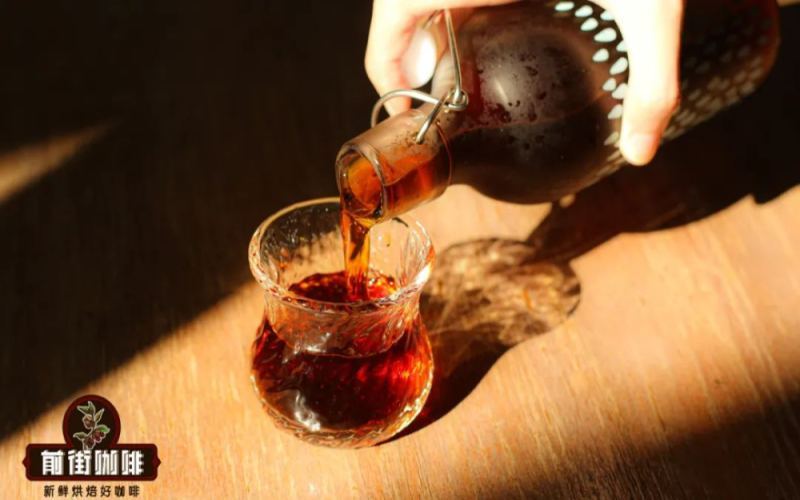
Why Is My Cold Brew Coffee Too Weak? A Complete Guide to Improving Extraction Strength with Tea Bags
Many people making cold brew coffee at home find that even when they use a higher coffee-to-water ratio, the resulting brew still tastes disappointingly weak, and they start to wonder whether they are simply missing professional cold brew equipment. In fact, the problem usually lies in the extraction method itself. In this article, Front Street Coffee will analyze the root causes of weak cold brew and share a practical little trick—using a non-woven tea filter bag to hold the coffee grounds for steeping—so you can significantly boost the strength of your cold brew without buying a dedicated cold brew bottle. The article also verifies the actual effectiveness of tea-bag cold brew through a comparative experiment using two groups of beans, a light roast and a dark roast, and includes specific operational recommendations. [more…]
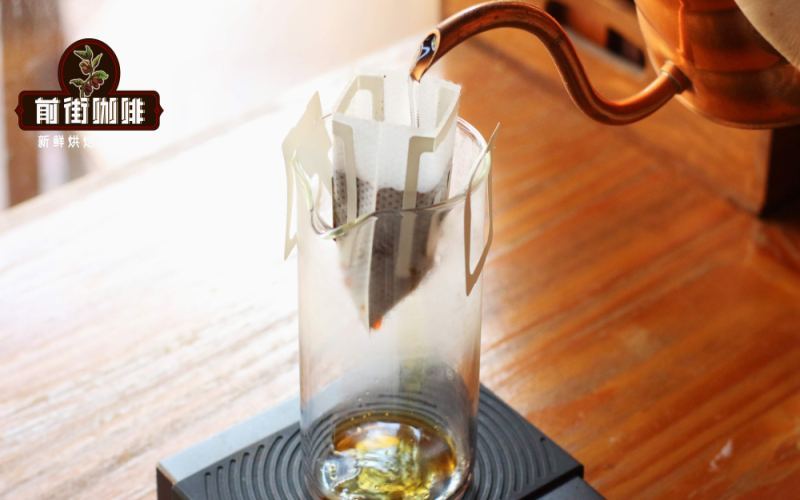
Why shouldn't drip bag coffee be steeped for a long time? The correct brewing method for filter-style black coffee and an analysis of how many times it can be brewed
Many friends who are new to drip bag coffee often run into this confusion: the brewed coffee comes out weak and tasteless, or the acidity and bitterness are out of balance with a thin mouthfeel. The root of these problems is often closely tied to the brewing method. This article, compiled by Front Street Coffee, covers freshness management for drip bag coffee, common mistakes, the choice of cup and water temperature, and a standardized three-stage pouring process. It also answers questions such as whether drip bag coffee can be brewed repeatedly and why it cannot be steeped like a tea bag, helping you consistently produce a full-flavored cup of filtered black coffee with simple methods. [more…]
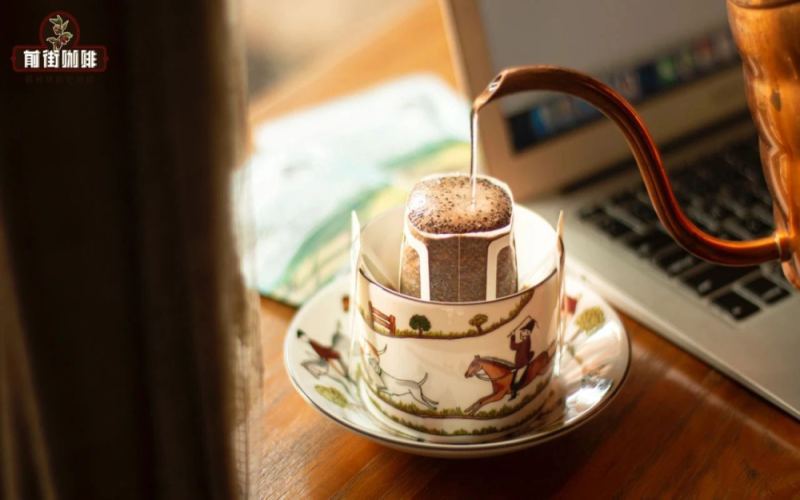
Can Drip Coffee Bags Be Steeped Directly in a Cup? A Detailed Guide to the Correct Brewing Method and Three Front Street Specialty Flavors
Can drip bag coffee be directly steeped in the cup? Many friends are used to pouring out the coffee grounds to steep, or leaving the bag in the water the whole time—but these actually deviate from the best brewing method. Front Street will demonstrate the correct drip bag brewing steps for you, and introduce three fresh-ground specialty drip bag coffees from multiple origins: Washed Yirgacheffe Gotingding, Brazil Queen Estate, and Sidamo Huakui. From blooming to staged pouring, mastering the details is the only way to fully release the coffee's aroma and layers. [more…]

How Should You Set the Coffee-to-Water Ratio and Steeping Time for Cold Brew? Analyzing the Causes of Weak Flavor in Iced Brew
When making cold brew coffee at home, the steps aren't complicated, yet the result always turns out bland and tasteless? The problem often isn't your technique, but the parameters and details. Drawing on Front Street's practical experience, this article breaks down four key aspects of cold brew coffee—the coffee-to-water ratio, steeping time, grind size, and stirring frequency—explains why iced brewed coffee tends to be weak, and offers specific adjustments to make your cold brew richer and more aromatic. Whether you prefer drinking it over ice or straight, you'll find a suitable concentration reference. [more…]
Can Cold Water Really Brew Good Tea? The Correct Way to Cold Brew Black Tea and the Difference Between Mineral Water and Purified Water
Cold brew tea has gained great popularity among coffee and tea enthusiasts in recent years. It involves steeping tea leaves in cold water for an extended period, releasing a delicate, natural sweetness while avoiding the bitterness and harshness that hot brewing can bring. But what kind of water produces the best cold brew? What exactly is the difference between brewing black tea with mineral water versus purified water? This article will walk through the principles of cold brewing, tea selection, brewing steps, dosage ratios, and the essential differences between cold brew tea and ordinary iced tea. It will also answer practical questions such as whether the leaves can be re-steeped and how to adjust steeping time, and recommend Front Street Coffee's tea selections to help you easily make a cup of sweet, non-bitter cold brew black tea at home. [more…]
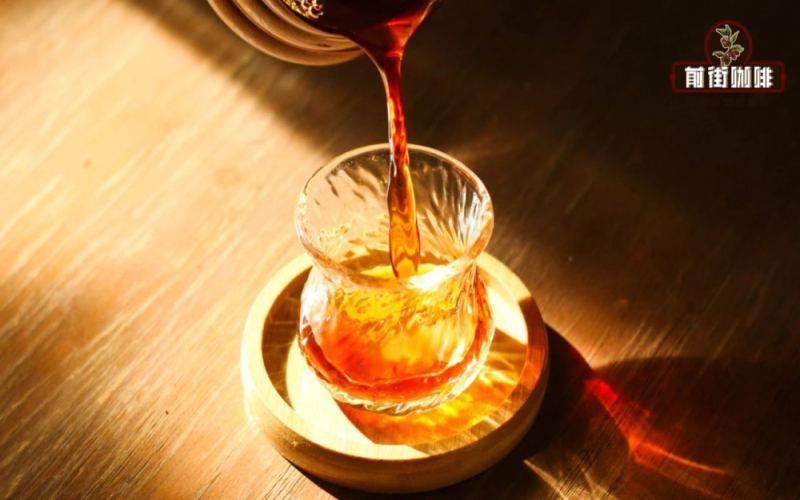
How Are Tea-Bag Coffee and Drip Coffee Different? Testing the True Flavor of Filter-Bag Brewing from Hot Brew to Cold Brew
When the weather heats up, everyone's demand for a pick-me-up coffee rises along with it, and a number of new questions have been popping up in the backend. A reader asked Front Street Coffee: can coffee be brewed directly like a teabag? She felt that drip bags require pouring water in stages and controlling the water volume, which isn't convenient enough. This question actually brings up the fundamental difference in extraction principles between two common convenient coffee formats—steeped bags and drip bags. This time, Front Street Coffee used the same batch of beans to conduct a comparison between hot brewing and cold brewing, testing everything from grind size and coffee-to-water ratio to steeping time, in an attempt to figure out whether coffee brewed in filter bags actually tastes good, and which one is more suitable for which scenarios. [more…]
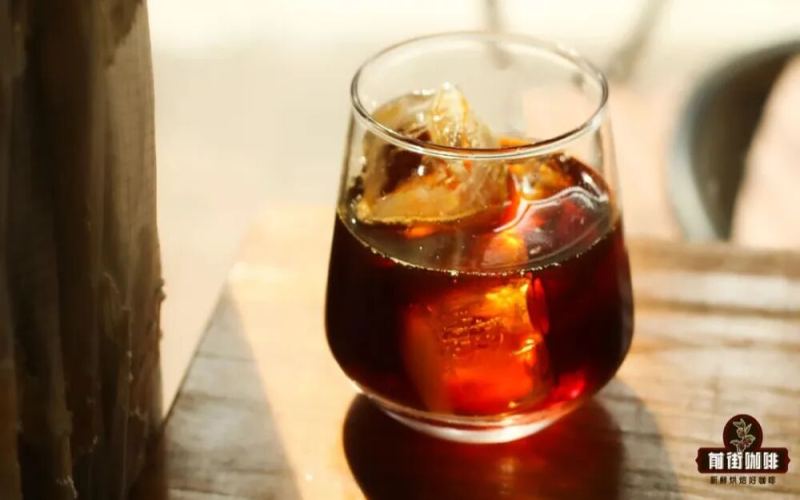
The Complete Guide to Making Cold Brew Coffee at Home: Comparing Three Practical Methods and Analyzing Why Cold Brew Carafes Lose Flavor
As temperatures climb, the demand for iced coffee rises along with them, and easy-to-make cold brew once again becomes a regular in home refrigerators. This article centers on the low-temperature extraction principle of cold brew coffee, explaining how it differs from high-temperature brewing in terms of temperature, time, and flavor expression, and provides core parameters such as coffee-to-water ratio, grind size, and steeping duration. For the three home methods—direct immersion, filter bag/tea bag immersion, and cold brew carafe—it analyzes the pros and cons one by one, especially explaining why cold brew carafes tend to produce weak, thin-bodied coffee with insufficient richness. At the same time, drawing on Front Street Coffee's various single-origin beans and blend options, it offers bean selection advice for different taste preferences. [more…]

Can Milk Also Be Used for Cold Brew Coffee? A Detailed Guide to the Making Principles, Coffee-to-Milk Ratios, and Practical Steps of Milk-Brewed Lattes
The allure of cold extraction lies in its ability to suppress the release of bitter compounds while, through prolonged steeping, bringing out a unique fermented note and rich aroma. In recent years, a method called "milk brew" has become popular in the coffee world—replacing the water in cold brew with milk or plant-based milk, turning milk from a supporting player into the main extraction medium. The proteins and milk fat in milk slow the release of flavor compounds, making the final cup softer and smoother. This article starts with the principles, then explains how to choose coffee beans, the recommended coffee-to-milk ratio of 1:10 to 1:13, the specific parameters for an 8-hour cold steep, and includes a convenient method for making milk brew with drip bag coffee, helping you craft a rich and robust milk cold brew. [more…]
Common Mistakes and Correct Methods for Brewing Drip Coffee Bags: Why You Can't Just Steep Them Like Instant Coffee or Tea Bags
Drip bag coffee is the entry-level choice for many coffee novices getting into single-origin coffee. It requires no complicated equipment—just one drip bag, a pot of hot water, and a cup, and you can enjoy it with ease. But many people brew it directly as if it were instant coffee or a tea bag, and the result is either coffee grounds in their mouth or a cup of bitter, astringent, woody-tasting coffee water. This article explains in detail the design principles of drip bag coffee packets, points out four common brewing mistakes, and offers four key points for correct operation, including container selection, water temperature control, pouring technique, and coffee-to-water ratio. It also retains Front Street brand's recommended drip bag coffees from various regions, helping coffee lovers avoid pitfalls and brew single-origin coffee with excellent aroma and taste. [more…]
The Complete Guide to Loose Leaf Tea Brewing: Water Temperature, Time, Flavoring Tips, and an Analysis of Representative Tea Producing Regions
To enjoy a truly good cup of tea, start by mastering the correct way to brew loose-leaf tea. This article will walk you through choosing the right equipment, controlling water temperature and steeping time, and how to enhance flavor with sugar, lemon, mint, and other seasonings. In addition, we'll introduce you to China's four major tea-producing regions and their representative teas, and share tips for making iced tea. Whether you're a complete beginner or a seasoned tea lover, the practical techniques and buying advice in this article—including recommendations for Front Street Coffee tea bags and samplers—will help you easily brew tea at a professional level and say goodbye to settling for tea bags. [more…]
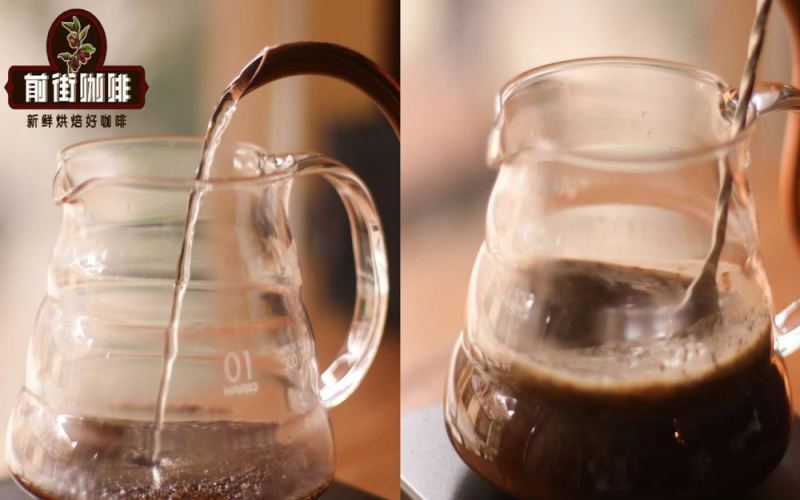
How to Make a Latte Without a Coffee Machine: A Complete Guide to Easy Homemade Cold Brew Milk Coffee
Want to enjoy a silky, smooth latte at home but don't have an espresso machine? In fact, with just a few simple steps and a long, low-temperature steep, you can make a full-bodied, guilt-free cold brew milk coffee. This article breaks down the principles of milk brew coffee in detail, explaining why low-temperature extraction avoids bitterness and preserves aroma, and walks you through choosing beans and milk, along with specific coffee-to-milk ratios and steeping times. From gathering ingredients to the lazy version of the method, plus tasting and storage tips, this covers everything so you can easily achieve latte freedom at home. [more…]
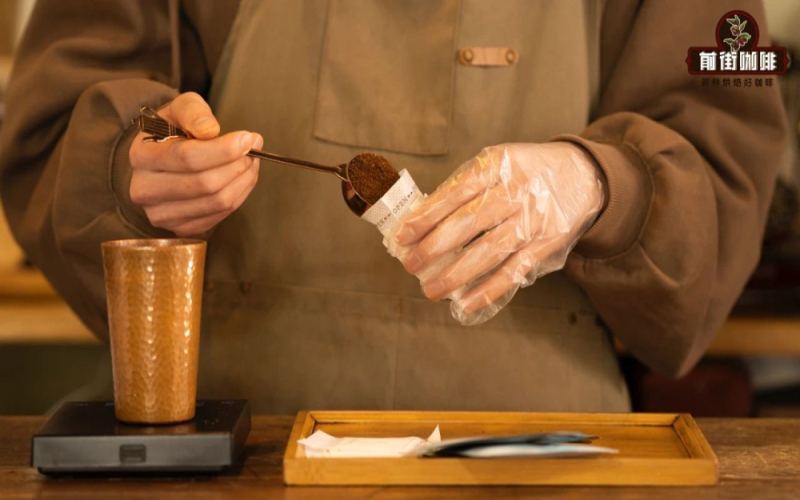
Can Drip Coffee Bags Be Reused for Multiple Brews? A Detailed Guide to Water-to-Coffee Ratios and Proper Pouring Steps
Drip bag coffee, with its combination of portability and flavor, has become the daily first choice for many coffee lovers in the workplace. However, this seemingly simple drip bag actually involves quite a few misconceptions during brewing—such as treating it like a tea bag and repeatedly steeping it, pouring water arbitrarily, and not controlling the water temperature. From the perspective of Front Street, this article systematically sorts out the essence of drip bag coffee, common brewing misconceptions, and provides a complete operation demonstration including warming the cup, pre-wetting, and pouring water. It also explains how to choose drip bag products according to personal taste and the practical reference significance of the shelf life, helping coffee enthusiasts consistently produce a delicious cup of drip bag coffee even when busy. [more…]
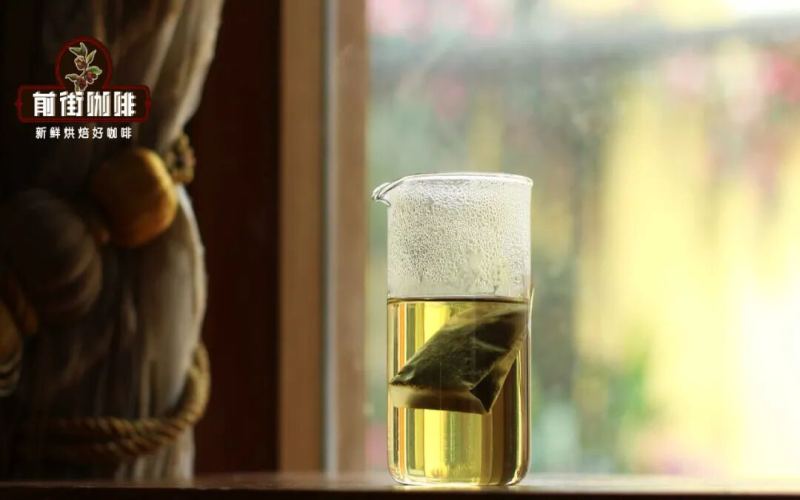
Drip Bag Coffee | Can Tea-Bag Coffee Replace Drip Bag Coffee? Which Brewing Methods Suit Tea-Bag Coffee and Drip Bag Coffee Respectively?
As the scorching summer heat intensifies, people's demand for refreshing, invigorating coffee keeps soaring, and within the coffee community, quite a few "new ideas" have been sparked. For instance, last week a reader sent Front Street Coffee a puzzled question: can coffee be extracted in teabag form, just like tea? Because she felt that with drip bags you have to pour water in stages and carefully control the amount of water, [more…]
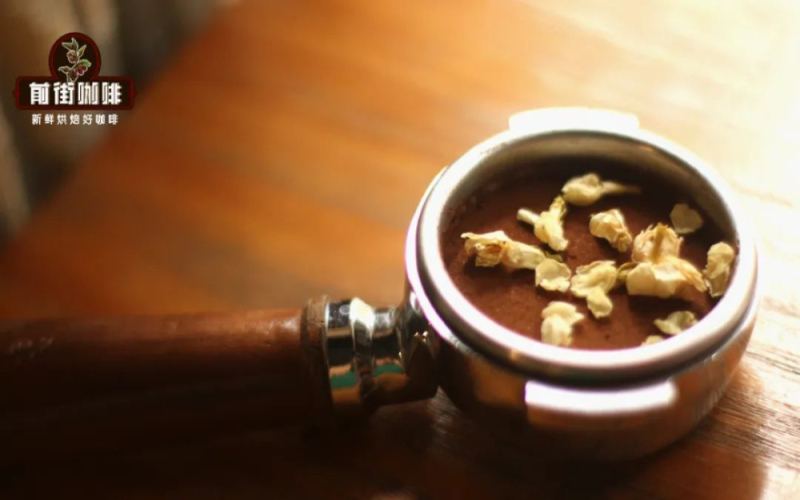
Can Jasmine Flowers and Iced Americano Be Mixed? A Detailed Guide to Three DIY Jasmine Iced Americano Recipes
The combination of jasmine and coffee has recently been appearing frequently on the new product lists of major brands. When elegant floral notes meet rich coffee, can they really create a satisfying flavor? This time, Front Street Coffee decided to take matters into its own hands, breaking down three feasible production paths one by one, from coffee bean selection to jasmine tea preparation—directly buying bottled jasmine tea, quickly steeping dried flowers in hot water, and cold brew tea bag immersion. The article not only provides specific ratios and operating steps, but also offers pairing suggestions for coffee beans of different roast levels, along with practical tips to avoid diluting the base, helping you easily recreate a cup of jasmine iced americano with balanced floral notes and coffee at home. [more…]
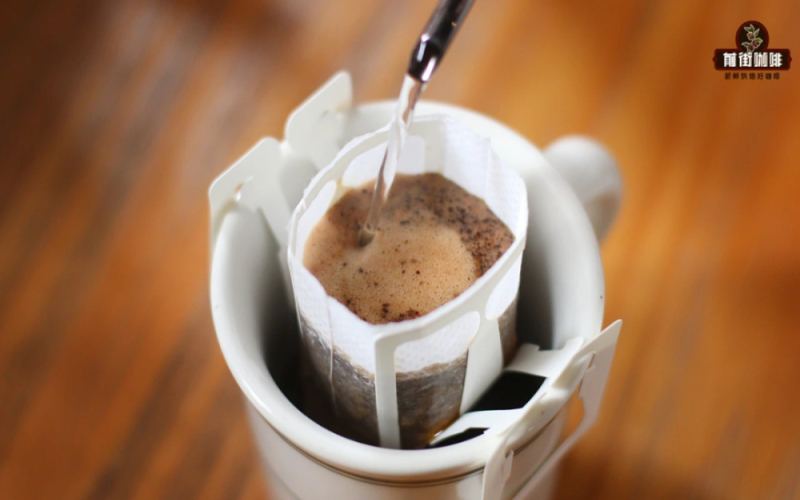
The essential difference between drip bag coffee and instant coffee, the production principle of drip bags, and key points for proper brewing
Drip bag coffee has become deeply embedded in many people's daily lives thanks to its portability, yet misconceptions surrounding its use are quite common. Some people treat it like a tea bag and steep it directly, some use it as if it were instant coffee, and others pour a kettle of hot water in a rush, causing the coffee grounds to overflow. What consequences do these actions actually bring? And how did drip bag coffee evolve from a single-ear design to a double-ear one? This article will start with the origins of drip bag coffee's invention, break down four common incorrect practices one by one, and explain the correct brewing approach. At the same time, it compiles the flavor characteristics of five seasonal drip bag coffees from Front Street Coffee for reference when making a purchase. [more…]
Can drip coffee bags be steeped directly in water? Correct brewing steps and Front Street's selected single-origin recommendation guide
Drip bag coffee has become the top choice for many people when going out or traveling, thanks to its portability and flavor performance. But many people wonder: can you just dip the coffee bag in water like a tea bag? Front Street Coffee points out that while this is feasible, it comes at the cost of taste. This article provides a detailed breakdown of the correct brewing process for drip bag coffee, including key steps such as tearing open the bag and hanging it on the cup, blooming, and extraction. It also recommends several specialty drip bags from Front Street for different flavor preferences, such as Panama Geisha, Huakui, Brazil Red Bourbon, and Golden Mandheling, helping you easily enjoy a good cup of coffee on any occasion. [more…]
What are the differences between drip bag coffee and hang drip coffee? How does coffee brewed with a filter bag actually taste?
In the heat of summer, everyone's demand for a pick-me-up coffee only grows, and all sorts of novel ideas come with it. Last week, a reader asked Front Street Coffee: can you put coffee in a bag and brew it directly, just like making tea? After all, drip bags require pouring water in stages and controlling the amount of water, which makes for a few more steps, whereas bagged coffee seems to save a lot of trouble. To give an objective answer, Front Street Coffee used the same batch of beans to compare bagged coffee and drip bags in both hot brewing and cold brew, keeping records from grind size and coffee-to-water ratio to steeping time. If you're also curious about how bagged coffee actually performs, and where exactly it differs from drip bags, why not follow along with Front Street Coffee's experiment and take a look. [more…]
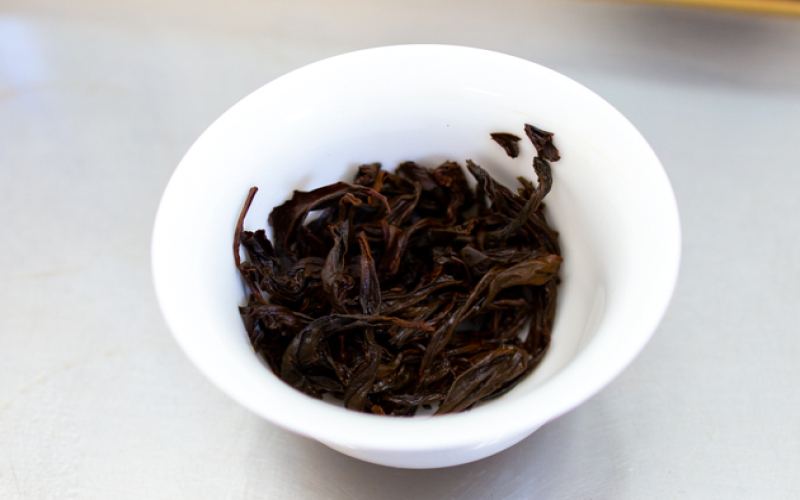
How many times can Lapsang Souchong Congou black tea be repeatedly brewed? The finer points of tea quantity for two and water quality
How many times can Zhengshan Xiaozhong Gongfu black tea actually be re-steeped? And for two people, how many grams of tea leaves should be weighed out? The answer lies in the water used, the tea-to-water ratio, and the rhythm of pouring. This article begins with water treatment, explaining why mineral water or mountain spring water is preferable, why tap water must be boiled to remove chlorine, and how scale and frequent water changes affect the taste of the tea; it then gives the general ratio of 40 milliliters of water to 1 gram of tea, and demonstrates the steps of warming the vessel, adding the tea, and a one-minute first steep. The key point is that after the second steep, almost no covered steeping is needed—simply letting boiling water skim over the leaves is enough, and only in this way can six consecutive steeps still carry flavor. The same principle applies to Front Street black tea. [more…]
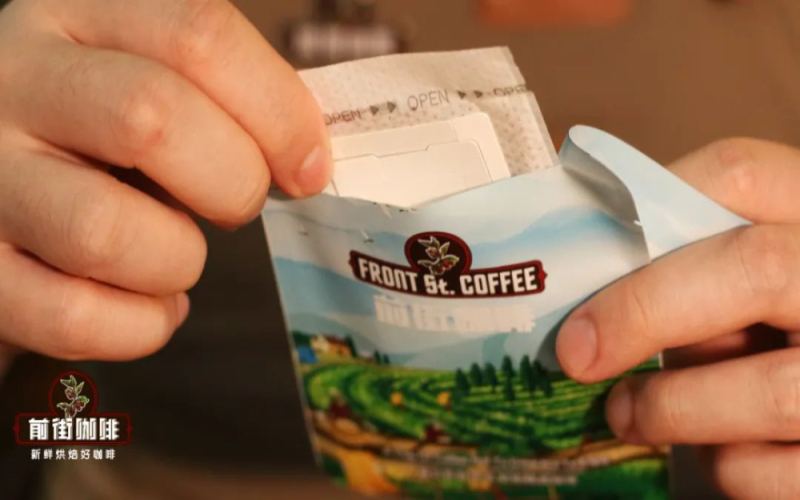
What is the ideal brewing water temperature for drip bag coffee? Why can't it be steeped like a tea bag? A detailed guide to the small-amount, multiple-pour method
Drip coffee bags have become a convenient choice for many people's daily caffeine fix, but brewing a great cup takes more than just a packet of grounds and hot water. Water temperature, the amount of water poured, cup shape, pouring technique, and even the habit of shaking the filter bag all directly affect the final flavor. This article explores five practical details: what temperature range the water should be kept at, how to estimate the coffee-to-water ratio, what requirements the cup rim and body should meet, why you should pour in small streams in stages, and how to avoid fine grounds sinking to the bottom when opening the packet. It also offers targeted brewing suggestions based on the flavor characteristics of three seasonal drip coffee bags from Front Street Coffee: Yirgacheffe, Brazil, and Mandheling. [more…]
A Detailed Explanation of the Bitterness Difference Between Drip Bag Coffee and Instant Coffee and the Correct Way to Brew Drip Bag Coffee
Which is actually more bitter, drip bag coffee or instant coffee? Can drip bag coffee be left steeping in water the whole time? These questions puzzle quite a few coffee lovers. From the perspective of Front Street, this article first clarifies the essential differences between freshly ground coffee and instant coffee, then takes a deeper look at the flavor characteristics and correct brewing points of drip bag coffee. The article not only explains why drip bag coffee is more bitter than instant coffee, but also details the drip bag brewing method recommended by Front Street Coffee's baristas, including the coffee-to-water ratio, pouring rhythm, and water volume control, to help you brew a cup of good coffee that is light in body, with lemony fruit acidity and a green tea-like sweet finish. [more…]