







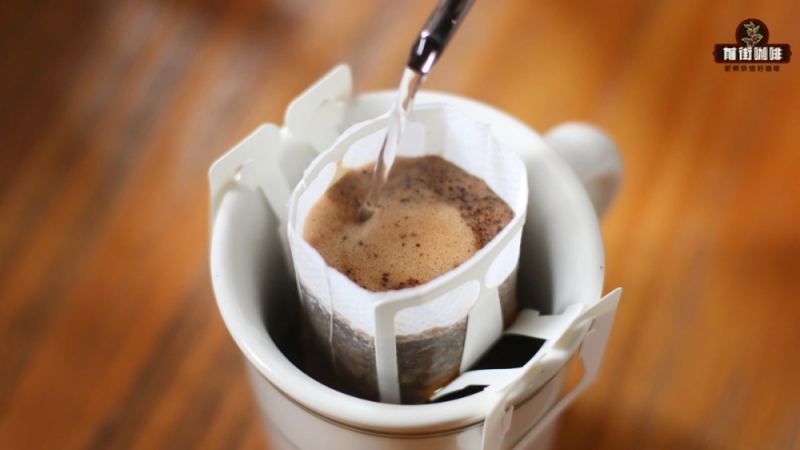
How does drip bag coffee production technology shape brewing?
Drip bag coffee is a single-serve filter bag that hangs on the cup rim and brews by pouring hot water through the grounds, while instant coffee is already dissolved and only needs stirring. The two are made differently, so treating a drip bag like a tea bag or an instant packet leads to weak, uneven cups.
The drip bag grew from a Japanese portable design inspired by stringed tea bags, using non-woven fabric to filter grounds; early versions had one ear before the two-ear shape. Brewing works well in small pours rather than one full kettle, which floods the grounds and overflows the bag. If you want to know how to make coffee with powder, start with a drip bag and pour slowly.
Drip bag coffee has become deeply embedded in many people's daily lives thanks to its portability, yet misconceptions surrounding its use are quite widespread. Some people treat it like a tea bag and steep it directly, some brew it like instant coffee, and others pour a kettle of hot water in one go, causing the coffee grounds to overflow. What exactly are the consequences of these actions? And how did drip bag coffee evolve from a single-ear to a double-ear design? This article will start from the origins of drip bag coffee's invention, break down four common mistakes one by one, and explain the correct brewing approach. At the same time, it compiles the flavor characteristics of five seasonal drip bag coffees from Front Street Coffee for reference when making a purchase.
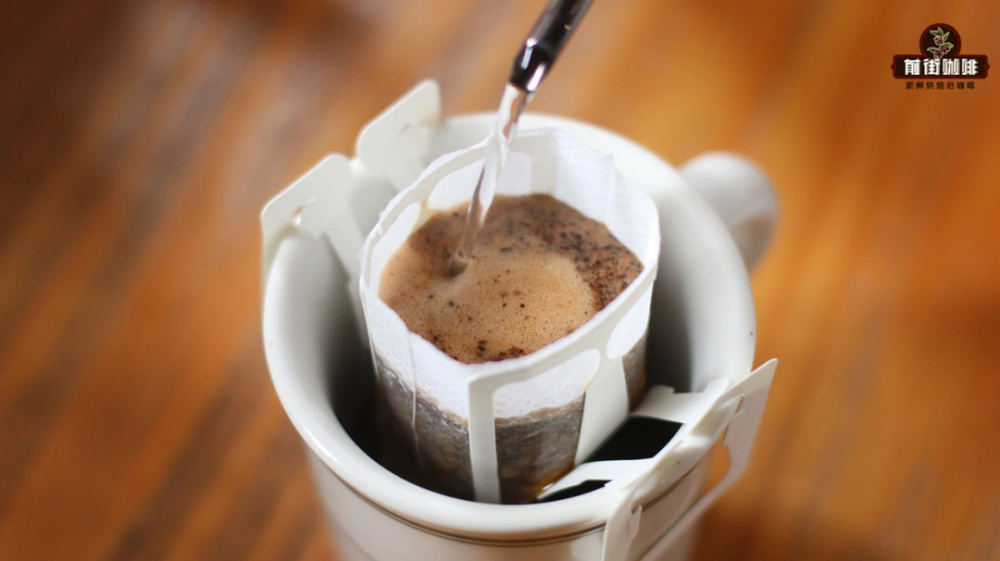
The popularity of drip bag coffee actually far exceeds most people's estimates. Because it is easy to carry, people can make a cup of coffee with it almost anywhere. However, what has truly become widespread is only the format of drip bag coffee itself, and quite a few people still have misunderstandings about the specific steps.
It is not that drip bag coffee can only be brewed in one fixed way, but that certain improper practices can noticeably diminish the drinking experience. So let us first get to know from the beginning what drip bag coffee actually is.
The Definition of Drip Bag Coffee
Drip bag coffee originates from a portable coffee bag invented by Japanese people. This coffee bag has a piece of cardboard extending outward on each side, shaped like little ears, which can hook onto the rim of a cup, so people vividly call it a "drip bag coffee pack," and the coffee brewed with it is naturally "drip bag coffee."
The design inspiration for the drip bag coffee pack came from tea bags with hanging strings. But if the coffee bag were designed by completely copying the tea bag approach, then the coffee grounds could only be soaked in water, with no other way to brew it, and the taste would be very mediocre.
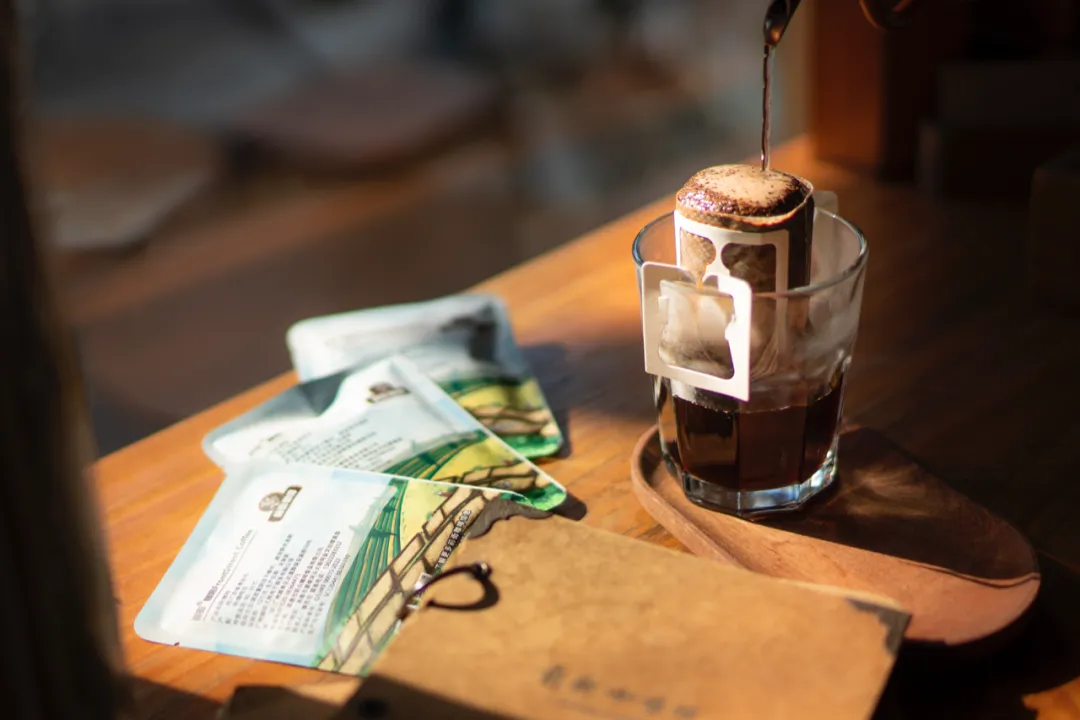
So the inventor pondered repeatedly, trying to recreate the function of the dripper used in pour-over coffee, and ultimately found a solution. The coffee bag uses non-woven fabric, which can effectively filter out coffee grounds. One side of the non-woven fabric is attached to a paper ear that can hang on the rim of a cup—yes, the earliest drip bags had only a single "ear," suspended from the cup for drip-style brewing.
However, in actual brewing, the single-ear coffee bag could not withstand the weight of continuously poured hot water. After repeated improvements, the double-ear drip bag we use today officially came into being. Next, let us look at which practices will ruin the drinking experience of drip bag coffee.
Drip bag coffee is made by grinding coffee beans into powder before packaging. After grinding, the contact area between the coffee grounds and air increases significantly, the internal gases and aromatic components are lost more quickly, and the optimal tasting period is shortened accordingly. The brewed coffee has insufficient aroma and a relatively thin mouthfeel. If stored too long, the coffee grounds oxidize and stale, producing a "woody taste."
Generally speaking, drip bag coffee tastes best within three weeks after roasting is completed. When purchasing, be sure to pay attention to freshness. Front Street Coffee drip bags are all produced within five days after roasting, ground and packed on the spot, and support shipping within twenty-four hours, striving to lock in the coffee flavor to the greatest extent. The following are the five most popular drip bag coffees currently:
1. Front Street Coffee. Sun-Dried G1 Huakui Drip Bag Coffee
Huakui coffee beans use the traditional sun-dried processing method. To prevent the coffee cherries from moldering or picking up odors such as soil during drying, the fruit is dried on raised beds for more than twenty days. This gives Huakui a complex tropical fruit profile, with rich floral and fruity aromas such as flowers, mango, jackfruit, citrus, and honey.
2. Front Street Coffee. Yirgacheffe Gudingding Drip Bag Coffee
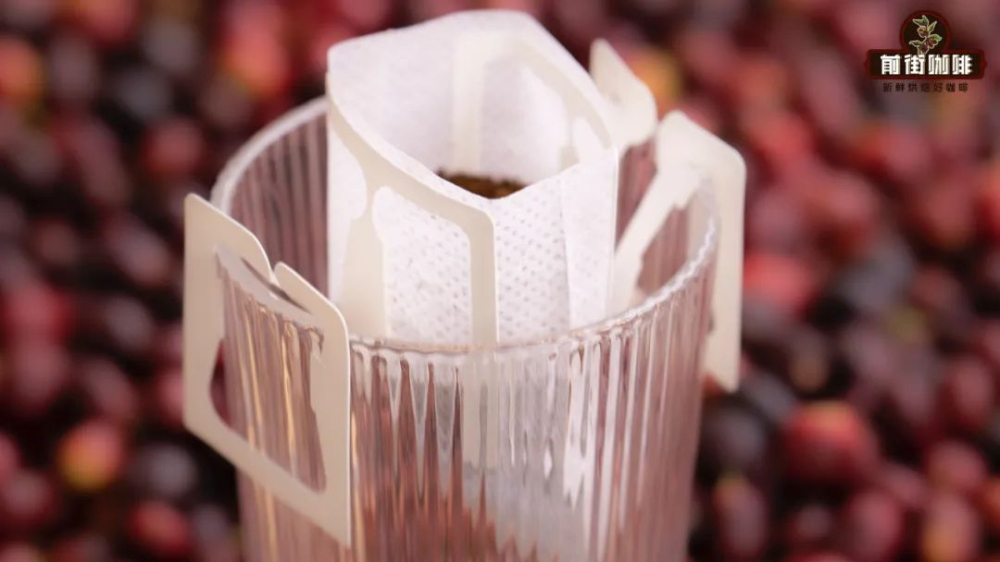
Brewed flavor: The overall mouthfeel is solid, with fermented aromas and tropical fruits standing out more prominently. As the temperature changes, berry and cream flavors emerge, and a citrus-like sweet-and-sour aftertaste lingers on the lips and teeth for quite a while.
3. Front Street Coffee. Indonesia Mandheling G1 Drip Bag Coffee
Brewed flavor: Fine herbal notes, with stronger sweetness and aromas of caramel, nuts, and dark chocolate. Low acidity, rich sweetness, and a full-bodied yet bold spice flavor.
4. Front Street Coffee. Yunnan Small-Bean Drip Bag Coffee
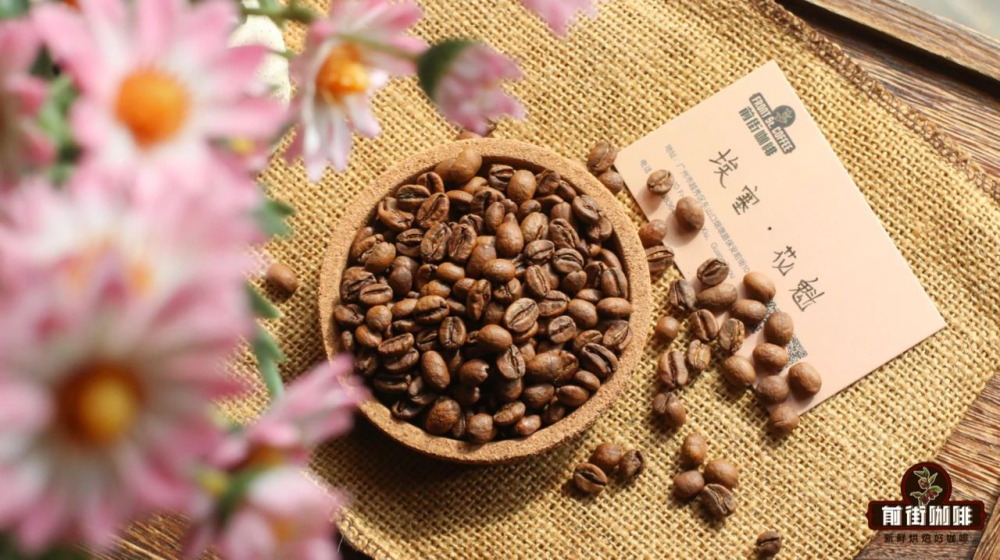
Brewed flavor: As a representative of Chinese specialty coffee, Front Street Coffee Yunnan Small-Bean Drip Bag uses a medium roast, with a smooth mouthfeel, presenting nutty notes as well as herbal, chocolate, and caramel flavors, with a slight fruity acidity in the aftertaste.
5. Front Street Coffee. Brazil Cerrado Red Bourbon
If you neither like acidity nor want it too bitter, you can try Front Street Coffee Brazil Cerrado Red Bourbon drip bags. Medium roast, rich nutty aroma, not too bitter, with unobvious acidity, suitable for those seeking a balanced taste.
Mistake One: Steeping It Directly Like a Tea Bag
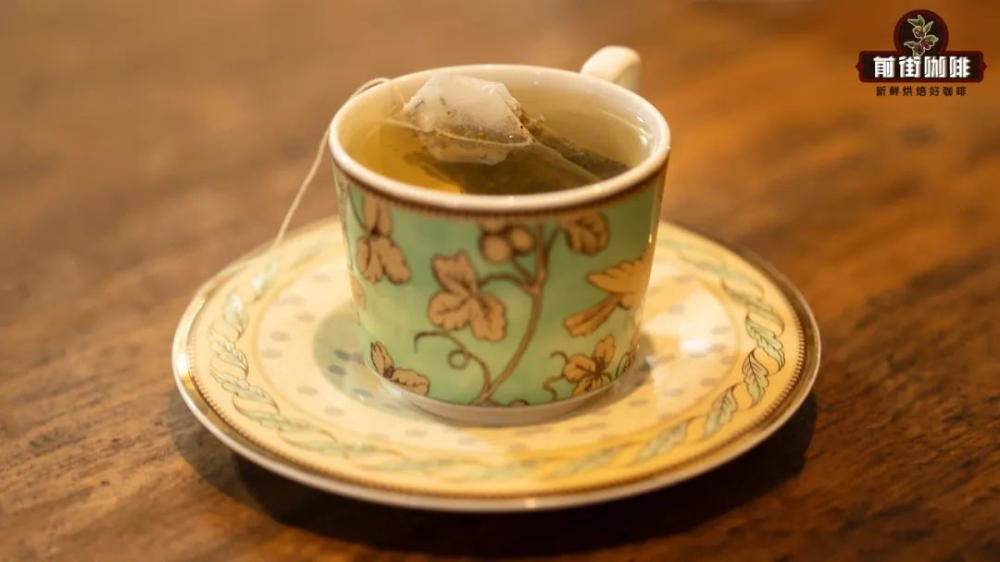
Many people mistake drip bag coffee packs for tea bags and throw them into water without tearing open the seal. What happens if you do that?
The result is that the coffee tastes extremely weak, mixed with a slight woody and cardboard aroma. The reason is that although the drip bag is similar in material to a tea bag, its thickness is different. When the seal is not opened, hot water can only seep in from around the drip bag, and it takes a long time to soak through to the coffee grounds in the center. If you take it out before it has soaked long enough, what you get is almost a cup of water with a coffee taste.
Even if the steeping time is extended, the gradually cooling hot water, without stirring, can hardly allow the coffee grounds in the center to be fully extracted.
(By the sixth minute of steeping, some of the coffee grounds in the central area remain unwetted.)
Another situation is that before the central coffee grounds finish extracting, the flavors of the outer coffee grounds and the drip bag material have already been released first. Some soluble substances in coffee are best avoided in extraction because they may bring negative flavors such as bitterness and off-flavors. Add to that the papery taste of the drip bag, and although this cup of coffee is not so bad that you cannot swallow it, it is still hard to call it good.
Mistake Two: Brewing Drip Bag Coffee as If It Were Instant Coffee
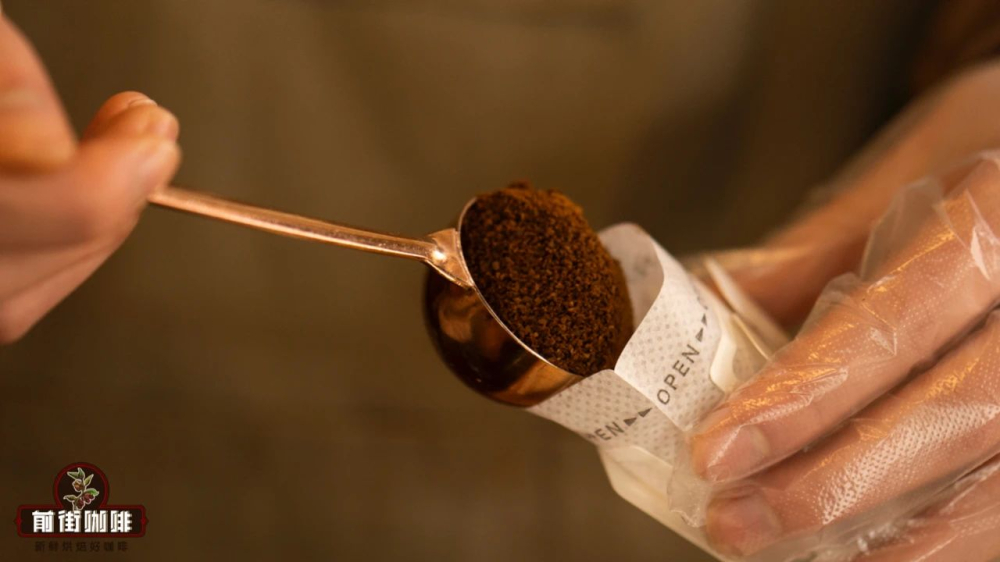
Many people are used to brewing drip bag coffee as if it were instant coffee, but the two are completely different. Instant coffee is made by first using drying technology to turn extracted coffee liquid into powder, so after adding hot water the granules dissolve, essentially restoring it to coffee liquid.
Drip bag coffee is different. The granules in the drip bag are made by directly grinding coffee beans, about seventy percent of which are insoluble woody fiber. If you brew it like instant coffee, never mind the taste—the mouthfeel of one sip of coffee and one sip of grounds is already hard to enjoy.
Mistake Three: Pouring Too Much Hot Water at Once
Front Street Coffee happens to have kept an old photo that illustrates the problem very well.
Most people use a household kettle when brewing drip bag coffee, and with a little carelessness they pour in too much hot water, causing the coffee grounds to overflow. The result, as in the photo above, is that it is very easy to end up with a mouthful of coffee grounds.
Mistake Four: The Cup Is Too Short or Too Small
Front Street Coffee has previously written quite a few articles about cups for drip bag coffee. If you use a shorter cup to brew drip bag coffee, the coffee liquid will simultaneously form an immersion during the brewing process, making it very easy to extract an over-extracted bitter taste.
So what is the correct way to brew drip bag coffee?
For the most basic and conventional drip bag brewing method, you can refer to the article "How Is Drip Bag Coffee Brewed Simply?" Front Street Coffee would like to share a few key points here: choose a taller container to reduce immersion extraction; pour hot water in multiple small increments to avoid hot water carrying coffee grounds over the edge; and simply control the appropriate water temperature and coffee-to-water ratio.
In the end, whether it is drip-style brewing or immersion extraction, the ways to enjoy drip bag coffee are by no means limited to any single method. It is just that during the process, it is best to avoid those practices that bring a negative experience, so as to reduce unpleasant feelings when drinking coffee.
The above content is compiled by CoffeeHunters, a coffee news website.


