








How Does Cold Brew Differ From Hot Street Coffee Brewing?
Cold brew is made by grinding coffee, adding cold water in a set ratio, sealing the container, and refrigerating it overnight before filtering out the grounds. Because extraction happens near 0°C over many hours rather than in the 82–95°C range used for hot brewing, small-molecule acidity and sweetness come through first while bitter compounds stay largely suppressed, giving a soft, rounded cup.
Three home approaches work: direct immersion in a jar, a filter bag or tea bag, and a dedicated cold brew pitcher. The pitcher tends to produce weaker flavor and thinner body, largely because its filter design limits contact between water and grounds and holds back the fine particles that add texture. Coffee-to-water ratio, grind size, and steeping time are the parameters that decide the outcome, and bean choice should follow the taste you want.
As temperatures climb, the demand for iced coffee rises accordingly, and the easy-to-make cold brew once again becomes a regular fixture in home refrigerators. This article centers on the low-temperature extraction principle of cold brew coffee, explaining its differences from high-temperature brewing in terms of temperature, time, and flavor expression, and provides core parameters such as coffee-to-water ratio, grind size, and steeping duration. For the three home methods—direct immersion, filter bag/tea bag immersion, and cold brew pitcher—it analyzes the pros and cons one by one, especially explaining why cold brew pitchers tend to produce weak flavor and insufficient body. At the same time, drawing on Front Street Coffee's various single-origin beans and blend options, it offers bean selection advice for different taste preferences.

As soon as the weather turns hot, the number of people craving iced coffee clearly increases. For this very reason, cold brew—with its low barrier to entry and minimal fuss—has once again been stashed in everyone's fridge, ready to take charge of cooling down the entire summer. Recently, several coffee newcomers have come into Front Street Coffee shops, wanting to buy beans suitable for cold brew and asking whether there are low-cost ways to make it. Today, let's unpack this topic.
So-called cold brew usually involves grinding coffee beans into powder, adding cold water in a certain ratio, sealing it, and refrigerating it overnight, then filtering out the grounds—the resulting liquid is cold brew coffee.
Low-temperature extraction and long duration are the two most prominent labels of cold brew, and they are also where it sets itself apart from high-temperature brewing. The water temperature for high-temperature brewing mostly falls within the range of 82–95°C, with the whole process generally kept under 3 minutes. Cold brew, by contrast, reacts under conditions close to 0°C throughout; small-molecule flavor compounds偏向 acidity and sweetness emerge first, while the dissolution of larger, more bitter components is also somewhat suppressed. As a result, cold brew tends to have soft acidity, a rounded mouthfeel, low bitterness, and a hint of sweet aftertaste—which is also why it is so popular.
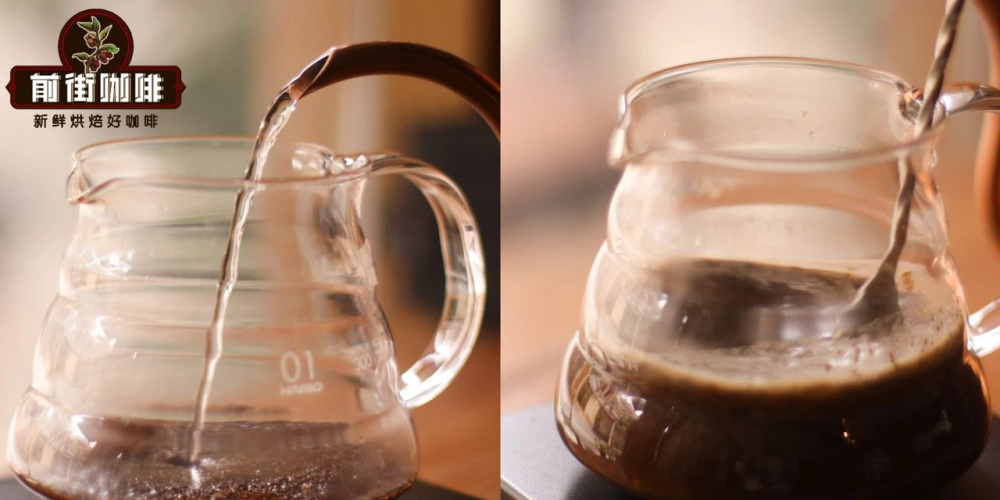
Search online for cold brew methods and you'll easily find quite a few versions, but ultimately, the core still comes down to two things: coffee beans and parameters.
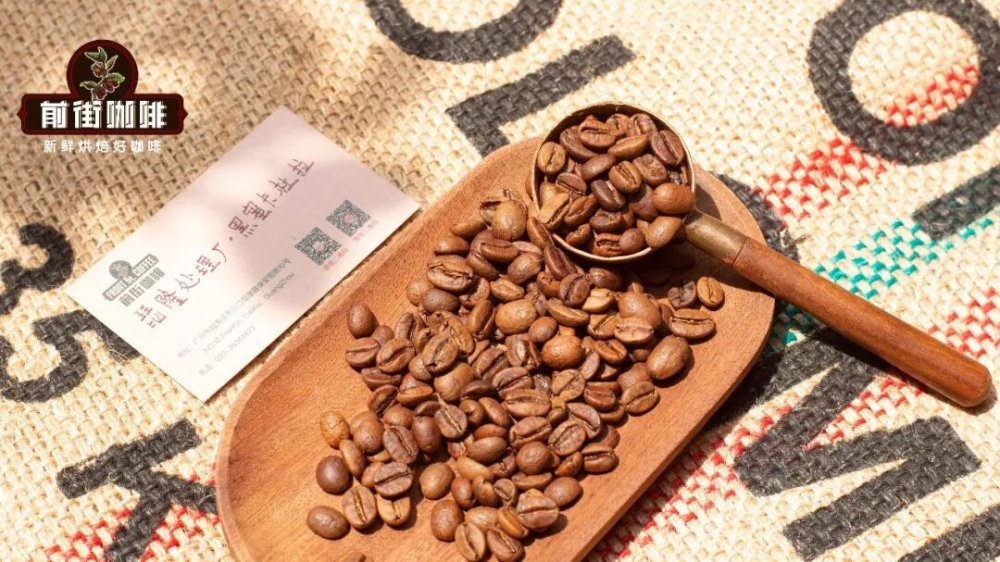
The fermented aroma and refreshing coolness of cold brew can instantly make one feel refreshed, so when buying coffee beans, you can prioritize types with rich fruity aromas or lively acidity, and choose from coffee-producing regions in Africa and Central and South America.
If you are especially obsessed with floral aromas and aren't afraid of acidity, you can try Front Street Coffee Fruit Ding Ding; if you want to make a cold brew with a juicy feel, Front Street Coffee Little Tomato is an option; if you prefer iced coffee with prominent sweetness, choose light-to-medium roasted Costa Rican or Colombian single-origins, such as Front Street Coffee Blackberry, Front Street Coffee Sidra, and Front Street Coffee Big Belly.
tips: Some friends have told Front Street Coffee that they usually like to use fruity single-origin beans to make cold brew, but the cost is too high to bear. So Front Street Coffee suggested she find a bean with a gentle profile that doesn't overpower other flavors and is also affordable for blending, such as Front Street Coffee Sidra 30% + Front Street Coffee Yirgacheffe 70% (cold brew flavor: passion fruit, grape, citrus, floral), or Front Street Coffee Hamasho 30% + Front Street Coffee Huakui 70% (cold brew flavor: tropical fruit, black tea, pineapple, honey aroma).
Home cold brew parameters:
Coffee-to-water ratio: 1:10–1:12
Grind size: white sugar (light-to-medium roasted coffee beans at EK43s setting 9.5, medium-dark roasted coffee beans at EK43s setting 10 / China No. 20 sieve pass rate 80%)
Steeping time: 6–14 hours
So based on these parameters, what methods can be used to make cold brew coffee?
Direct immersion method
Direct immersion, as the name suggests, means letting cold water steep with coffee grounds for extraction. Because there are fewer obstructions, the two can come into fuller contact and release flavor compounds into the water.
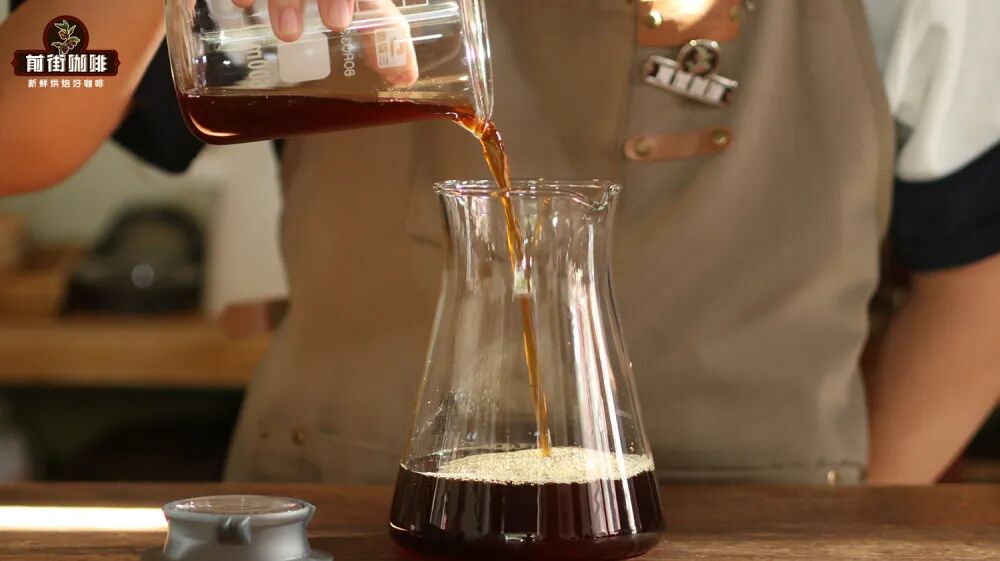
This method only requires a clean container large enough, preferably sealable, plus a dripper and filter paper or a metal filter—that's enough to make a full-bodied, clean-tasting cold brew coffee. It is the simplest and most cost-effective home method. (For specific steps, you can refer to this Front Street Coffee article: Ice Drip and Cold Brew: How to Make Coffee Shop-Level Coffee?)
Pros: richer flavor, lower cost;
Cons: because the coffee grounds absorb water fully after steeping, they easily clog the gaps in the filter paper, so the filtration speed is very slow and often requires a long wait.
Filter bag/tea bag immersion method
This method requires a filter bag to hold the coffee grounds, but there aren't many restrictions—common tea bags or home spice bags will work as long as they are clean and don't leak grounds. When making cold brew, first put the coffee grounds into the filter bag, tie it securely, then place it in a pitcher with water to steep. When time is up, no filtering is needed—just lift the filter bag out directly, and you have extracted coffee liquid.
Pros: eliminates the step of filtering out coffee grounds, and the cost isn't high.
Cons: because the clumped coffee powder bag has poor water absorbency, it will float on top, causing slow extraction efficiency. So it's best to use a slightly larger filter bag, leaving space for water to enter.
Cold brew pitcher method
Compared with the previous two substitute versions, the cold brew pitcher is a purpose-built coffee tool, so its functions are relatively complete. Besides a built-in filter, some models also provide markings for coffee powder and water volume, thus eliminating the weighing step. After steeping, just pour out the coffee grounds and it's ready to drink.
Pros: most convenient
Cons: because the coffee grounds are contained within the filter, it is difficult for water to fully penetrate and extract flavor compounds, so the taste tends to be weak, and the body is not as good as the direct immersion method; moreover, some cold brew pitchers' built-in filters are not fine enough, so the extracted coffee liquid sometimes retains extremely fine particles and a thin layer of condensed oils, making it taste slightly rough. If you want to improve the mouthfeel, you'll need to strain it again with filter paper.
However, for people who don't use it frequently, the cold brew pitcher often gets forgotten in a corner gathering dust, so before making coffee, be sure to clean it thoroughly inside and out.
The above content is compiled by CoffeeHunters, a coffee news website.


