








How Does the Coffee Extraction Process Work in Milk Cold Brew?
Yes, milk can replace water as the extraction medium in cold brew. The proteins and milk fats slow the release of flavor compounds, so the drink tastes softer and less bitter than black cold brew. A common ratio is one part coffee to ten or thirteen parts milk, steeped cold for about eight hours.
This method, often called milk brew, moves milk from a supporting role to the main solvent in the coffee extraction process beverage. Because the extraction rate stays lower, fewer harsh compounds reach the cup. Drip bag coffee offers a simple route: place the bag in milk, refrigerate, and let the eight-hour steep finish the job.
The allure of cold extraction lies in its ability to suppress the release of bitter compounds while bringing out a unique fermented quality and rich aroma through prolonged steeping. In recent years, a method called "milk brew" has become popular in the coffee world—replacing the water in cold brew with milk or plant-based milk, letting milk shift from a supporting role to the main extraction medium. The proteins and milk fats in milk slow down the release of flavor compounds, making the final cup softer and smoother. This article starts with the principles, then explains how to choose coffee beans, the recommended ratio of coffee to milk from 1:10 to 1:13, the specific parameters for an 8-hour cold steep, and includes a convenient method for making milk brew with drip bag coffee, helping you craft a rich and satisfying milk cold brew.

Cold-extracted coffee is so captivating because it not only effectively reduces the release of those bitter compounds that tend to cluster in the tail end, but also, through prolonged steeping, draws out a distinctive fermented mouthfeel and intense coffee aroma.
In our traditional understanding, cold brew coffee is simply made by steeping coffee grounds directly in cold water to produce a cup of black coffee. As people come up with more creative methods, a new style called "milk brew"—milk cold brew coffee—has emerged in recent years, which essentially replaces the water in cold brew with milk or plant-based milk. So, does it taste good?
Why use milk to brew coffee?
Compared to the bittersweetness of black coffee, many people prefer the smooth mouthfeel of milk coffee, such as the well-known caffè latte. It goes down easily while retaining the solid aroma that coffee should have, and adds a touch of milk sweetness to the coffee.
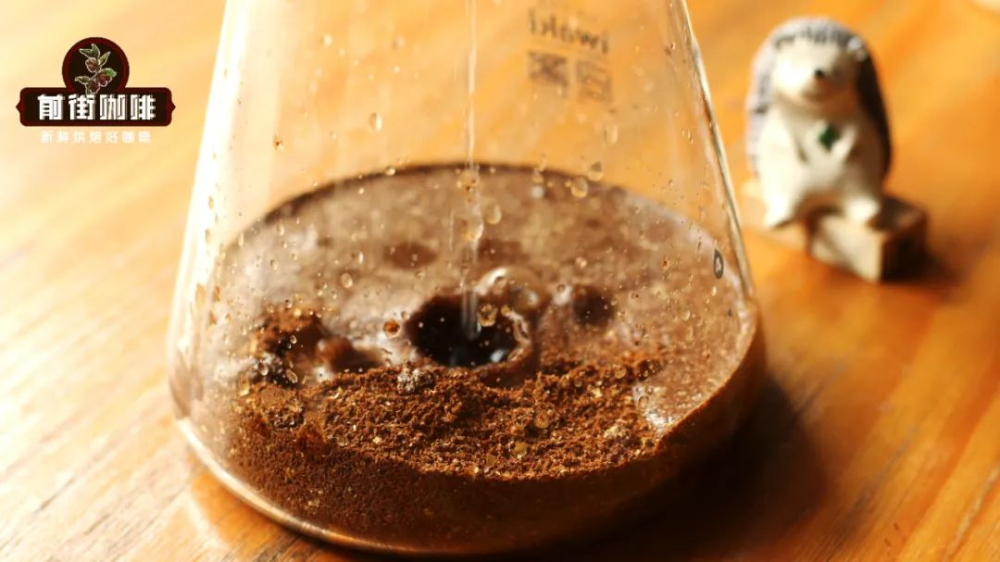
But in cold brew, milk no longer just plays the role of balancing and diluting espresso—it takes on the job of extracting flavor compounds, achieving a moderately concentrated milk coffee through prolonged contact with coffee grounds. At the same time, because milk is rich in proteins, milk fats, and other components, it further slows the release of certain mellow compounds, resulting in a lower extraction rate and therefore a softer mouthfeel in the final milk coffee.
How do you make a cold brew latte? What parameters to use?
Although Front Street Coffee couldn't find the specific origin of this milk cold brew coffee, there are plenty of tutorials online for reference on how to make it. As long as you choose the right materials, from grinding to filtering out the grounds, it's only a simple 5-step process—truly a "anyone can do it" series.
To avoid the milk coffee coming out too sour or bland, when it comes to choosing coffee beans, Front Street Coffee recommends using medium-dark roasted beans with caramelized aromas—that is, products with tasting notes of chocolate, hazelnut, caramel, cream, spices, or cocoa on the bag, such as Papua New Guinea Paradise Bird, Brazil Queen's Estate, or Colombia Huila. Alternatively, espresso beans with descriptions like fermented wine notes, butter cookies, or dried fruits—like Front Street's Sunflower Warm Sun blend—are also suitable for milk cold brew.
To make the milk coffee more aromatic and rich, the ratio of coffee to milk needs to be just right. Front Street Coffee has done many comparisons and found that a coffee-to-milk concentration of 1:10 to 1:13 gives the most balanced mouthfeel, entering the mouth as robust as a stirred Dirty.
Also, it's best to grind the beans fresh and extract immediately to preserve aromatic compounds to the greatest extent. For milk, it's recommended to use fresh milk with higher lactose and milk fat content—brands commonly seen in coffee shops like Bright Dairy, Meiji, Vitasoy, and Wei Chuan can all produce a silky-smooth milk coffee.
Like regular cold brew, milk brew can be made in two ways: direct steeping or using a tea filter bag. You can choose based on the tools you have on hand.
Direct steeping is the most convenient, as it only requires a clean sealed container and filter paper. It also allows the soluble compounds in the coffee to be more fully released into the milk, with extraction completing in 5 to 6 hours. The biggest downside is the long wait during filtering. Using a filter bag to contain the coffee grounds is much less hassle, but since the coffee grounds are separated, milk has a harder time penetrating to extract compounds compared to water, so we need to extend the steeping time accordingly to let the coffee "release its flavor."
Materials needed: fresh milk, coffee grounds, a clean sealed container, and a tea filter bag.
Brewing parameters: 20g Elida Estate Catuai coffee beans, 1:10 coffee-to-liquid ratio (add 200g milk), fine sugar grind (EK43s setting 10 / 80% passing through China No. 20 standard sieve), 8-hour cold steep time. Let's start brewing~

Front Street Coffee first grinds 20g of Elida Estate beans to a fine sugar consistency and puts them into a tea filter bag.
After tying the string tightly, place it into the container. (This step must be done carefully to secure the filter bag tightly and prevent grounds from escaping.)
Then take fresh milk from the refrigerator and pour in 200ml. Use a spoon to make sure the coffee bag is fully submerged. Finally, cover with a lid or plastic wrap and refrigerate for 8 hours.
After steeping, simply pull out the coffee bag and you've successfully got a rich, ice-cold milk coffee. At this point, the coffee is aromatic, rich, and thick on the palate, with flavors resembling peach-flavored cookies. It's on the stronger side, so you can add some ice cubes when drinking. (Considering that milk is a beverage that spoils very easily, Front Street Coffee recommends drinking the finished milk brew coffee the same day to avoid digestive discomfort.)
Drip bags can also make milk brew coffee
If you have drip bag coffee on hand and a bottle of fresh milk, you can make a cup of milk brew coffee even more easily. Using the ratio from Front Street Coffee above as a reference, one 10g drip bag corresponds to 100–130ml of fresh milk. So if the fresh milk you bought comes in a 250ml bottle and you want a richer coffee flavor, you can use 2 drip bags.
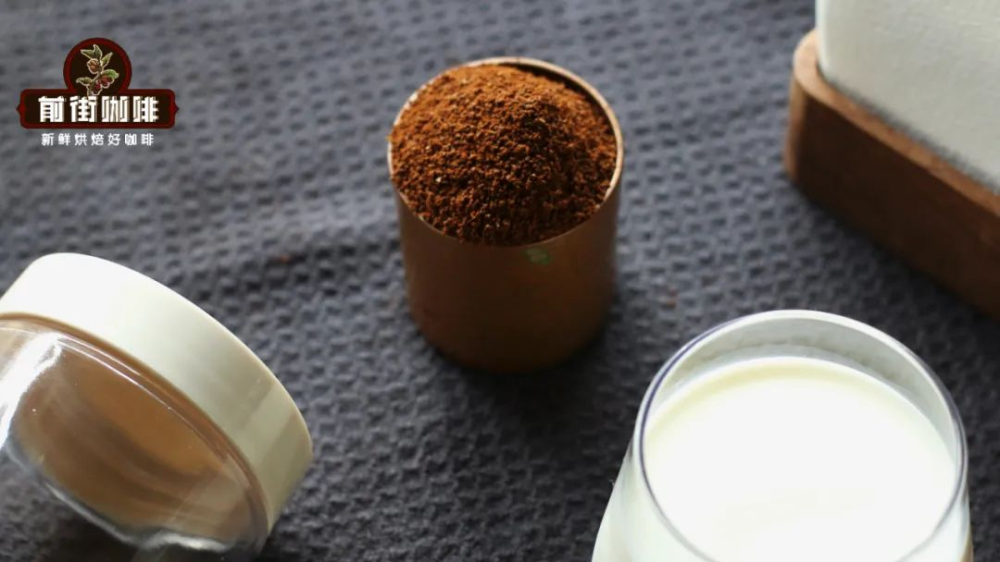
The process is simple: take out the drip bag without tearing it open, drop it directly into the milk with the filter bag still on, tighten the bottle cap, shake gently up and down, and refrigerate overnight. The next morning, take it out and shake it again, discard the drip bag, and your coffee is ready.
One important note: when making cold brew with drip bag coffee, be sure to remove the paper cardboard from the packaging, keeping the bag "bare" before putting it into the milk, so as not to affect the coffee's flavor.
- END - Front Street Coffee (FrontStreet Coffee)
No. 10 Baoqian Street, Yandun Road, Dongshankou, Yuexiu District, Guangzhou, Guangdong Province
The above content is compiled by CoffeeHunters, a coffee news website.


