







As the weather heats up, demand for a pick-me-up coffee rises along with it, and plenty of new questions have been popping up in our inbox. One reader asked Front Street whether coffee can simply be brewed like a tea bag. She felt that drip bags require pouring water in stages and carefully controlling the amount, which isn't convenient enough. This question actually points to a fundamental difference in extraction principles between two common convenient coffee formats—steeped bags and drip bags. This time, Front Street brewed the same bean both hot and cold to compare, testing grind size, coffee-to-water ratio and steeping time one by one, to figure out whether coffee brewed in a filter bag actually tastes good, and which option suits which scenario better.
As the hot weather drags on, the demand for a coffee that can perk you up keeps climbing, and the coffee world has spawned plenty of new brewing methods as a result. Last week, a reader left a message for Front Street wanting to know whether coffee could be made into a tea-bag
The prerequisite for a good cup of coffee is always that the beans themselves are good enough. When choosing drip bag coffee, beginners can prioritize specialty coffees with highly distinctive flavors: if you prefer floral notes, try Front Street. Panama Geisha drip bag—this bean is among the most expensive coffees in the world; if you like a bright acidity, Front Street. Flower Queen drip bag coffee is worth picking up, with notes of black tea and berries.
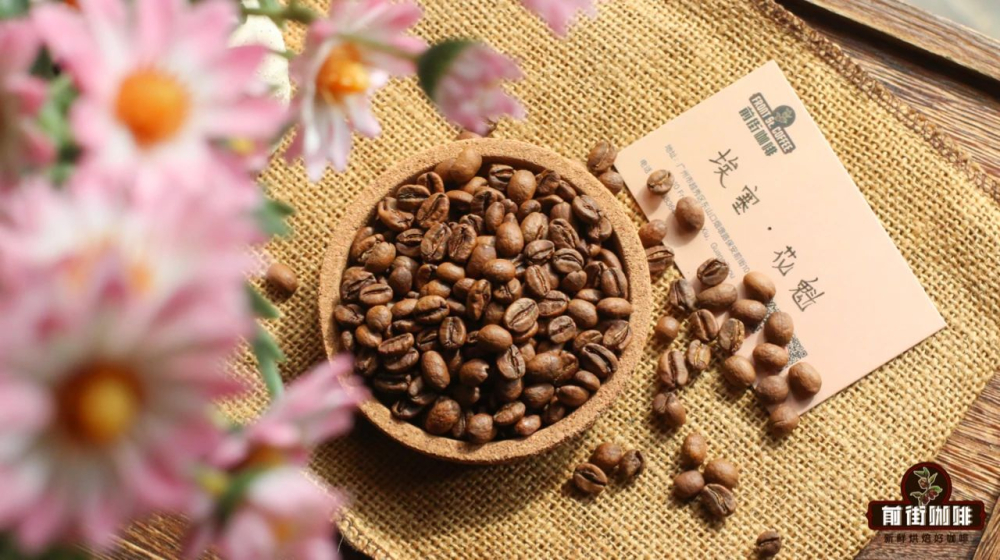
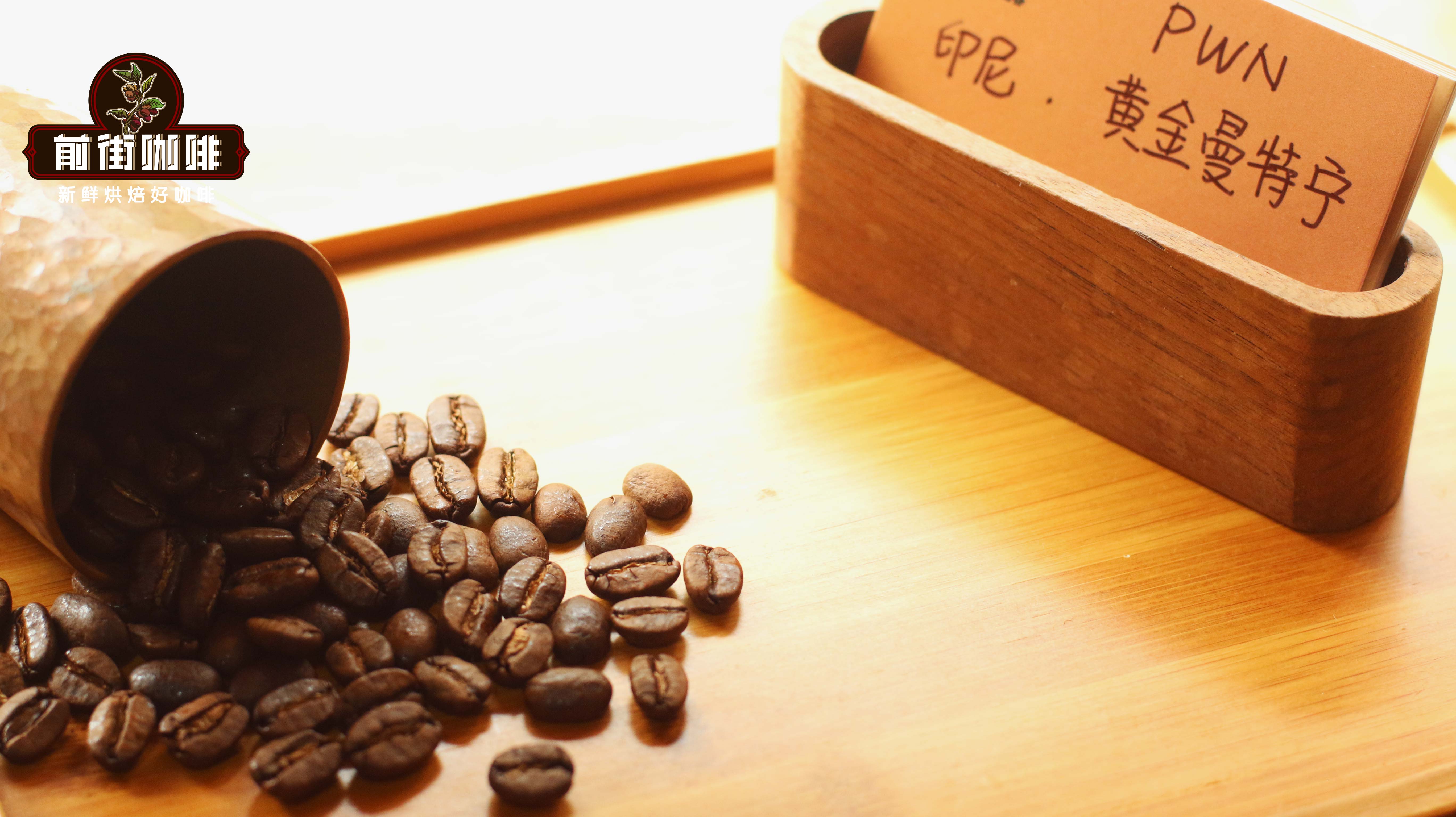
If you prefer a balanced profile—meaning neither acidity nor bitterness stands out—Front Street. Brazil Semi-Washed drip bag is a better fit; for drinkers chasing a solid, full-bodied mouthfeel, Front Street. Golden Mandheling drip bag coffee is recommended. This bean undergoes multiple rounds of hand sorting, bringing the defect rate down very low, resulting in clearer aroma expression and a more ideal sweet aftertaste.
The Core Characteristics of Tea-Bag Coffee and Drip Bag Coffee
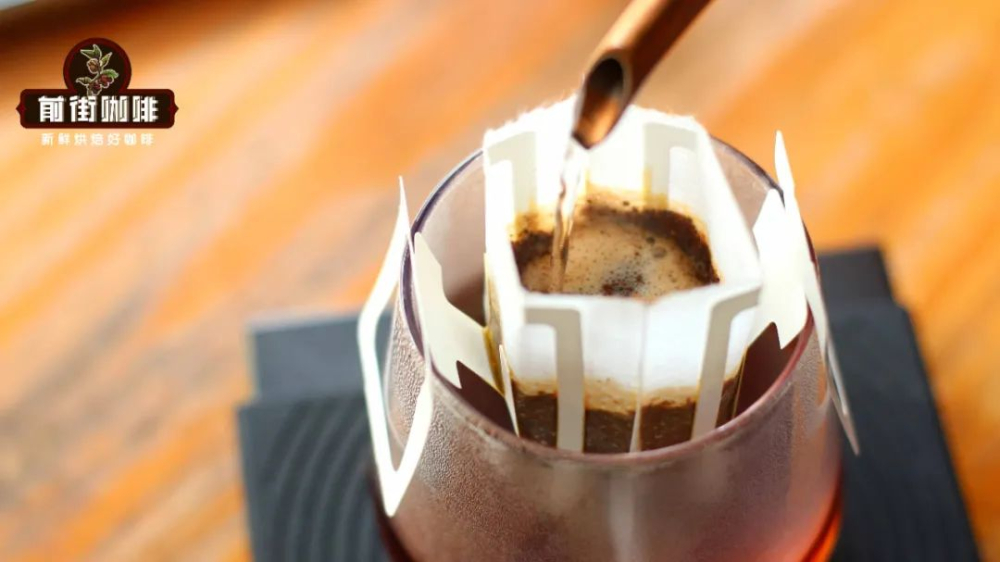
Let's first briefly recap the more familiar drip bag coffee. Drip bags sold on the market consist of pre-ground coffee beans placed into a non-woven filter bag. During brewing, the paper tabs on both sides of the filter bag hook onto the rim of the cup, suspending the coffee packet in the center—essentially a simplified pour-over setup. When you want a cup, pour in an appropriate amount of hot water, wait for the liquid to fully drain through, and you get an instant black coffee.
As a type of drip coffee, the flavor of a drip bag depends not only on the bean variety but is mainly influenced by several variables: grind size, coffee-to-water ratio, water temperature, and the flow rate of pouring.
Tea-bag coffee is also a convenience product, but as the name suggests, it takes the immersion extraction route. Because it uses a small sealed pouch similar to a tea bag, you place the entire packet into water during brewing, allowing soluble compounds to diffuse out through the pores of the bag on their own.
It's said that as early as 18th-century France, people would put ground coffee into a large cloth bag, tie it tightly, and drop it into hot water to boil. Once the desired strength was reached, they'd fish the bag out—the tea-bag coffee Front Street is discussing today evolved from exactly this method.
Tea-Bag Coffee VS Drip Bag Coffee
To give the reader who asked an objective answer, Front Street prepared to make both types of coffee in this comparison test, covering both the regular hot brew and cold brew routes, and finally distinguishing the differences through actual tasting to see which method comes out on top.
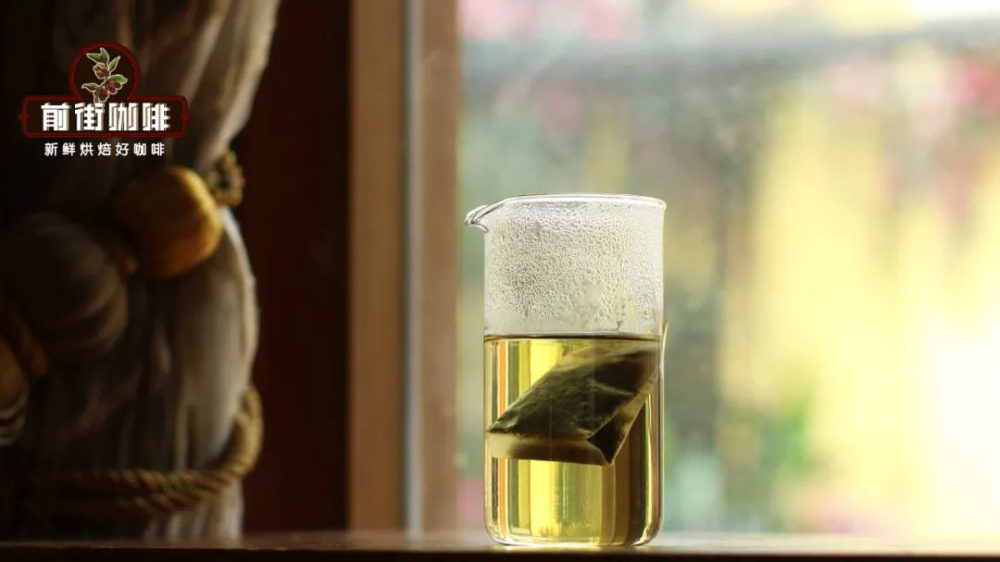
Regarding the size of the non-woven filter bag, Front Street purchased a mini size of 5.5×7cm online, which fits exactly 10g of medium-light roasted coffee grounds; while the drip bags sold daily at the shop consist of one layer of coarse-mesh non-woven fabric plus one layer of fine non-woven fabric, measuring 7.5×9cm when unfolded, with each bag also holding 10g of grounds.
This round of comparison used Front Street Duncan Estate·Caturra throughout. The superior geographical conditions of the Panama region combined with sun-dried processing give this bean a rich and delicate floral-fruity character with a honey-like sweetness. Due to the limited quantity of this batch, it is currently only produced and sold at Front Street shops.
The grind size is consistent with pour-over, both at EK43s grinder setting 9.5 (hand grinder C40 setting 24).
Making Hot Coffee with Tea-Bag and Drip Bag
Drip bag hot brew parameters: 10g coffee grounds, 1:15 coffee-to-water ratio, 93℃ water temperature, pour 150g hot water in three stages with a slow flow. In the first stage, Front Street uses 20g of hot water to wet all the coffee grounds, waits a moment, then pours the second stage of 65g, stopping when the liquid level reaches just eight-tenths of the filter bag; after all the coffee liquid has drained through, pour the final 65g using the same technique.
Tea-bag hot brew parameters: 10g coffee grounds, 1:15 coffee-to-water ratio, 93℃ water temperature. Front Street first places the coffee packet into the cup and pours 150g of hot water all at once. Since the fineness of the filter bag is unclear, the steeping time can only be adjusted as needed.
The result showed that, blocked by the non-woven fabric, the coffee grounds and hot water were separated, making it difficult to release enough soluble compounds in a short time—only by extending the time could concentration and extraction yield be compensated. After waiting more than 20 minutes, Front Street found the coffee temperature had dropped below 50℃, yet the concentration was still far from expected, so they chose to give up.
The tasting results indeed showed clear differences: the Duncan Caturra brewed from the drip bag smelled of distinct tropical fruit, with a sweet-tart entry of strawberry, dried mango, and pineapple—the candied fruit aroma especially full—and after swallowing, a fresh grape note lingered in the mouth; while the tea-bag version was noticeably lighter, with only a slight candied fruit and faint floral note on entry, low acidity, and no further layers after that...
Making Cold Brew with Tea-Bag and Drip Bag
Considering that coffee grounds themselves absorb water, Front Street used 20g of grounds uniformly when making cold brew, with specific parameters: drip bag coffee/tea-bag coffee 20g, coffee-to-water ratio 1:11, room-temperature water 220g, steeping time 8 hours.
Drip bag cold brew method: prepare a sealable container, tear open the drip bag and pour all the coffee grounds in, add 220g of room-temperature water and stir evenly, seal and place directly in the refrigerator; you can stir the grounds layer occasionally during this time to make extraction more thorough. After 8 hours of refrigeration, filter out the grounds using a filter bag or filter paper and enjoy.
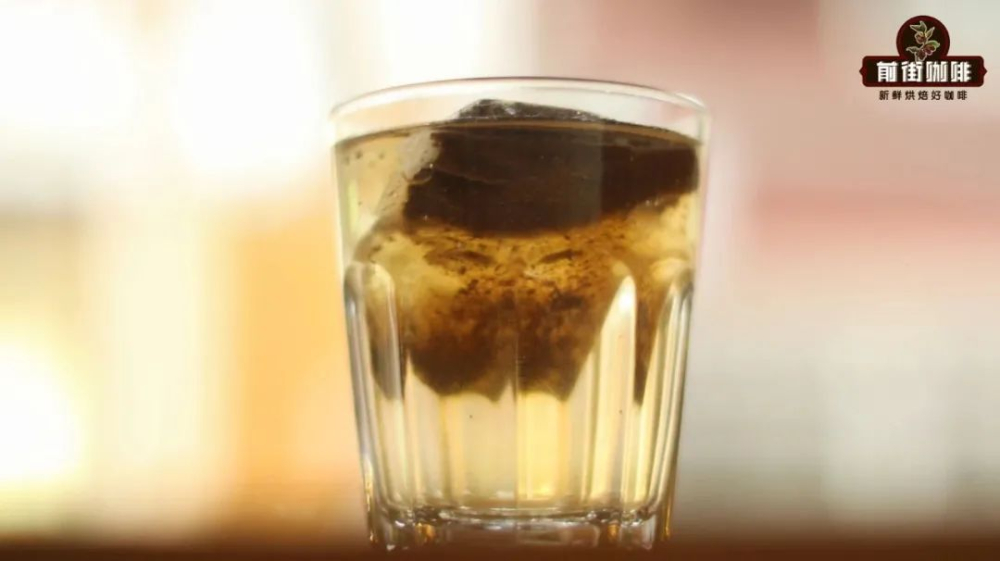
The tea-bag coffee cold brew method is even easier—just drop two coffee packets into a clean container, pour in 220g of room-temperature water, seal and put in the refrigerator, remembering to turn them occasionally. Since the coffee grounds are already "packaged" in advance, no filtering is needed after extraction—just take out the coffee packets and discard them.
After comparison, Front Street found that the two cups of cold brew were actually quite close in taste, each with its own aromatic characteristics, with differences only in subtle nuances: the drip-bag-style cold brew, where the grounds contact the water directly, was overall more refreshing, leaning toward raisin and citrus notes on entry; while the tea-bag-style cold brew, with the grounds wrapped in non-woven fabric, was richer, with flavors dominated by blueberry and black tea, plus a faint orange aroma.
Overall, if you want a hot drink, Front Street recommends choosing the drip bag; tea-bag coffee, due to its lower extraction efficiency, tends to end up weak in both concentration and flavor. But if you're making cold brew or similar iced coffee, you might want to try the tea-bag form. Compared to direct ground-to-water contact, the filter bag causes the coffee grounds to cluster together in the water, releasing their internal soluble compounds more concentratedly upon contact with water while stabilizing concentration, making the mouthfeel more full-bodied and rounded.
The above content is compiled by CoffeeHunters, a coffee news website.


