







Why does drip bag coffee taste more bitter than instant?
Drip bag coffee often tastes more bitter than instant because it is freshly ground coffee, and its acids, sugars, and aromatics extract quickly into the cup. Instant coffee is brewed and dried in a factory, so many volatile compounds are already gone before it reaches the jar. The bitterness in a drip bag comes from the full extraction of roasted ground coffee.
Brewing method decides the outcome. Front Street baristas suggest a coffee-to-water ratio around 1:15, a steady pour rhythm, and controlled total water volume. Do not leave the bag steeping in the water after the pour finishes. The result is a lighter body with lemon-like fruity acidity and a green tea-like sweet finish, and it can be an enjoyable cup after coffee has become a daily habit.
Which is actually more bitter, drip bag coffee or instant coffee? Can drip bag coffee be left steeping in water? These questions trouble many coffee lovers. From Front Street's perspective, this article first clarifies the essential difference between freshly ground coffee and instant coffee, then takes a deeper look at the flavor characteristics and correct brewing points of drip bag coffee. The article not only explains why drip bag coffee is more bitter than instant coffee, but also introduces in detail the drip bag brewing method recommended by Front Street Coffee baristas, including the coffee-to-water ratio, pouring rhythm, and water volume control, to help you brew a good cup of coffee that is light in body, with lemon-like fruity acidity and a green tea-like sweet aftertaste.
What is freshly ground coffee?
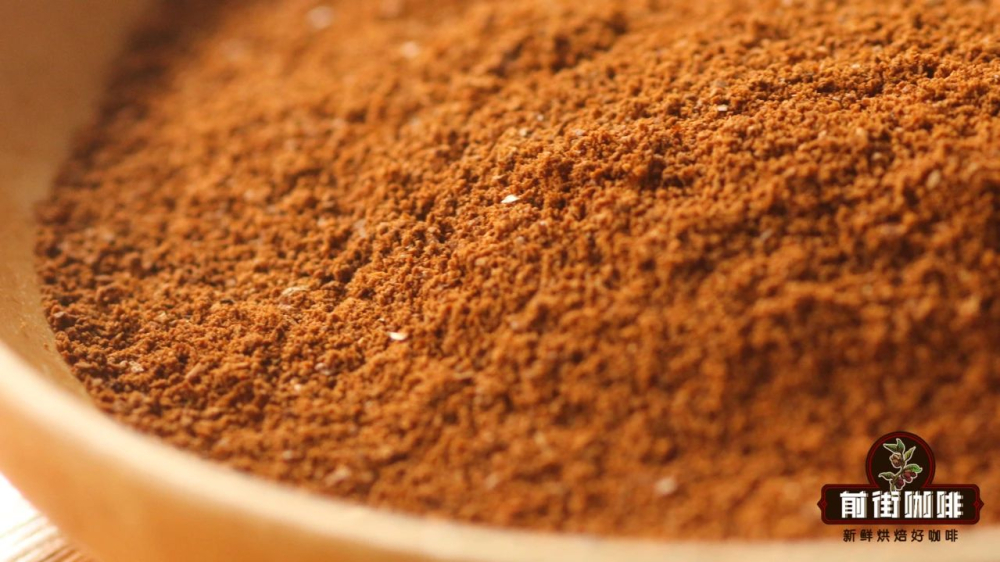
The concept of freshly ground coffee is actually very straightforward: the coffee grounds used for brewing are ground on the spot at the very moment extraction is about to begin. Whether you are making espresso or brewing a single-origin coffee, as long as the coffee is ground on site and extracted immediately, the cup counts as "freshly ground coffee."
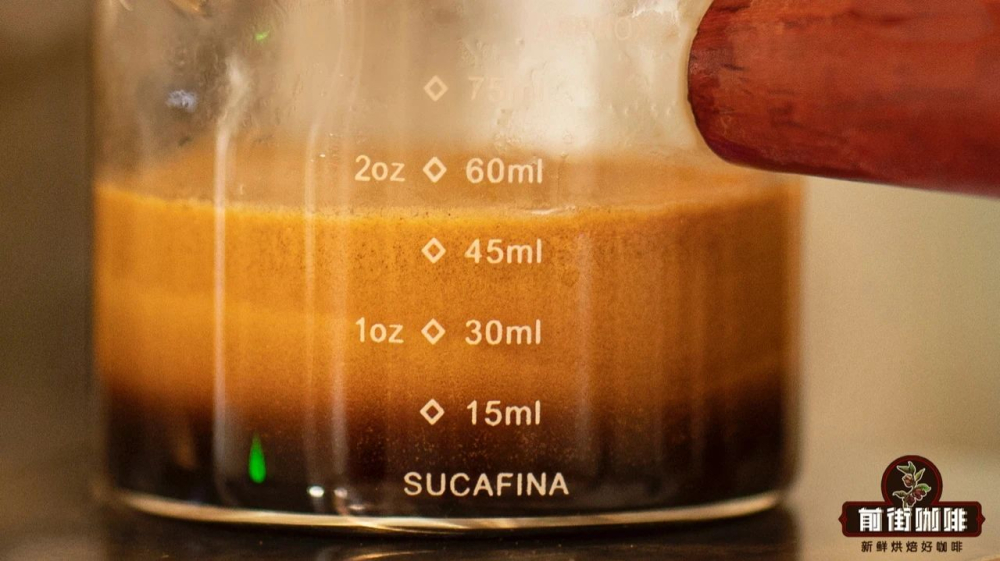
Front Street has always emphasized that the most prominent advantage of freshly ground coffee is "freshness." Nowadays, when people drink coffee, they are no longer just looking for a caffeine boost; they care more about the thousands of aromatic substances released after the coffee beans are roasted, and the ideal state presented after extraction is complete—for example, the layer of golden crema on the surface of an espresso is direct proof that the coffee is fresh.
However, these aromatic components are volatile. After coffee beans finish roasting, they continuously dissipate over time. So what we need to do is lock in as much of them as possible before the aroma disappears.
For this reason, Front Street has always believed that freshly roasted coffee beans are the foundation of everything. The aroma of coffee beans changes with storage conditions and time, and once they exceed their optimal flavor period, the loss of aroma accelerates noticeably. Front Street knows deeply how critical coffee freshness is, so the coffee beans it sends out are all freshly roasted within 5 days, so that when you receive them, you can open them and brew right away.
What is instant coffee?
After World War II, demand for coffee rose sharply in many countries, especially for instant coffee. But at the time, most people simply treated coffee as a tool for staying awake and had almost no expectations for its taste. As a result, many roasters, in order to cut costs and increase profits, chose very poor-quality coffee beans as raw material.
They used extremely dark roasting to mask the negative flavors of inferior beans, then added large amounts of dairy products and sugar to the coffee to neutralize the burnt bitterness brought by dark roasting, and thus a "delicious" coffee was born! As for instant coffee, because it needs to have its water removed to become powder, it can basically be said to have no flavor or deliciousness to speak of. To further reduce costs, what is often used in instant products to balance bitterness is a large amount of non-dairy creamer, which affects health. Yet even something like this was, in the last century, regarded by many people in many places as a "treasure."
What is drip bag coffee
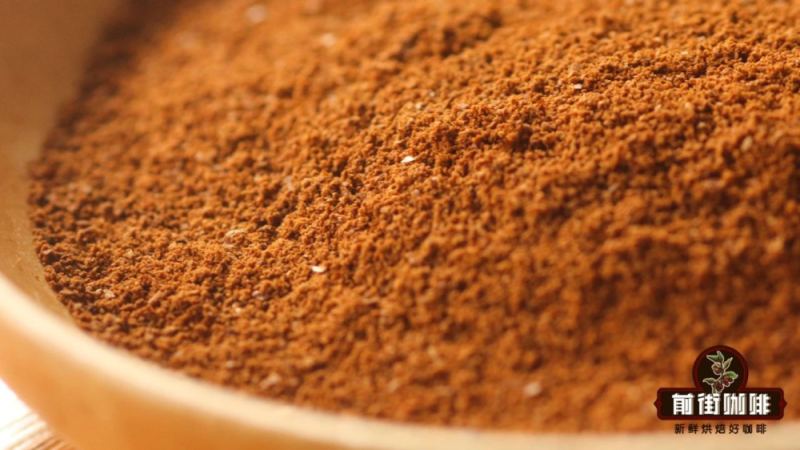
Drip bag coffee is made by grinding single-origin coffee beans into powder and packaging it in individual small packets. There is no essential difference between it and fresh coffee beans; one is simply pre-ground, while the other is ground on demand. So the flavor brewed from drip bag coffee is consistent with freshly ground coffee, but completely different from instant coffee. Instant coffee, after all, has been processed, and its taste is not as bitter—that is to say, drip bag coffee tastes more bitter than instant coffee.
Drip bag coffee is very suitable for friends who are on business trips, traveling, or short on time but still want coffee. So how should drip bag coffee be brewed? Just hang the drip bag directly on the cup and pour in water. To keep water from flowing out, you can use staged pouring, and also be careful that the water temperature is neither too high nor too low.
To make drip bag coffee taste good, Front Street believes it is best to tear it open and pour water directly; never steep it in water with the packaging still on, because the paper shell may dissolve and thereby affect the coffee's taste. After brewing, just discard the coffee grounds. Front Street does not recommend a second or multiple brews, nor does it recommend brewing it while steeping in water, because the first brew has already extracted all the coffee's flavor, so brewing it multiple times or steeping it in water is of no use.
How do FrontStreet Coffee baristas brew drip bags?
The amount of water used to brew a drip bag is relatively easy to judge. Take Front Street's floral Yirgacheffe drip bag as an example, 10 g per small packet; following the pour-over coffee-to-water ratio of 1:15 to 1:18, it is recommended to pour in 150-180 ml of water.
Usually, first pour a small amount of hot water into the drip bag filter to wet all the coffee grounds, pouring the first stage to 1/2 of the filter bag, and let it bloom for about ten seconds. Then pour water continuously twice toward the center until the drip bag is 8 parts full, and after the coffee liquid in the filter bag has fully dripped out, continue adding water until the final stage has finished dripping. If you pour until completely full, the water accumulating on top easily "bypasses" the coffee bed and filters out directly from the side of the drip bag, making the coffee taste weak.
After several tests, Front Street found that pouring in three stages this way takes about one and a half minutes, and the total water volume is basically around 150 ml. If you want a lighter taste, add one more stage and pour to 8 parts full, which is about 180 ml. The Yirgacheffe drip bag brewed this way has elegant lemon-like fruity acidity, a light and comfortable body, and a green tea-like sweet aftertaste.
The above content is compiled by CoffeeHunters, a coffee news website.


