







Can You Make a Latte Without a Coffee Machine at Home?
A latte without a coffee machine is possible through low-temperature, long-steep cold brew milk coffee. Steeping coffee grounds directly in milk reduces the release of bitter higher-molecular-weight compounds while the long soak draws out aromatic, lower-molecular-weight flavors, giving a clean, full-bodied drink that avoids the bitterness of pressure-extracted espresso.
The trade-off is concentration: fresh milk's protein and milk fat slow flavor release, so the result is less intense than a machine-made latte, though the aroma and mouthfeel still hold up. The method depends on the coffee-to-milk ratio, steeping time, and bean and milk choices rather than any espresso coffee machine.
Want to enjoy a silky-smooth latte at home but don't have an espresso machine? In fact, with just a few simple steps and a low-temperature, long-steep method, you can make a full-bodied, guilt-free cold brew milk coffee. This article breaks down the principles of milk-brewed coffee in detail, explaining why low-temperature extraction avoids bitterness and preserves aroma, and walks you through how to choose beans, choose milk, and the specific coffee-to-milk ratio and steeping time. From ingredient preparation to the lazy version, and on to tasting and storage tips, this article covers it all, letting you easily achieve latte freedom at home.
The world of cold brew coffee is definitely not limited to black coffee! In today's article, we'll show you how to easily make a silky-smooth cold brew latte at home, with no coffee machine and no complicated equipment needed. Without further ado, let's get started!
The essence of milk-brewed coffee:
"Rich mouthfeel, no guilt after drinking"
The appeal of low-temperature extraction lies in its ability to significantly reduce the release of higher-molecular-weight substances from coffee particles (such as the compounds that cause bitterness). At the same time, because the steeping time is long enough, the lower-molecular-weight flavor compounds in the coffee are fully extracted. As a result, coffee made through low-temperature slow extraction tends to be clean overall, while also being richly aromatic and full-bodied.
Milk-brewed coffee follows the same logic. The latte you normally get at a café is made by using an espresso machine to rapidly extract espresso through pressure and high temperature, which is then combined with milk. Espresso itself inevitably brings out some bitter compounds, and although adding milk dilutes them, some people with sensitive palates still find it unpleasant. Milk-brewed coffee neatly avoids this problem.
Of course, fresh milk contains a large amount of protein and milk fat, which further slows down the release of flavor compounds, so the final latte is not as concentrated as the version made with a coffee machine. But the coffee's aroma and mouthfeel are still excellent! Drinking milk-brewed coffee gives you the experience of "the coffee showing its best side in your mouth, then exiting cleanly" — rich and full-bodied with no guilt at all.
How do you make a cold brew latte?
For making a cold brew latte, Front Street recommends using fresh milk, because fresh milk has higher lactose and milk fat content, which takes the smoothness and richness of the final product to the next level.
For the coffee beans, you can pick some with more distinctive flavors. If you like floral notes, Front Street. Sun-Dried Huakui coffee beans are a great choice; if you prefer fermented winey aromas, try Front Street. Costa Rica Mozart coffee beans; if you want a tea-like profile, Front Street. Red Cherry coffee beans are worth considering. There's also the Front Street. Strawberry Candy coffee beans, which are hugely popular among home enthusiasts — this bean is a blend of single-origin lots from two major regions, Panama and Costa Rica, a Geisha blend with intense notes of rose, grape, dried blueberry, and almond.
- Ingredients -
Prepare a bag of Front Street. Queen's Estate coffee beans roasted within 5 days, a clean and dry airtight container, fresh milk of your choice, and tea filter bags.
- Brewing Parameters -
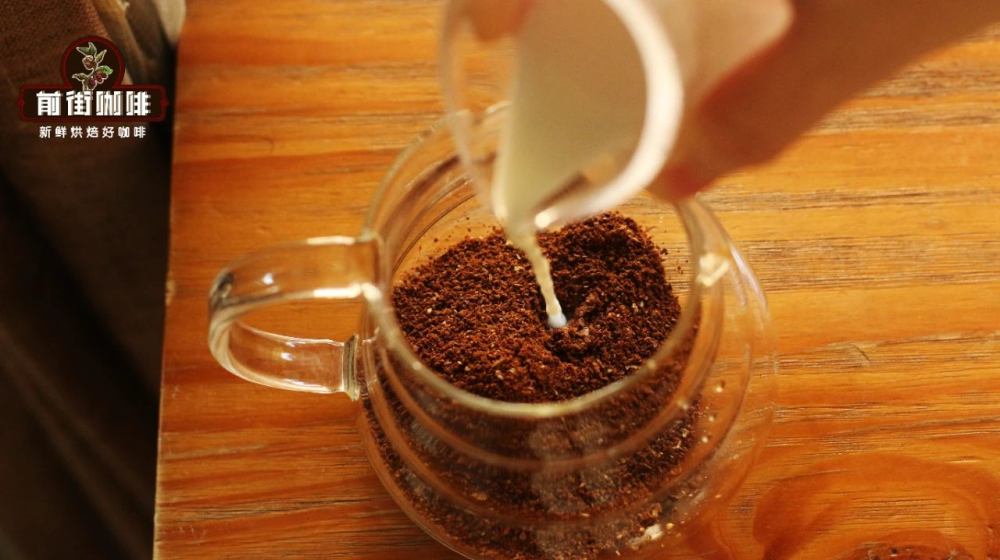
Coffee grind size: medium-fine (85% passing through a Chinese No. 20 standard sieve), coffee-to-milk ratio of 1:13, low-temperature steeping time: 8–10 hours.
- Steps -
Here at Front Street, we take 20g of ground coffee, divide it between two tea filter bags, and tie the bags tightly. Then place them in a clean, dry container, pour in 260g of chilled fresh milk, cover with a lid and gently shake so the coffee grounds in the tea bags are fully saturated, then put it in the fridge to steep for 8 to 10 hours. After extraction is complete, remove the tea bags, or simply pour out the milk coffee, and it's ready to enjoy. Because milk is highly perishable, it's recommended not to store it for more than 12 hours after extraction is complete.
"Lazy Version"
Buy a small carton of fresh milk, weigh out coffee grounds according to the milk's net volume and put them into a tea filter bag, then simply stuff the tea bag into the milk carton, seal the opening with plastic wrap, and put it in the fridge to extract.
Should the finished coffee be drunk straight away, or does it need refrigeration?
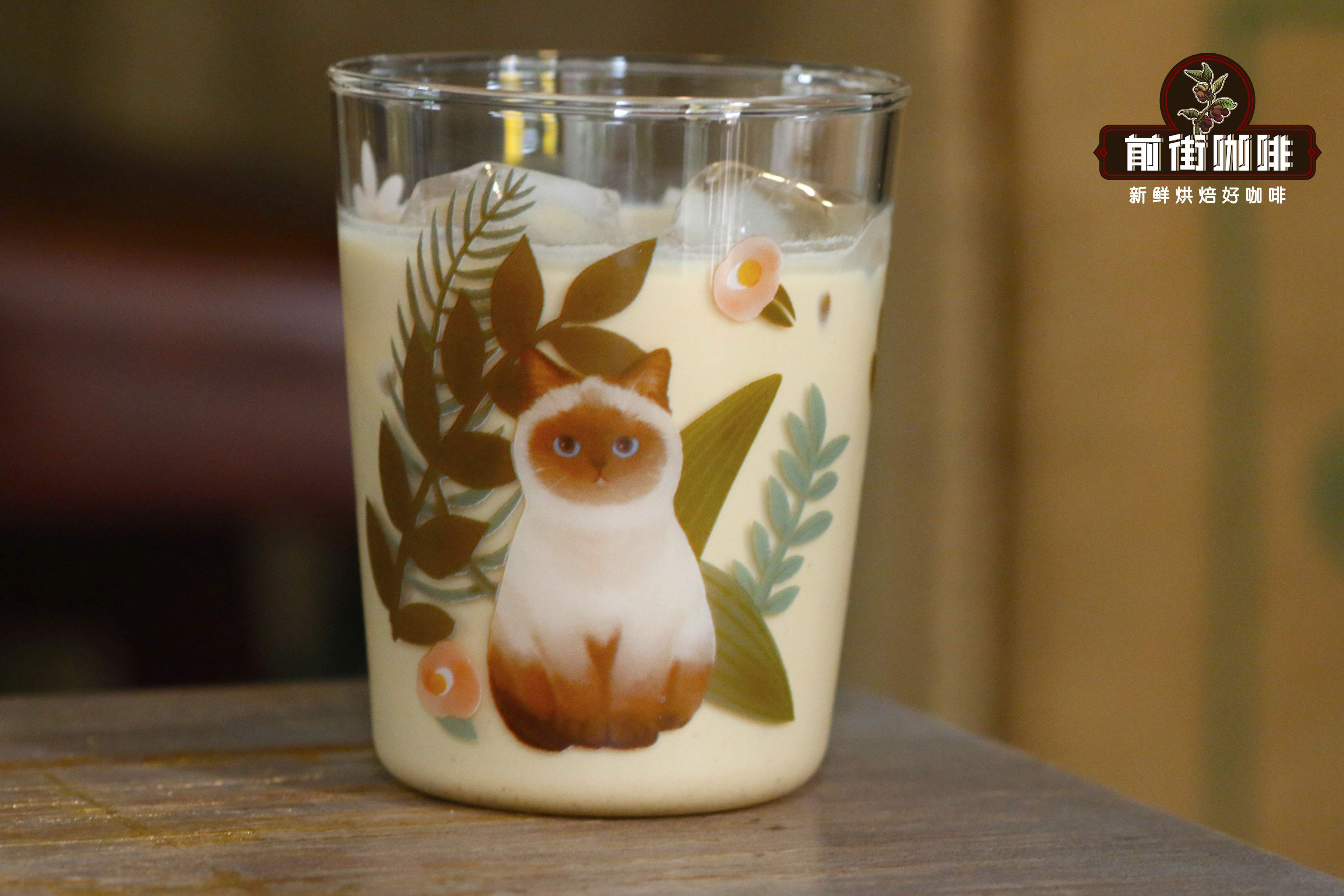
Front Street first tasted the freshly filtered Queen's Estate cold brew milk coffee — it had a rich milk-tea color, with aromas of hazelnut and roasted peanut, and a mellow, thick, silky texture on the palate. After letting it sit overnight to continue developing, the coffee's mouthfeel changed little, but the aroma was noticeably weaker. On top of that, milk is a highly perishable drink, so Front Street recommends drinking milk-brewed coffee the same day it's made, to avoid stomach upset.
The above content is compiled by CoffeeHunters, a coffee news website.


